Why Does Hair Stick Together? 7 Causes and Fast Fixes
Dealing with hair that sticks together can be a daily frustration, especially when you are trying to achieve a sleek, polished look.
This common issue often stems from a combination of product buildup, environmental damage, and improper washing techniques.
Whether you live in a humid climate or a dry city, your surroundings play a huge role in your hair’s texture. In a bustling city like New York, NY, where pollution and hard water are common, hair can quickly lose its shine and clump up.
However, you don’t have to settle for lackluster locks. By understanding the root causes of this problem and implementing a tailored hair care routine, you can restore your hair’s natural movement and volume. Let’s explore the most effective ways to prevent hair clumping and maintain healthy, beautiful hair every day.
Quick Reference Table
| The Culprits | The Fixes |
|---|---|
| Product Buildup & Heavy Oils | Clarifying Shampoo (Use once a week) |
| Dryness & Environmental Damage | Lightweight Conditioner (Apply to ends only) |
Why Hair Clumping Happens
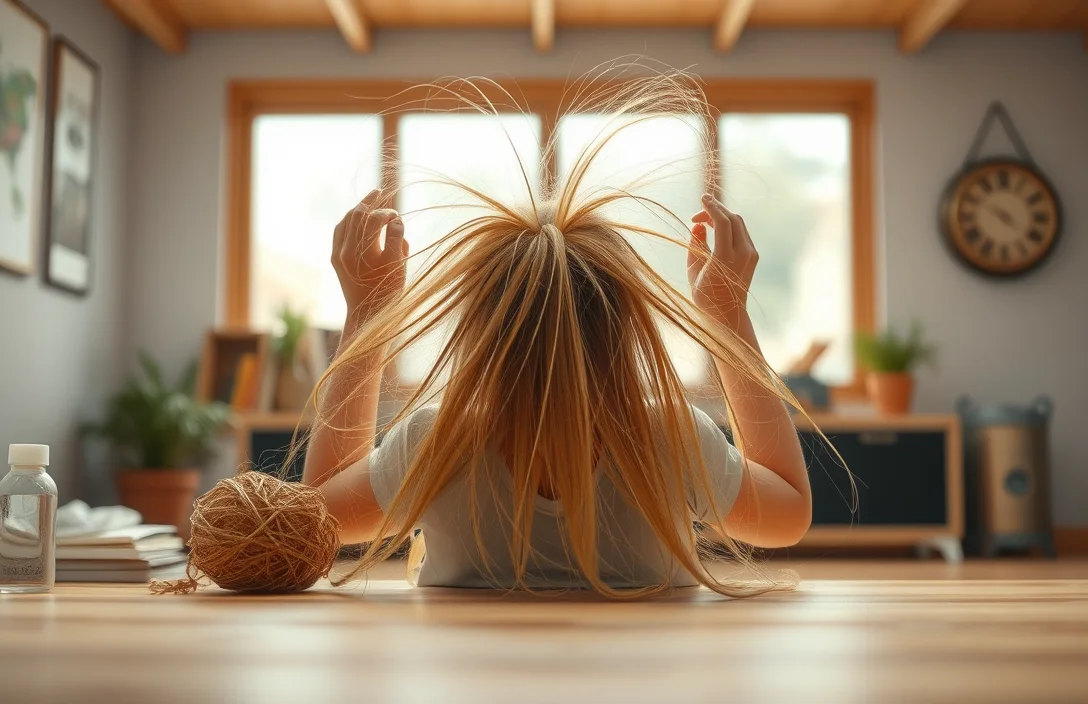
Hair clumping is a widespread issue that affects both men and women, leading to a lack of volume and an unkempt appearance. It occurs when individual strands bind together due to external or internal factors, disrupting the natural flow of your hair. Understanding the science behind this phenomenon is the first step toward a permanent solution.
Impact on Hair Health
When strands stick together, the hair cuticle becomes rough and uneven. This friction increases the likelihood of breakage and split ends, making your hair look dull and lifeless. Over time, unresolved clumping can hinder hair growth and require professional trims to fix the damage.
Who is Most Affected
Individuals with curly or coily hair are naturally more prone to tangles and clumping due to their hair structure. However, straight-haired individuals who overuse heavy styling products often face similar issues. Environmental factors like pollution and seasonal changes can exacerbate this problem for everyone.
Straight vs. Curly
Straight hair tends to clump due to excess oil and product residue weighing the strands down. Conversely, curly hair often sticks together because of a lack of moisture. Recognizing your specific hair texture is vital; using a clarifying shampoo for straight hair or a deep conditioner for curls can make a world of difference.
Fine vs. Thick
Fine hair is easily overwhelmed by heavy butters and waxes, causing it to stick together in unattractive strands. Thick hair, while more resilient, requires thorough cleansing to avoid buildup. Always opt for lightweight, water-based products if you have fine hair, and use rich creams for thick textures.
Common Causes of Sticking
There are several reasons why your hair might be losing its bounce and clumping up. These causes often work together to create a stubborn problem that persists despite regular washing. Identifying your specific triggers is key to stopping the cycle of clumping.
Product Buildup
Over time, styling creams and gels leave behind a residue that sticks to the hair shaft. This buildup acts like glue, causing multiple strands to bind together. Use a clarifying shampoo once a week to dissolve these stubborn residues and restore hair texture.
Environmental Damage
Pollution, UV rays, and harsh weather conditions can damage the hair’s outer layer, making it rough and susceptible to tangling. When the cuticle is raised, strands catch onto one another. Protect your hair with UV-protectant sprays and wear a hat in extreme weather.
Over-Washing
Washing your hair daily strips it of natural sebum, the oil that keeps strands slippery and smooth. This leads to dryness and friction, causing the hair to stick together. Wash your hair 2-3 times a week to maintain its natural protective oils.
Hard Water & Chlorine
Mineral deposits from hard water or chlorine from pools can coat the hair, making it feel like straw and causing clumping. Installing a water softener or using a chelating shampoo can remove these heavy metals and restore smoothness.
Effective Cleansing Routine
A proper cleansing routine is essential for preventing hair clumping. It’s not just about washing your hair; it’s about how you do it. By implementing the right techniques, you can remove buildup without drying out your strands.
Choose the Right Shampoo
Select a shampoo that targets your specific needs. If you have oily roots and dry ends, look for balancing formulas. For heavy buildup, a sulfate-free clarifying shampoo works well without stripping moisture.
Wet Your Hair Thoroughly
Always ensure your hair is completely saturated with lukewarm water before applying shampoo. Hot water can open the cuticle too much, leading to damage and tangling. Warm water helps open pores for better cleansing.
Apply Shampoo Correctly
Focus shampoo application on the scalp, not the entire length of the hair. Massage gently with your fingertips to dislodge dirt and oil. Let the suds run down the ends to cleanse them without rough scrubbing.
Conditioner Application
Apply conditioner solely to the mid-lengths and ends, as these areas are the oldest and most damaged. Avoid the scalp to prevent weighing the roots down. Leave it on for 3 minutes to allow deep penetration.
Affordable & DIY Solutions
You don’t need to spend a fortune at salons to fix hair clumping. Several affordable drugstore products and homemade remedies are highly effective. These solutions focus on clarifying and hydrating to bring your hair back to life.
Drugstore Recommendations
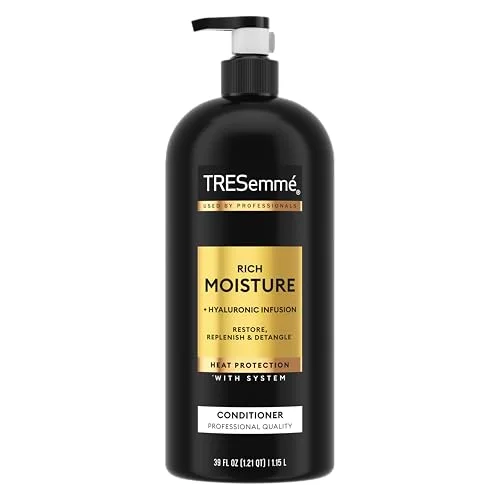
Products like Neutrogena Anti-Residue Shampoo are budget-friendly and great for deep cleaning. For conditioning, TRESemmé Moisture Rich Shampoo offers excellent hydration. These are easily available and gentle on daily hair.
Homemade Treatments
An apple cider vinegar rinse is a natural clarifier that removes buildup without harsh chemicals. Simply mix 1 part vinegar with 2 parts water and use it after shampooing to restore shine.
Coconut Oil Treatment
Warm up some coconut oil and apply it to dry hair. Leave it for 30 minutes as a deep conditioning mask. It penetrates the hair shaft to reduce friction and prevent strands from sticking together.
Aloe Vera Gel
Apply fresh aloe vera gel directly to your scalp and ends. It acts as a natural moisturizer that smooths the cuticle and reduces frizz, making hair less prone to clumping and easier to comb through.
Expert Hair Care Tips
Preventing clumping requires consistent care and smart habits. Beyond washing and conditioning, specific styling techniques are crucial for maintaining smooth, separated strands.
Regular Trims
Getting a trim every 6-8 weeks removes split ends that often cause tangles. When the ends are frayed, they easily catch on other strands, leading to clumps. A fresh cut keeps hair looking healthy and styled.
Hydration Techniques
Deep condition your hair weekly with masks containing argan or jojoba oil. This locks in moisture and prevents the dryness that causes friction. Applying a leave-in conditioner on damp hair is also highly beneficial.
Detangling Tools
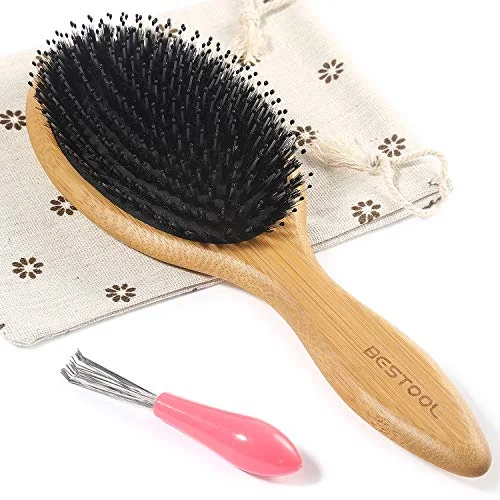
Use a wide-tooth comb or a detangling brush on wet hair to minimize breakage. Start from the bottom and work your way up to the roots. This prevents pulling and reduces stress on the hair shaft.
Heat Protection
Always use a heat protectant spray before using blow dryers or flat irons. Heat opens the cuticle, making the hair vulnerable to moisture loss and tangling. Lower heat settings can also help maintain hair integrity.
Frequently Asked Questions
How long until I see results?
You should notice a difference after your first clarifying wash, but it typically takes 2-3 weeks of consistent routine adjustments to see full improvements in texture and volume.
Can I use these products on sensitive scalps?
Yes, look for shampoos and conditioners labeled “hypoallergenic” or “sensitive.” Avoid heavy oils that can clog pores, and rinse thoroughly to prevent irritation.
Is drugstore shampoo effective against clumping?
Absolutely. Many budget-friendly shampoos are excellent for removing buildup. Focus on ingredients like salicylic acid for oily scalps or hydrating oils for dry hair, rather than just the price tag.
Do I need a separate detangler?
If your hair tangles easily, a detangler is highly recommended. It coats the hair strands to reduce friction, making it easier to comb through and significantly decreasing the chance of clumping.
What’s the best treatment for hard water clumping?
A chelating shampoo is your best bet as it is specifically designed to remove mineral deposits. If you live in an area with hard water, using this once a month will keep your hair soft and manageable.

- Top 10 Best Hair Conditioner For Black Women 2026 - October 4, 2026
- Top 10 Best Hair Conditioner For Black Men 2026 - October 4, 2026
- Top 10 Best Hair Conditioner For Baby Girl 2026 - October 3, 2026