
8 Effective Tips to Eliminate Static Hair and Restore Smoothness
Struggling with static hair? You’re not alone. This common annoyance can leave your locks looking frizzy and unmanageable, especially during colder months. Understanding the reasons behind static hair can help you tackle this issue effectively, so you can feel confident and put-together.
The key to combating static lies in hydrating conditioners, anti-static sprays, and natural oils that lock in moisture and reduce friction. Choosing products with ingredients like argan oil or shea butter can make a significant difference.
Best for: All hair types. Use caution if: You have fine or oily hair, as heavier oils might weigh it down.
What is Static Hair?
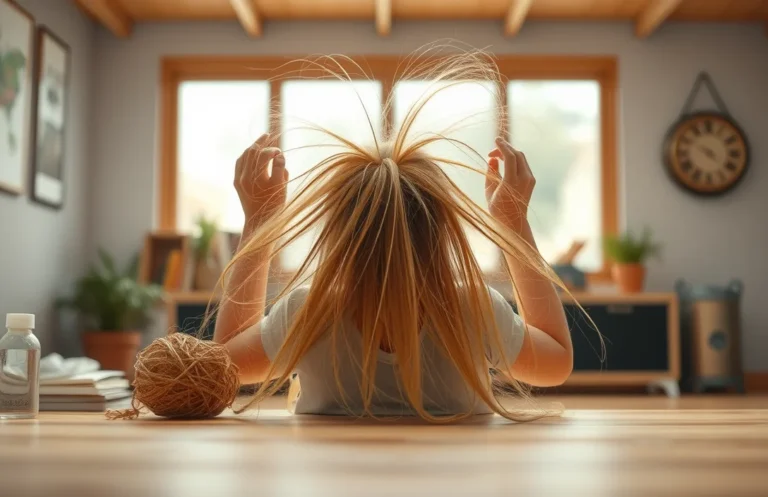
Static hair occurs when hair becomes electrically charged, causing strands to repel each other and stand on end. Understanding static hair is essential as it can affect the overall appearance and manageability of your hair, leading to frustration during styling.
- Definition: Static hair is the result of an imbalance of electrical charges on the hair’s surface, often exacerbated by dry air, friction, and certain hair care products.
- Environmental Factors: Low humidity conditions, common in winter months, can strip moisture from your hair, making it more prone to static. Additionally, wearing hats or using rough materials can create friction, increasing static electricity.
- Hair Care Habits: Over-washing your hair or using sulfate-heavy shampoos can lead to dryness, which contributes to static. Incorporating moisturizing conditioners and hydrating serums can help maintain hair’s moisture balance.
- Importance of Hydration: Keeping your hair moisturized is key to preventing static. Look for products containing ingredients like glycerin or argan oil, which provide hydration and help reduce frizz.
- Styling Products: Using anti-static sprays or serums can help tame flyaways. Choose products that contain silicone or natural oils, which create a protective barrier against static.
Identifying Your Hair Type
Understanding your hair type is crucial in addressing static issues effectively. Different hair types respond uniquely to environmental factors and hair care products, so knowing whether your hair is fine or coarse, and curly or straight can help tailor your approach to managing static.
Fine vs. Coarse Hair
Fine hair tends to be more prone to static due to its lighter structure, which can easily become charged. Coarse hair, being thicker and heavier, may not experience static as readily but can still be affected by dryness.
- Fine Hair: Often feels soft and silky; can become frizzy and static-prone in dry conditions.
- Coarse Hair: Thicker strands that are more resistant to damage; may require heavier products to combat static.
Curly vs. Straight Hair
The shape of your hair can also influence how it reacts to static. Curly hair can trap moisture, potentially reducing static, while straight hair may lack the same moisture retention, leading to frizz and static.
| Hair Type | Static Susceptibility | Recommended Products |
|---|---|---|
| Fine | High | Lightweight serums, anti-static sprays |
| Coarse | Moderate | Heavy creams, oils |
| Curly | Low to Moderate | Moisturizing creams, leave-in conditioners |
| Straight | High | Anti-frizz shampoos, silicone-based products |
Identifying your hair type can guide you in selecting the right products to minimize static and improve overall hair health.
Causes of Static Hair
Static hair can be an annoying issue, often arising from both environmental conditions and hair care habits. Understanding these causes is essential for finding effective solutions to keep your locks smooth and manageable.
Dry Air
One of the primary culprits of static hair is dry air, especially during the winter months or in arid climates. When the moisture level in the air decreases, your hair can lose its natural hydration, leading to an imbalance of positive and negative charges that creates static.
- Indoor heating systems can exacerbate dryness.
- Low humidity levels can strip moisture from hair, making it more prone to static.
Hair Products
The types of hair products you use can also contribute to static. Some common factors include:
- Sulfates in shampoos can strip natural oils, leaving hair dry.
- Heavy styling products may lead to buildup, making hair difficult to manage.
- Silicone-based products can create a slippery surface but may lead to static if not thoroughly washed out.
Expert tip: Always choose hydrating shampoos and conditioners, especially if you live in a dry climate, to help maintain moisture levels.
| Product | Price | Key Ingredient | Best For |
|---|---|---|---|
| Moroccanoil Hydrating Shampoo | $28 | Argan Oil | Dry to Damaged Hair |
| SheaMoisture Coconut & Hibiscus Curl & Shine Conditioner | $12 | Coconut Oil | Curly Hair |
Key Ingredients to Combat Static
Understanding which ingredients to look for in hair care products can significantly reduce static. By incorporating the right components into your routine, you can help maintain moisture balance and create a smooth hair surface, minimizing the chances of static buildup. Here are two key categories to consider: silicones and humectants.
| Item | Amount/Specification | Notes |
|---|---|---|
| Silicones | Dimethicone, Cyclopentasiloxane | Provides a smooth coating that reduces friction and static. Works for all hair types. |
| Humectants | Glycerin, Aloe Vera | Attracts moisture to the hair, making it less prone to static. Best for dry or curly hair types. |
- Choose products with silicones for a sleek finish, especially in dry conditions.
- Look for humectants in leave-in conditioners to maintain hydration levels.
- Patch test new products, especially those with silicones or humectants, to ensure compatibility.
- Expect to see results in 2-4 weeks of consistent use, particularly when switching to hydrating formulas.
Step-by-Step Anti-Static Routine
Static hair can be an annoying issue that stems from both environmental factors and hair care practices. By implementing a consistent hair care routine focused on washing and styling, you can minimize static and achieve smoother, more manageable hair.
- Washing: Use a moisturizing shampoo that contains ingredients like argan oil or shea butter, which can help hydrate your hair and reduce static. Aim to wash your hair 2-3 times a week to avoid stripping it of natural oils that prevent static buildup.
- Conditioning: After shampooing, apply a rich conditioner to the mid-lengths and ends of your hair. Look for products with coconut oil or glycerin to lock in moisture. Allow the conditioner to sit for at least 3-5 minutes before rinsing thoroughly with cool water to seal the cuticle.
- Drying: Instead of rubbing your hair aggressively with a towel, gently squeeze out excess water and wrap your hair in a microfiber towel. This helps reduce frizz and static. If you use a blow dryer, opt for a nozzle attachment and a cool setting to minimize heat damage.
- Styling: Apply a leave-in conditioner or anti-static spray that contains silicones or panthenol to your damp hair. These ingredients help to smooth the hair cuticle and prevent static. If using heat tools, make sure to apply a heat protectant as well.
- Finishing Touch: For an extra layer of protection against static, finish your style with a light mist of hairspray or a shine serum. Look for products labeled as anti-frizz or anti-static to further combat flyaways and maintain a sleek look throughout the day.
Common Mistakes to Avoid
Understanding common mistakes in hair care can significantly reduce static hair. By avoiding certain practices, you can maintain better moisture balance and prevent friction, which are key to combating static.
Over-Washing
Washing your hair too frequently can strip natural oils, leading to dryness and static. Aim to wash your hair 2-3 times a week, depending on your hair type. Here’s how different hair types can manage washing:
- Oily hair: May require more frequent washing, but consider using a gentle clarifying shampoo to avoid excess oil without overdrying.
- Dry hair: Limit washes to once a week and use a moisturizing shampoo.
- Curly or textured hair: Wash every 5-7 days with a sulfate-free shampoo to retain moisture.
Using Wrong Products
The products you choose can either help or worsen static. Opt for products that provide moisture and reduce friction:
- Conditioners: Look for ones with ingredients like coconut oil or shear butter to hydrate and smooth the hair cuticle.
- Leave-in conditioners: These can be particularly effective in maintaining moisture throughout the day.
- Avoid: Alcohol-based products, as they can dry out hair and increase static.
Expert tip: Always test new products on a small section of hair to ensure they don’t exacerbate dryness and static.
Budget-Friendly Solutions
Static hair can be frustrating, especially during dry seasons or in low-humidity environments. Fortunately, there are affordable products and DIY treatments that can help manage and reduce static. Here are some budget-friendly solutions to consider.
Drugstore Products
- Leave-in Conditioners: Look for products containing silicones like dimethicone, which can help smooth the hair and reduce static. Brands like Cantu and Aussie offer effective options at low prices.
- Anti-static Sprays: These sprays can quickly tame flyaways. Try Static Guard or John Frieda Frizz Ease for a quick fix.
- Hair Serums: Lightweight serums with ingredients such as argan oil or jojoba oil can add moisture and shine while minimizing static. Check out OGX or Moroccanoil for affordable choices.
DIY Treatments
Creating your own treatments can be both cost-effective and fun. Here are two easy recipes:
- DIY Anti-Static Spray: Mix 1 part water with 1 part fabric softener in a spray bottle. Lightly mist your hair before styling.
- Moisturizing Hair Mask: Combine 1 avocado, 2 tablespoons of olive oil, and 1 tablespoon of honey. Apply to hair for 30 minutes before washing out to nourish and hydrate.
“To prevent static, always ensure your hair is well-moisturized, especially during colder months.”
By incorporating these budget-friendly products and DIY solutions, you can effectively combat static hair without breaking the bank. Remember, consistency is key for the best results!
Expert Tips for Reducing Static
Static hair can be frustrating, especially when it seems to appear out of nowhere. By controlling humidity and using the right product layering techniques, you can significantly reduce static and keep your hair looking smooth and polished.
Humidity Control
Static is often heightened in dry conditions, so maintaining optimal humidity levels can help. Here are some effective strategies:
- Use a humidifier in your home, especially during winter months.
- Stay hydrated by drinking plenty of water; hydration starts from within.
- Incorporate hydrating hair products that contain moisturizing ingredients such as glycerin or aloe vera.
Product Layering
Proper product layering can create a barrier against static. Follow these steps for effective application:
- Shampoo: Start with a sulfate-free shampoo to prevent stripping moisture.
- Conditioner: Use a rich conditioner containing argan oil or coconut oil to lock in hydration.
- Leave-in Treatment: Apply a leave-in conditioner to maintain moisture throughout the day.
- Styling Products: Finish with an anti-static serum or cream to help control flyaways.
Expert tip: Always apply products from thinnest to thickest consistency for the best results.
By focusing on humidity control and layering the right products, you can effectively manage static hair and maintain a sleek, polished look regardless of the season.
Quick Summary
- Dry Air Causes Static: Low humidity levels strip moisture from hair, leading to static electricity.
- Use of Synthetic Materials: Clothing made from polyester and nylon can increase friction and static.
- Hair Products Matter: Products with alcohol can dry out hair and worsen static issues.
- Condition Regularly: A good conditioner can help retain moisture and reduce static.
- Stay Hydrated: Drinking enough water supports overall hair health, reducing static buildup.
| Routine | Steps |
|---|---|
| Morning | 1. Comb hair gently 2. Apply anti-static spray 3. Use a hydrating serum |
| Evening | 1. Wash with moisturizing shampoo 2. Condition thoroughly 3. Apply leave-in conditioner |
Frequently Asked Questions
Why does my hair get static in the winter?
Static hair is common in winter due to lower humidity levels that cause your hair to lose moisture. This dryness leads to an imbalance in electrical charges, resulting in static cling.
How can I reduce static in my hair?
You can reduce static by using moisturizing hair products like leave-in conditioners or oils that add hydration. Additionally, using a humidifier at home helps maintain moisture in the air.
Does using a metal hairbrush cause more static?
Yes, metal hairbrushes can contribute to static because they can create more friction and increase electrical charges in your hair. Opt for wooden or anti-static brushes instead.
Can I use anti-static spray on colored hair?
Absolutely! Many anti-static sprays are safe for colored hair, but always check the label to ensure they are free from harsh chemicals that can strip your color.
Is there a difference between anti-static and moisturizing products?
Yes, anti-static products primarily focus on reducing static cling, while moisturizing products aim to hydrate your hair, preventing dryness and frizz. Both can be beneficial, but they serve different purposes.

- Medium Hairstyles for School: 25 Best Looks That Are Easy - March 31, 2026
- Hairstyles for Medium Hair for School: Easy and Stylish - March 31, 2026
- Hairstyles for Medium Length Hair for School: 28 Styles That Are Easy - March 31, 2026