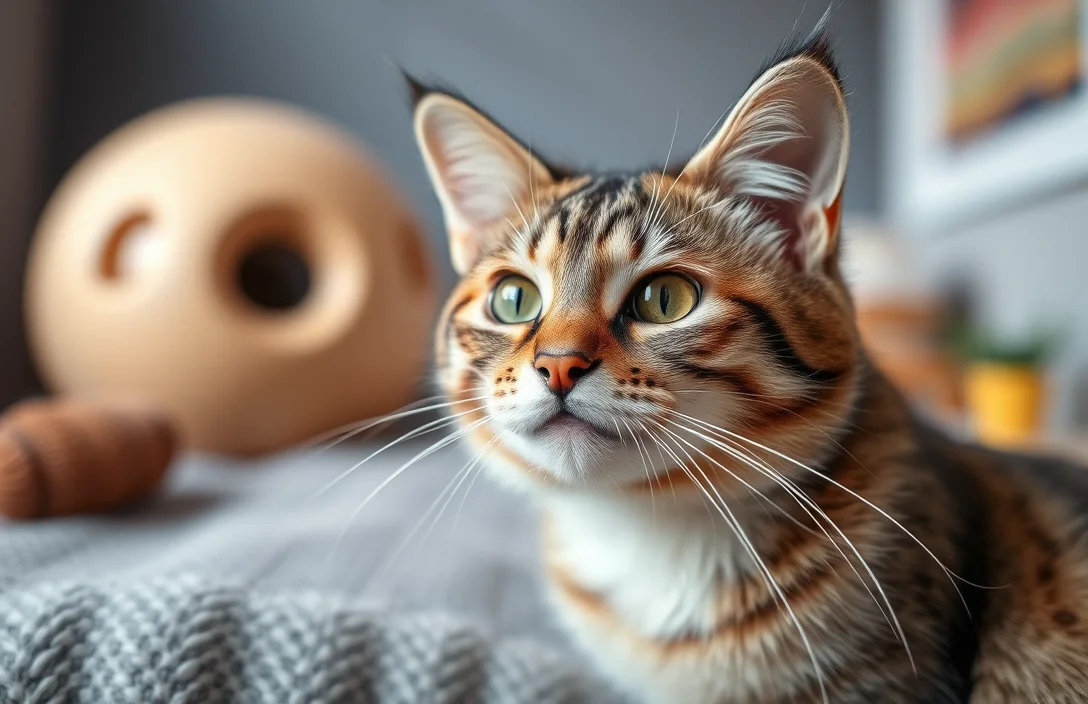
8 Reasons Your Cat Bites Hair & Tips for Skin Care After
Struggling with skin sensitivity or irritation from your furry friend’s playful habits? You’re not alone. Many pet owners experience unexpected skin reactions, especially when their cats show affection through hair biting. Understanding this behavior can help you maintain your beauty routine while keeping your cat happy.
Cats may bite your hair for various reasons, including affection, playfulness, or even anxiety. After interactions, consider using gentle cleansers and soothing moisturizers with ingredients like aloe vera or niacinamide to calm your skin.
Best for: Sensitive and normal skin types. Use caution if: You have reactive or acne-prone skin.
Why Cats Bite Hair
The behavior of cats biting hair can seem puzzling, but it often reflects the deep bond they share with their owners. Understanding this behavior provides insights into how our pets interact with us and can even influence our skincare routines, especially for those with sensitive skin.
- Affectionate behavior: Cats often display their affection through grooming behaviors, including nibbling on their owner’s hair. This mimics the social grooming they engage in with other cats, reinforcing their bond with you.
- Comfort and security: By biting your hair, your cat may be seeking comfort. The scent of your hair can provide a sense of security, especially in stressful situations. This could be particularly relevant if you have sensitive skin that reacts to stress, as pets can sense and respond to emotional states.
- Playfulness: Cats are naturally playful creatures. Biting hair can sometimes be a playful interaction, especially if it’s accompanied by pouncing or batting at your hair. This behavior can remind you to be mindful of how interactions with pets might impact your skin, particularly if you’re prone to irritation.
- Curiosity: Cats are curious by nature, and they often explore their environment with their mouths. Your hair may simply be an object of interest. However, if your skin reacts negatively to such interactions, it’s essential to monitor your skin’s response and adjust your skincare routine accordingly.
Identifying Your Skin Type
Understanding your skin type is essential when considering interactions with pets, including why cats might bite your hair. Your skin’s characteristics can influence how it reacts to pet dander and saliva, making it important to identify whether you have oily, dry, or combination skin, and to assess any sensitivity levels.
- Determine Your Skin Type: Look at your skin after cleansing and patting it dry. Oily skin will appear shiny, particularly in the T-zone, while dry skin may feel tight or flaky. Combination skin typically has both oily and dry areas. Identifying this will inform how your skin reacts to cat interactions.
- Assess Sensitivity Levels: Consider how your skin responds to products and environmental factors. If you experience redness, itching, or breakouts after being around pets, you may have sensitive skin. This sensitivity can exacerbate reactions to cat saliva or dander, leading to irritation.
- Patch Testing: If you suspect your skin may react poorly to pet interactions, conduct a patch test with any new skincare products. Apply a small amount on your wrist or behind your ear and wait 24 hours to see if any irritation occurs. This is crucial for sensitive skin types.
- Identify Triggers: Keep a diary of any reactions your skin has after being around your cat. Note if certain grooming or interaction times lead to breakouts or irritation. This can help you understand the interplay between your skin and pet interactions, allowing you to adjust your routine accordingly.
Hair and Skin Reactions
The interactions between cats and their owners can lead to various hair and skin reactions that are worth understanding. Knowing how your cat’s behavior, like biting your hair, can affect your skin health can help you manage potential irritations and maintain your beauty routine.
- Common Skin Reactions: When a cat bites your hair, it may inadvertently transfer saliva or allergens to your skin. This can cause irritation, especially for those with sensitive or reactive skin types. Look for signs such as redness, itching, or small bumps where the cat has made contact.
- Potential Hair Damage: Repeated biting or pulling at your hair can lead to breakage and split ends. This is particularly concerning for those with fine or damaged hair, as the mechanical stress can exacerbate existing issues. To minimize damage, consider protective hairstyles when spending time with your cat.
- Long-term Effects of Allergies: If you’re allergic to cat dander, regular interactions can lead to chronic skin conditions such as eczema or dermatitis. This is especially true for individuals with oily to combination skin, where breakouts can be aggravated by allergens. If you notice persistent irritation, consult a dermatologist for tailored advice.
- Patch Testing: If you notice any adverse reactions after cat interactions, it’s essential to patch test new skincare products. Apply a small amount on a discrete area to check for reactions before proceeding with full application, especially if you frequently engage with your pet.
Managing Cat Behavior
Understanding how to manage your cat’s hair-biting behavior can help create a more harmonious environment for both you and your pet. Utilizing positive reinforcement and redirection techniques can effectively change this habit while ensuring your skin remains healthy and irritation-free.
- Positive Reinforcement: Reward your cat when they engage in appropriate behaviors rather than biting your hair. Use treats or affection as rewards. For example, if your cat plays with a toy instead of your hair, offer them a small treat or some gentle petting. This encourages them to repeat the desired behavior.
- Redirecting Behavior: When you notice your cat preparing to bite your hair, gently redirect their attention to a more appropriate target. This could be a scratching post or a designated toy. Try to engage them in playtime, which can keep their focus away from your hair and on something that’s safe and fun for them.
- Establishing Boundaries: Set clear boundaries with your cat. If your cat approaches your hair for a bite, calmly say “no” and gently move them away. Consistency is key; always respond the same way to this behavior to help them understand what is and isn’t acceptable.
- Creating a Stimulating Environment: Ensure your cat has plenty of toys and activities to keep them engaged. Boredom can lead to unwanted behaviors, including hair biting. Interactive toys or puzzle feeders can keep their mind occupied and provide an outlet for their energy.
Skincare After Interactions
Interacting with your cat can be delightful, but it may also lead to skin sensitivities or reactions, especially if they tend to nibble at your hair. To maintain healthy skin post-interaction, a proper skincare routine is essential. Here’s how you can care for your skin after cuddling with your feline friend.
Gentle Cleansing
After spending time with your cat, gently cleanse your skin to remove any allergens or irritants. This is particularly important for those with sensitive or acne-prone skin. Use a gentle, sulfate-free cleanser to avoid stripping your skin’s natural moisture barrier.
- Look for ingredients like cocamidopropyl betaine or glycerin for hydration.
- Avoid cleansers with harsh exfoliants if your skin is reactive.
Moisturizing Tips
Post-cleansing, it’s crucial to hydrate your skin. Choose a moisturizer that suits your skin type:
| Product | Price | Key Ingredient | Best For |
|---|---|---|---|
| La Roche-Posay Toleriane | $36 | Thermal Spring Water | Sensitive Skin |
| CeraVe Daily Moisturizing Lotion | $16 | Ceramides | Normal to Dry Skin |
Apply your moisturizer while your skin is still damp to lock in hydration. For best results, use a product with hyaluronic acid to boost moisture retention.
“Dermatologist tip: Always apply products from thinnest to thickest consistency for optimal absorption.”
Remember, if you’re trying new products, conduct a patch test first to avoid adverse reactions.
Avoiding Common Pitfalls
Understanding why cats bite your hair can help you avoid skin reactions related to their behavior. Ignoring symptoms or using harsh products can exacerbate sensitivity, leading to discomfort or irritation. Here are some key aspects to consider when managing your skincare in relation to your furry friend.
Ignoring Symptoms
If your cat’s hair-biting behavior is causing skin irritations, it’s crucial not to dismiss these changes. Look for:
- Redness or irritation on the scalp or skin where your cat interacts.
- Unusual itchiness or dryness that can result from dander or saliva.
- Increased sensitivity that can occur over time with repeated exposure.
Always consult a dermatologist if you notice persistent issues, as they can recommend appropriate treatments or products tailored to your skin type.
Harsh Products
Using strong or irritating products can worsen skin reactions, especially if your cat is frequently in contact with your hair. Here are some ingredients to avoid:
- Alcohol-based products: These can dry out the skin and exacerbate sensitivity.
- Fragrances: Synthetic fragrances can irritate sensitive skin, especially when combined with pet dander.
- Exfoliants: Avoid using physical scrubs on already irritated areas, as they can aggravate the skin.
Expert tip: Always patch test new products on a small area of your skin before full application to avoid adverse reactions.
Affordable Skincare Solutions
Interacting with your cat can sometimes lead to skin irritation, especially around the scalp area where they may nibble on your hair. Incorporating budget-friendly skincare solutions can help soothe and protect your skin from potential reactions. Below are some effective drugstore products and DIY remedies that cater to various skin types.
Drugstore Products
When selecting products, opt for those that are gentle and formulated for sensitive skin. Here are some affordable options:
- CeraVe Hydrating Facial Cleanser – $16: Contains ceramides and hyaluronic acid, ideal for all skin types, especially dry to combination skin.
- Neutrogena Hydro Boost Water Gel – $20: Features hyaluronic acid, great for oily to combination skin, providing lightweight hydration.
- La Roche-Posay Toleriane Ultra Soothing Repair Cream – $30: Perfect for sensitive skin, helps reduce redness and irritation.
DIY Remedies
If you prefer a more hands-on approach, consider these simple DIY remedies:
- Oatmeal Mask: Blend oatmeal with water to form a paste. Apply to irritated areas for 15 minutes, then rinse. Oatmeal is soothing for all skin types.
- Aloe Vera Gel: Use pure aloe vera gel directly from the plant. It’s hydrating and has anti-inflammatory properties, suitable for all skin tones.
- Honey and Yogurt Mix: Combine honey and plain yogurt for a nourishing mask that hydrates and calms sensitive skin.
Patch Test Warning: Always perform a patch test before trying new products or remedies to ensure no adverse reactions occur.
| Product | Price | Key Ingredient | Best For |
|---|---|---|---|
| CeraVe Hydrating Facial Cleanser | $16 | Ceramides | Dry to Combination Skin |
| Neutrogena Hydro Boost Water Gel | $20 | Hyaluronic Acid | Oily to Combination Skin |
| La Roche-Posay Toleriane Ultra | $30 | Thermal Spring Water | Sensitive Skin |
Expert Care Tips
Understanding the reasons behind your cat’s hair-biting behavior can help you manage skin sensitivity and reactions after interactions. Here are some practical routine adjustments and product recommendations to keep your skin healthy and comfortable.
Routine Adjustments
- Maintain a clean environment: Regularly vacuum and dust to minimize allergens that may irritate your skin after cat interactions.
- Limit close face contact: When cuddling, avoid letting your cat nibble on your hair or skin to prevent irritation.
- Schedule regular grooming: Keeping your cat groomed reduces shedding and dander, which can help minimize skin reactions.
Product Recommendations
Using the right products can make a significant difference in managing skin sensitivity:
| Product | Price | Key Ingredient | Best For |
|---|---|---|---|
| CeraVe Hydrating Cleanser | $16 | Ceramides | All skin types |
| La Roche-Posay Toleriane Moisturizer | $30 | Niacinamide | Sensitive skin |
| Neutrogena Hydro Boost Gel-Cream | $20 | Hyaluronic Acid | Oily to combination skin |
Expert tip: Always patch test new products on a small area of your skin before full application to avoid adverse reactions.
By adjusting your routine and choosing suitable products, you can effectively manage any skin sensitivity issues resulting from cat interactions. Consistent use of these products will help improve your skin’s condition over time, with visible results generally seen in 4-6 weeks.
Quick Summary
- Behavioral Instinct: Cats may bite hair as a form of play or to mimic hunting behaviors.
- Affectionate Gesture: This action can indicate that your cat is showing you affection and bonding.
- Attention-Seeking: Cats may bite your hair to gain your attention or initiate interaction.
- Curiosity: Cats are naturally curious, and they may be attracted to the texture or smell of your hair.
- Stress Relief: Some cats bite hair as a self-soothing mechanism when they feel anxious.
| Action | Explanation |
|---|---|
| Observe Behavior | Monitor when and why your cat bites your hair. |
| Redirect Play | Provide toys to redirect play behavior. |
| Stay Calm | Remain calm to avoid reinforcing stress behaviors. |
Frequently Asked Questions
Why does my cat bite my hair?
Cats often bite hair as a form of affection or play, mimicking grooming behavior they exhibit with other cats. It can also signify that they are feeling anxious or bored.
Is it safe for my cat to bite my hair?
While occasional hair biting is generally harmless, excessive biting can lead to hair ingestion, which may cause digestive issues. It’s best to redirect your cat’s attention if it becomes a frequent behavior.
How can I stop my cat from biting my hair?
You can try using toys or engaging playtime to distract your cat from your hair. Introducing regular play sessions can help reduce their interest in biting your hair.
Does my cat bite my hair because of stress?
Yes, cats may bite hair as a coping mechanism for stress or anxiety, especially if there are changes in their environment. Observing their behavior can help identify triggers and alleviate their stress.
Is there a particular type of hair my cat prefers to bite?
Cats may be drawn to longer or finer hair because it is easier for them to grasp and chew. Your hair’s scent can also play a role, as they may find it comforting or familiar.

- Does Summer Really Boost Hair Growth Speed? Insights and Facts - March 31, 2026
- Medium Hairstyles for School: 25 Best Looks That Are Easy - March 31, 2026
- Hairstyles for Medium Hair for School: Easy and Stylish - March 31, 2026