Is Texture Powder Bad for Hair? Side Effects, Safety & Expert Tips (2026)
I get asked this constantly by readers who love the volume texture powder gives their hair but worry they are quietly wrecking it. The short answer: no, texture powder is not usually bad for your hair. Most formulas are safe when you use them as directed and wash them out regularly. The real risk shows up when people skip washing for days, pile on too much product, or use it on a scalp that is already dry or irritated.
Texture powder works by absorbing excess oil and adding grip, which makes hair look fuller and more textured. Ingredients such as kaolin clay and silica help create volume without permanently damaging the hair shaft. Most problems occur when too much product is applied, left in the hair for several days, or used on an already dry or irritated scalp.
Using a quality texture powder, washing it out regularly, and keeping your hair moisturized can help prevent buildup and maintain healthy hair. Below I have covered every question I keep seeing from readers, including whether it is safe to sleep with, whether it can trigger breakouts along your hairline, and how it stacks up against hair clay.
Best for: Fine to normal hair that needs extra volume, texture, and oil control.
Use with caution if: You have dry, damaged, bleached, color-treated, or curly hair that is prone to dryness, as frequent use may increase moisture loss without proper conditioning.

What is Texture Powder?
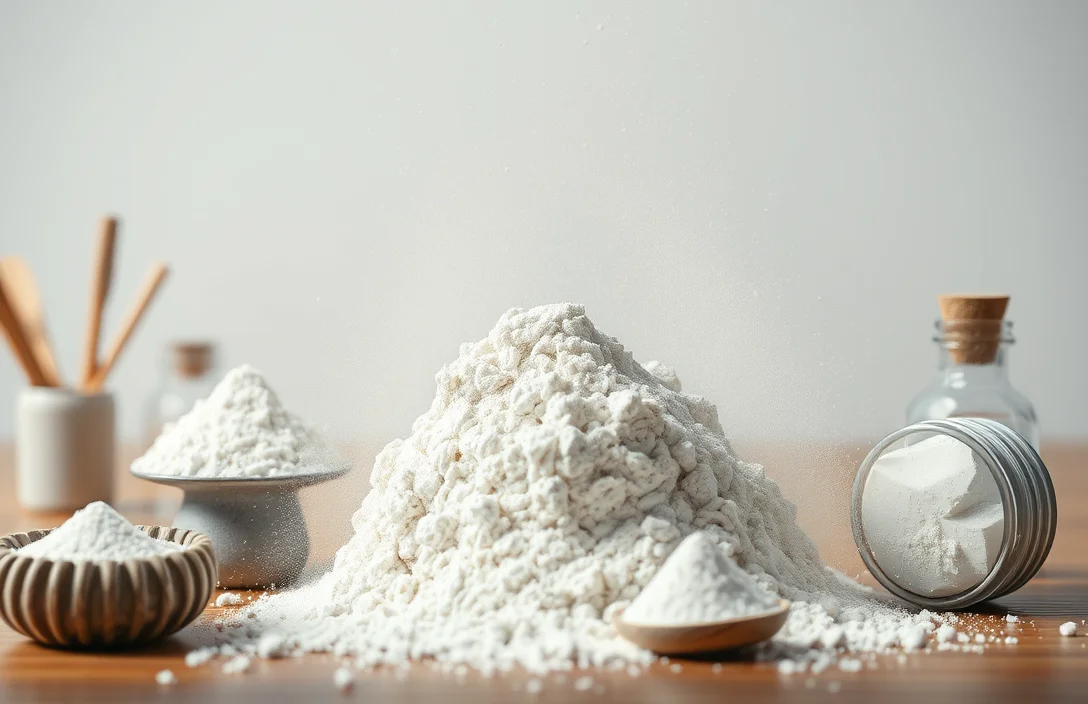
Texture powder is a versatile styling product designed to enhance the volume and texture of hair. Its purpose is to create a matte finish, providing grip and hold without the weight of traditional styling products.
Understanding its benefits and intended users can help you decide if it is the right choice for your hair care routine.
- Definition: Texture powder is typically made from lightweight ingredients such as silica or starch, which absorb excess oil and add body to the hair. It can be sprinkled directly onto the roots or worked through the lengths for added texture.
- Who Should Use It: Texture powder is especially beneficial for those with fine or flat hair types, as it gives an instant lift and creates the illusion of thicker hair. It can also work well for those with oily hair, as it helps to absorb excess oil and refresh styles between washes.
- Application: To use texture powder effectively, apply a small amount to dry hair, focusing on the roots for volume or throughout the lengths for a tousled look. Start with a little; you can always add more if needed.
- Considerations: While texture powder can enhance volume, it is important to use it sparingly. Overuse can lead to buildup on the scalp and hair, which may require a clarifying shampoo to remove.
Pros and Cons of Texture Powder
Before deciding whether texture powder belongs in your routine, it helps to see the full picture side by side. Here is a quick breakdown of what it does well and where it can cause problems if you are not careful.
| Pros | Cons |
|---|---|
| Adds instant volume and lift at the roots | Can build up on the scalp if not washed out regularly |
| Absorbs excess oil between washes | May dry out hair that is already damaged or chemically treated |
| Lightweight compared to gels, mousses, or waxes | Fine particles can irritate the nose or throat if inhaled |
| Gives a natural, matte finish with grip | Overapplication can leave hair feeling gritty or chalky |
Overall, the pros outweigh the cons for most people, as long as texture powder is used in moderation and washed out on a regular schedule rather than left to accumulate for days at a time.
What Are the Side Effects of Texture Powder?
Texture powder is generally safe for most people when used correctly, but overuse or improper application can lead to unwanted side effects. Most issues are temporary and can be prevented by using the product in moderation, washing it out regularly, and maintaining a healthy hair care routine.
Dryness and Moisture Loss
Texture powder absorbs excess oil to create volume and grip. While this improves styling, frequent use can remove too much natural oil, leaving the hair feeling dry, rough, or brittle, especially if your hair is already dry or chemically treated.
Product Buildup on the Scalp
Using texture powder repeatedly without washing can cause residue to accumulate on the scalp and hair. This buildup may make hair feel heavy, reduce shine, and interfere with other styling or conditioning products.
Scalp Irritation and Itching
Some people may experience mild itching, redness, or irritation after using texture powder, and this applies whether you are using a powder, a clay based product, or a combination of both. This is more likely if you have a sensitive scalp, use the product excessively, or are sensitive to certain ingredients or added fragrances. If itching continues after you switch to a fragrance free formula and wash it out on schedule, it is worth checking in with a dermatologist rather than continuing to guess.
Can Texture Powder Cause Acne or Breakouts?
Yes, it can, but it is not the powder itself that causes acne. What actually happens is similar to what dermatologists call pomade acne, where styling product residue settles along the hairline, forehead, and temples and clogs pores. This is more likely if you apply texture powder close to your fringe every day and do not wash your hairline thoroughly at night.
- Apply texture powder to the mid lengths and crown rather than directly along the hairline.
- Cleanse your hairline and forehead with a gentle face wash at night, not just your hair.
- If you already deal with acne along your forehead, consider a fragrance free, talc free formula and reduce use to two or three times per week.
Increased Hair Breakage
Texture powder does not damage the hair follicle, but dry, stiff hair is more likely to break during brushing or styling. Applying too much product or repeatedly restyling your hair can increase mechanical breakage.
Temporary Dullness
Because texture powders create a matte finish, hair may appear less shiny than usual. This effect is cosmetic and disappears after washing your hair.
Respiratory Irritation from Inhalation
Texture powder is designed for external use only. Accidentally inhaling the fine particles may irritate your nose, throat, or lungs and cause coughing or discomfort. Apply the product carefully in a well ventilated area and avoid creating airborne dust.
Is Texture Powder Toxic If Swallowed, and Is It Flammable?
Most texture powders are not toxic in the way people imagine, but they are not meant to be eaten. If a small amount of loose powder lands on food or gets into your mouth by accident, this is generally not an emergency, and you may just notice a dry feeling in your mouth. Rinse your mouth with water and drink some fluids. If you have concerns about a specific product, its ingredient label, or a larger amount was swallowed, contact a poison control center or your doctor for guidance rather than relying on general advice.
As for flammability, most texture powders are cosmetic products, not aerosols, so the loose powder itself is not considered a fire hazard in normal use. However, always check the label of your specific product, since some texturizing sprays use aerosol propellants that are flammable and should be kept away from open flame or heat sources.
Allergic Reactions
Although uncommon, some users may develop an allergic reaction to ingredients such as fragrances or preservatives. If you notice persistent redness, swelling, burning, or a rash, stop using the product and consult a healthcare professional.
How to Reduce the Risk of Side Effects
- Discontinue use if irritation or an allergic reaction occurs.
- Use only a small amount of texture powder.
- Wash your hair regularly to remove buildup.
- Moisturize dry or damaged hair with a conditioner or leave-in treatment.
- Avoid inhaling the powder during application.
How Often Should You Wash Out Texture Powder?
Texture powder should be washed out after each day of use or at least within 24 to 48 hours. While occasional use is unlikely to harm your hair, leaving the product on the scalp for several days can lead to buildup, dryness, and reduced hair health. The ideal washing frequency depends on your hair type, scalp condition, and how often you use styling products.
Wash It Out After Heavy Use
If you apply a generous amount of texture powder or reapply it throughout the day, wash your hair before going to bed or the next day. This helps remove excess residue and keeps your scalp clean.
Can You Sleep With Texture Powder in Your Hair?
Sleeping with texture powder in your hair once in a while is not a big deal and is unlikely to cause any lasting harm. That said, it is not a habit worth building for a few practical reasons. Overnight, the powder can transfer onto your pillowcase, mix with your natural oils, and settle further into your scalp, which makes buildup more likely by the next wash. Some people also wake up with a slightly itchy or tight feeling scalp after sleeping in product, even if they do not normally react to it during the day.
- If you fall asleep with texture powder in occasionally, simply wash it out with your regular shampoo the next morning.
- If you plan to sleep in it regularly, consider using a satin or silk pillowcase to reduce friction and product transfer.
- Do not layer fresh texture powder on top of powder you already slept in without washing first, since this speeds up buildup considerably.
Fine or Oily Hair May Need More Frequent Washing
People with fine or oily hair often use texture powder to absorb excess sebum. Washing after each use prevents buildup that can weigh hair down and make it look dull.
Dry or Curly Hair Can Wait Slightly Longer
If you have dry, curly, or textured hair, you may not need to shampoo every day. However, texture powder should still be removed within 24 to 48 hours using a gentle shampoo or cleansing routine to avoid excessive dryness and residue. Curly hair in particular is more prone to dryness to begin with, so if you notice your curls feel crunchy or your scalp feels tight after applying texture powder, cut back to once or twice a week and follow up with a moisturizing conditioner every time you wash it out.
Always Wash Before Reapplying for Several Days
Avoid layering fresh texture powder on top of old product for multiple days. Repeated application without cleansing increases buildup, makes styling less effective, and may contribute to scalp irritation.
Use a Gentle Shampoo to Remove Residue
Most texture powders wash out easily with a mild shampoo. If you notice stubborn buildup, use a clarifying shampoo occasionally, followed by a moisturizing conditioner to restore hydration.
Signs It’s Time to Wash Out Texture Powder
Wash your hair as soon as you notice any of these signs:
- Hair feels stiff or sticky.
- The scalp becomes itchy or irritated.
- Hair looks dull instead of voluminous.
- White residue or visible buildup appears.
- Styling products stop working effectively after application.
Texture Powder vs. Hair Clay: Which Is Better for Your Hair?
A lot of readers ask whether texture powder or hair clay is the gentler option, especially if they already deal with an itchy or sensitive scalp. Neither one is inherently worse, but they work differently and suit different hair goals.
| Feature | Texture Powder | Hair Clay |
|---|---|---|
| Texture | Lightweight, dry powder | Thick, paste like |
| Best for | Fine or flat hair needing volume | Thicker hair needing matte hold |
| Buildup risk | Lower if washed out regularly | Higher due to thicker residue |
| Scalp irritation risk | Possible with fragranced formulas | Possible, especially with heavy application |
If your scalp gets itchy with one and not the other, that usually points to a specific ingredient or fragrance rather than the product category itself. Try switching to a fragrance free version of whichever one is bothering you before ruling out the entire product type.
[IMAGE PLACEHOLDER: Side by side comparison of texture powder and hair clay in small jars or containers]
1. Identifying Your Hair Type
Understanding your hair type is essential for selecting the right products, including texture powders.
Different hair types react differently to various ingredients, which can influence the health and appearance of your hair. By identifying your specific hair type, you can make informed decisions about whether texture powder is suitable for you.

- Assess Your Hair Texture: Hair texture can be categorized as straight, wavy, curly, or coily. To determine your texture, let your hair air dry without any products. Observe how your strands fall and form patterns. Texture powders may work better on certain textures, such as fine or straight hair, which may benefit from added volume. Curly hair can still use texture powder, but it works best applied sparingly to the roots and paired with a moisturizing routine, since curly strands are naturally more prone to dryness.
- Evaluate Your Hair Thickness: Hair thickness refers to the diameter of individual strands and can be classified as fine, medium, or thick. Fine hair may become weighed down by heavier products, while thick hair might benefit from the volume and texture that powders provide. Use a single strand of your hair to compare it against a sewing thread; this can help you gauge thickness.
- Consider Your Hair Condition: Assess whether your hair is healthy, damaged, or chemically treated. Damaged hair may require more gentle products, while healthy hair can often tolerate a variety of styling aids, including texture powders. If your hair is prone to dryness or breakage, you may want to limit the use of texture powders. This also applies to color-treated or bleached hair, including blonde hair, since chemically lightened strands are already more porous and can dry out faster if texture powder is used daily without extra conditioning.
- Identify Your Scalp Type: Your scalp type can also affect how products perform. Oily scalps may benefit from texture powders that help absorb excess oil, while dry scalps might react negatively to overly drying ingredients found in some powders. Pay attention to how your scalp feels after using products to determine its needs.
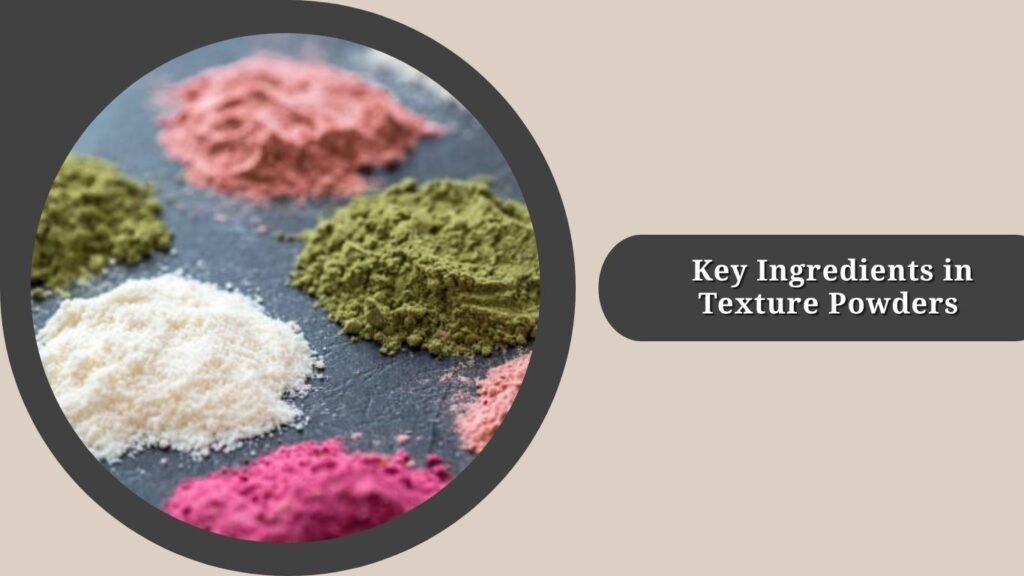
2. Key Ingredients in Texture Powders
Understanding the key ingredients in texture powders is essential for determining their impact on hair health.

Each component plays a distinct role and can offer various benefits while also presenting potential drawbacks depending on your hair type.
| Item | Amount/Specification | Notes |
|---|---|---|
| Talc | Varies | Absorbs oil and adds volume; may cause buildup and dryness over time. |
| Silica | Usually 1-5% | Provides a lightweight texture; considered safe on hair when used as directed, and helps control shine without heavy residue. |
| Starch (Corn or Rice) | Varies | Natural absorbent; less drying than talc, good for fine or oily hair. |
| Kaolin Clay | Varies | Gentle exfoliant; helps absorb excess oil without stripping moisture. |
| Fragrance | Varies | Provides scent; could irritate sensitive scalps. |
- Always patch test new products to avoid allergic reactions.
- Use texture powders sparingly to prevent buildup, especially on dry hair types.
- If you have a sensitive scalp, opt for fragrance-free formulas to minimize irritation.
How to Apply Texture Powder
Applying texture powder correctly can enhance your hairstyle while minimizing potential damage. This guide will walk you through essential steps to prep your hair and techniques for application, ensuring you get the most out of this styling product without compromising hair health.

- Start with clean hair: Begin by washing your hair with a gentle shampoo and conditioner suited for your hair type. This works best for oily to combination hair, as texture powder can absorb excess oil, adding volume and texture. Make sure to thoroughly rinse out any product residue.
- Dry your hair: Towel-dry your hair gently to remove excess moisture, then allow it to air dry or use a blow dryer on a low heat setting. Applying texture powder to completely dry hair will help achieve the best results, as dampness can cause clumping and reduce the powder’s effectiveness.

- Section your hair: Divide your hair into manageable sections using clips. This allows for even application and ensures that the texture powder reaches every part of your hair. Start from the back and work your way to the front for a balanced look.
- Apply the texture powder: Hold the texture powder about 6-8 inches away from your scalp. Lightly sprinkle or puff the powder onto the roots and mid-lengths of your hair. Be cautious not to overapply, as too much product can lead to a heavy or gritty feel.
- Distribute evenly: Use your fingers to gently work the powder into your hair, focusing on the roots for lift and the lengths for added texture. Avoid using a brush immediately, as this can make the hair look flat. Instead, style with your fingers for a more natural look.
- Finish with styling: Once the texture powder is evenly distributed, style your hair as desired. You can create tousled waves, a messy bun, or volume at the roots. If necessary, you can add a light hairspray to hold your style in place.
Mistakes to Avoid with Texture Powder
Understanding the common mistakes associated with texture powder is crucial for maintaining healthy hair.
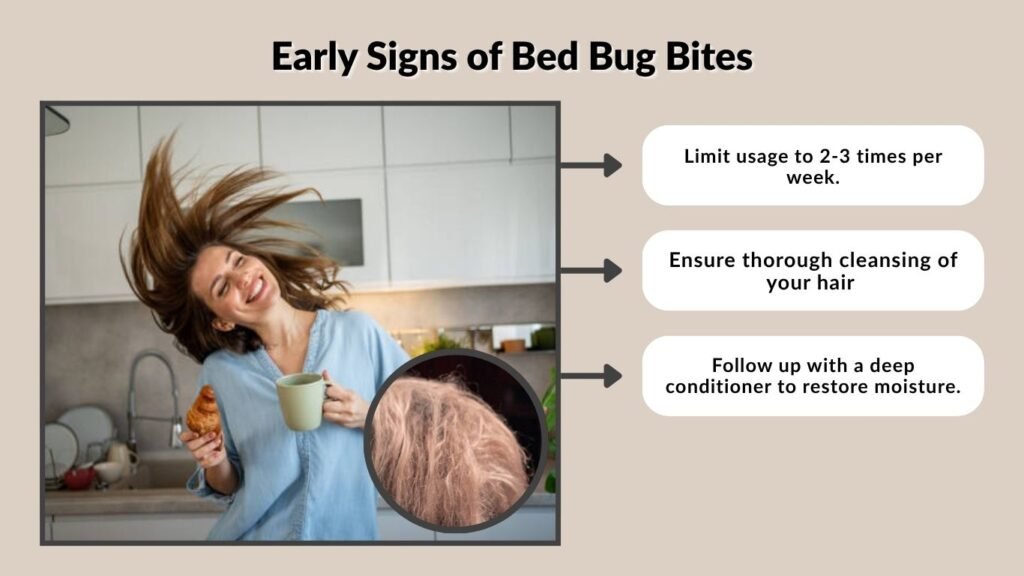
These errors can lead to unwanted buildup, dryness, or damage, ultimately undermining the benefits of this styling product. Here are key pitfalls to avoid to keep your hair looking its best.
Overuse Risks
Using texture powder too frequently, including every single day, can lead to excessive buildup on the scalp and hair. This can result in dullness, dryness, and even irritation. To prevent these issues, consider the following:
- Limit usage to 2-3 times per week.
- Ensure thorough cleansing of your hair with a clarifying shampoo to remove buildup.
- Follow up with a deep conditioner to restore moisture.
Incorrect Application
Applying texture powder incorrectly can also lead to less-than-ideal results. To make the most of this product, keep these tips in mind:
- Always apply to dry hair for optimal volume and texture.
- Avoid applying directly to the scalp or hairline; instead, sprinkle on the mid-lengths to ends.
- Start with a small amount and build up gradually to prevent a weighed-down appearance.
“Stylist tip: Always shake the powder before use and distribute it evenly to avoid clumps.”
By avoiding these mistakes, you can enjoy the benefits of texture powder without compromising your hair health.
Is Texture Powder Safe for Kids or Sensitive Scalps?
Texture powder is generally formulated with adult hair and styling in mind, so it is not typically recommended for young children unless a product is specifically made for them and used under adult supervision. Children are more likely to inhale the fine powder or get it in their eyes during application, which is the main safety concern rather than the ingredients themselves.
If your child has a condition like eczema or another sensitive skin condition on the scalp, it is best to check with a pediatrician or dermatologist before introducing any new styling product, including texture powder. In general:
- Choose a fragrance free, talc free formula if you do decide to use texture powder on a child or a sensitive scalp.
- Patch test on a small section of skin first and wait 24 hours before full use.
- Apply in a well ventilated area, away from the face, to avoid inhalation.
- Stop use immediately if you notice redness, flaking, or increased itching.
Budget-Friendly Alternatives
Exploring budget-friendly alternatives to texture powder can help you achieve the desired volume and texture without compromising your hair’s health. Here are some drugstore options and DIY recipes that can be effective and affordable.
Drugstore Options
- Not Your Mother’s Clean Freak Dry Shampoo – Typically around $8. This dry shampoo absorbs oil and adds texture, ideal for oily to combination hair types.
- Batiste Dry Shampoo – Priced around $8. Known for its variety of scents and formulations, it can refresh hair and provide volume.
- OGX Moroccan Argan Oil Texture Spray – Approximately $10. This product adds texture while providing moisture, suitable for dry to normal hair types.
DIY Recipes
Creating your own texture powder can be simple and cost-effective. Here are two easy recipes:
Mix equal parts of cornstarch and baking soda for a basic texture powder. This works best for oily to combination hair types and helps absorb excess oil.
For a scented version, combine 1 tablespoon of cornstarch with 1 teaspoon of your favorite essential oil. This adds a pleasant fragrance while maintaining texture.
Comparison Table
| Product | Price | Key Ingredient | Best For |
|---|---|---|---|
| Not Your Mother’s Clean Freak Dry Shampoo | $8 | Rice Starch | Oily to Combination Hair |
| Batiste Dry Shampoo | $8 | Starch | All Hair Types |
| OGX Moroccan Argan Oil Texture Spray | $10 | Argan Oil | Dry to Normal Hair |
Expert Tips for Best Results
To maximize the benefits of texture powder while minimizing any potential damage to your hair, it’s essential to use it correctly and pair it with the right products. This section provides practical styling tips and product combinations for achieving the best results with texture powder.
Styling Tips
- Apply on Dry Hair: Texture powder works best on dry hair, as it helps absorb excess oil and provides grip. Start with clean, dry hair to ensure optimal styling results.
- Use Sparingly: A little goes a long way. Start with a small amount of texture powder and build up as needed. Overuse can lead to a chalky appearance and may weigh down your hair.
- Focus on Roots: For added volume, concentrate the application at the roots. This technique lifts hair away from the scalp, creating a fuller look without heavy styling products.
Product Combinations
- Pair with Lightweight Mousse: For added hold and volume, combine texture powder with a lightweight mousse. Apply the mousse first, then sprinkle the texture powder for a layered effect.
- Don’t Mix with Heavy Oils: Avoid using texture powder with heavy oils or serums, as they can counteract the powder’s volumizing effects. Stick to light styling creams if you need moisture.
- Finish with Hairspray: For a lasting style, apply a light mist of hairspray after using texture powder. This locks in the texture without making the hair feel stiff.
Quick Summary
- Texture powder is not inherently bad: It can add volume and grip to hair when used correctly.
- Potential for buildup: Frequent use, including sleeping in it regularly, can lead to residue that weighs hair down.
- Scalp health matters: Ensure proper cleansing to avoid clogged follicles and keep it away from your hairline to reduce the risk of breakouts.
- Choose quality products: Opt for powders with natural ingredients to minimize damage.
- Application technique is key: Use sparingly and focus on roots for best results.
| Routine | Time |
|---|---|
| Morning Routine | 30 seconds each |
| 1. Cleanse hair | |
| 2. Apply texture powder | |
| 3. Style as desired | |
| Evening Routine | |
| 1. Remove product with shampoo | |
| 2. Condition hair |
Frequently Asked Questions
Is texture powder bad for your hair?
No, texture powder is not bad for your hair when used correctly and washed out regularly. Overuse can cause product buildup, dryness, and increased hair breakage.
Does texture powder damage hair?
Texture powder does not directly damage healthy hair, but frequent use without cleansing may dry the hair and make it more prone to breakage. Using a moisturizing routine helps reduce this risk.
Can texture powder make your hair fall out?
Texture powder does not cause permanent hair loss or damage hair follicles. However, buildup and excessive friction during styling may lead to temporary shedding or broken hairs.
Is texture powder healthy?
Texture powder is a cosmetic styling product, not a health product. Most formulas are considered safe when used as directed and removed with regular shampooing.
Is texture powder toxic?
Most commercially available texture powders are not toxic when used externally as intended. They should not be swallowed or intentionally inhaled.
What happens if you inhale texture powder?
Accidentally inhaling texture powder may irritate your nose, throat, or lungs and cause coughing or discomfort. Use the product in a well-ventilated area and avoid creating airborne dust.
Can kids use texture powder?
Texture powder is generally not recommended for young children unless specifically formulated for them and used under adult supervision. Children are more likely to inhale the fine powder.
Is silica in texture powder dangerous?
Silica used in cosmetic hair products is generally considered safe when applied to the hair as directed. Avoid inhaling loose powder and keep it away from your eyes.
Is it bad to sleep with texture powder in your hair?
Sleeping with texture powder in your hair occasionally is not harmful, but doing it regularly can speed up buildup and product transfer onto your pillowcase. Wash it out the next morning and consider a satin pillowcase if this is a regular habit.
Is texture powder flammable?
Loose texture powder itself is not typically considered a fire hazard, but always check your specific product’s label, especially for texturizing sprays that use aerosol propellants.
What happens if I accidentally swallow texture powder?
A small accidental amount, such as loose powder landing on food, is generally not dangerous and may just cause a dry feeling in your mouth. Rinse with water and contact poison control or a doctor if you have concerns or swallowed a larger amount.
Is texture powder or hair clay worse for your hair?
Neither is inherently worse. Texture powder is lighter and lower buildup risk, while hair clay offers a stronger matte hold but builds up faster. The better choice depends on your hair type and how well your scalp tolerates each formula.
Can texture powder cause acne along my hairline?
Yes, if it is applied too close to the hairline or forehead every day without proper cleansing at night. This is similar to pomade acne from other styling products. Apply texture powder to the mid lengths instead of the roots near your face, and wash your hairline nightly.
Does texture powder damage color-treated or blonde hair?
Texture powder does not strip hair color, but color-treated and bleached hair is already more porous and prone to dryness, so daily use without extra conditioning can make dryness worse. Limit use to two or three times per week and follow with a moisturizing conditioner.
This article contains affiliate links. If you make a purchase through one of these links, we may earn a small commission at no extra cost to you.
loose powder because repeated inhalation of fine particles may irritate the respiratory system.
Can I use texture powder every day?
You can use texture powder daily, but frequent use may lead to buildup and dryness if it is not washed out. For healthier hair, use it in moderation and cleanse your scalp regularly.

- 10 Best Hair Oil For Natural Hair Buyer Guide 2026 - October 25, 2026
- 10 Best Hair Oil For New Hair Growth Buyer Guide 2026 - October 25, 2026
- 10 Best Hair Oil For New Born Baby Buyer Guide 2026 - October 25, 2026