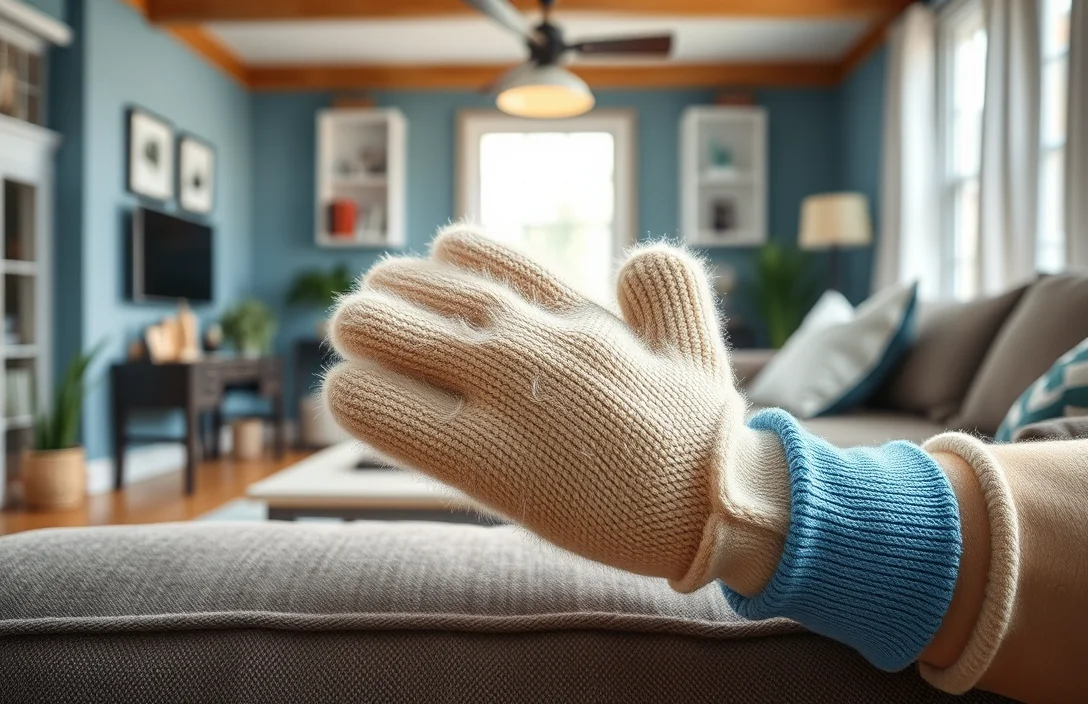
7 Tips for Using Pet Hair Remover Gloves on Your Furniture
Struggling with pesky pet hair on your furniture? You’re not alone. Many of us love our furry friends but dislike the mess they leave behind. Keeping your space clean is crucial for maintaining a fresh environment, especially if you have skin concerns that are exacerbated by allergens and dust.
The solution lies in pet hair remover gloves, which effectively lift hair from various surfaces. Look for options with silicone bristles for optimal performance, and consider those that are machine washable for easy care. Best for: all skin types. Use caution if: you have sensitive skin or allergies to certain materials.
Importance of Pet Hair Removal
Removing pet hair from furniture is essential not only for aesthetic reasons but also for health considerations. This section highlights why it matters to keep your living space free from pet hair, who benefits from it, and the implications for overall maintenance.
- Health considerations: Pet hair can trap allergens, dust, and dander, which may exacerbate respiratory issues, especially for individuals with allergies or asthma. Regular removal helps maintain a cleaner environment, reducing the likelihood of allergic reactions.
- Aesthetics: Furniture covered in pet hair can appear unkempt and less inviting. Keeping your furniture clean not only enhances the overall look of your home but also reflects your care for your living space.
- Maintenance: Accumulated pet hair can lead to the wear and tear of upholstery materials over time. Regular cleaning helps preserve the fabric’s integrity and prolongs the lifespan of your furniture, saving you money in the long run.
- Convenience: Using a pet hair remover glove makes the cleaning process quick and easy. These gloves allow you to effectively gather and remove hair without the need for bulky vacuums or brushes, making it ideal for quick clean-ups.
Identifying Furniture Materials
Understanding the materials used in your furniture is crucial for selecting the right pet hair remover glove. Different fabrics have unique care requirements, and using the wrong method can damage your furniture or fail to effectively remove pet hair.
Fabric Types
Here are some common furniture materials and their characteristics:
- Leather: Durable and easy to clean, but can be sensitive to harsh chemicals. Use gloves gently on this material.
- Microfiber: Known for its soft texture and stain resistance. Pet hair adheres to it easily, making it a great match for removal gloves.
- Cotton: Breathable and comfortable, but may require more frequent cleaning. Gloves can be effective but ensure they are gentle to avoid fraying.
- Polyester: Durable and often stain-resistant; gloves work well without causing damage.
- Velvet: Luxurious but delicate; use gloves with caution to prevent damage to the fabric’s texture.
Care Requirements
Proper care of your furniture material can enhance longevity and appearance. Here are some tips:
| Material | Care Tips |
|---|---|
| Leather | Wipe with a damp cloth; avoid excess water. |
| Microfiber | Vacuum regularly; use a mild soap solution for stains. |
| Cotton | Machine wash if removable; spot clean as needed. |
| Polyester | Vacuum and clean with a damp cloth; avoid bleach. |
| Velvet | Brush with a soft brush; avoid water. |
Expert tip: Always test a small hidden area with your pet hair remover glove to ensure compatibility with your furniture material before full use.
How Pet Hair Remover Gloves Work
This section explores the science behind pet hair remover gloves, focusing on how they effectively remove hair from furniture. Understanding the mechanisms of static electricity and the glove’s texture can help you maximize their cleaning power.
- Static Electricity: Pet hair remover gloves utilize static electricity to attract and lift pet hair from surfaces. When you rub the gloves against your furniture, friction generates a static charge, which causes the hair to cling to the glove instead of falling back onto the surface. This method is particularly effective for upholstery, where hair tends to get embedded.
- Texture of Gloves: The specific texture of these gloves plays a critical role in their effectiveness. Most gloves are made from rubber or silicone, featuring raised nubs or ridges. These textures not only create more friction, enhancing the static charge but also physically grab onto the pet hair, making it easier to pull away from the fabric of your furniture.
- Versatility on Different Materials: The combination of static electricity and textured surfaces means that these gloves can work well on various furniture materials, from fabric to leather. While they are safe for most surfaces, it’s always advisable to test a small, inconspicuous area first to ensure no damage occurs.
Using Gloves Effectively
Knowing how to properly use pet hair remover gloves can make a significant difference in maintaining your furniture. This section provides a straightforward step-by-step guide on preparation and technique to ensure you achieve the best results while keeping your furniture fur-free.
- Preparation: Before you start, gather your pet hair remover gloves and make sure your furniture is free from any large debris. It’s best to work on clean surfaces, so consider vacuuming or wiping down the area first. This will allow the gloves to work more effectively.
- Put on the Gloves: Wear the pet hair remover gloves on both hands for maximum efficiency. Ensure a snug fit, as loose gloves may hinder your ability to grasp and remove hair effectively. Check for any tears or damage before use to avoid frustration during cleaning.
- Use the Right Technique: Start at one end of the furniture piece and gently rub the glove over the surface in a sweeping motion. For upholstered items, use circular motions to help lift the hair from the fabric fibers. For smoother surfaces, a straight back-and-forth motion may be more effective.
- Check Your Progress: Periodically stop to check how much pet hair you’ve collected. This will help you gauge your effectiveness and ensure you’re not missing any areas. If necessary, adjust your technique or apply more pressure to stubborn spots.
- Clean the Gloves: After use, remove the hair collected on the gloves by shaking it out or rinsing with water. For tougher residues, you can use a lint roller or a damp cloth to wipe them down. Keeping the gloves clean will prolong their lifespan and effectiveness.
Avoiding Common Mistakes
When using pet hair remover gloves on furniture, it’s crucial to avoid common pitfalls that can hinder your cleaning efforts. Understanding the correct application technique and taking fabric care into account can significantly improve your results and protect your furniture.
- Incorrect Pressure: Applying too much pressure while using pet hair remover gloves can lead to damage on delicate fabrics. Instead, use gentle, sweeping motions to lift hair without risking wear and tear on your furniture. This approach works best for all fabric types, including upholstery and leather.
- Ignoring Fabric Care: Not all fabrics react the same way to cleaning techniques. Before using the glove, check the care label on your furniture to ensure compatibility. For example, some synthetic fibers may be more resistant to hair accumulation, while natural fibers might require a softer touch to avoid fraying.
- Neglecting to Clean the Gloves: After several uses, pet hair can accumulate on the gloves themselves, reducing their effectiveness. Make sure to regularly wash or clean your gloves according to the manufacturer’s instructions, ensuring they remain effective in removing hair from furniture.
- Using Gloves on Wet Surfaces: Avoid using pet hair remover gloves on damp or wet surfaces, as this can lead to hair clumping and ineffective removal. Always ensure that the furniture is dry before starting your cleaning routine for optimal results.
Budget-Friendly Alternatives
Finding effective pet hair removal tools doesn’t have to break the bank. There are several budget-friendly alternatives and DIY methods that can effectively remove pet hair from furniture without the need for expensive specialized gloves.
Homemade Tools
Creating your own pet hair removal tools can be simple and cost-effective. Here are some easy options:
- Rubber Glove Method: Dampen a rubber glove and run your hand over the furniture. The hair will stick to the glove, making it easy to gather and dispose of.
- Lint Roller Alternative: Use sticky tape wrapped around your hand, sticky side out, to lift hair from surfaces.
- Fabric Softener Spray: Mix equal parts fabric softener and water in a spray bottle. Lightly mist the furniture and wipe with a microfiber cloth to gather hair.
Cost-Effective Gloves
If you’re looking for budget-friendly pet hair remover gloves, consider these options:
| Product | Price | Key Feature | Best For |
|---|---|---|---|
| Pet Hair Remover Glove A | $10 | Silicone bristles | Short hair pets |
| Pet Hair Remover Glove B | $12 | Double-sided | Long hair pets |
| DIY Rubber Glove | Free | Any rubber glove | All pets |
Expert tip: Always keep a pair of rubber gloves handy for quick clean-ups. They’re versatile and can be used in various cleaning tasks around the house.
Expert Tips for Best Results
To maximize the effectiveness of your pet hair remover gloves for furniture, establishing a routine and using supplemental tools can significantly enhance your cleaning results. These tips will help ensure you maintain a fur-free environment and keep your furniture looking its best.
Routine Cleaning
Consistency is key when it comes to pet hair removal. Incorporate the following steps into your cleaning routine:
- Use the pet hair remover gloves weekly to prevent buildup.
- Wipe down furniture surfaces before they accumulate too much hair.
- Follow up with a damp microfiber cloth to pick up any remaining particles.
Supplemental Tools
While gloves are effective, combining them with other tools can yield even better results:
- Lint Rollers: Great for quick touch-ups on upholstery.
- Vacuum with Pet Hair Attachment: Use after gloves for deep cleaning.
- Microfiber Cloths: Perfect for dusting and removing allergens.
“For optimum results, use gloves in conjunction with a vacuum at least twice a month to keep pet hair at bay.”
By following these expert tips, you can ensure a lasting and efficient cleaning routine that keeps your furniture and environment free from pet hair, making your living space more enjoyable for everyone.
Quick Summary
- Effective design: Pet hair remover gloves feature rubber bristles that attract and collect hair easily.
- Multi-surface use: Ideal for furniture, clothing, and even car interiors, ensuring versatility.
- Easy cleaning: Simply rinse or shake off collected hair for quick maintenance.
- Gentle on fabrics: Designed to be safe for various materials without causing damage.
- Eco-friendly option: Reusable gloves reduce the need for disposable lint rollers.
| Feature | Benefit |
|---|---|
| Rubber bristles | Effective hair removal |
| Reusable | Cost-effective and eco-friendly |
| Multi-surface | Versatile cleaning |
Frequently Asked Questions
How long until I see results?
You can expect to see results immediately after using the pet hair remover glove, as it effectively collects hair and debris with just a few swipes.
Can I use this if I have sensitive/acne-prone skin?
Yes, the pet hair remover glove is designed to be gentle on surfaces and won’t irritate your skin, making it safe even for those with sensitive or acne-prone skin.
What’s the difference between pet hair remover gloves and lint rollers?
The main difference is that pet hair remover gloves use a rubberized surface to attract and collect hair, while lint rollers rely on sticky sheets that can leave residue.
Do I really need a pet hair remover glove?
If you have pets, a pet hair remover glove can significantly reduce the amount of hair on your furniture, making cleaning easier and more efficient.
Is the expensive version worth it vs the drugstore version?
The expensive versions often feature better materials and durability, but many drugstore options effectively do the job, so you can choose based on your budget and preference.

- Does Summer Really Boost Hair Growth Speed? Insights and Facts - March 31, 2026
- Medium Hairstyles for School: 25 Best Looks That Are Easy - March 31, 2026
- Hairstyles for Medium Hair for School: Easy and Stylish - March 31, 2026