Is Texture Powder Bad for Hair? 7 Key Insights for Healthy Locks
Struggling with whether texture powder is bad for your hair? You’re not alone. Many people love the volume and grit it provides, but there are also concerns about its impact on hair health. Understanding how texture powder works and its ingredients can help you make an informed choice.
The quick answer is that texture powder can be beneficial for adding lift and texture, especially if it contains kaolin clay or silica. However, some formulations may lead to dryness or buildup.
Best for: Fine to normal hair types. Use caution if: You have dry or color-treated hair.
What is Texture Powder?
Texture powder is a versatile styling product designed to enhance the volume and texture of hair. Its purpose is to create a matte finish, providing grip and hold without the weight of traditional styling products. Understanding its benefits and intended users can help you decide if it’s the right choice for your hair care routine.
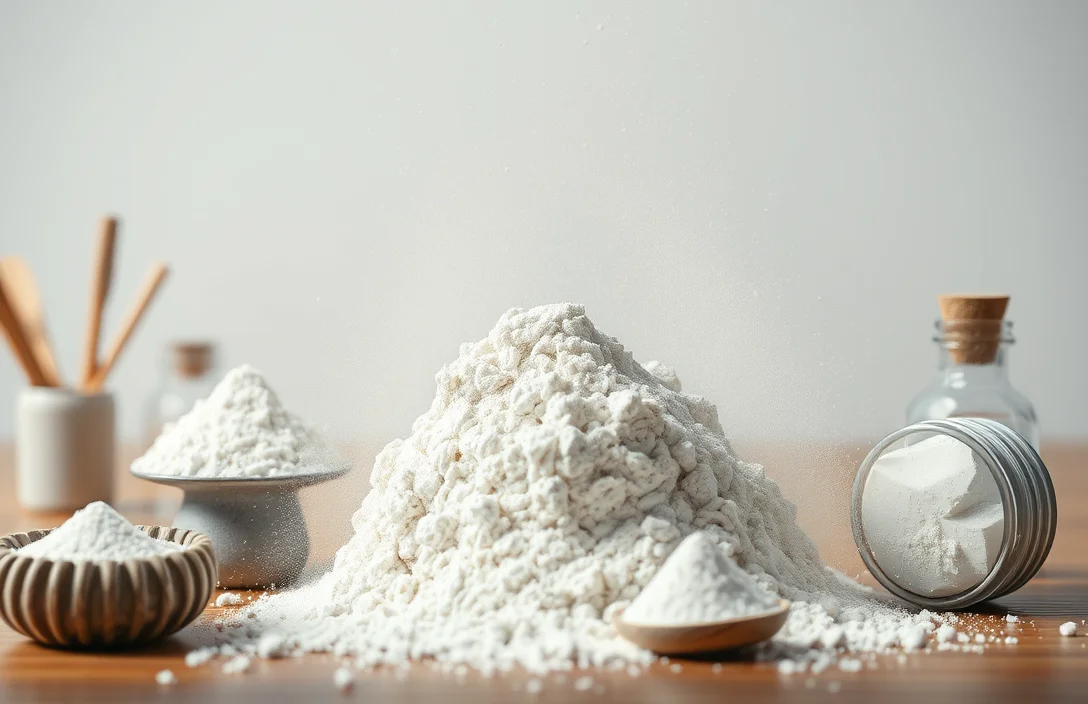
- Definition: Texture powder is typically made from lightweight ingredients such as silica or starch, which absorb excess oil and add body to the hair. It can be sprinkled directly onto the roots or worked through the lengths for added texture.
- Who Should Use It: Texture powder is especially beneficial for those with fine or flat hair types, as it gives an instant lift and creates the illusion of thicker hair. It can also work well for those with oily hair, as it helps to absorb excess oil and refresh styles between washes.
- Application: To use texture powder effectively, apply a small amount to dry hair, focusing on the roots for volume or throughout the lengths for a tousled look. Start with a little; you can always add more if needed.
- Considerations: While texture powder can enhance volume, it’s important to use it sparingly. Overuse can lead to buildup on the scalp and hair, which may require a clarifying shampoo to remove.
Identifying Your Hair Type
Understanding your hair type is essential for selecting the right products, including texture powders. Different hair types react differently to various ingredients, which can influence the health and appearance of your hair. By identifying your specific hair type, you can make informed decisions about whether texture powder is suitable for you.
- Assess Your Hair Texture: Hair texture can be categorized as straight, wavy, curly, or coily. To determine your texture, let your hair air dry without any products. Observe how your strands fall and form patterns. Texture powders may work better on certain textures, such as fine or straight hair, which may benefit from added volume.
- Evaluate Your Hair Thickness: Hair thickness refers to the diameter of individual strands and can be classified as fine, medium, or thick. Fine hair may become weighed down by heavier products, while thick hair might benefit from the volume and texture that powders provide. Use a single strand of your hair to compare it against a sewing thread; this can help you gauge thickness.
- Consider Your Hair Condition: Assess whether your hair is healthy, damaged, or chemically treated. Damaged hair may require more gentle products, while healthy hair can often tolerate a variety of styling aids, including texture powders. If your hair is prone to dryness or breakage, you may want to limit the use of texture powders.
- Identify Your Scalp Type: Your scalp type can also affect how products perform. Oily scalps may benefit from texture powders that help absorb excess oil, while dry scalps might react negatively to overly drying ingredients found in some powders. Pay attention to how your scalp feels after using products to determine its needs.
Key Ingredients in Texture Powders
Understanding the key ingredients in texture powders is essential for determining their impact on hair health. Each component plays a distinct role and can offer various benefits while also presenting potential drawbacks depending on your hair type.
| Item | Amount/Specification | Notes |
|---|---|---|
| Talc | Varies | Absorbs oil and adds volume; may cause buildup and dryness over time. |
| Silica | Usually 1-5% | Provides a lightweight texture; helps control shine without heavy residue. |
| Starch (Corn or Rice) | Varies | Natural absorbent; less drying than talc, good for fine or oily hair. |
| Kaolin Clay | Varies | Gentle exfoliant; helps absorb excess oil without stripping moisture. |
| Fragrance | Varies | Provides scent; could irritate sensitive scalps. |
- Always patch test new products to avoid allergic reactions.
- Use texture powders sparingly to prevent buildup, especially on dry hair types.
- If you have a sensitive scalp, opt for fragrance-free formulas to minimize irritation.
How to Apply Texture Powder
Applying texture powder correctly can enhance your hairstyle while minimizing potential damage. This guide will walk you through essential steps to prep your hair and techniques for application, ensuring you get the most out of this styling product without compromising hair health.
- Start with clean hair: Begin by washing your hair with a gentle shampoo and conditioner suited for your hair type. This works best for oily to combination hair, as texture powder can absorb excess oil, adding volume and texture. Make sure to thoroughly rinse out any product residue.
- Dry your hair: Towel-dry your hair gently to remove excess moisture, then allow it to air dry or use a blow dryer on a low heat setting. Applying texture powder to completely dry hair will help achieve the best results, as dampness can cause clumping and reduce the powder’s effectiveness.
- Section your hair: Divide your hair into manageable sections using clips. This allows for even application and ensures that the texture powder reaches every part of your hair. Start from the back and work your way to the front for a balanced look.
- Apply the texture powder: Hold the texture powder about 6-8 inches away from your scalp. Lightly sprinkle or puff the powder onto the roots and mid-lengths of your hair. Be cautious not to overapply, as too much product can lead to a heavy or gritty feel.
- Distribute evenly: Use your fingers to gently work the powder into your hair, focusing on the roots for lift and the lengths for added texture. Avoid using a brush immediately, as this can make the hair look flat. Instead, style with your fingers for a more natural look.
- Finish with styling: Once the texture powder is evenly distributed, style your hair as desired. You can create tousled waves, a messy bun, or volume at the roots. If necessary, you can add a light hairspray to hold your style in place.
Mistakes to Avoid with Texture Powder
Understanding the common mistakes associated with texture powder is crucial for maintaining healthy hair. These errors can lead to unwanted buildup, dryness, or damage, ultimately undermining the benefits of this styling product. Here are key pitfalls to avoid to keep your hair looking its best.
Overuse Risks
Using texture powder too frequently can lead to excessive buildup on the scalp and hair. This can result in dullness, dryness, and even irritation. To prevent these issues, consider the following:
- Limit usage to 2-3 times per week.
- Ensure thorough cleansing of your hair with a clarifying shampoo to remove buildup.
- Follow up with a deep conditioner to restore moisture.
Incorrect Application
Applying texture powder incorrectly can also lead to less-than-ideal results. To make the most of this product, keep these tips in mind:
- Always apply to dry hair for optimal volume and texture.
- Avoid applying directly to the scalp; instead, sprinkle on the mid-lengths to ends.
- Start with a small amount and build up gradually to prevent a weighed-down appearance.
“Stylist tip: Always shake the powder before use and distribute it evenly to avoid clumps.”
By avoiding these mistakes, you can enjoy the benefits of texture powder without compromising your hair health.
Budget-Friendly Alternatives
Exploring budget-friendly alternatives to texture powder can help you achieve the desired volume and texture without compromising your hair’s health. Here are some drugstore options and DIY recipes that can be effective and affordable.
Drugstore Options
- Not Your Mother’s Clean Freak Dry Shampoo – Typically around $8. This dry shampoo absorbs oil and adds texture, ideal for oily to combination hair types.
- Batiste Dry Shampoo – Priced around $8. Known for its variety of scents and formulations, it can refresh hair and provide volume.
- OGX Moroccan Argan Oil Texture Spray – Approximately $10. This product adds texture while providing moisture, suitable for dry to normal hair types.
DIY Recipes
Creating your own texture powder can be simple and cost-effective. Here are two easy recipes:
Mix equal parts of cornstarch and baking soda for a basic texture powder. This works best for oily to combination hair types and helps absorb excess oil.
For a scented version, combine 1 tablespoon of cornstarch with 1 teaspoon of your favorite essential oil. This adds a pleasant fragrance while maintaining texture.
Comparison Table
| Product | Price | Key Ingredient | Best For |
|---|---|---|---|
| Not Your Mother’s Clean Freak Dry Shampoo | $8 | Rice Starch | Oily to Combination Hair |
| Batiste Dry Shampoo | $8 | Starch | All Hair Types |
| OGX Moroccan Argan Oil Texture Spray | $10 | Argan Oil | Dry to Normal Hair |
Expert Tips for Best Results
To maximize the benefits of texture powder while minimizing any potential damage to your hair, it’s essential to use it correctly and pair it with the right products. This section provides practical styling tips and product combinations for achieving the best results with texture powder.
Styling Tips
- Apply on Dry Hair: Texture powder works best on dry hair, as it helps absorb excess oil and provides grip. Start with clean, dry hair to ensure optimal styling results.
- Use Sparingly: A little goes a long way. Start with a small amount of texture powder and build up as needed. Overuse can lead to a chalky appearance and may weigh down your hair.
- Focus on Roots: For added volume, concentrate the application at the roots. This technique lifts hair away from the scalp, creating a fuller look without heavy styling products.
Product Combinations
- Pair with Lightweight Mousse: For added hold and volume, combine texture powder with a lightweight mousse. Apply the mousse first, then sprinkle the texture powder for a layered effect.
- Don’t Mix with Heavy Oils: Avoid using texture powder with heavy oils or serums, as they can counteract the powder’s volumizing effects. Stick to light styling creams if you need moisture.
- Finish with Hairspray: For a lasting style, apply a light mist of hairspray after using texture powder. This locks in the texture without making the hair feel stiff.
Quick Summary
- Texture powder is not inherently bad: It can add volume and grip to hair when used correctly.
- Potential for buildup: Frequent use can lead to residue that weighs hair down.
- Scalp health matters: Ensure proper cleansing to avoid clogged follicles.
- Choose quality products: Opt for powders with natural ingredients to minimize damage.
- Application technique is key: Use sparingly and focus on roots for best results.
| Routine | Time |
|---|---|
| Morning Routine | 30 seconds each |
| 1. Cleanse hair | |
| 2. Apply texture powder | |
| 3. Style as desired | |
| Evening Routine | |
| 1. Remove product with shampoo | |
| 2. Condition hair |
Frequently Asked Questions
How long until I see results from using texture powder?
You can typically see results immediately after application, as texture powder adds volume and definition right away. However, consistent use may improve your styling routine over time.
Can I use texture powder if I have sensitive/acne-prone skin?
You can use texture powder, but be cautious as it may clog pores or irritate sensitive skin. Look for formulas that are labeled as non-comedogenic and free from harsh chemicals.
What’s the difference between texture powder and dry shampoo?
Texture powder primarily adds volume and texture to your hair, while dry shampoo absorbs oil and refreshes your scalp. Both can be used together, but they serve different purposes.
Do I really need texture powder for styling?
You don’t necessarily need texture powder, but it can significantly enhance volume and grip for better styling. If you have fine or limp hair, it can be a game-changer!
Is the expensive version of texture powder worth it vs the drugstore version?
The expensive versions often contain higher-quality ingredients and better formulations, which can lead to improved results. However, many drugstore options can be effective — it’s all about finding what works best for your hair type.

- Does Summer Really Boost Hair Growth Speed? Insights and Facts - March 31, 2026
- Medium Hairstyles for School: 25 Best Looks That Are Easy - March 31, 2026
- Hairstyles for Medium Hair for School: Easy and Stylish - March 31, 2026