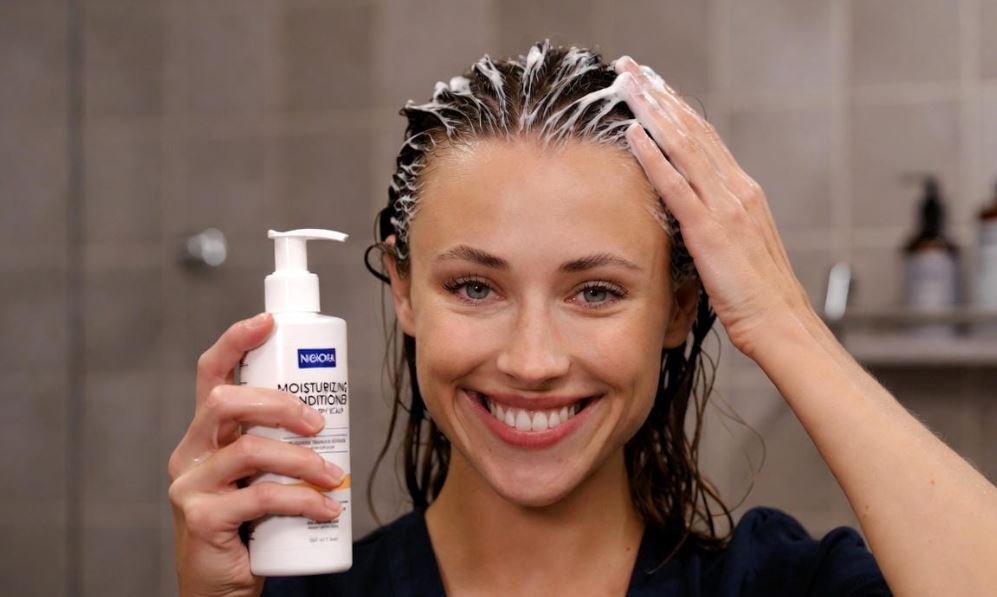
Do I Need a Conditioning Conditioner or a Moisturizing Conditioner?
You’re standing in front of the shelf and both bottles say “conditioner.” One says “moisturizing.” One doesn’t say much at all. You grab one, use it for a month, and still aren’t sure if it’s the right pick. This guide gives you a direct way to decide.
Quick Answer
A conditioning conditioner smooths and detangles. A moisturizing conditioner does the same job, plus it carries extra humectants and emollients to add hydration while it’s on your hair. Both rinse out. Neither replaces a leave-in or a moisturizer used after the shower.
-
- Hair feels rough or tangled after shampoo, but not dry overall: use a standard conditioning conditioner.
-
- Hair feels dry, tight, or dull even after conditioning: use a moisturizing conditioner.
-
- Hair is very dry, coarse, or textured: use a moisturizing conditioner, then a leave-in or moisturizer after your shower too.
What a Conditioning Conditioner Actually Does
A standard conditioning conditioner is built to fix what shampoo just did to your hair. Shampoo lifts the cuticle to clean the strand, and that leaves hair feeling rough and tangled. A conditioning conditioner coats the shaft with smoothing agents, silicones, quaternary ammonium compounds, and fatty alcohols, that flatten the cuticle back down. That’s the “slip” you feel when you apply it.
Its job is texture, not hydration. It makes hair easier to comb, cuts down on frizz for the day, and gives you shine by smoothing the surface so light reflects evenly. It does not meaningfully increase the water content inside the hair strand.
What a Moisturizing Conditioner Actually Does
A moisturizing conditioner does everything a standard conditioner does, but the formula shifts toward hydration. It carries more humectants, glycerin, aloe vera, panthenol, that attract water to the hair while it’s rinsing, along with more oils and butters that help hold some of that moisture during the short time the product sits on your hair.
It’s still a rinse-out product. The extra hydration boost only lasts for the few minutes the conditioner is in contact with your hair, plus whatever residue survives the rinse. It’s a stronger version of a conditioning step, not a substitute for a leave-in or moisturizer.
How to Tell Which One Your Hair Needs
Don’t guess from the label. Test your hair instead.
The wet-hair check
Right after you shampoo, before conditioner, run your fingers through your hair. If it feels rough and tangled but not dry, a standard conditioning conditioner is enough. If it feels dry, straw-like, or your fingers catch on every strand, your hair needs the extra hydration a moisturizing conditioner provides.
The next-day check
Look at your hair a day after washing. If it still looks smooth and feels soft, your current conditioner is doing its job. If it looks dull, feels rough, or frizzes up within hours, your conditioner isn’t hydrating enough, switch to a moisturizing formula.
The hair type shortcut
-
- Fine or oily hair: Standard conditioning conditioner. Moisturizing formulas are usually too heavy and weigh hair down.
-
- Normal hair, no major dryness: Standard conditioning conditioner works fine for most washes.
-
- Dry, coarse, or color-treated hair: Moisturizing conditioner, most washes.
-
- Curly, coily, or textured hair: Moisturizing conditioner almost always, since this hair type loses moisture the fastest.
Why a Moisturizing Conditioner Isn’t a Full Moisturizing Routine
This is where most people get it wrong. A moisturizing conditioner sounds like it should cover your hydration needs for the day. It doesn’t. It’s still rinsed out after a few minutes, so most of the hydration it delivers goes down the drain with it.
If your hair is dry enough to need a moisturizing conditioner in the shower, it’s usually dry enough to need a leave-in conditioner or moisturizer after the shower too. Use the moisturizing conditioner to soften the wash step, then follow up with a product that actually stays on your hair to carry that hydration through the day.
A simple two-step routine for dry hair looks like this:
-
- Wash with shampoo, then apply a moisturizing conditioner and rinse.
-
- On damp hair, apply a leave-in conditioner or moisturizer that stays in.
Skipping step two is the most common reason people say a moisturizing conditioner “isn’t working.” It was never designed to work alone.
Reading the Label
Marketing words like “moisturizing,” “hydrating,” and “nourishing” aren’t regulated, so they don’t guarantee much on their own. Check the ingredient list instead.
-
- Look for glycerin, aloe vera, honey, or panthenol near the top of the list, these are the humectants doing the hydration work.
-
- Look for shea butter, coconut oil, or other named oils, these help hold onto some of that moisture.
-
- If the first few ingredients are mostly silicones and quaternary compounds with no humectants listed high up, it’s a conditioning formula, not a moisturizing one, regardless of what the front label claims.
Frequently Asked Questions
Can I use a moisturizing conditioner every wash day?
Yes, if your hair is dry, coarse, or textured. If your hair is fine or oily, using it every wash may leave hair feeling weighed down. Alternate with a standard conditioner if you notice that happening.
Will a moisturizing conditioner fix very dry hair on its own?
No. It helps, but it rinses out. Very dry hair needs a leave-in conditioner or moisturizer applied after the shower to keep hydration in the hair through the day.
Is a moisturizing conditioner the same as a deep conditioner?
No. A moisturizing conditioner is used every wash for 2-5 minutes. A deep conditioner is a more intensive treatment left on for 15-30 minutes, usually once a week, and penetrates further into the hair shaft.
What if my hair feels both dry and weak?
That’s usually a sign you need both moisture and protein, not just a moisturizing conditioner. Alternate a moisturizing conditioner with a protein conditioner every few weeks to keep hair balanced.
The Bottom Line
Pick a conditioning conditioner if your hair just needs smoothing after shampoo. Pick a moisturizing conditioner if your hair feels dry even after conditioning. Either way, treat it as one step in your routine, not the whole routine. Follow up with a leave-in or moisturizer if your hair needs hydration that lasts past the shower.

- Pre-Poo Treatments for Low Porosity Hair: 7 Essential Steps - September 20, 2026
- What To Avoid After Prp Hair Treatment? - August 28, 2026
- What Is The Malibu Treatment For Hair? - August 27, 2026