Understanding Hair Breakage: Causes, Prevention, and Treatment Stra…
Approximately 70% of women experience hair breakage at some point, leading to frizz, split ends, and overall damage. Knowing how to identify and treat this common issue can save your hair from further harm. Effective prevention strategies are essential for maintaining healthy locks.
Recognizing causes like heat styling, chemical treatments, and environmental factors is crucial. Implementing preventive measures such as using protective products and minimizing stress on hair can help. Regular trims and a balanced diet also play vital roles in promoting hair strength and resilience.
Common Causes of Hair Breakage
Heat styling tools contribute significantly to breakage. Devices like flat irons, curling wands, and blow dryers can weaken hair strands, especially when used frequently. Excessive heat strips moisture from the hair, leading to dryness and brittleness.
Chemical treatments dramatically increase breakage risks. Processes such as coloring, perming, or relaxing alter the hair’s structure, making it more susceptible to damage. Regular exposure to harsh chemicals weakens the bonds within the hair.
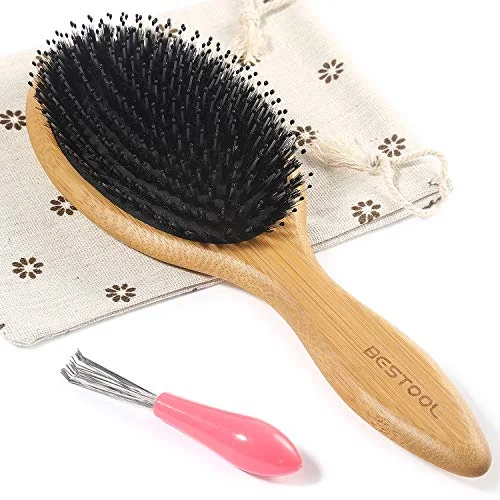
Improper brushing techniques can lead to unnecessary breakage. Using the wrong type of brush or comb, especially on wet hair, causes friction and pulls on strands. Gentle detangling is crucial to maintaining hair integrity.
Environmental factors also play a role in hair health. Sun exposure, pollution, and humidity can strip moisture and weaken hair. Protective measures, such as hats or UV protection sprays, can mitigate these effects.
Poor nutrition affects hair strength and resilience. Diets lacking essential vitamins and minerals, particularly biotin, vitamin E, and omega fatty acids, can lead to weak hair. A balanced diet supports overall hair health and helps prevent breakage.
Preventive Hair Care Tips
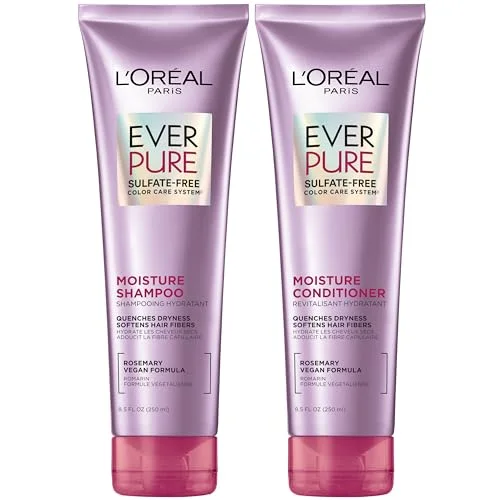
Moisture is essential for hair health. Hydrated strands are less likely to break, so incorporate a deep conditioning treatment into your routine at least once a week. Look for products that contain ingredients like shea butter, coconut oil, or argan oil, which help retain moisture and improve elasticity.
Regular trims can prevent split ends. Schedule a haircut every 6 to 8 weeks to remove damaged hair and maintain overall health. This proactive approach prevents breakage from traveling up the hair shaft, resulting in a more robust appearance.
Heat styling tools can weaken hair. Limit the use of blow dryers, curling irons, and straighteners to avoid damage. If necessary, apply a heat protectant spray to shield your strands from high temperatures, and always use tools on the lowest effective setting.
Protective hairstyles can reduce stress on hair. Styles that tuck away ends, like braids or buns, minimize exposure to environmental factors and tangling. Rotate different styles to give your hair breaks and prevent tension-related breakage.
Gentle handling is crucial for maintaining integrity. Use a wide-tooth comb on wet hair and avoid aggressive towel drying. Opt for a microfiber towel or an old t-shirt to absorb moisture without causing friction, which can lead to breakage.
Best Products for Strengthening Hair
Protein treatments effectively fortify strands, minimizing breakage. Products containing keratin, collagen, or wheat proteins penetrate the hair shaft, reinforcing its structure. Look for treatments that are specifically designed to restore strength while being gentle on your hair. Regular use can lead to noticeable improvements in resilience and shine.
Oils such as argan and jojoba nourish while sealing moisture. Both oils provide essential fatty acids that protect against damage and dryness. Applying these oils as a leave-in treatment or pre-wash can help maintain elasticity and reduce frizz. Incorporating these into your routine can significantly enhance hair health.
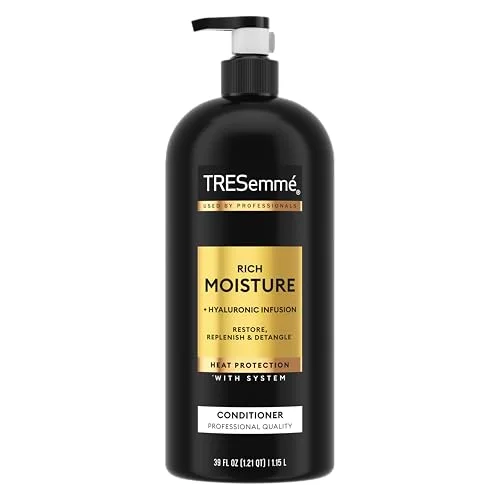
Deep conditioners deliver intense hydration, making them a staple for anyone facing weakening hair. Formulated with rich emollients, they work to replenish moisture lost due to environmental factors or styling. Using a deep conditioner once a week can restore balance to dry, brittle strands.
Heat protectants are crucial before styling with tools like blow dryers or straighteners. These sprays and creams create a barrier against high temperatures, reducing thermal damage. Applying a heat protectant consistently is essential for maintaining overall hair integrity.
Scalp treatments contribute significantly to overall hair health. Products with ingredients like tea tree oil or salicylic acid can address scalp issues that affect hair growth. A healthy scalp creates a strong foundation for hair, ultimately reducing breakage and promoting growth.
Effective Home Remedies
Avocado hair masks offer deep nourishment. Mash ripe avocados and mix them with olive oil for added moisture. Apply the mixture to damp hair, focusing on the ends where breakage occurs. Leave it on for 30 minutes, then rinse thoroughly. This remedy helps restore strength and shine, combating dryness effectively.
Coconut oil acts as a natural conditioner. Warm a small amount and apply it to dry or damp hair, concentrating on the tips. Leave it in for at least an hour or overnight for maximum effect. Regular use can significantly reduce brittleness and prevent future damage.
Aloe vera gel promotes hair health. Extract fresh gel from the leaf and apply it directly to the scalp and hair. Allow it to sit for 30 minutes before rinsing. Its hydrating properties help soothe the scalp and strengthen strands, reducing breakage caused by dryness.
Honey serves as a natural humectant. Mix honey with a bit of warm water to create a smooth paste. Apply it to your hair and scalp, leaving it on for about 20 minutes before washing out. Honey helps lock in moisture and adds shine, improving overall hair resilience.
Egg masks provide protein infusion. Whisk an egg and combine it with a tablespoon of olive oil. Apply the mixture to your hair, covering it completely. After 20-30 minutes, wash it out with cool water. This treatment strengthens hair structure, preventing further breakage.
Professional Treatments Available
Salon treatments offer effective solutions for hair breakage. Consult with a professional stylist to determine the most suitable options tailored to your hair type and condition. Common treatments include deep conditioning, bond-building therapies, and protein treatments, all designed to restore strength and moisture.
Deep conditioning treatments penetrate the hair shaft, delivering essential nutrients. These services often involve high-quality conditioners or masks applied during a salon visit, ensuring long-lasting hydration and repair. Regular deep conditioning can significantly improve overall hair texture and resilience.
Bond-building therapies, such as Olaplex, repair damaged hair bonds at a molecular level. These treatments are particularly beneficial for chemically treated or heat-damaged hair. They can be integrated into regular salon services, enhancing hair strength and reducing breakage.
Protein treatments help reinforce hair structure by adding keratin and other proteins. Stylists often recommend these for hair showing signs of weakness or elasticity loss. Using protein treatments in moderation helps maintain balance without overloading hair with protein.
Lifestyle Changes for Healthy Hair
Incorporating nutrient-rich foods significantly strengthens hair. Focus on consuming proteins, vitamins, and minerals, which are essential for hair growth and resilience. Include foods like eggs, spinach, nuts, and fish in your diet to provide the necessary building blocks for healthy strands. Regular intake of antioxidants, found in fruits such as berries, can also protect hair from damage.
Staying hydrated plays a crucial role in maintaining healthy hair. Drinking sufficient water daily helps keep hair hydrated from the inside out. Aim for at least eight glasses of water each day to support overall health and ensure your hair remains moisturized and less prone to breakage.
Regular exercise encourages healthy blood circulation, which benefits hair follicles. Engaging in physical activities like running, swimming, or yoga promotes oxygen and nutrient delivery to hair roots, fostering growth. Aim for at least 30 minutes of exercise most days of the week to enhance overall health and improve hair vitality.
Prioritizing stress management techniques effectively reduces hair breakage. Chronic stress can lead to hair loss and weakened strands. Incorporate practices like meditation, deep-breathing exercises, or mindfulness to help alleviate stress levels. Finding hobbies or engaging in social activities can also provide emotional support and reduce anxiety.
Establishing a consistent hair care routine protects against damage. Use gentle shampoos and conditioners tailored for your hair type. Limit heat styling tools and opt for air drying whenever possible. Regularly trimming split ends every six to eight weeks can also prevent further damage and promote healthier growth.
Quick Summary
- Hair breakage occurs when strands become weak and brittle, leading to split ends and frizz.
- Common causes include heat styling, chemical treatments, lack of moisture, and physical damage.
- Preventative measures include using heat protectants, reducing chemical exposure, and maintaining proper hydration.
- Regular trims can help eliminate split ends and promote healthier hair growth.
- Incorporating protein-rich treatments can strengthen hair and reduce breakage.
- A balanced diet rich in vitamins and minerals is essential for maintaining hair health.
- Gentle handling and using wide-tooth combs can minimize physical stress on hair strands.
Frequently Asked Questions
What causes hair breakage?
Hair breakage can be caused by a variety of factors, including excessive heat styling, chemical treatments, and environmental stressors like sun exposure. Additionally, inadequate nutrition and improper hair care routines can weaken hair, making it more prone to breakage.
How can I prevent hair breakage?
To prevent hair breakage, maintain a healthy diet rich in vitamins and minerals, and limit the use of heat styling tools. Regularly moisturizing and using protective hairstyles can also help minimize damage and keep your hair strong.
What are the signs of hair breakage?
Signs of hair breakage include split ends, frizz, and hair that feels dry or brittle. You may also notice shorter strands or uneven lengths, indicating that hair is breaking off rather than growing healthily.
Can hair breakage be repaired?
While you cannot fully repair broken hair, you can improve its appearance and health. Regular trims to remove split ends, along with deep conditioning treatments, can help restore moisture and reduce the likelihood of further breakage.
When should I see a professional about hair breakage?
If you experience excessive hair breakage or notice significant changes in your hair’s texture or thickness, it may be time to consult a professional. A hairstylist or dermatologist can provide tailored advice and recommend treatments suited to your specific hair needs.

- 7 Best Detangling Brushes for Curly Hair: Thick, Fine, Long & Natural Hair - September 25, 2026
- 5 Best Moisturizing Curl Defining Creams for Soft, Defined Curls - September 24, 2026
- Best Curl Creams for Straight Hair: 5 Top Picks for Women - September 24, 2026