
Hair Oil vs. Conditioner: Key Benefits and Differences Explained
Studies show that 90% of people struggle to choose between hair oil and conditioner, often leading to confusion about the best product for hair health.
Understanding the differences can significantly impact your hair’s shine, moisture, and overall health.
Oil is excellent for deep conditioning, while conditioner provides immediate hydration.
Both products serve distinct purposes, and your hair type will determine which is more beneficial for you.
Comparing Ingredients and Formulas
Hair oils typically contain natural oils like argan, coconut, and jojoba, which provide nourishment and moisture. These ingredients penetrate the hair shaft, offering deep conditioning benefits. Oils are also rich in vitamins and fatty acids, promoting shine and reducing frizz.
Conditioners, on the other hand, often include synthetic ingredients like silicones and humectants. These additives work by coating the hair, providing a protective barrier that locks in moisture. While some conditioners may also contain beneficial oils, their primary function is to hydrate and detangle.
Comparing the two, oils generally focus on deep nourishment and long-term hair health, while conditioners prioritize immediate moisture and manageability. Each product serves a unique purpose, catering to different hair care needs.
Selecting between these options depends on your hair type and goals. Fine hair may benefit more from lightweight oils, while coarse or dry hair often requires richer oils or thicker conditioners. Assessing your specific needs will guide you in making an informed choice.
Moisture Retention with Conditioners
One of the biggest benefits of using a conditioner is its ability to help hair retain moisture. After shampooing, hair can lose some of its natural oils, leaving it more vulnerable to dryness and frizz. Conditioners help restore hydration by coating the hair shaft with nourishing ingredients that lock in moisture and protect against environmental damage.
Proper moisture retention is essential for maintaining soft, smooth, and healthy-looking hair. This is particularly important for curly, textured, color-treated, or damaged hair types, which tend to lose moisture more quickly than straight or untreated hair.
How Conditioners Help Lock in Moisture
Conditioners create a protective layer around each hair strand. This barrier helps reduce moisture loss while smoothing the hair cuticle, making hair feel softer and easier to manage. By sealing hydration inside the hair shaft, conditioners help prevent dryness, split ends, and breakage.
Best Ingredients for Moisture Retention
Not all conditioners provide the same level of hydration. Moisturizing formulas often contain ingredients that attract and hold water within the hair.
Look for conditioners that contain:
- Glycerin
- Argan oil
- Coconut oil
- Shea butter
- Aloe vera
- Jojoba oil
- Panthenol (Vitamin B5)
These ingredients help nourish the hair while improving moisture balance and shine.
Apply Conditioner Correctly
For maximum hydration, apply conditioner evenly through the mid-lengths and ends of your hair after shampooing. These areas are usually the driest and most prone to damage.
Tips for best results:
- Use enough product to coat the hair evenly.
- Focus on dry or damaged areas.
- Comb through gently for even distribution.
- Avoid applying excessive amounts directly to the scalp if your hair is oily.
Leave It on for a Few Minutes
Many people rinse conditioner out too quickly. Allowing it to remain on the hair for two to five minutes gives the moisturizing ingredients time to penetrate the hair shaft and deliver deeper hydration.
For very dry or damaged hair, a deep conditioner or hair mask can provide even more intensive moisture.
Rinse with Cool Water
A cool-water rinse can help smooth and seal the hair cuticle. This helps lock in moisture while reducing frizz and increasing shine. Although warm water is useful for cleansing, finishing with cooler water often leaves hair looking smoother and healthier.
Consider a Leave-In Conditioner
If your hair tends to become dry throughout the day, a leave-in conditioner can provide continuous hydration and protection. These lightweight formulas help control frizz, improve manageability, and keep hair feeling soft between washes.
Leave-in conditioners are especially beneficial for:
- Curly hair
- Coily hair
- Dry hair
- Color-treated hair
- Heat-damaged hair
Why Moisture Retention Matters
Well-moisturized hair is generally stronger, softer, and less prone to breakage. Consistent use of a quality conditioner can improve elasticity, reduce tangles, and enhance overall hair health. Whether you use conditioner alone or pair it with hair oils, maintaining proper moisture levels is one of the most important steps in any healthy hair care routine.
Nourishment from Hair Oils
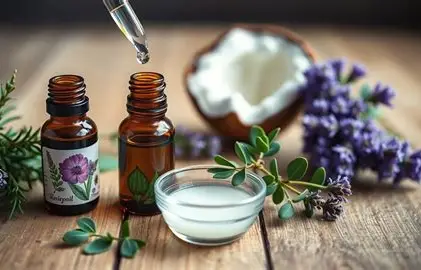
Hair oils provide intense nourishment to your strands. Rich in vitamins, minerals, and fatty acids, these oils penetrate the hair shaft, promoting overall health. Ingredients like argan, coconut, and jojoba oil help restore moisture and shine, making your hair appear more vibrant.
Oils enhance the protective barrier of your hair. By coating the strands, they create a shield against environmental stressors such as pollution and UV rays. This protective layer helps reduce damage and breakage, keeping your hair stronger over time.
Regular application promotes scalp health significantly. Massaging oil into your scalp increases blood circulation, which can stimulate hair follicles and encourage growth. Ingredients like tea tree and peppermint oil also possess antibacterial properties, keeping your scalp clean and healthy.
Many people find oils beneficial for frizz control. Applying a small amount of oil can smooth down flyaways and create a polished look without weighing hair down. This makes oils an excellent finishing touch after styling, providing both shine and manageability.
Ultimately, hair oils complement conditioners effectively. While conditioners focus on moisture retention, oils deliver essential nutrients and protection. Understanding their distinct roles can help you decide which product to prioritize based on your specific hair needs.
Application Techniques for Maximum Effectiveness
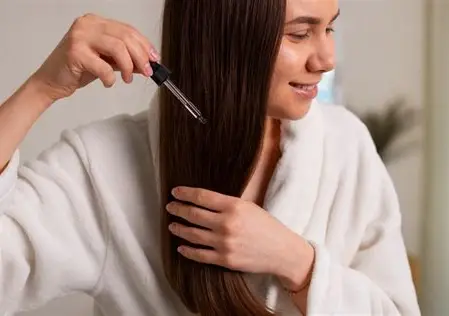
Using high-quality hair oils and conditioners is important, but applying them correctly can make an even bigger difference. Proper application helps your hair absorb beneficial ingredients more effectively, improving moisture, shine, softness, and overall hair health. Whether you’re using a hair oil, a conditioner, or both together, following the right techniques can help you get the best possible results.
Start with Clean, Damp Hair
Healthy hair care begins with a clean foundation. Wash your hair using a gentle shampoo that suits your hair type to remove dirt, excess oil, and product buildup. After rinsing, gently towel-dry your hair until it is damp rather than soaking wet.
Damp hair is ideal because it:
- Helps products spread more evenly
- Improves absorption of moisturizing ingredients
- Reduces product waste
- Allows better distribution throughout the hair
Avoid rubbing your hair aggressively with a towel, as this can cause frizz and breakage.
Apply Hair Oil to the Scalp
If you’re using hair oil as a scalp treatment, start by applying a small amount directly to the scalp. Focus on areas that feel dry or need extra nourishment.
Benefits of scalp oiling include:
- Improved scalp hydration
- Reduced dryness and flaking
- Enhanced scalp comfort
- Better distribution of natural oils
Use your fingertips to gently massage the oil into the scalp using circular motions. This massage may help increase blood circulation and create a relaxing experience while ensuring the oil is distributed evenly.
Work the Oil Through the Hair Lengths
After applying oil to the scalp, distribute a small amount through the mid-lengths and ends of your hair. These areas are often the oldest and most vulnerable parts of the hair strand, making them more prone to dryness and damage.
For even coverage:
- Use your fingers or a wide-tooth comb
- Focus on dry ends
- Avoid overapplying, especially on fine hair
- Apply additional oil only where needed
This helps reduce frizz, add shine, and protect the hair from moisture loss.
Apply Conditioner to Mid-Lengths and Ends
After shampooing—or after rinsing out a pre-wash oil treatment if desired—apply conditioner generously to the mid-lengths and ends of your hair. These sections typically require the most hydration and repair.
When applying conditioner:
- Distribute evenly throughout the hair
- Concentrate on dry or damaged areas
- Use a wide-tooth comb for better coverage
- Avoid applying excessive conditioner to the scalp if you have oily hair
Conditioners help smooth the cuticle, improve softness, and lock moisture into the hair shaft.
Leave the Conditioner On for Several Minutes
Allowing conditioner to sit for two to five minutes gives the nourishing ingredients time to penetrate the hair and provide deeper hydration.
For extra-dry or damaged hair:
- Leave it on slightly longer
- Use a deep-conditioning treatment weekly
- Follow product instructions for best results
This simple step can noticeably improve softness, manageability, and moisture retention.
Rinse Thoroughly with Lukewarm Water
Once the conditioner has had time to work, rinse thoroughly with lukewarm water. Proper rinsing removes excess product while leaving behind beneficial conditioning agents.
Benefits of thorough rinsing:
- Prevents product buildup
- Maintains hair volume
- Reduces greasiness
- Leaves hair feeling lighter and cleaner
Finish with a Cool Rinse
A cool-water rinse can help smooth the outer cuticle layer of the hair. This may improve shine, reduce frizz, and help lock in moisture.
Many people find that finishing with cool water leaves their hair looking smoother and feeling softer.
Using Hair Oil and Conditioner Together
Hair oils and conditioners serve different purposes, and many hair types benefit from using both as part of a complete routine.
A simple routine might include:
- Shampoo to cleanse.
- Apply hair oil as a pre-wash treatment or leave-in treatment.
- Condition to restore moisture.
- Finish with a lightweight oil on the ends if needed.
Combining these products correctly can provide hydration, nourishment, protection, and improved manageability while helping you determine which product works best for your specific hair needs.
Hair Types and Product Suitability
Choosing the right hair care products depends largely on your hair type. Different textures and conditions have unique needs, and using products designed for your specific hair type can improve moisture, manageability, shine, and overall hair health.
Dry or Damaged Hair
Dry and damaged hair often lacks moisture and can appear dull, brittle, or frizzy. Rich, nourishing oils such as argan oil, coconut oil, and avocado oil help replenish lost moisture and improve hair softness. Deep-conditioning treatments and moisturizing hair masks can also repair damage caused by heat styling, coloring, and environmental stress.
Fine or Oily Hair
Fine or oily hair can become weighed down easily by heavy products. Lightweight oils like jojoba oil or grapeseed oil provide hydration without leaving hair greasy. Volumizing conditioners and lightweight leave-in treatments are excellent choices because they nourish the hair while maintaining movement and body.
Curly Hair
Curly hair naturally struggles to retain moisture because oils from the scalp have a harder time traveling down the hair shaft. Rich conditioners, curl creams, and moisturizing oils can help hydrate curls, reduce frizz, and improve definition. Products specifically formulated for curly hair often contain ingredients that enhance curl patterns while maintaining softness and bounce.
Color-Treated Hair
Color-treated hair requires extra care to maintain vibrancy and prevent fading. Sulfate-free shampoos and conditioners are ideal because they cleanse gently without stripping color. Hair oils can help lock in moisture, smooth the cuticle, and protect the hair from environmental damage, helping your color stay vibrant for longer.
Thick or Coarse Hair
Thick and coarse hair typically requires more moisture and nourishment than finer hair types. Heavier oils such as castor oil, olive oil, and shea-based treatments can help soften strands and improve manageability. Deep-conditioning masks and intensive moisture treatments are also beneficial for keeping thick hair smooth, healthy, and easier to style.
Role in Hair Styling
Hair oil and conditioner serve distinct roles in styling. Each product contributes uniquely to achieving your desired look. Understanding how they affect the hair can help you choose the right approach for styling.
- Hair oil adds shine and smoothness. Apply a small amount to the ends of your hair to tame frizz and create a glossy finish.
- Conditioner provides moisture and detangling benefits. Using it after shampooing helps soften hair, making it easier to manage and style.
- Oil can protect against heat damage. Before using styling tools, applying oil can create a barrier that preserves hair health.
- Conditioner enhances curl definition. For wavy or curly hair types, leave-in conditioners can help define and hold your natural texture.
- Oil helps with scalp health. Massaging oil into the scalp can promote blood circulation, benefiting hair growth and overall health.
Cost-Effectiveness and Value
Cost plays a significant role in deciding between hair oil and conditioner. Generally, hair oils can be more concentrated and thus last longer than conditioners. This means you may spend less over time on hair oil, especially if you only need to use a small amount for effective results. In contrast, conditioners require more frequent application, especially if used after every wash, potentially increasing overall costs.
Value also hinges on personal hair needs. Oils provide deep nourishment and can often address multiple issues like dryness, frizz, and split ends with fewer products. Conditioners, while effective at detangling and moisturizing, may lack the intensive benefits of oils. A simple comparison can clarify this:
| Product | Average Price | Usage Frequency | Benefits |
| Hair Oil | $15-$30 | 2-3 times a week | Deep nourishment, shine, frizz control |
| Conditioner | $10-$25 | Every wash | Moisture, detangling, softness |
Ultimately, the decision reflects your hair’s specific requirements. Hair oil may offer better long-term value for those needing intensive care, while conditioner is essential for regular maintenance. Assessing your individual hair type and needs will guide you toward the most cost-effective choice.
Quick Summary
- Hair oil provides deep nourishment and moisture, often penetrating the hair shaft better than conditioner.
- Conditioners typically focus on surface-level smoothing and detangling, improving hair manageability.
- Hair oil can be used for scalp health, helping to reduce dryness and flakiness.
- Conditioners often contain silicones which can create a protective barrier but may lead to product buildup.
- Hair oil is versatile, suitable for pre-wash treatments, leave-in applications, and styling aids.
- Both products can complement each other; using hair oil before conditioner can enhance results.
- Individual hair types and concerns will determine whether hair oil or conditioner is more beneficial.
Frequently Asked Questions
Is hair oil better than conditioner?
It depends on your hair type and needs. Hair oil can provide deep nourishment and help with dryness, while conditioner primarily focuses on detangling and moisturizing. Many people find that using both can offer the best results for healthy hair.
What are the benefits of using hair oil?
Hair oil can help to hydrate and strengthen your hair, reduce frizz, and promote shine. It also protects against damage from heat styling and environmental factors. Regular use can lead to healthier, more manageable hair over time.
Can I use hair oil and conditioner together?
Yes, using both can be beneficial! You can apply hair oil before washing your hair for added moisture, and then use conditioner afterward to detangle and soften your hair. This combination can enhance overall hair health.
How do I choose the right hair oil?
Look for oils that suit your hair type. For example, argan oil is great for dry hair, while jojoba oil works well for oily scalps. Always choose high-quality, natural oils without harsh additives for the best results.
How often should I use hair oil or conditioner?
The frequency depends on your hair type and condition. Generally, you can use conditioner every wash and apply hair oil 1-2 times a week. Adjust based on how your hair responds to each product.