Is Hair Botox Treatment Safe? An In-Depth Look at Risks and Benefits
Studies show that hair botox treatments can reduce hair frizz by up to 80%, but safety concerns linger. Many users report positive results, yet understanding the potential risks and ingredients is crucial for making informed decisions about this popular hair treatment.
Hair botox treatment is generally considered safe for most individuals. Key points include non-toxic ingredients, limited allergic reactions, and minimal side effects. Always consult a professional before proceeding, especially if you have sensitive skin or allergies.
What is Hair Botox?
Hair Botox refers to a deep conditioning treatment designed to rejuvenate and hydrate hair. Formulated with a mix of proteins, vitamins, and amino acids, it aims to restore elasticity and shine while reducing frizz. Unlike traditional Botox, it does not involve injections but rather a topical application that revitalizes damaged strands.
Professionals often recommend this treatment for individuals with dry, brittle, or coarse hair. It works by filling in gaps in the hair structure, effectively smoothing the cuticle and enhancing overall texture. Results typically include more manageable hair and a noticeable reduction in frizz.
Many salons offer this service, promoting it as a non-toxic alternative to keratin treatments. While keratin can sometimes contain harsh chemicals, Hair Botox focuses on nourishing the hair without using formaldehyde or similar substances. Consequently, clients experience healthier-looking hair without the risks associated with chemical treatments.
Ingredients in Hair Botox
Common components in hair botox treatments include essential oils, proteins, and amino acids. These ingredients work together to hydrate and repair damaged hair, providing a smoother and shinier appearance. Their effectiveness can vary based on the specific formulation chosen by the salon or manufacturer.
Hydrolyzed proteins are vital for strengthening hair strands. They penetrate the hair shaft, helping to rebuild and reinforce the structure. This results in reduced breakage and improved resilience, making hair more manageable.
Amino acids play a crucial role in maintaining hair health. They are the building blocks of proteins, essential for hair growth and repair. Including amino acids in hair botox helps to restore elasticity and maintain moisture levels, contributing to overall hair vitality.
Natural oils, such as argan and jojoba, provide deep nourishment. These oils help to lock in moisture and add shine, while also reducing frizz. Their presence in hair botox formulations enhances the overall conditioning effect on the hair.
Vitamins and antioxidants are often included to promote scalp health. Ingredients like vitamin E protect hair from environmental damage while supporting growth. This boosts the treatment’s effectiveness, contributing to safer and healthier hair over time.
Safety Concerns and Risks
Allergic reactions can occur with hair botox treatment. Ingredients like keratin and other proteins may trigger sensitivities in some individuals. Before proceeding, conduct a patch test to identify any adverse reactions. Consult with a professional if any signs of irritation appear during the test.
Chemical burns are another potential risk. Application of the treatment often involves heat and chemicals that can damage the scalp if not used properly. Seek a qualified stylist experienced in this treatment to minimize the risk of burns or irritation.
Hair damage may result from improper application. Overuse or misuse of the product can lead to dryness and brittleness. Always follow the recommended guidelines and ensure that the stylist uses the correct amount to prevent long-term damage to hair health.
Health concerns related to inhalation of fumes exist during the process. Some ingredients can release strong odors, which may be harmful if inhaled. Choose a well-ventilated salon for the treatment to reduce exposure to potentially harmful substances.
Long-term effects remain largely unknown. While many users report immediate benefits, the cumulative impact of repeated treatments has not been thoroughly studied. Exercise caution and consider spacing out treatments to allow hair to recover.
Benefits of Hair Botox
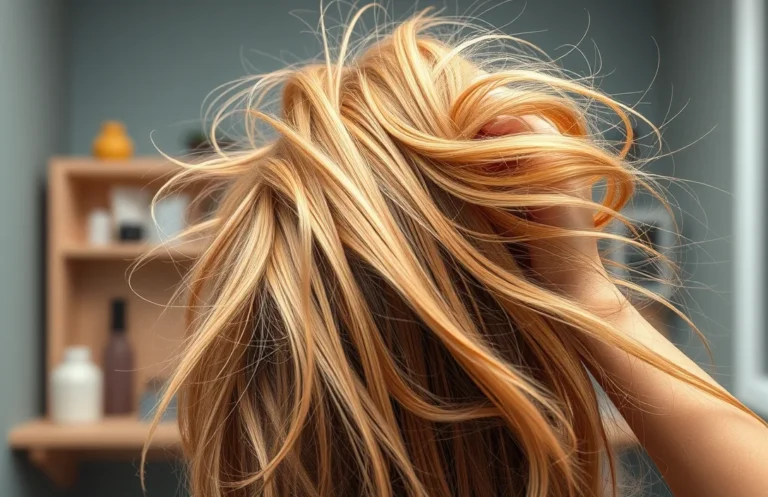
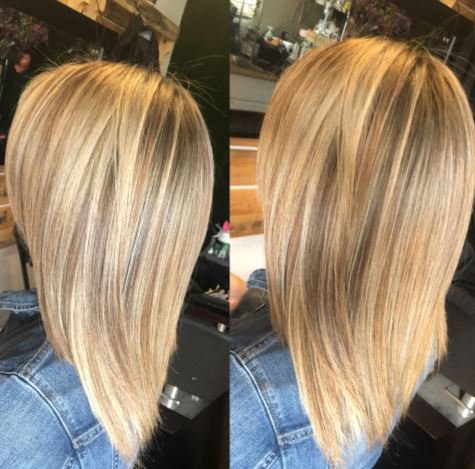
Revitalizing hair texture is a primary advantage of hair botox. This treatment effectively fills in damaged areas of the hair, resulting in smooth, shiny strands. It targets frizz and dryness, transforming lifeless hair into a more manageable and vibrant appearance.
Increased manageability significantly enhances styling ease. Hair botox reduces the time spent on daily styling routines, as hair becomes easier to work with. As a result, individuals can enjoy a polished look without extensive effort.
- Improved elasticity contributes to healthier hair. This treatment strengthens hair fibers, reducing breakage and split ends.
- Long-lasting results make it a worthwhile investment. Effects can last up to three months, providing enduring benefits compared to traditional conditioning treatments.
- Customizable options cater to individual hair needs. Different formulations allow for tailored treatments, addressing specific issues like color-treated or coarse hair.
- Non-invasive procedure minimizes risk. Unlike chemical treatments, hair botox uses a blend of natural ingredients, making it a safer alternative for hair rejuvenation.
Overall, hair botox offers a multitude of benefits, enhancing both the aesthetic and health of hair. This treatment presents a practical solution for those seeking to improve their hair’s condition and appearance effectively.
Who Should Avoid Hair Botox?
Pregnant or nursing individuals should avoid hair botox treatments. Safety during pregnancy and lactation is not well established, and the chemicals used may pose risks to the developing fetus or newborn.
People with allergies to specific ingredients must steer clear of this treatment. Common allergens in hair products can lead to severe reactions, resulting in discomfort or damage.
Individuals with scalp conditions should not undergo hair botox. Issues like psoriasis or dermatitis can worsen irritation and complicate the treatment process.
Those receiving other hair treatments should wait before opting for hair botox. Mixing treatments can lead to unpredictable results and potential damage to the hair.
Clients with very damaged hair should reconsider this procedure. Hair in poor condition may not respond well and could suffer more harm than good during the treatment.
Aftercare and Maintenance
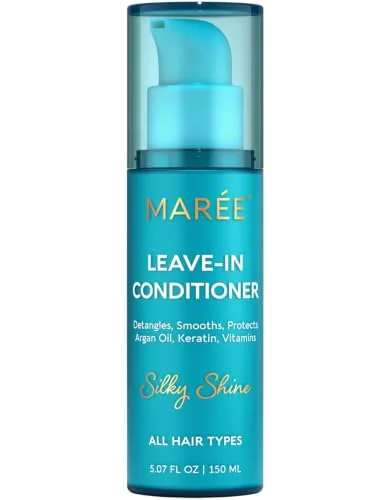
Hydrating your hair post-treatment is essential for maintaining its health and shine. Use a sulfate-free shampoo to prevent stripping the treatment’s effects. Look for products containing natural oils and proteins to nourish the hair strands and keep them moisturized. Regular hydration helps extend the benefits of hair botox, making it last longer.
Avoiding heat styling tools is critical immediately after the treatment. Excessive heat can damage the hair and reduce the effectiveness of the botox application. If you must use heat, always apply a good quality heat protectant to shield your hair from potential harm. Let your hair air-dry whenever possible for the best results.
Scheduling regular trims can enhance the longevity of your look. Split ends can make hair look unhealthy, diminishing the benefits of the treatment. Aim for a trim every six to eight weeks to keep your hair looking fresh and vibrant. Healthy hair reflects the quality of the treatment you received.
Protecting your hair from environmental stressors is vital for preserving its integrity. Wear a hat or use a UV protectant product when spending extended time outdoors, as sun exposure can fade color and weaken the hair structure. Maintaining your hair’s defenses against external factors contributes significantly to its overall health.
Monitoring your hair’s condition regularly allows you to adjust your care routine as needed. Keep an eye out for signs of dryness or damage, which may indicate a need for more intensive hydration treatments or adjustments in your product choices. Responding to your hair’s needs ensures its continued vitality after botox treatment.
Professional vs. At-Home Treatments
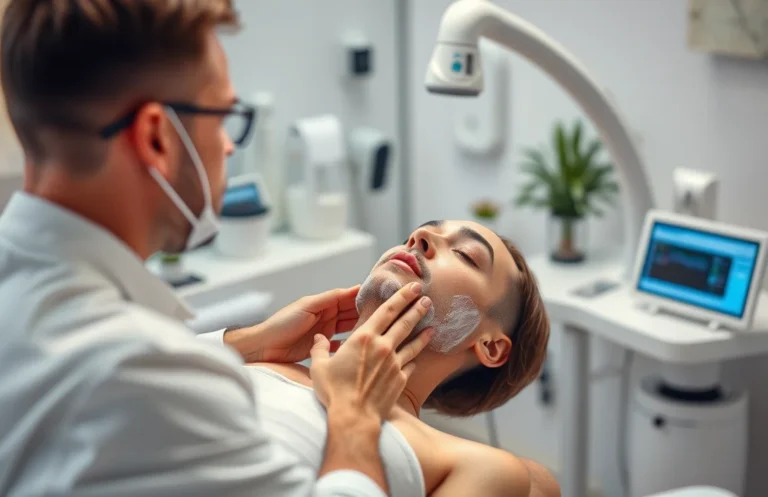
Safety varies significantly between professional and at-home hair botox treatments. Professionals typically use high-quality products and possess the necessary training to apply them correctly. This reduces the risk of adverse reactions and ensures a more effective treatment. In contrast, at-home kits may not offer the same level of quality or guidance, potentially leading to unsatisfactory results or damage.
Expertise plays a crucial role in achieving desired outcomes. Professionals understand hair types and the specific needs of each client, tailoring treatments accordingly. At-home users lack this knowledge, which can result in misapplication of products and unsafe practices. Always consider the skill level required when opting for DIY options.
Ingredients differ significantly between professional treatments and DIY kits. High-end products used in salons often contain nourishing elements that enhance hair health. Conversely, at-home versions may include harsh chemicals that can lead to dryness or breakage. Prioritizing product quality is essential for achieving safe and effective results.
| Factor | Professional Treatment | At-Home Treatment |
|---|---|---|
| Expertise | Highly trained professionals | Limited knowledge and skill |
| Product Quality | High-end, nourishing ingredients | Potentially harsh chemicals |
| Results | Custom tailored outcomes | Variable and often unsatisfactory |
Overall, professional treatments provide a safer and more effective option for hair botox. For individuals seeking quality results without compromising health, salon services are the recommended choice.
Quick Summary
- Hair botox treatment is generally considered safe for most hair types.
- The procedure is free from formaldehyde, making it a safer alternative to traditional keratin treatments.
- Results can last several weeks, providing smoother and shinier hair.
- It helps reduce frizz and improves manageability, especially for damaged hair.
- Consultation with a professional stylist is recommended to assess individual hair needs.
- Potential side effects may include allergic reactions or temporary hair changes.
- Regular maintenance treatments can enhance and prolong the benefits of hair botox.
Frequently Asked Questions
1. Is hair botox treatment safe for all hair types?
Yes, hair botox treatment is generally safe for most hair types, including damaged, dry, and frizzy hair. However, it’s always best to consult with a professional stylist to determine if it’s suitable for your specific hair condition.
2. Are there any side effects associated with hair botox?
Hair botox is typically free from harsh chemicals, making side effects rare. Some individuals may experience mild scalp irritation or allergic reactions, so a patch test is recommended prior to treatment.
3. How long does the effect of hair botox last?
The results of hair botox can last anywhere from 2 to 4 months, depending on your hair type and maintenance routine. Regular touch-ups can help prolong the effects and keep your hair looking healthy.
4. Does hair botox contain formaldehyde?
No, hair botox treatments do not contain formaldehyde, which is commonly found in traditional keratin treatments. Instead, it uses natural ingredients and proteins to nourish and rejuvenate the hair.
5. Can I color my hair after a botox treatment?
Yes, you can color your hair after a botox treatment, but it is advisable to wait at least two weeks to allow the treatment to fully set. Always consult with your stylist for the best timing to ensure optimal results.

- Top 10 Best Hair Conditioner For Children 2026 - October 5, 2026
- Top 10 Best Hair Conditioner For Colored Dry Hair 2026 - October 5, 2026
- Top 10 Best Hair Conditioner For Coarse Hair 2026 - October 4, 2026