
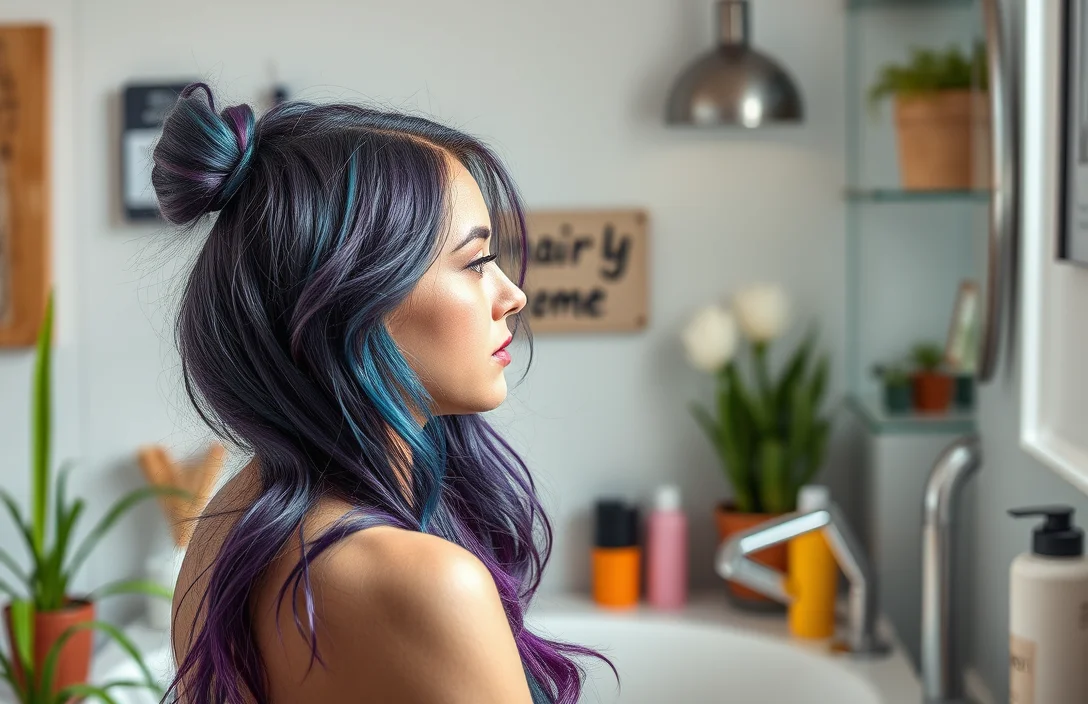
Is Hair Dye Safe for Sensitive Scalp? Insights and Alternatives
Research indicates that nearly 70% of individuals with sensitive scalps experience irritation from traditional hair dyes. Understanding this statistic is crucial for anyone considering hair color changes while prioritizing scalp health. The right approach can lead to beautiful hair without discomfort.
Safe hair dye options include gentle formulations, natural dyes, and patch testing to identify potential reactions. Seeking products that are free from harsh chemicals will help mitigate irritation and promote scalp wellness.
Understanding Sensitive Scalps
Sensitive scalps exhibit unique characteristics that can lead to discomfort during hair dyeing. Symptoms often include itching, burning sensations, redness, or flaking. These reactions may occur due to various factors, such as skin conditions, allergies, or reactions to certain hair products. Recognizing these signs is crucial for maintaining scalp health and comfort.
Common causes of sensitivity often stem from harsh chemicals found in many hair dyes. Ingredients like ammonia and certain preservatives can irritate the scalp, leading to negative experiences. Individuals with pre-existing conditions, such as eczema or psoriasis, may find their sensitivity exacerbated by these substances, making informed choices essential.
Easily overlooked, patch testing is vital before applying any dye. This simple step can reveal potential allergic reactions or sensitivities. Applying a small amount of dye to a discreet area allows you to assess how your scalp reacts, ensuring a safer coloring experience.
Seeking gentle alternatives can enhance your dyeing experience. Products labeled as ammonia-free or formulated for sensitive skin are beneficial options. These gentler formulations minimize irritation while still providing the desired color change, allowing for safe experimentation with hair color.
Chemical Ingredients to Avoid
Formaldehyde ranks high among irritants. This chemical, often found in some hair dyes, can cause severe reactions on sensitive scalps. Look for formaldehyde-free options to minimize irritation and protect your skin.
Ammonia creates harsh conditions for sensitive skin. This common ingredient is responsible for strong odors and potential burning sensations. Opt for ammonia-free hair dyes to ensure a gentler application process.
Parabens function as preservatives but can cause skin sensitivity. These chemicals might disrupt hormonal balance and lead to irritation. Seek out paraben-free products for a safer coloring experience.
Resorcinol is another potential irritant. Often used in hair dyes, it can trigger allergic reactions for those with sensitive skin. Avoid any dyes containing resorcinol to reduce the risk of discomfort.
PPD, or para-phenylenediamine, is notorious for allergic reactions. This dye ingredient may cause rashes and irritation, especially for individuals with sensitive scalps. Opt for PPD-free alternatives to ensure a safer dyeing process.
Patch Testing for Safety
Performing a patch test ensures your skin reacts well to hair dye. This simple procedure helps identify potential irritants before applying the product to your entire scalp. Follow these steps to conduct your test effectively.
- Choose a small area of skin, ideally behind your ear or on the inside of your elbow. Clean the area with mild soap and water, then pat dry.
- Apply a small amount of the hair dye mixture to the chosen area. Make sure to follow the product instructions for proper application.
- Leave the dye on for the recommended time, usually 24 to 48 hours. Avoid washing or covering the area during this period.
- Monitor for any reactions, such as redness, itching, or swelling. If any symptoms occur, wash the area immediately and avoid using the dye.
- Evaluate the results after the test period. If no irritation appears, you can proceed with dyeing your hair, but stay cautious and consider using a gentler formula.
Testing in this manner significantly reduces the risk of adverse reactions, making hair dyeing safer for those with sensitive skin.
Gentle Hair Dye Options
Products designed for sensitive scalps are essential for minimizing irritation during the dyeing process. Look for hair dyes labeled as hypoallergenic or formulated specifically for sensitive skin. These products typically avoid harsh chemicals like ammonia and parabens, reducing the risk of adverse reactions.
Brands such as Naturtint and Herbatint offer options that are free from synthetic fragrances and allergens. Their formulas contain natural ingredients, making them gentler on the scalp. Always check the ingredient list for components known to cause irritation, like PPD (para-phenylenediamine).
Consider semi-permanent dyes, which usually contain fewer harsh chemicals than permanent options. These dyes gradually wash out, providing a less aggressive approach to color changes. Look for brands that emphasize natural plant-based formulations, as they are often more suitable for sensitive skin.
Many salons now carry specialized products for clients with sensitive scalps. Consulting with a professional colorist can help you find the perfect product that meets your needs while ensuring a safe application process. Always communicate your sensitivities to your stylist to receive tailored recommendations.
Natural Hair Dye Alternatives
Beet juice offers a vibrant red hue that is gentle on sensitive scalps. Extracting juice from fresh beets and applying it to hair can provide a temporary color without harsh chemicals. Allow it to sit for at least an hour before rinsing for best results. This natural option minimizes irritation and is safe for most skin types.
Cacao powder serves as an excellent alternative for achieving rich brown tones. Mixing cacao with conditioner or coconut oil creates a paste that nourishes hair while coloring it. Apply the mixture evenly and leave it on for about 30 minutes. This method is not only safe but also conditions the hair, promoting overall health.
Lemon juice can lighten hair naturally, especially for those seeking sun-kissed highlights. Applying fresh lemon juice and exposing it to sunlight enhances the lightening effect. While this method is mild, always perform a patch test to avoid any unexpected reactions, as citrus can sometimes irritate sensitive skin.
Chamomile tea acts as a natural lightener and is great for sensitive scalps. Brew strong chamomile tea, let it cool, and use it as a rinse after shampooing. It imparts a subtle golden hue, making it ideal for lighter hair. This method is soothing and safe, aligning with your health-conscious approach.
Henna is renowned for its vibrant colors and conditioning properties. Using body art quality henna, which is free from additives, provides a rich red or brown tint. Always conduct a strand test before full application to ensure compatibility with your scalp. This natural dye promotes healthy hair while delivering beautiful results.
Aftercare for Dyed Hair
Maintaining hair health after dyeing is crucial, especially for those with sensitive scalps. Gentle care can prolong color vibrancy and minimize irritation. Focus on hydration and nourishment to keep your hair looking its best.
- Shampoo with sulfate-free products. Sulfates can strip color and irritate sensitive scalps, so opt for gentle, moisturizing formulas.
- Condition regularly to lock in moisture. Use a deep conditioner once a week to replenish hydration and maintain softness.
- Limit heat styling tools usage. Excessive heat can damage dyed hair, leading to dryness and breakage. Embrace air drying whenever possible.
- Protect hair from sun exposure. UV rays can fade color; consider wearing hats or using UV protectant sprays designed for color-treated hair.
- Avoid harsh chemicals in styling products. Opt for natural or organic alternatives that are less likely to irritate your scalp.
Prioritizing these aftercare tips will enhance your hair’s health and help manage any sensitivity post-dyeing. Always listen to your scalp and adjust your routine as needed.
Consulting a Professional Stylist
Seeking professional advice is crucial for individuals with sensitive scalps. Stylists can assess your hair and scalp condition, recommend suitable products, and suggest safer dyeing techniques tailored to your needs. Engaging with a licensed cosmetologist ensures you receive personalized care and minimizes the risk of irritation.
Professional dyeing services often use advanced formulations designed for sensitive skin. These products typically avoid harsh chemicals and allergens, providing a gentler alternative to traditional dyes. Discuss your history of scalp sensitivity during the consultation to help the stylist make informed choices.
Inquire about patch tests before any dye application. This simple procedure helps identify potential allergic reactions to the dye, ensuring your safety and comfort. A reputable stylist will prioritize your well-being and can guide you through various options, including semi-permanent or natural dyes that may be less irritating.
Establishing a good relationship with your stylist can lead to ongoing support and advice for future hair care. Regular check-ins will allow you to address any concerns promptly. Remember, your scalp health is paramount, and expert guidance can make all the difference in achieving beautiful hair without discomfort.
Quick Summary
- Hair dye can cause irritation for individuals with sensitive scalps.
- Patch tests are recommended 48 hours prior to application to check for allergic reactions.
- Choose gentle, ammonia-free, or natural hair dyes to minimize scalp irritation.
- Consult a dermatologist if you have a history of scalp issues before using hair dye.
- Hydrating treatments can help soothe the scalp before and after dye application.
- Consider using dyes specifically formulated for sensitive skin.
- Avoid dyeing hair too frequently to reduce the risk of sensitivity and irritation.
Frequently Asked Questions
Is hair dye safe for a sensitive scalp?
Hair dye can be safe for a sensitive scalp, but it depends on the formulation and ingredients used. Look for dyes labeled as hypoallergenic or free from harsh chemicals like ammonia and parabens to minimize the risk of irritation.
What should I do before dyeing my hair?
Always perform a patch test 48 hours before applying any hair dye. This will help you identify any potential allergic reactions or sensitivities to the product.
Are there specific brands recommended for sensitive scalps?
Yes, many brands offer formulas designed for sensitive scalps, such as those that are ammonia-free or use natural ingredients. Research or consult with a professional stylist for recommendations tailored to your needs.
Can I use natural dyes as an alternative?
Natural dyes, like henna or vegetable-based dyes, can be gentler on the scalp and are often free from harsh chemicals. However, it’s important to confirm that you’re not allergic to these natural ingredients before use.
What should I do if I experience irritation after dyeing my hair?
If you experience irritation, rinse your scalp immediately with cool water and apply a soothing agent like aloe vera or coconut oil. If symptoms persist, consult a healthcare professional for further advice.

- 10 Best Hair Oil For New Born Baby Hair Growth Buyer Guide 2026 - October 25, 2026
- Best Hot Air Brush With Boar Bristles (Top 10 List 2026) - October 25, 2026
- Best Hot Air Brush With Nylon Bristles (Top 10 List 2026) - October 25, 2026

One Comment