Is Hair Fall Normal During Monsoon? Understanding the Causes and Co…
Studies indicate that hair fall can increase by up to 30% during the monsoon season. Factors such as humidity and moisture can disrupt hair health, leading many to question if this is a normal occurrence. Understanding the reasons behind this phenomenon is crucial for effective hair care.
Hair fall during monsoon is common. Increased humidity causes hair to swell, leading to breakage. Additionally, the moisture in the air can weaken hair strands. Regular maintenance and proper care can mitigate these effects, ensuring healthier hair throughout the season.
Hair Fall Patterns in Monsoon
Monsoon season typically brings increased hair fall for many individuals. During this time, various factors contribute to changes in hair health. Humidity, rain, and fluctuating temperatures can all affect hair strands, making them weaker and prone to shedding. Regular observation of hair fall patterns can help distinguish between normal seasonal shedding and excessive loss.
Seasonal hair fall often peaks in monsoon months, with many experiencing noticeable changes. Hair usually sheds more due to moisture in the air, which can weaken hair shafts. Understanding these patterns allows individuals to recognize what is typical for them. Daily hair fall can vary, but losing 50 to 100 strands is generally considered normal.
Environmental stressors during monsoon can also trigger increased hair fall. Humid conditions may lead to scalp issues like dandruff or fungal infections. Such problems can exacerbate hair loss, making it essential to maintain scalp health. Regular cleaning and moisturizing can mitigate these effects and promote healthier hair.
Monitoring hair fall closely during this season is vital. If shedding seems excessive or persists beyond the rainy months, seeking professional advice may be necessary. Identifying underlying causes early can lead to effective treatment options, ensuring that hair health is prioritized throughout the year.
Humidity Effects on Hair
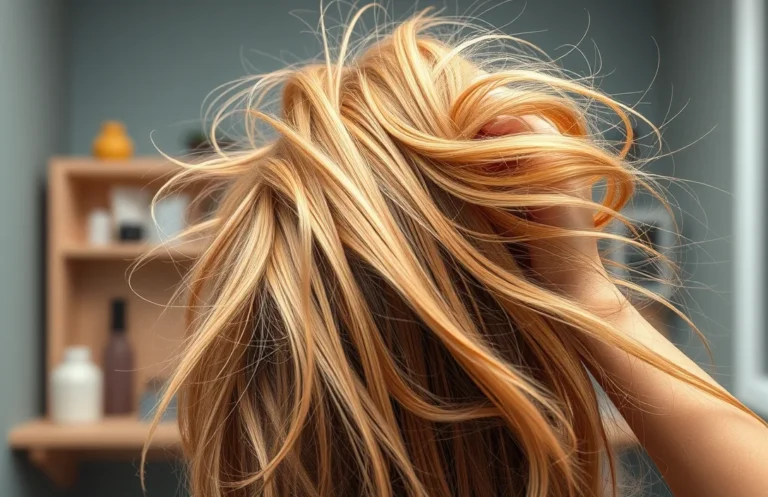
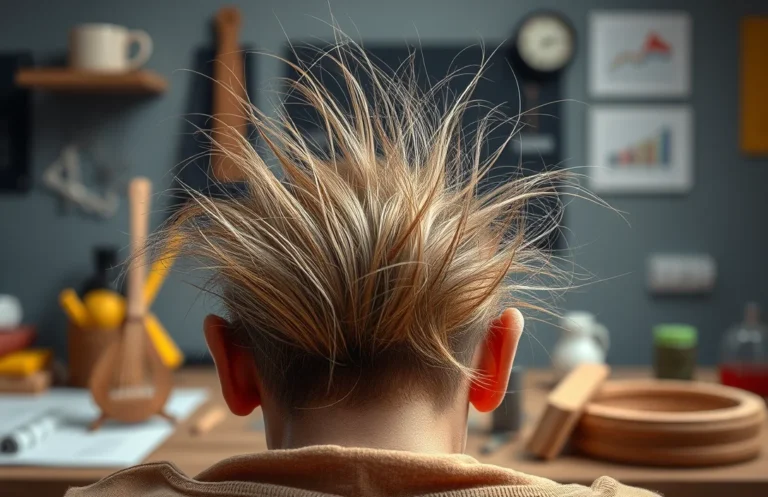
Humidity significantly impacts hair health. Increased moisture in the air causes hair to swell, leading to frizz and loss of definition in hairstyles. This effect is often more pronounced in individuals with curly or wavy hair types, making it essential to understand how to manage these changes effectively during the monsoon season.
- Frizz control products help. Using anti-frizz serums or creams can combat the effects of humidity. These products create a barrier that keeps moisture out while sealing in shine and smoothness.
- Regular conditioning is crucial. Hydrating hair masks or deep conditioners can restore moisture balance. Apply these treatments weekly to strengthen and protect hair from environmental stressors.
- Avoid heat styling frequently. Excessive heat can exacerbate damage caused by humidity. Embrace air drying and limit the use of blow dryers, straighteners, and curling irons during wet weather.
- Select humidity-resistant hairstyles. Opt for braids, buns, or ponytails that minimize hair exposure to moisture. These styles can help maintain control and reduce frizz.
- Invest in a dehumidifier. Using a dehumidifier at home can help maintain a comfortable indoor environment. This appliance reduces excess moisture, preventing frizz and promoting healthier hair.
Common Causes of Hair Fall
Increased moisture in the air contributes significantly to hair fall during monsoon. High humidity levels can weaken hair strands, making them more susceptible to breakage. Hair follicles may react by shedding more than usual as they struggle to cope with the damp environment. This is particularly common in individuals with fine or weak hair.
Overexposure to rain and water leads to other issues as well. Rainwater can contain impurities that may irritate the scalp, causing inflammation and potential hair loss. Frequent washing to remove dirt and contaminants can strip natural oils, leaving hair dry and brittle. Finding a balance between cleanliness and moisture retention is crucial.
Increased fungal infections are another concern during this season. The humid environment promotes the growth of fungi, which can lead to dandruff and other scalp conditions. These issues can hinder healthy hair growth, making it essential to maintain scalp health through proper hygiene and treatment.
Stress levels can also rise during the monsoon due to weather changes and related disruptions. Stress is known to trigger hair fall, as it can disrupt the hair growth cycle. Managing stress through relaxation techniques or physical activity can help mitigate this effect.
Diet and Nutrition Impact
Balanced nutrition significantly influences hair strength. During monsoon, humidity can weaken hair, making it crucial to consume foods that promote health. Nutrient-rich diets can help mitigate potential hair loss, ensuring strands remain strong and resilient against seasonal challenges.
- Include protein-rich foods like eggs and legumes. Proteins are vital for hair structure, helping to repair and strengthen hair follicles, reducing the risk of breakage.
- Add omega-3 fatty acids from fish or nuts. Omega-3s nourish the scalp, promoting healthy hair growth and reducing inflammation that can lead to hair loss.
- Incorporate iron and zinc sources like spinach and nuts. These minerals support blood circulation to the scalp, enhancing nutrient delivery to hair follicles, crucial during high-moisture periods.
- Consume vitamin-rich fruits and vegetables, especially those high in vitamin C. Vitamin C aids in collagen production, improving hair elasticity and reducing the chances of damage.
- Stay hydrated with ample water intake. Proper hydration maintains scalp moisture and overall body health, directly impacting hair vitality during the humid monsoon season.
Hair Care Routine Adjustments
Revamping your hair care routine is essential during monsoon season. Increased moisture levels can lead to frizz and potential damage. Adjustments will help maintain healthy hair while minimizing fall. Focus on using products specifically designed for humid climates.
Switching to sulfate-free shampoos can significantly benefit hair health. Harsh chemicals often strip moisture, leading to dryness and increased fall. Look for gentle cleansers that hydrate while removing dirt and excess oil without compromising hair integrity.
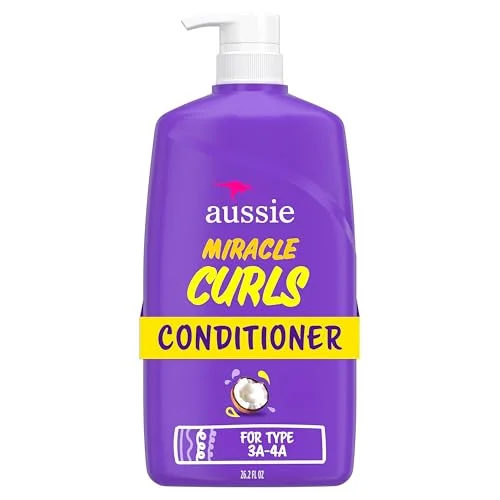
Incorporating a lightweight conditioner is crucial. Heavy products can weigh hair down, making it more susceptible to breakage. Opt for conditioners rich in nourishing ingredients like argan oil or shea butter to keep hair soft and manageable without excess heaviness.
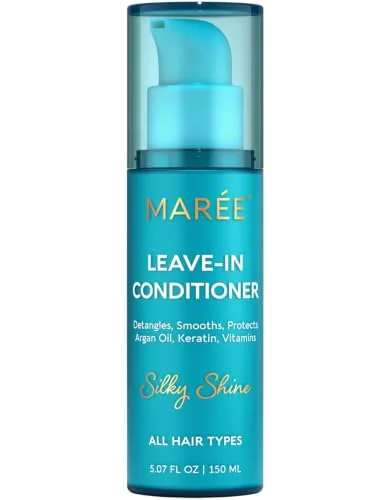
Utilizing leave-in conditioners or serums provides additional protection. These products create a barrier against humidity and environmental stressors. Apply them to damp hair for optimal results, ensuring that strands remain hydrated throughout the day.
Regularly using a hair mask can enhance moisture retention. Treat your hair weekly with a deep-conditioning mask to replenish lost hydration. Focus on products that cater to your specific hair type and concerns, ensuring effective results.
When to Seek Professional Help
Hair loss exceeding normal amounts requires attention. If you notice clumps of hair falling out or excessive thinning that persists beyond seasonal changes, consulting a dermatologist is essential. A professional can help identify underlying issues, ranging from nutritional deficiencies to hormonal imbalances or scalp conditions.
Symptoms accompanying hair fall may indicate serious problems. Experiencing itching, redness, or flaking on the scalp warrants immediate investigation. These signs often suggest infections or other dermatological issues that need prompt treatment to prevent further hair loss.
Family history of hair loss influences your risk. If relatives have experienced significant hair thinning or baldness, proactive consultation with a specialist can help you understand your likelihood of similar issues. Early intervention can lead to more effective treatment options.
Stress levels contribute significantly to hair health. If you’re facing heightened stress, whether from work, personal life, or other factors, seeking help can be beneficial. Stress management techniques and professional guidance may improve your overall well-being and hair condition.
Timeframes for hair regrowth vary; persistent issues require patience and monitoring. If hair does not return to normal after a few months or if you have ongoing concerns, a professional assessment can help clarify the situation and guide you toward effective solutions.
Preventive Measures for Healthy Hair
Maintaining a consistent hair care routine aids in minimizing hair fall. Focus on using products designed for your hair type, and ensure they provide adequate moisture and nourishment. Proper care can significantly reduce the impact of environmental factors during the monsoon season.
Incorporate these practices into your regimen:
- Regular cleansing: Use a mild, sulfate-free shampoo to avoid stripping natural oils.
- Deep conditioning: Apply a rich conditioner or hair mask weekly to hydrate and strengthen strands.
- Limit heat styling: Reduce the use of heat tools to prevent further damage and breakage.
- Protective hairstyles: Opt for braids or buns to minimize friction and exposure to moisture.
- Healthy diet: Consume foods rich in vitamins and minerals, such as fruits, vegetables, and lean proteins.
Monitoring hair products is crucial. Opt for those that are free from harsh chemicals. Check labels for ingredients that promote scalp health and hydration, which can counteract the adverse effects of the rainy season.
Staying hydrated plays a vital role as well. Drink plenty of water throughout the day to keep your hair and scalp nourished. Hydration helps maintain the elasticity of hair, making it less prone to breakage.
Seeking professional advice is beneficial if hair fall persists. Consulting a dermatologist or trichologist can provide personalized solutions tailored to your specific needs, ensuring that you maintain healthy hair during monsoon conditions.
Quick Summary
- Hair fall can increase during the monsoon due to increased humidity and moisture in the air.
- Changes in weather can affect the scalp environment, leading to potential fungal infections.
- Seasonal hair shedding is common and often temporary, not necessarily a cause for concern.
- Proper hair care, including gentle washing and conditioning, can help manage hair fall.
- A balanced diet rich in vitamins and minerals supports hair health during seasonal changes.
- Staying hydrated is crucial, as dehydration can exacerbate hair fall.
- If hair fall persists or worsens, consulting a dermatologist or trichologist is advised.
Frequently Asked Questions
Is hair fall normal during monsoon?
Yes, hair fall can be more pronounced during the monsoon season due to increased humidity and changes in weather. This can cause the scalp to become oily, leading to clogged hair follicles and increased hair shedding.
What causes increased hair fall in monsoon?
The combination of high humidity and moisture can lead to fungal infections and scalp conditions, which contribute to hair loss. Additionally, the stress of seasonal changes can also affect hair health.
How can I prevent hair fall during the rainy season?
To minimize hair fall, keep your scalp clean and well-moisturized. Use anti-fungal shampoos and avoid heavy oils that can attract dirt and moisture, leading to scalp issues.
Are there specific hair care products I should use in monsoon?
Opt for lightweight shampoos and conditioners that promote scalp health and balance oil production. Look for products with natural ingredients like tea tree oil, which can help prevent fungal growth.
When should I be concerned about hair fall during monsoon?
If you experience excessive hair loss, such as clumps of hair falling out or noticeable bald patches, it may be time to consult a dermatologist. Persistent hair loss could indicate underlying health issues that need attention.

- Top 10 Best Hair Conditioner For Elderly Women 2026 - October 6, 2026
- Top 10 Best Hair Conditioner For Everyday Use 2026 - October 5, 2026
- Top 10 Best Hair Conditioner For Extensions 2026 - October 5, 2026