
Is Hair Fall Normal in Winter? Understanding Seasonal Shedding
Studies indicate that many people experience increased hair loss during winter, with reports suggesting a 20% rise in shedding. This phenomenon can be attributed to cold weather, reduced humidity, and indoor heating, which may stress hair follicles, leading to noticeable thinning.
Hair fall in winter can be normal for many. Common causes include dry air, temperature changes, and seasonal shedding. Recognizing these factors can help differentiate between typical seasonal loss and more serious conditions.
Winter Hair Shedding Explained
Cold weather significantly impacts hair health. As temperatures drop, hair follicles can enter a resting phase, leading to increased shedding. This natural process can be alarming, but it’s essential to recognize that some hair fall is normal during winter months. Monitoring your shedding patterns can help identify if changes are seasonal or indicative of a more serious issue.
Humidity levels decrease in winter, which can dry out the scalp. Dry scalp conditions often lead to more hair breakage and loss. Keeping the scalp moisturized is crucial. Regularly using a hydrating shampoo and conditioner can help maintain moisture levels, ensuring healthier hair during the colder months.
Indoor heating also exacerbates the situation. Heating systems can lower humidity inside, further dehydrating both hair and scalp. Using a humidifier in your living space can counteract this effect, creating a more favorable environment for your hair. Regularly drinking water is also essential to keep your body and hair hydrated.
Seasonal shedding varies among individuals. Factors like genetics, overall health, and hair care routines play significant roles. Noticing increased hair fall during winter doesn’t always signal a problem. Keeping track of your hair’s condition and consulting professionals can help you determine if your experience aligns with typical seasonal changes.
Normal vs. Excessive Shedding
Normal hair shedding occurs when individuals lose about 50 to 100 strands daily. This level of loss is part of the natural hair growth cycle and typically increases during seasonal changes. If your hair loss falls within this range, it is generally not a cause for concern, even in winter.
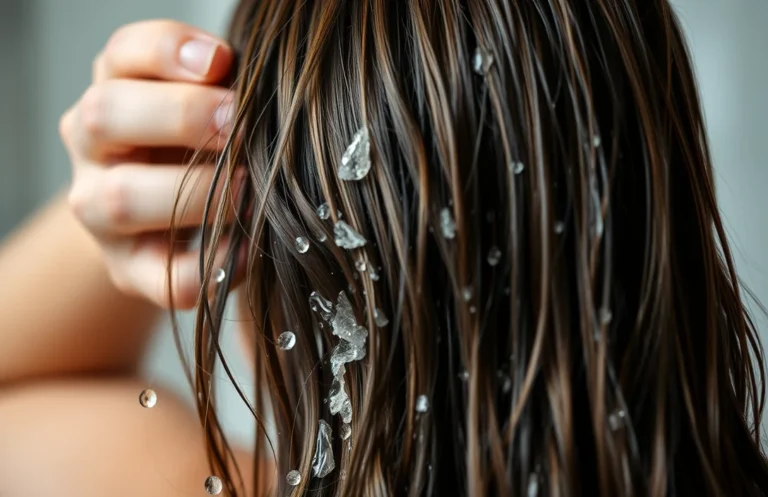
Excessive shedding, on the other hand, involves losing significantly more than the average daily count. If you notice clumps of hair in your brush or on your pillow, it may indicate a problem. Monitoring the amount of hair lost can help you distinguish between routine loss and alarming shedding.
Tracking your hair fall can provide valuable insights. Keeping a hair journal can assist in identifying patterns and understanding whether your shedding is normal or excessive. Note daily losses, any changes in health, or stress levels that coincide with increased hair fall.
Consulting a healthcare professional is advisable if shedding exceeds normal levels. They can evaluate your condition and recommend treatments or lifestyle changes. Early intervention can often resolve underlying issues that contribute to excessive hair loss.
Causes of Winter Hair Loss
Cold temperatures can significantly impact hair health. As winter sets in, the scalp often becomes dry due to environmental changes. This dryness leads to hair breakage and shedding, resulting in noticeable hair fall. Maintaining moisture levels is crucial to mitigate these effects.
Humidity levels drop during winter months. Lower humidity contributes to a decrease in moisture retention in both hair and scalp. Insufficient hydration can weaken hair strands, making them more susceptible to falling out. Consider using a humidifier at home to combat this issue.
Styling practices often change in winter. Many people resort to heat styling tools to manage their hair, which can lead to further damage. Frequent use of hair dryers or straighteners exacerbates dryness, leading to increased hair loss. Limiting heat exposure can help preserve hair health.
Dietary habits may shift with the season. Winter often encourages heavier, less nutritious comfort foods, which can affect hair quality. A balanced diet rich in vitamins and minerals is essential for healthy hair growth. Incorporate foods high in omega-3 fatty acids, vitamins A and E, and biotin.
Stress levels tend to rise during cold months. Seasonal affective disorder (SAD) can impact mental well-being, causing increased stress and anxiety. High stress is known to contribute to hair loss. Engaging in stress-relief activities such as exercise or meditation can be beneficial.
Impact of Dry Air on Hair
Dry air during winter significantly impacts hair health. Low humidity levels strip moisture from hair, making it brittle and prone to breakage. This condition can lead to temporary hair loss, making it essential to implement strategies to combat these effects.
- Increase humidity indoors. Using a humidifier in your living space can restore moisture levels, benefiting both your hair and skin.
- Apply leave-in conditioners. These products provide an extra layer of hydration, helping to prevent dryness and maintain hair elasticity.
- Limit heat styling. Reducing the use of blow dryers, curling irons, and straighteners helps preserve natural moisture, decreasing the chances of hair damage.
- Choose gentle shampoos. Opt for sulfate-free formulas that clean without stripping natural oils, thus minimizing dryness.
- Regularly trim ends. Cutting off split ends helps prevent further breakage, keeping hair healthier during dry winter months.
Implementing these strategies can alleviate the effects of dry air, making it easier to manage seasonal shedding. Taking proactive steps ensures your hair remains strong and vibrant despite the winter conditions.
Nutritional Factors in Winter
Seasonal diets directly impact hair strength. During winter, the body requires specific nutrients to maintain healthy hair. Emphasizing vitamins and minerals ensures optimal hair health despite environmental stressors. Focus on incorporating a variety of nutrient-rich foods into your winter meals.
- Consume foods rich in omega-3s. Fatty fish such as salmon, walnuts, and flaxseeds provide essential fatty acids that nourish hair follicles.
- Incorporate plenty of fruits and vegetables. Leafy greens, carrots, and citrus fruits supply vital vitamins A and C, which support sebum production and collagen synthesis.
- Include protein sources in every meal. Eggs, legumes, and lean meats offer the building blocks for keratin, a key protein in hair structure.
- Stay hydrated, even in cold weather. Drinking enough water helps maintain moisture levels, promoting a healthy scalp and preventing hair breakage.
- Limit processed foods and excessive sugars. These can lead to inflammation and negatively affect hair growth, making it more prone to shedding.
Monitoring dietary choices closely can mitigate winter-related hair loss. By prioritizing nutrient intake, it’s possible to support hair health effectively during the colder months.
Hair Care Tips for Winter
Moisturizing is essential for winter hair care. Cold air and indoor heating often strip moisture from hair, leading to dryness and breakage. Use a hydrating shampoo and conditioner designed for dry hair. Look for products containing natural oils or humectants that help retain moisture. Regularly deep condition your hair at least once a week to combat winter dryness.
Choosing the right styling tools matters. Heat styling can exacerbate hair fall during winter. Opt for tools with adjustable heat settings and use a heat protectant spray before styling. Air drying is a healthier alternative when possible. If you must use heat, keep the temperature low to minimize damage and maintain hair integrity.
Regular trims are crucial for healthy hair. Split ends can worsen in winter, making hair appear frizzy and unhealthy. Schedule haircuts every 6 to 8 weeks to remove damaged ends and promote healthier growth. Keeping hair well-maintained ensures that it looks its best, even during the harshest weather conditions.
Protective hairstyles reduce hair fall risks. Styles like braids or buns can help minimize exposure and friction from cold winds. These styles also prevent tangling and breakage, allowing your hair to remain strong. Use soft hair ties to avoid unnecessary stress on your strands.
Hydration starts from within. Drinking sufficient water is vital for overall health, including hair health. Aim for at least 8 glasses a day, especially in winter. Foods rich in omega-3 fatty acids, vitamins, and minerals also support hair strength and growth, making them essential for your diet during this season.
When to Seek Professional Help
Consulting a healthcare professional becomes crucial when experiencing excessive hair fall. If shedding exceeds 100 strands daily, it may signal an underlying issue. Observing changes in hair texture, thinning patches, or sudden loss warrants attention. Act promptly to prevent further complications.
- Track hair loss patterns consistently. Noting daily shedding will help identify unusual changes in your usual hair fall.
- Examine other symptoms alongside hair loss. Look for signs such as scalp irritation, itchiness, or changes in overall health.
- Schedule an appointment with a dermatologist. Professionals can assess your scalp condition and determine if further tests are necessary.
- Discuss family history related to hair loss. Genetic factors can significantly impact hair health and may require specialized care.
- Request a blood test if needed. Conditions like anemia or hormonal imbalances can contribute to hair loss, and these tests help confirm any deficiencies.
Seeking professional help is essential when hair fall raises concerns. Taking proactive steps ensures that you address any potential health issues promptly.
Quick Summary
- Hair fall can increase during winter due to dry air and low humidity.
- Cold weather may lead to scalp dryness, affecting hair health.
- Seasonal shedding is common and often temporary.
- Proper hydration and moisturizing products can help mitigate hair loss.
- A balanced diet rich in vitamins and minerals supports hair strength.
- Regular scalp massages can improve circulation and promote hair growth.
- If hair fall persists, consulting a dermatologist is recommended.
Frequently Asked Questions
Is hair fall normal in winter?
Yes, some hair fall during winter can be normal. The colder, drier air can lead to increased hair shedding as your scalp may become less hydrated.
What causes increased hair fall in winter?
Winter weather can strip moisture from your hair and scalp, leading to dryness and brittleness. This can make hair more prone to breakage and shedding.
How can I prevent hair fall in winter?
To prevent hair fall in winter, maintain a healthy diet rich in vitamins and minerals, stay hydrated, and use moisturizing shampoos and conditioners. Additionally, consider using a humidifier to add moisture to the air in your home.
Are there specific treatments for winter-related hair fall?
Yes, treatments such as deep conditioning masks, oils, and scalp treatments can help combat winter dryness. You might also consider consulting a dermatologist for personalized advice.
When should I be concerned about hair fall in winter?
If you notice excessive hair loss, such as bald patches or significant thinning, it may be a sign of an underlying issue. In such cases, it’s advisable to seek professional help to rule out any medical conditions.