How a Hair Spa Treatment Revitalizes Damaged Hair
Studies indicate that 80% of individuals experience hair damage due to factors like heat styling and chemical treatments. Hair spa treatments can significantly improve hair texture, moisture levels, and overall health, making them a popular choice for those seeking effective remedies for damaged hair.
Hair spa treatments are designed to nourish and repair damaged hair. They often include deep conditioning, scalp massages, and natural oils that can boost moisture and shine. Understanding their benefits and costs can help you decide if they are worth the investment.
What is a Hair Spa?
Hair spa treatments involve intensive care designed to rejuvenate and nourish damaged hair. Typically offered in salons, these sessions include various techniques tailored to restore hair health. Clients usually receive a combination of deep conditioning, scalp massages, and the application of specialized oils or masks.
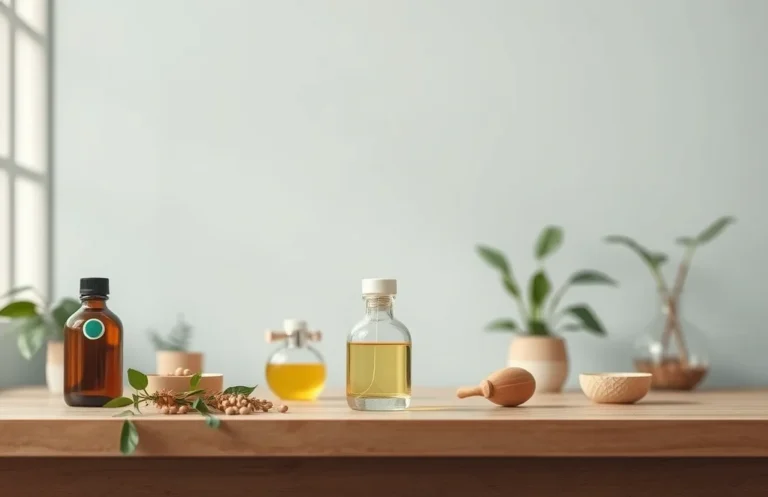
Components of a hair spa often encompass cleansing, moisturizing, and revitalizing products. Professional treatments may utilize essential oils, herbal extracts, and therapeutic formulations. Each ingredient aims to target specific hair issues, such as dryness, brittleness, or lack of shine.
Sessions generally follow a structured approach, starting with a thorough wash to remove impurities and product buildup. Following the cleansing, a nourishing mask or treatment is applied, often accompanied by a relaxing scalp massage. This step not only enhances product absorption but also promotes blood circulation to the scalp.
Results from these treatments can be immediate, often leaving hair feeling softer and looking shinier. Regular sessions may contribute to long-term improvements, making them an investment worth considering for individuals facing hair damage.
Benefits for Damaged Hair
Restoration of damaged hair begins with targeted treatments designed to nourish and rejuvenate. Hair spa treatments provide deep conditioning that penetrates the hair shaft, repairing dryness and brittleness. Regular sessions can enhance moisture retention, leading to softer, more manageable hair.
- Improves elasticity and strength significantly. Regular spa treatments incorporate ingredients that fortify the hair structure, making it resilient against breakage. This is crucial for individuals who frequently style or color their hair.
- Enhances scalp health with therapeutic massages. Stimulating the scalp increases blood circulation, promoting healthier hair follicles. A healthy scalp is essential for growth and overall hair vitality.
- Reduces frizz and flyaways effectively. Specialized products used during treatments create a protective layer around each hair strand, smoothing the cuticle. This results in a sleeker appearance and improved styling ease.
- Boosts shine and vibrancy instantly. Many hair spa treatments contain oils and serums that impart a natural luster to dull hair. Enhanced shine can significantly transform the overall look and feel of your hair.
- Offers relaxation and stress relief. The experience of a hair spa goes beyond just hair care; it provides a calming environment that can reduce stress levels. Lower stress can positively impact hair health and growth.
Ingredients Used in Treatments
Key ingredients in hair spa treatments significantly improve the health of damaged hair. Focusing on nourishing properties, these components target dryness, brittleness, and overall hair vitality. Selecting the right ingredients can enhance the effectiveness of the treatment, making it a worthwhile investment for restoring your hair.
- Coconut oil delivers deep moisture.
- Argan oil contains essential fatty acids.
- Aloe vera soothes and repairs the scalp.
- Honey acts as a natural humectant.
- Shea butter provides rich conditioning benefits.
Research indicates that these ingredients help to restore shine and manageability, making hair more resilient against environmental stressors. Incorporating these elements in treatments is crucial for achieving desired results. Always check product labels to ensure these beneficial ingredients are present when considering a hair spa treatment.
Treatment Process Explained
Steps involved in a hair spa treatment are crucial for revitalizing damaged hair. Each step addresses specific concerns while enhancing overall hair health. Here’s a breakdown of the typical process:
- Consultation begins the process, where a stylist assesses your hair type, condition, and specific needs. Discuss any concerns or previous treatments to tailor the spa experience effectively.
- Shampooing follows, using a gentle cleanser to remove dirt and product buildup. This step prepares the hair for deeper treatments by ensuring a clean foundation.
- Scalp massage promotes relaxation and stimulates blood circulation, which can enhance hair growth. Usually performed with essential oils, this step also helps to alleviate tension.
- Applying a specialized hair mask nourishes and repairs damaged strands. Ingredients vary based on your hair’s needs, targeting moisture, strength, or shine.
- Heat application may involve a steam treatment or a warm towel wrap. Heat helps to open the hair cuticles, allowing the mask to penetrate more deeply for maximum effectiveness.
- Rinsing concludes the treatment, where the mask is thoroughly washed out. This ensures no residue is left, which could weigh down the hair.
- Final styling is provided based on personal preference, allowing you to see the immediate results of the treatment. This step often includes blow-drying and styling products.
Frequency of Treatments
Scheduling hair spa treatments optimally enhances recovery for damaged hair. Professionals suggest a frequency of once every 2 to 4 weeks. This interval allows the hair to absorb nutrients effectively while minimizing the risk of product buildup.
- Begin with treatments every 2 weeks for severely damaged hair. Immediate restoration is crucial, and more frequent sessions help deliver targeted nutrients.
- Transition to every 3 weeks after initial treatments. As the hair’s condition improves, spacing treatments allows for sustained health without overloading the hair.
- Opt for monthly sessions once hair shows significant recovery. This maintenance phase supports ongoing nourishment and protects against future damage.
- Monitor your hair’s response closely. Adjust frequency based on how your hair feels and looks, ensuring you address specific needs or concerns.
Incorporating these treatments consistently can significantly improve your hair’s texture and strength. Investing in regular sessions is worthwhile for achieving long-term health and resilience.
Potential Side Effects
Hair spa treatments can sometimes lead to side effects, particularly if the products used contain harsh chemicals. Common reactions include scalp irritation, allergic reactions, or even hair fallout in extreme cases. Consulting a professional before treatment is crucial to identify any sensitivities you may have.
Skin sensitivities might arise from certain oils or masks. Ingredients like essential oils or fragrances can trigger reactions in individuals with sensitive skin. Always perform a patch test before applying new products to your scalp to avoid unwanted irritation.
Over-treatment can also weaken hair. Excessive spa sessions might lead to protein overload, causing hair to become brittle and more prone to breakage. Balance is essential; maintaining a schedule that allows your hair to recuperate is necessary for effective healing.
Expense can be another consideration. Investing in frequent treatments might strain your budget if you opt for high-end salons. Weigh the potential benefits against the cost to determine if these treatments align with your financial goals, especially for long-term hair health.
Cost vs. Benefits Analysis
Evaluating hair spa treatments reveals significant benefits for damaged hair. Regular sessions can enhance moisture retention, reduce breakage, and restore shine. Clients often experience improved hair texture and manageability, making these treatments worthwhile investments for healthier locks.
Analyzing costs involves considering both immediate and long-term effects. While upfront expenses may seem high, the potential for fewer split ends and reduced need for corrective treatments can lead to overall savings. Investing in quality products during spa sessions further amplifies results.
Comparing alternatives is crucial for informed decisions. Home treatments may offer convenience but often lack the professional-grade products and techniques found in salons. Hair spas deliver personalized care that targets specific issues, ensuring optimal results for your unique hair type.
Prioritizing routine maintenance is essential. Scheduling regular spa treatments can help sustain hair health over time. Establishing a consistent care regimen, alongside spa visits, maintains improvements and prevents future damage, maximizing your investment.
Ultimately, evaluating the personal impact of hair spa treatments encourages informed choices. If you prioritize hair health, consider incorporating these treatments into your routine for lasting benefits. Your hair deserves the care that professional spa services provide.
Quick Summary
- Hair spa treatments can help repair and nourish damaged hair.
- They often include deep conditioning, which adds moisture and shine.
- Regular hair spa sessions can strengthen hair and reduce breakage.
- Hair spas may use natural oils and ingredients that promote scalp health.
- Results can vary based on hair type and extent of damage.
- It is important to choose the right products tailored for your hair’s needs.
- Consulting with a professional can enhance the benefits of a hair spa treatment.
Frequently Asked Questions
1. What is a hair spa treatment?
A hair spa treatment is a deep conditioning service that nourishes and revitalizes damaged hair. It typically involves a combination of massage, cleansing, and the application of hair masks or oils to restore moisture and shine.
2. Is a hair spa treatment effective for damaged hair?
Yes, hair spa treatments can be effective for damaged hair as they help to repair and hydrate the hair shaft. Regular treatments can improve hair texture, reduce frizz, and promote overall hair health.
3. How often should I get a hair spa treatment?
For best results, it is recommended to get a hair spa treatment every 2 to 4 weeks, depending on the severity of your hair damage. This frequency allows for ongoing nourishment and maintenance of your hair’s health.
4. Are there any side effects of hair spa treatments?
Generally, hair spa treatments are safe, but some individuals may experience allergic reactions to specific products used. It’s important to communicate any sensitivities to your stylist and perform a patch test if trying new products.
5. Are hair spa treatments worth the investment?
Many people find hair spa treatments to be worth the investment due to the immediate improvement in hair health and appearance. They can also serve as a relaxing self-care experience, making them beneficial for both hair and mental well-being.

- 7 Best Detangling Brushes for Curly Hair: Thick, Fine, Long & Natural Hair - September 25, 2026
- 5 Best Moisturizing Curl Defining Creams for Soft, Defined Curls - September 24, 2026
- Best Curl Creams for Straight Hair: 5 Top Picks for Women - September 24, 2026