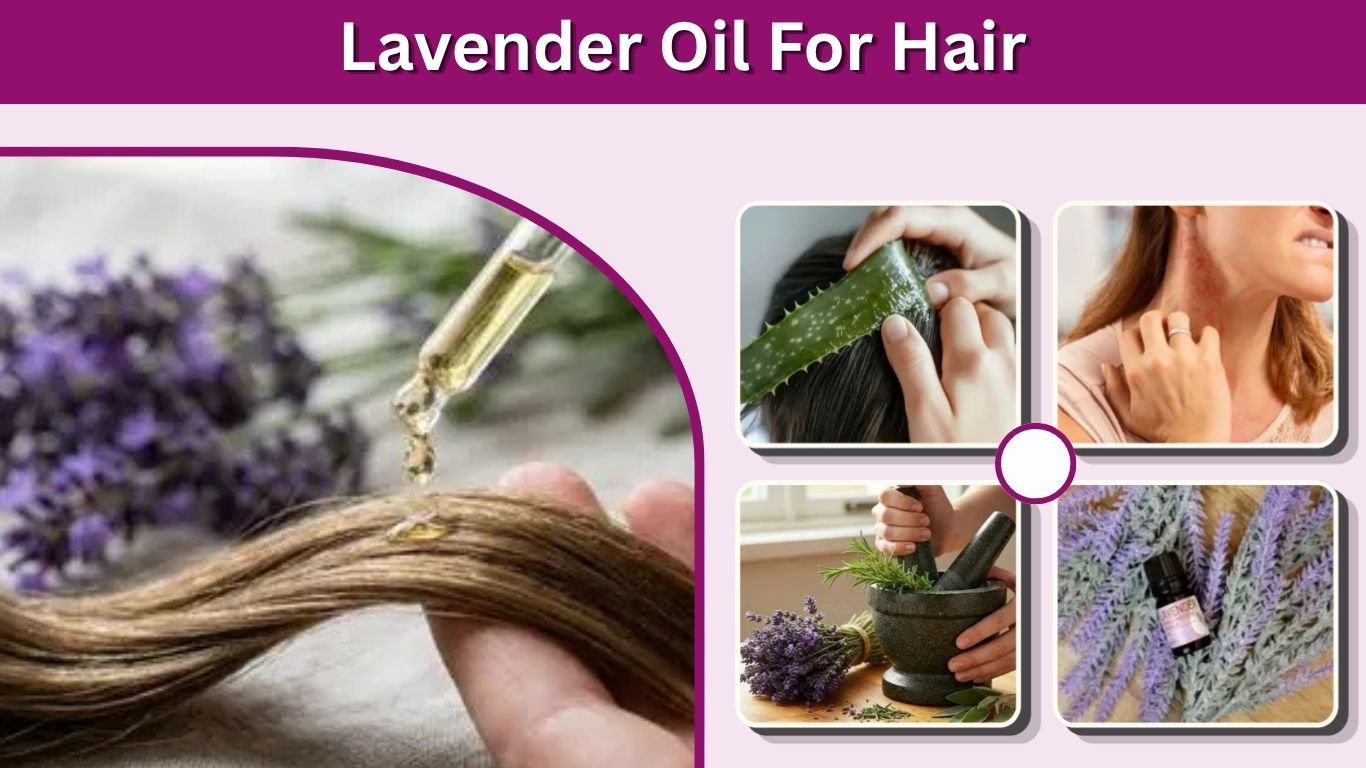
Lavender Oil For Hair: My Honest Routine And Real Results
I started using lavender oil on my hair almost by accident. I bought a small bottle for my diffuser and one night, out of curiosity, I added a couple of drops to my regular hair oil before a scalp massage. My scalp felt calm almost right away and the smell alone helped me sleep better that night. A few months of regular use later, I noticed less shedding on my brush and a scalp that felt genuinely healthier, not just temporarily soothed. This is not a miracle oil, but it earns a real place in a hair care routine.
| Quick Facts | Details |
|---|---|
| Best For | Scalp irritation, mild shedding, stress related hair thinning |
| How Often | 2 to 3 times per week, diluted with a carrier oil |
| Time To Notice Results | 8 to 12 weeks of consistent use |
How I Use Lavender Oil in My Hair Care Routine
Lavender oil never goes on my scalp straight from the bottle. I always mix it with a carrier oil first, since undiluted essential oils can irritate the skin. My routine rotates between a scalp massage, an overnight treatment, and a few drops blended into my regular shampoo. I keep sessions short and consistent rather than heavy and occasional, since I have found steady small doses work far better than one big application every few weeks. Below are the four methods that make up my actual weekly routine.
Mixing With Carrier Oils
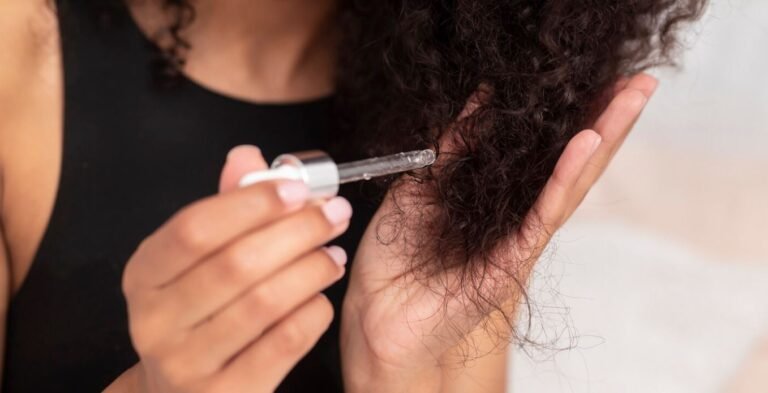
I combine about 4 to 5 drops of lavender oil with a tablespoon of jojoba or coconut oil before every application. This dilution protects my scalp from irritation while still letting the calming scent and properties come through. I warm the mixture slightly between my palms first, which seems to help it spread evenly through my roots without leaving my hair feeling greasy by the next morning.
Scalp Massage Technique
Twice a week I spend about five minutes massaging the diluted oil into my scalp using my fingertips in small circles, working from the hairline back toward the crown. This step matters as much as the oil itself, since the massage boosts circulation to the hair follicles. I do this in the evening when I have time to relax, and honestly it has become one of the more soothing parts of my week.
Overnight Treatment
Once a week I leave the mixture in overnight under a soft cotton cap to protect my pillowcase. This longer contact time gives the oil more chance to work into the scalp and along the hair shaft. I rinse it out the next morning with my regular shampoo, and my hair usually feels softer and smells faintly floral for the rest of the day.
Adding to Shampoo
On weeks when I skip the standalone treatment, I add two or three drops of lavender oil directly into a palmful of shampoo before washing. It is a smaller dose so I do not expect dramatic results from this method alone, but it keeps a light, consistent exposure going and the scent makes an ordinary shower feel a bit more like self care.
What Science Says About Lavender Oil and Hair Growth
Before I trusted this oil with my own routine, I looked into what actual research says rather than relying on marketing claims. The evidence is smaller in scale than I expected, mostly animal studies and a handful of human trials, but it does point toward real benefits for scalp health and possibly for hair growth. It is not a proven cure for baldness, and anyone selling it that way is overstating the science. The honest picture is more modest, and more useful.
Follicle Stimulation Research
A well cited animal study found that lavender oil applied to skin encouraged faster hair growth and increased the number of hair follicles compared to a control group. Human data is thinner, but the mechanism, improved local circulation and follicle activity, lines up with what people report anecdotally. It is promising early evidence rather than a confirmed treatment.
Antimicrobial and Scalp Health Benefits
Lavender oil has documented antibacterial and antifungal properties, which matters because scalp infections and buildup can quietly contribute to shedding. A cleaner, calmer scalp environment gives existing follicles a better chance to function normally. This benefit is better supported by research than the direct growth claims are.
Stress Reduction and Hair Loss Connection
Chronic stress is a known trigger for telogen effluvium, a form of temporary hair shedding. Lavender is one of the more studied essential oils for reducing anxiety and improving sleep quality when inhaled or used in massage. Calmer stress levels will not regrow hair directly, but they can remove one contributing cause of loss.
What the Studies Do Not Prove
No solid clinical trial shows lavender oil outperforming proven treatments like minoxidil for pattern hair loss. It also has not been shown to reverse genetic or hormonal hair thinning on its own. I treat it as a supportive step in a wider routine, not a replacement for medical treatment when that is what someone actually needs.
Benefits I Have Personally Noticed
Setting the research aside, here is what changed for me after several months of consistent use. I want to be clear that results vary from person to person, and my hair type and starting scalp condition shaped what I experienced. Still, these four changes were consistent enough that I no longer think they were coincidence, and they line up closely with what the available research would predict.
Reduced Shedding
The clearest change was fewer strands left on my brush and pillow each morning. I did not measure this scientifically, but the difference was noticeable enough that my partner asked if I had changed shampoo. It took close to two months of steady use before I noticed this shift.
Calmer, Less Itchy Scalp
I used to deal with mild scalp itchiness, especially in drier months. Within a few weeks of regular lavender oil massages, that itchiness dropped noticeably. This tracks with the antimicrobial and anti inflammatory properties the oil is known for.
Softer Texture Over Time
My hair felt softer at the roots specifically, likely from the carrier oil as much as the lavender itself. The ends did not change much unless I applied the mixture there directly, which makes sense since the scalp benefits are more localized.
Better Sleep, Indirectly Better Hair
The evening massage routine improved my sleep quality, and better sleep tends to support healthier hair growth cycles overall. This was an unexpected side benefit rather than something I set out to achieve, but it turned out to matter more than I initially gave it credit for.
| Oil | Main Benefit |
|---|---|
| Lavender Oil | Calms scalp, supports circulation, reduces stress related shedding |
| Rosemary Oil | Stronger evidence for hair growth stimulation, sharper scent |
| Peppermint Oil | Cooling sensation, boosts blood flow, can irritate sensitive skin |
DIY Lavender Oil Hair Recipes I Actually Use
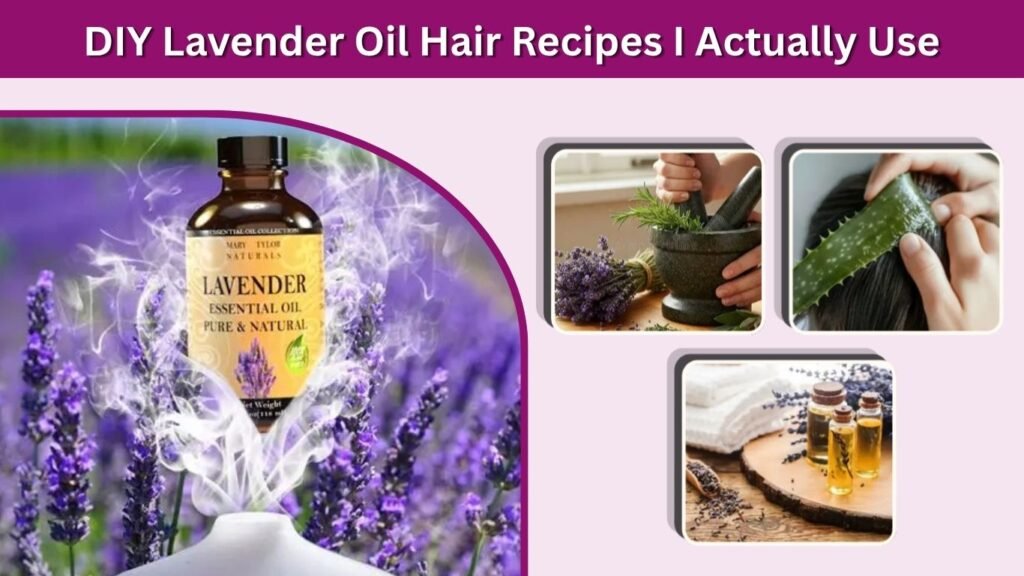
These are recipes I mix at home rather than buy premade, mainly because it is cheaper and I know exactly what goes into each blend. None of them require special equipment, just a small glass bottle and the base ingredients listed. I rotate between these depending on what my scalp and hair need in a given week, and each one takes only a few minutes to prepare.
Lavender and Rosemary Growth Blend
I combine 4 drops lavender oil, 3 drops rosemary oil, and 2 tablespoons jojoba oil in a small dark glass bottle. This pairs lavender’s calming effect with rosemary’s stronger growth focused reputation. I massage it in twice weekly and store the extra mixture away from direct sunlight to keep it fresh.
Lavender and Aloe Vera Scalp Soother
For an itchy or irritated scalp, I mix 3 drops lavender oil into 2 tablespoons pure aloe vera gel. The lighter, water based texture feels less heavy than oil alone and absorbs faster. I apply it directly to the scalp and leave it on for about twenty minutes before rinsing.
Lavender Hot Oil Treatment
I warm 3 tablespoons coconut oil with 5 drops lavender oil for a deeper conditioning treatment. After warming it gently, never in the microwave directly, I apply it from roots to ends and wrap my hair in a warm towel for thirty minutes. This is my monthly deep treatment rather than a weekly habit.
Lavender Leave In Mist
In a spray bottle I combine distilled water, 2 drops lavender oil, and a small amount of witch hazel to help the oil disperse evenly. I spritz this on damp hair after washing for a light scent and a bit of frizz control throughout the day.
Choosing a Quality Lavender Oil
Not every bottle labeled lavender oil is created equal, and this matters more than people realize when they are disappointed by results. Synthetic fragrance oils smell similar but lack the therapeutic compounds found in true essential oil. I learned this the hard way after buying a cheap bottle that did nothing for my scalp until I switched brands. A little label reading upfront saves money and frustration later.
Look for Pure Essential Oil, Not Fragrance Oil
The label should say one hundred percent pure essential oil, not fragrance oil or perfume oil. Fragrance oils are synthetic and made purely for scent, offering none of the scalp or circulation benefits real lavender oil provides. This is the single most common mistake first time buyers make.
Check the Latin Name on the Label
Quality brands list the botanical name, Lavandula angustifolia, directly on the bottle. This confirms the species used, since some lavender varieties have different chemical profiles and uses. If a bottle only says lavender with no botanical name, treat that as a warning sign.
Consider the Extraction Method
Steam distillation is the standard, trusted method for extracting essential oils without introducing chemical solvents. Reputable brands are usually transparent about their extraction process on the packaging or their website. If that information is nowhere to be found, I move on to a different brand.
Patch Test Before Full Use
Even pure, high quality lavender oil can cause a reaction in some people. I always test a small diluted amount on my inner arm and wait twenty four hours before applying anything new to my scalp. This single habit has saved me from a few uncomfortable reactions over the years.
Safety and Side Effects to Know
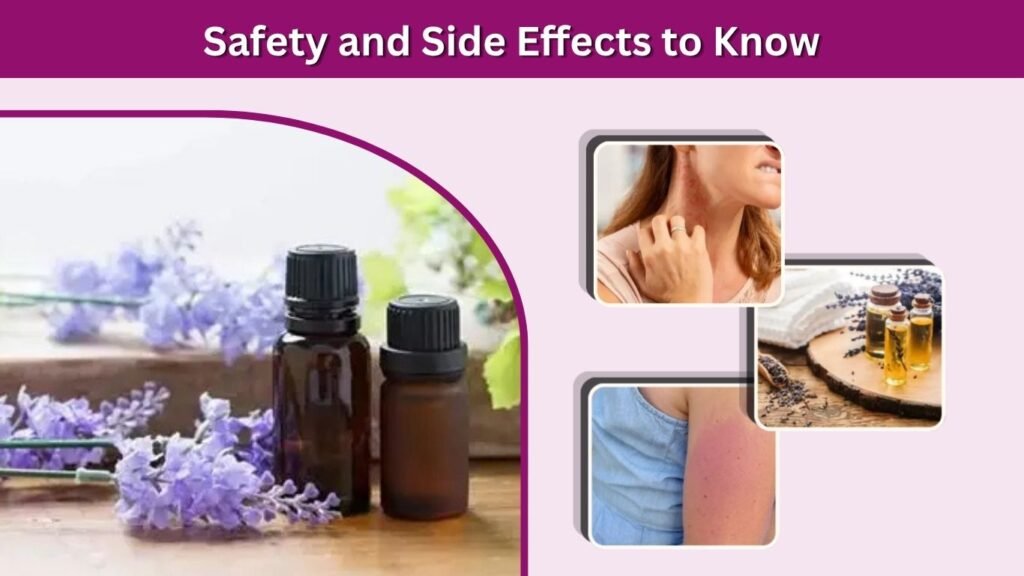
Lavender oil is generally considered gentle compared to stronger essential oils, but gentle does not mean risk free. A few groups of people should be more cautious, and everyone benefits from understanding the realistic downsides before starting a new routine. I ran into two of these issues myself early on, which is part of why I take the precautions seriously now.
Skin Irritation and Allergies
Some people experience redness, itching, or a mild rash from lavender oil, especially when used undiluted. Anyone with sensitive skin or a history of allergies to plants in the mint family should be extra cautious. Diluting properly and patch testing reduces this risk significantly.
Sun Sensitivity
Unlike citrus oils, lavender is not typically photosensitizing, but any new topical product can occasionally increase skin sensitivity. If irritation appears after sun exposure following application, it is worth pausing use and monitoring the reaction before continuing.
Use During Pregnancy
Essential oil safety during pregnancy is debated, and lavender oil is generally viewed as low risk in small diluted amounts, but this is a conversation worth having with a doctor first. I am not a medical professional, and anyone pregnant or nursing should get personalized guidance before adding any essential oil to their routine.
Interactions With Other Scalp Treatments
Combining lavender oil with strong medicated shampoos or prescription scalp treatments can sometimes cause unexpected irritation. I space out my lavender oil sessions from any medicated treatment days to avoid overloading my scalp. When in doubt, a dermatologist can advise on safe combinations.
| Timeline | What to Expect |
|---|---|
| Weeks 1 to 3 | Calmer scalp feel, pleasant scent, minimal visible change |
| Weeks 4 to 8 | Reduced itchiness, some reports of less shedding |
| Weeks 9 to 12 | Softer texture near roots, more noticeable shedding reduction |
Common Mistakes People Make With Lavender Oil
Most disappointing experiences with lavender oil trace back to a handful of avoidable mistakes rather than the oil itself failing to work. I made a couple of these mistakes myself before figuring out a routine that actually delivered results. Avoiding these four issues will save time and prevent unnecessary irritation along the way.
Applying It Undiluted
Pouring lavender oil directly onto the scalp without a carrier oil is the fastest way to cause irritation. Even oils considered gentle need dilution before skin contact. A ratio of a few drops per tablespoon of carrier oil is a safe general starting point.
Expecting Overnight Results
Hair grows in cycles that take months, not days, so expecting visible change within a week sets people up for disappointment. Consistency over eight to twelve weeks is what actually reveals whether the oil is working for a given person.
Skipping the Patch Test
Skipping this step to save time is tempting, but it is also how avoidable reactions happen. A twenty four hour patch test costs almost nothing and prevents a much worse scalp reaction later.
Using Low Quality or Synthetic Oil
Choosing the cheapest bottle available often means paying for scent without any real benefit. Spending slightly more on a verified pure essential oil makes a real difference in whether the routine works at all.
Who Should Be Extra Careful With Lavender Oil
Most people can use diluted lavender oil without issue, but a few groups should approach it more carefully or skip it entirely. I learned about some of these cautions only after talking with a dermatologist about my own routine, and they changed how I recommend this oil to friends and family. None of this is meant to replace professional medical advice for anyone with existing conditions.
People With Very Sensitive or Broken Skin
If the scalp has open cuts, active eczema, or a recent chemical treatment like a relaxer or color service, lavender oil can sting or worsen irritation. Waiting until the scalp has fully healed is the safer approach in these situations.
Young Children
Essential oils are generally not recommended for infants and young children without direct pediatric guidance, since their skin absorbs products differently than adult skin. This is one product I keep well out of reach in my house.
Anyone on Hormone Sensitive Medication
Some early research raised questions about lavender oil and mild hormonal effects with heavy, prolonged exposure, though the evidence remains limited. Anyone on hormone related medication should mention essential oil use to their doctor just to be safe.
People With Known Fragrance Allergies
If perfumes or scented lotions have caused reactions before, lavender oil carries a similar risk profile. A patch test becomes even more important for this group, and a fragrance free alternative routine might be the better starting point.
How to Store Lavender Oil Properly
Proper storage keeps lavender oil effective for much longer and prevents the frustrating experience of a bottle losing its scent and benefits within a few months. I ruined one bottle early on by leaving it on a sunny windowsill, and the difference in quality afterward was obvious. A few simple habits now keep every bottle I buy lasting well over a year.
Keep It Away From Direct Sunlight
UV exposure breaks down the active compounds in essential oils over time, weakening both scent and effectiveness. I store my bottles in a cabinet drawer rather than on an open shelf near a window.
Use Dark Glass Bottles
Amber or cobalt glass blocks light far better than clear plastic or glass containers. Most quality lavender oils already come in dark bottles, and any diluted blends I make get transferred into similar dark containers.
Store in a Cool, Dry Place
Heat speeds up oxidation, so a bathroom cabinet near a hot shower is not the ideal spot despite being convenient. A bedroom drawer or closet shelf tends to stay cooler and more stable throughout the year.
Keep the Cap Tightly Sealed
Air exposure gradually degrades essential oils, so I always make sure the cap is fully closed right after each use. A loosely sealed bottle left open overnight can noticeably weaken the scent within just a few weeks.
Combining Lavender Oil With a Full Hair Care Routine
Lavender oil works best as one piece of a broader routine rather than a standalone fix, and I noticed the biggest improvements once I stopped treating it in isolation. Diet, sleep, and gentle hair handling all played a role alongside the oil itself. Here is how I fit it into the rest of my weekly hair care habits.
Pairing With a Gentle Shampoo
I switched to a sulfate free shampoo around the same time I started using lavender oil, which made it hard to separate the two effects at first. Over time I confirmed both changes contributed, since reintroducing a harsher shampoo brought some of the old dryness back.
Supporting With Diet and Hydration
No topical oil can fully compensate for poor nutrition or dehydration, both of which directly affect hair strength and growth. I made small dietary adjustments, more protein and water, alongside my oil routine for a more complete approach.
Reducing Heat Styling
Frequent heat styling was working against any progress the lavender oil routine was making, so I cut back significantly on blow drying and heat tools. This single change made as much visible difference as the oil itself in terms of overall hair condition.
Being Patient With the Full Routine
Combining several small, healthy habits works better than expecting one product to fix everything on its own. I gave the full routine a genuine three month trial before judging whether it was working, and that patience made all the difference.
My Honest Verdict After One Year
A full year into using lavender oil regularly, my honest take sits somewhere between skeptical and genuinely convinced. It has not transformed my hair dramatically, and I would be lying if I claimed it did. What it has done is quietly support a calmer scalp, slightly less shedding, and a relaxing weekly ritual that I genuinely look forward to.
What Improved Most
Scalp comfort improved the most clearly and consistently over the full year, more than any change in hair thickness or growth speed. That single benefit alone has kept me using it long after the initial curiosity wore off.
What Stayed the Same
My overall hair density looks about the same as it did a year ago, which lines up honestly with the limited scientific evidence for dramatic growth claims. I did not expect a transformation, and I did not get one.
Would I Recommend It
Yes, but with realistic expectations set from the start. It is a low cost, low risk addition to a hair care routine, not a replacement for medical treatment when someone needs a stronger intervention.
What I Would Tell My Past Self
Start with a properly diluted patch tested version from week one, rather than experimenting carelessly like I did early on. A slower, more careful start would have saved me a mildly irritated scalp during my first two weeks of use.
Lavender Oil vs Other Popular Hair Oils
People often ask how lavender oil compares to the more famous names in hair oil routines, like castor oil or argan oil. Each of these oils serves a slightly different purpose, and understanding the differences helped me build a routine that uses more than one oil for different needs rather than expecting a single bottle to do everything.
Lavender Oil vs Castor Oil
Castor oil is thick, heavy, and prized mainly for sealing moisture and thickening the appearance of strands over time. Lavender oil is lighter, better absorbed, and more focused on scalp comfort than on coating the hair shaft itself.
Lavender Oil vs Argan Oil
Argan oil shines as a finishing oil for shine and frizz control on the ends of the hair, while lavender oil works mainly at the scalp level. I actually use both together, argan on the ends and lavender near the roots, without any conflict between them.
Lavender Oil vs Tea Tree Oil
Tea tree oil is stronger and more clinical in its antifungal effect, often used for more stubborn dandruff or buildup issues. Lavender oil offers a gentler, more calming alternative for people whose scalp concerns are mild rather than severe.
When to Choose Lavender Over the Others
I reach for lavender oil specifically when stress, mild irritation, or general scalp discomfort are the main concerns rather than a stubborn dandruff issue or a need for heavy moisture sealing. Matching the oil to the actual problem makes any hair care routine noticeably more effective.
Frequently Asked Questions
These are the questions I get asked most often when people learn I use lavender oil regularly. I have kept the answers honest rather than overly optimistic, since overselling this oil would not serve anyone looking for a genuine, useful routine.
Can Lavender Oil Regrow Hair
It is not proven to regrow hair on its own, especially in cases of genetic hair loss. It can support a healthier scalp environment, which may help reduce shedding and support the hair a person already has.
How Long Before I See Results
Most people, myself included, need eight to twelve weeks of consistent use before noticing any meaningful change. Anything faster than that is likely a placebo effect from the pleasant scent and relaxing routine.
Can I Use It Every Day
Daily use is possible if properly diluted, but two to three times per week is usually enough to see benefits without overloading the scalp. More frequent use does not necessarily speed up results.
Does It Work for All Hair Types
The scalp benefits apply broadly across hair types, though very oily scalps may want to use it more sparingly. Curly and coily hair types often benefit from the added moisture the carrier oil provides.
Lavender oil earned its place in my routine slowly, through months of small, consistent use rather than a dramatic before and after moment. If you are dealing with a stressed, itchy scalp or mild shedding tied to stress, it is a low risk addition worth trying alongside good sleep, a balanced diet, and patience. Just keep expectations realistic, choose a quality oil, and give it the time it actually needs to work.

- What To Avoid After Prp Hair Treatment? - August 28, 2026
- What Is The Malibu Treatment For Hair? - August 27, 2026
- What Is Malibu Hair Treatment? - August 27, 2026