Unveiling Nature’s Palette: The Fascinating World of Rare Hair Colors
Only about 2% of the world’s population has natural red hair, making it one of the rarest hair colors globally. This striking hue not only stands out but also invites curiosity about its origins and the beauty of rare hair color options.
Exploring rare hair colors can lead to vibrant shades like lavender, silver, or even blue. Each unique color requires specific maintenance and may suit different skin tones, so consider your lifestyle and personal style before making a change.
Most Common Hair Colors
Natural hair colors vary widely, with black, brown, blonde, and red being the most prevalent shades. Each hue is influenced by genetics and melanin production, which determines the darkness or lightness of the hair. Black hair, for instance, is the most common globally, followed by shades of brown. Blonde hair is less frequent, while red is quite rare, making these colors particularly unique.
Rare hair colors often emerge through specific genetic combinations or mutations. For example, shades like platinum blonde, silver, or even pastel hues can occur naturally but are considered uncommon. Genetic variations contribute to these stunning colors, making them stand out even more. Many individuals seek to replicate these rare shades through dyeing techniques and products.
Caring for rare hair colors requires special attention to maintain vibrancy. Products designed for color-treated hair can help preserve these unique shades, ensuring they remain bright and beautiful. Regular conditioning treatments and UV protection can also enhance the longevity of your color, so don’t overlook the importance of a proper hair care routine.
Genetics of Hair Color
Genes directly influence hair color, determining the unique pigments that give our hair its hue. Melanin, produced by melanocytes, comes in two types: eumelanin (black and brown) and pheomelanin (red and yellow). Variations in these pigments account for the wide spectrum of colors, while rare shades result from specific genetic combinations that are less common in the population.
Multiple genes participate in hair color determination, particularly the MC1R gene, which is crucial for red hair. Alterations in this gene can lead to rare colors or unique shades that may not be found in most individuals. Genetic mutations can also produce unexpected results, creating colors that are strikingly different from parental traits.
Environmental factors and aging can also play roles in hair pigmentation. Sun exposure often lightens hair, while aging can lead to graying, which is a loss of melanin production. These changes remind us that hair color is not just genetically predetermined but can be influenced by external elements as well.
Understanding the genetic basis helps in appreciating the rarity of certain hair colors. Exploring your own genetics may uncover unique traits that you can embrace, whether natural or through color treatments. Experimenting with shades that reflect your individuality can be a fun way to express yourself.
Rare Natural Hair Colors
Identifying the rarest hair colors involves recognizing the unique genetic variations that result in unusual shades. Natural hues like platinum blonde, deep auburn, or true black are considered rare. Each of these colors occurs in a small percentage of the population, making them highly sought after for their distinctiveness.
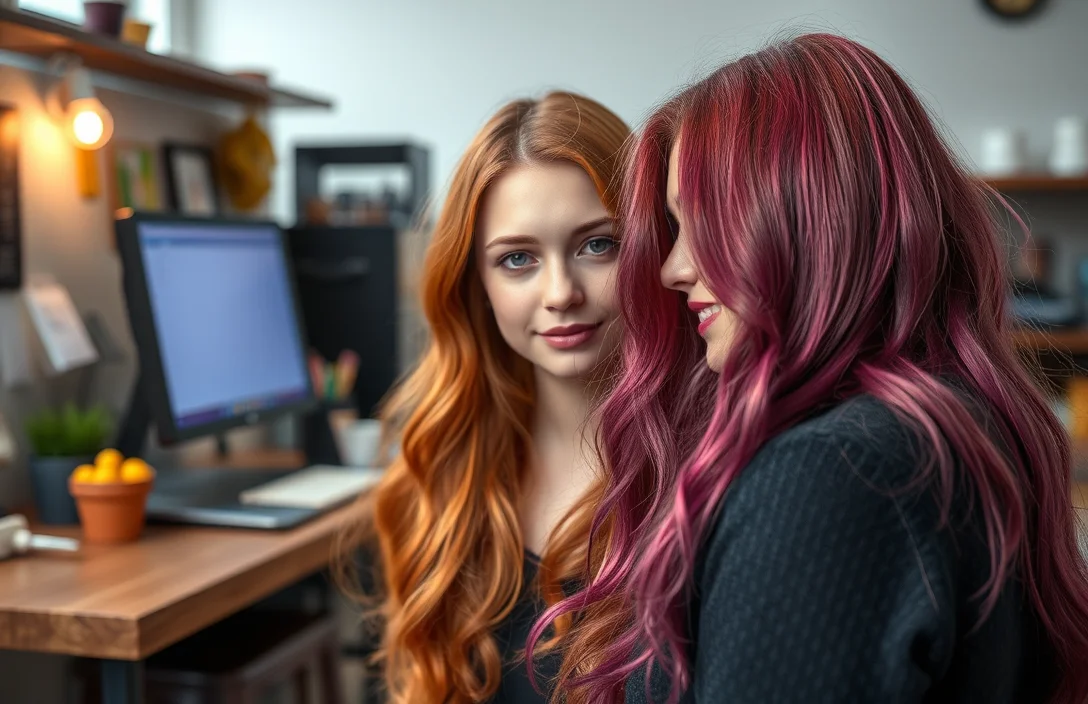
Red hair stands out as the rarest natural color globally, with only about 1-2% of people possessing this striking hue. Its vibrant tones range from copper to deep burgundy. Genetics play a significant role, as red hair is linked to specific gene variants, making it a captivating choice for self-expression.
Platinum blonde is also exceptionally rare, often resulting from a lack of melanin. This icy shade can be both stunning and challenging to maintain. Using the right shampoo and conditioner designed for color-treated hair is essential to keep it looking fresh and vibrant.
Deep black hair, while more common in certain regions, can still be considered rare in places where lighter shades dominate. This rich color often shines with a blue or purple undertone, adding depth and intrigue. Highlighting techniques can enhance its beauty, creating a striking contrast.
Dyeing Techniques for Rarity
Blending colors creates unique shades. Techniques like balayage or ombre allow you to mix rare hues with your natural color. For instance, combining soft lavender with dark brown can yield an eye-catching look. Experimenting with these methods yields a distinctive style that stands out.
Employing semi-permanent dyes offers flexibility. These products fade over time and allow you to change your look without long-term commitment. They are perfect for trying out rare colors like pastel pink or icy blue, which can brighten your appearance. Frequent touch-ups can keep the vibrancy alive.
Investing in high-quality products ensures longevity. Brands specializing in vibrant colors often provide better pigments that last longer and fade more gracefully. Look for dyes that include conditioning agents to maintain hair health while achieving stunning shades.
Utilizing color-safe shampoos is essential for maintenance. These products help preserve the vibrancy of rare hair colors, allowing you to enjoy your bold choices for longer. Avoiding harsh chemicals will protect your strands from fading quickly.
Cultural Significance of Colors
Colors deeply influence cultural identity and personal expression. Rare hair colors, such as vibrant blues, greens, or pastel shades, often symbolize individuality and creativity. Different cultures attach various meanings to colors, which can affect how these unique hair colors are perceived. For instance, blue may represent calmness in one culture but signify sadness in another.
Expressing uniqueness through rare colors resonates strongly with youth culture. Many young people choose unconventional hues to stand out or make a statement about their identity. This trend aligns with broader movements in fashion and art, where self-expression is celebrated. Embracing a rare hair color can even serve as a form of rebellion against societal norms.
Choosing a rare hair color can also spark conversations about diversity and inclusivity. As more people embrace these bold shades, it challenges traditional beauty standards and expands the definition of attractiveness. Social media platforms amplify this change, showcasing various styles and inspiring others to explore their own hair color journeys.
Maintaining a rare hair color requires dedication and care. Specific products, such as sulfate-free shampoos and color-depositing conditioners, help preserve vibrancy. Regular touch-ups and professional guidance ensure the color remains fresh and striking. Understanding these maintenance aspects is crucial for anyone considering a dramatic hair transformation.
Famous People with Rare Colors
Celebrities often set trends, showcasing rare hair colors that inspire fans. Take Billie Eilish, for instance, who has rocked vibrant greens and blues, captivating audiences worldwide. Her bold choices highlight how unique colors can become a signature look, making a statement about individuality and creativity.
Rihanna is another influential figure, having experimented with shades like deep burgundy and pastel pink. Her adventurous spirit encourages young fans to explore distinctive colors that reflect their personality. Not only do these colors stand out, but they also provide inspiration for those wondering what rare hues might suit them.
Lady Gaga exemplifies versatility with her eclectic hair colors, ranging from platinum blonde to striking lavender. Her fearless approach showcases the beauty of rare hair colors, demonstrating that anyone can embrace unique shades that resonate with their style. Emulating her looks can help beginners find their own path in hair expression.
Harry Styles has made headlines with his bold hair choices, including a rich chestnut and bright pink. His confidence in sporting these hues encourages others to experiment with colors outside traditional norms. This attitude makes it easier for fans to envision themselves in rare shades, enhancing self-expression.
Seasonal Hair Color Trends
Experimenting with rare hair colors requires seasonal awareness. Colors like dusty rose and soft lavender shine in spring, while deep jewel tones like emerald and amethyst are perfect for fall. Keeping in tune with seasonal trends not only refreshes your look but also complements your wardrobe. Choosing the right shade for the time of year enhances your overall style.
Maintaining vibrancy is crucial for rare colors. Use color-safe shampoos and conditioners to prolong the life of your hue. Regularly deep condition your hair to keep it healthy and prevent fading. Protecting from UV rays is essential, as sunlight can dull vibrant shades. Wearing hats or using UV protectant sprays helps maintain your color.
Consulting a professional stylist ensures you find the best shade for your skin tone. They can recommend colors that enhance your natural beauty while keeping your hair healthy. Personalization is key—what works for one person may not suit another, so tailored advice makes a significant difference. Taking the time to discuss your options will lead to a more satisfying outcome.
Documenting your color journey can inspire others. Sharing photos of your transformation on social media platforms helps create a supportive community around rare hair colors. Engaging with others who share similar interests allows for learning and inspiration. Celebrating unique looks fosters confidence and encourages continuous exploration in the world of beauty.
Quick Summary
- The rarest natural hair color is red, found in only about 1-2% of the world’s population.
- Other uncommon hair colors include white, gray, and blonde, with blonde being more prevalent than red.
- Genetics play a significant role in determining hair color, particularly for red hair, which is linked to specific gene variations.
- Cultural perceptions of hair color can vary widely, influencing trends and beauty standards.
- Age, geographic location, and ethnicity also impact the distribution of hair colors around the world.
- Hair color can change over time due to factors such as aging, sun exposure, and health conditions.
- Artificial hair coloring has made it possible for individuals to achieve rare hair colors regardless of their natural hue.
Frequently Asked Questions
What is the rarest natural hair color?
The rarest natural hair color is red, which occurs in only about 1-2% of the world’s population. Red hair results from a mutation in the MC1R gene and is most commonly found in individuals with Northern or Western European ancestry.
Can I achieve rare hair colors with dye?
Yes, you can achieve rare hair colors like pastel shades, vibrant blues, or even silver through hair dye. It’s important to choose high-quality dyes and consider pre-lightening your hair for the best results, especially with lighter shades.
How do I choose a rare hair color that suits my skin tone?
To find a rare hair color that complements your skin tone, consider warm tones for warmer complexions and cool tones for cooler complexions. Consulting with a professional stylist can also help you find a shade that enhances your natural beauty.
What maintenance is required for rare hair colors?
Rare hair colors often require regular touch-ups and specialized shampoos to maintain vibrancy. Additionally, using color-safe products and avoiding excessive heat styling can help preserve the integrity of your hair.
Are there any rare hair colors that are more suitable for everyday wear?
Some rare hair colors, like soft pastels or muted jewel tones, can be styled for a more everyday look. These shades tend to be less intense and can blend more seamlessly into your overall style, making them easier to maintain in daily life.

- What To Avoid After Prp Hair Treatment? - August 28, 2026
- What Is The Malibu Treatment For Hair? - August 27, 2026
- What Is Malibu Hair Treatment? - August 27, 2026