Why Do the Roots of My Hair Hurt? An In-Depth Look at Scalp Pain and Sensitivity
That uncomfortable, tender sensation at your hair roots is more than just a minor annoyance it’s a signal from your body that something may be amiss. This feeling, clinically known as scalp sensitivity or tenderness, can range from a mild prickling to severe pain that makes brushing or simply touching your hair a challenge . This comprehensive article explores the root causes of this discomfort, delves into the latest medical research, and offers practical solutions for finding relief.
The Phenomenon: What Exactly is Hair Root Sensitivity?
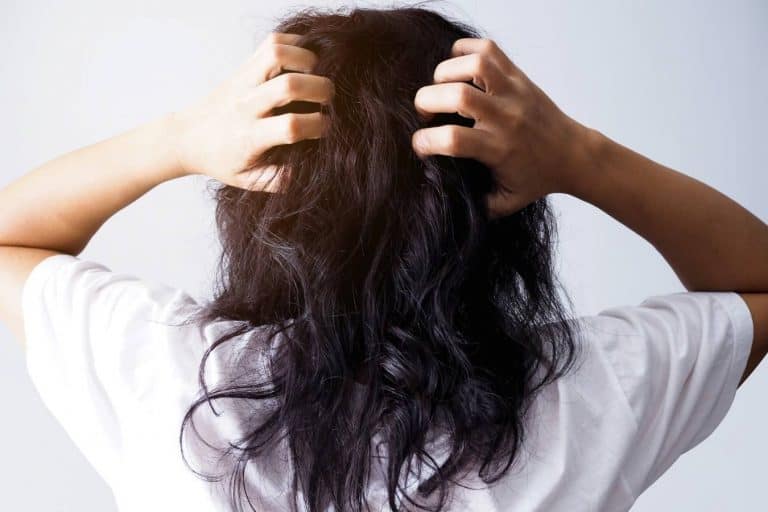
When people say “my hair roots hurt,” they are typically referring to pain or discomfort emanating from the scalp. This sensation can manifest in various ways, including tenderness, a burning feeling, itching, or a prickling sensation at the scalp’s surface . It’s often noticeable when moving the hair, such as during brushing, styling, or even while lying down. The medical community uses several terms to describe these symptoms, with trichodynia being a key one, particularly when this scalp pain is associated with hair loss .
The Underlying Mechanism: What Causes Pain at the Hair Follicles?
The “root” of a hair is a hair follicle, a complex, tube-like structure in the skin’s layers from which the hair shaft grows. The follicle is rich in nerve endings, making it highly sensitive to various stimuli. Pain can arise when these follicles or the surrounding scalp tissue become inflamed, irritated, or experience changes in pressure .
The pain you feel is a result of nociceptors—pain receptors in the skin—being activated. Research suggests that this activation can be caused by both peripheral sensitization (inflammation and irritation at the scalp level) and central sensitization (changes within the central nervous system that amplify pain signals) . Understanding this dual mechanism helps explain why the causes of a sore scalp can be so varied, ranging from a simple, tight hairstyle to more complex neurological conditions.
Primary Causes of Hair Root Pain
The reasons for a painful scalp can be grouped into several key categories: mechanical strain, underlying scalp conditions, product reactions, and neurological or systemic factors.
Mechanical and Lifestyle Factors
One of the most common and easily fixable causes of hair root pain is physical tension on the hair and scalp.
1. Traction Alopecia and Tight Hairstyles
Hairstyles that pull tightly on the roots—such as high ponytails, tight buns, braids, weaves, and extensions—place constant tension on the hair follicles. This can lead to inflammation and tenderness at the roots . Over time, this persistent pulling can damage the follicle, leading to a form of hair loss known as traction alopecia . This is why you might feel temporary relief the moment you let your hair down.
2. Tension Headaches
Muscle tension in the neck, shoulders, and scalp can lead to tension headaches, which often manifest as a tight band of pressure around the head. This can also cause associated scalp tenderness and pain at the hair roots .
Scalp and Hair Follicle Conditions
Several medical conditions affecting the skin on your head can directly cause your hair roots to hurt.
1. Folliculitis
Folliculitis is an inflammation or infection of the hair follicles . This condition can be caused by bacteria (most commonly Staphylococcus aureus), fungi, or even physical irritation from shaving . It results in small, red, itchy, and often painful bumps on the scalp that can be sore to the touch . The inflammation around the follicle is what causes that tender feeling at the root. If you have small, pus-filled pimples on your scalp, folliculitis is a likely culprit .
2. Scalp Psoriasis and Seborrheic Dermatitis
Both of these common skin conditions cause inflammation of the scalp. Scalp psoriasis is an immune-mediated condition that speeds up skin cell growth, leading to thick, silvery scales and often a sore, burning, or tender scalp . Seborrheic dermatitis, a form of eczema, causes red, scaly patches and stubborn dandruff, and the affected areas can feel itchy and sore .
3. Allergic Reactions (Contact Dermatitis)
Your scalp can be sensitive to ingredients in hair care products like shampoos, conditioners, hair dyes, and styling gels. Harsh chemicals like sulfates, parabens, or certain fragrances can act as irritants or cause an allergic reaction, leading to contact dermatitis. This manifests as an itchy, red, and painful scalp .
4. Tinea Capitis (Scalp Ringworm)
This is a fungal infection that affects the scalp and hair shafts. It can cause a red, itchy, scaly rash, patchy hair loss, and discomfort or soreness . The fungus attacks the hair shaft and follicle, leading to inflammation and tenderness.
Nerve-Related Pain and Systemic Conditions
Sometimes, the pain is not from the skin or hair follicle itself but from the nerves underneath.
1. Trichodynia and Hair Loss
As mentioned, trichodynia is a specific term for scalp pain, burning, or discomfort that is often seen in conjunction with hair loss conditions . Studies have found a high prevalence of trichodynia in individuals with telogen effluvium (stress-related hair shedding) and androgenetic alopecia (pattern baldness) . The exact mechanism is unclear, but it’s believed to involve inflammation and nerve sensitization around the hair follicles as they cycle abnormally. One study found that 35.7% of alopecia patients in their cohort experienced trichodynia .
2. Occipital Neuralgia
This is a specific type of headache disorder caused by damage or irritation to the occipital nerves, which run from the top of the spinal cord up through the scalp. It can cause a sharp, shooting, or throbbing pain at the back of the head and scalp that can be confused with hair root pain .
3. Migraines and Allodynia
Migraine sufferers often experience scalp tenderness and allodynia, a condition where normal, non-painful stimuli (like brushing your hair) feel painful . This is a classic sign of central sensitization, where the nervous system becomes hyper-responsive to sensation.
Psychological and Emotional Factors
Stress and anxiety can play a significant role in hair root pain. Muscle tension from stress can lead to headaches and scalp tenderness . Furthermore, studies have shown a link between trichodynia and psychiatric conditions like anxiety and depression . The stress of hair loss can itself be a source of anxiety, creating a vicious cycle that may heighten the perception of pain .
Diagnosis and When to Seek Professional Help

How is Scalp Pain Diagnosed?
A doctor or dermatologist will typically begin with a physical examination of your scalp. They will look for signs of redness, scaling, bumps, or hair loss . They may also ask detailed questions about your symptoms, hair care routine, and overall health. In some cases, they might perform a patch test to identify potential allergies or take a skin biopsy to examine the scalp tissue under a microscope for specific conditions like psoriasis or scarring alopecia .
When You Should See a Doctor
While many causes of scalp tenderness are temporary and benign, you should see a doctor if the pain is:
- Severe or persistent: Lasting for more than a few days without improvement.
- Accompanied by significant hair loss: Shedding large clumps of hair or noticing bald patches.
- Associated with signs of infection: Such as open sores, weeping blisters, or a fever .
- Accompanied by other worrying symptoms: Like vision changes, headaches, or signs of a systemic illness.
Treatment and Management: Finding Relief for Your Scalp
The treatment for a sore scalp is entirely dependent on the underlying cause. Here are some general and targeted strategies.
General Self-Care and Home Remedies
- Ease Up on Hairstyles: Give your hair a break by avoiding tight styles. Opt for loose, natural styles that don’t pull on the roots .
- Review Your Hair Care Products: Switch to a mild, sulfate-free, and fragrance-free shampoo and conditioner to reduce the risk of irritation .
- Use a Warm Compress: For conditions like folliculitis, applying a warm compress to the affected area can soothe inflammation and promote healing .
- Manage Stress: Practice relaxation techniques like yoga, meditation, or deep breathing to reduce muscle tension that may be contributing to the pain.
Medical Treatments (Based on Cause)
- For Folliculitis: If it’s bacterial, a doctor may prescribe a topical or oral antibiotic . For fungal causes, an antifungal cream or medicated shampoo would be required.
- For Psoriasis or Dermatitis: Treatment options often include medicated shampoos containing ingredients like coal tar or salicylic acid, as well as topical corticosteroids to reduce inflammation .
- For Allergies: The best treatment is simply identifying and eliminating the product causing the allergic reaction . A doctor can help with this.
- For Trichodynia: There is no specific treatment, but a doctor might consider neuromodulators, antidepressants, or oral corticosteroids to manage the pain .
Prevention
Preventing hair root pain is often about being mindful of your hair and scalp health. This includes being gentle with your hair, maintaining a healthy scalp, eating a balanced diet, and managing stress.
Conclusion
Pain at the roots of your hair is a common but multifactorial issue. It can stem from something as simple as a tight ponytail to more complex underlying conditions like infection, nerve disorders, or hair loss conditions. The key is to listen to your body’s signals. By identifying the potential cause—whether it be physical tension, a skin condition, a product reaction, or a neurological issue—you can take the right steps toward finding relief. If the pain is persistent, severe, or accompanied by hair loss, it is always best to seek professional medical advice for an accurate diagnosis and effective treatment plan.

- What To Avoid After Prp Hair Treatment? - August 28, 2026
- What Is The Malibu Treatment For Hair? - August 27, 2026
- What Is Malibu Hair Treatment? - August 27, 2026