Why Humidity Causes Oily Hair: Understanding and Managing the Issue
Humidity increases oil production in hair by up to 30%, causing it to look greasy more quickly. This happens because moisture in the air triggers sebaceous glands, which produce sebum, leading to oily hair and scalp. Understanding this phenomenon is essential for effective hair care.
Humidity causes oily hair due to increased sebum production and moisture absorption. The scalp’s natural oils mix with environmental humidity, leading to greasiness and flatness. Controlling these factors can improve hair’s appearance and maintain freshness even in humid conditions.
Humidity and Oil Production
Humidity significantly increases oil production in hair due to the body’s response to environmental changes. Higher moisture levels in the air stimulate sebaceous glands in the scalp, leading to excess oil secretion. As a result, hair can appear greasy and weighed down, especially in humid conditions.
- Humidity triggers sebaceous glands to overproduce oil, causing hair to feel oily.
- Increased moisture in the air decreases the evaporation rate of sweat, contributing to scalp oiliness.
- Warm temperatures often accompany humidity, which can exacerbate oil production and scalp sweat.
- Oily hair can attract dirt and pollutants, making regular cleansing essential to manage the issue.
- Choosing the right hair products, such as lightweight shampoos, can help mitigate oiliness during humid weather.
Scalp Sweat and Oily Hair
Scalp sweat significantly contributes to oily hair, especially in humid conditions. The moisture from sweat mixes with sebum, the natural oil produced by the scalp, creating a greasy appearance. High humidity levels increase perspiration, leading to a cycle where oily hair becomes more common.
Sweating occurs as the body regulates temperature, but it also affects the scalp’s oil balance. Excess sweat can wash away some oils but also stimulate the sebaceous glands to produce more sebum, compounding the problem. This dual effect can result in hair that feels and looks greasy.
Managing sweat can help mitigate oiliness. Regular washing with a suitable shampoo can remove excess sweat and oil, preventing buildup. Choosing products designed for oily hair can help control the situation, allowing you to maintain a fresher look for longer.
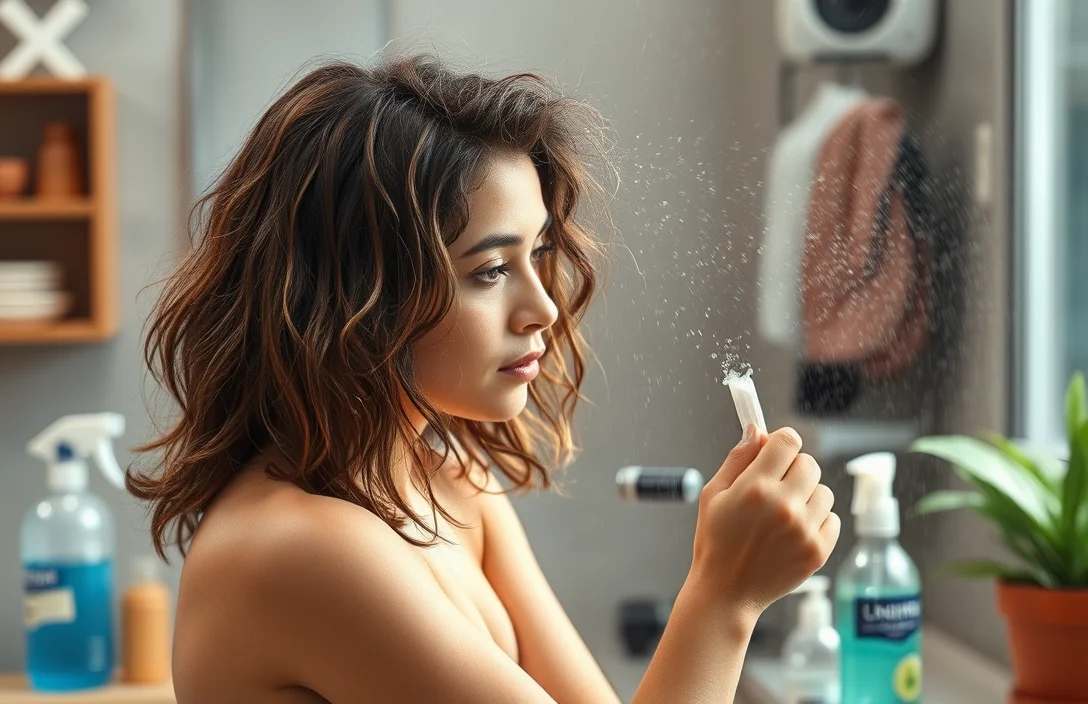
Using dry shampoo can be an effective temporary solution. This product absorbs excess oil and adds volume without the need for water. Spraying it on the roots can extend the time between washes, keeping hair looking cleaner and less oily.
Adjusting your hair care routine may also be beneficial. Consider using lighter styling products that don’t weigh hair down. Opting for lightweight conditioners can ensure that your hair stays hydrated without adding unnecessary grease.
Sebum Overproduction Factors
Humidity increases sebum production due to elevated temperatures. Warm environments stimulate sebaceous glands to produce more oil, leading to greasy hair. This becomes especially evident during hot, damp days, where the combination of heat and moisture forces the scalp to compensate by overproducing sebum.
Hormonal fluctuations also contribute to excess oil. Elevated levels of hormones, particularly androgens, can trigger sebaceous glands to become hyperactive. This often happens during puberty or menstrual cycles, resulting in oiler hair even in humid conditions.
Dietary choices influence sebum production significantly. High-fat and sugary foods can exacerbate oiliness by encouraging sebaceous gland activity. Maintaining a balanced diet rich in fruits, vegetables, and whole grains can help regulate oil levels in the hair.
Genetics play a pivotal role as well. If oily hair runs in your family, you may be predisposed to overactive sebaceous glands. Identifying this hereditary tendency allows you to anticipate and manage oily hair effectively.
Stress increases oil production through hormonal responses. Cortisol, the stress hormone, can stimulate sebaceous glands, leading to greasiness. Implementing stress management techniques like meditation or exercise can help reduce this effect.
Impact of Hair Products
Hair products can significantly influence oiliness, especially in humid conditions. Using the wrong type can lead to excessive buildup, making hair appear greasier. Many styling products, such as gels, creams, and oils, may contribute to an oily scalp, particularly when combined with humidity.
- Opt for lightweight formulas. Heavy products can weigh down hair and trap oil, exacerbating greasiness.
- Avoid oil-based products. These can add unnecessary moisture and increase the likelihood of oily hair in humid environments.
- Focus on clarifying shampoos. These shampoos help remove product buildup, allowing your scalp to breathe and reducing oiliness.
- Limit product usage. Applying fewer products can decrease the chances of buildup, keeping hair looking fresh and clean.
- Choose water-based products. These are less likely to clog hair follicles and can help maintain a balanced scalp environment.
Managing hair products is crucial to combatting oiliness during humid weather. By selecting the right products and using them wisely, you can maintain healthier, less oily hair.
Choosing the Right Shampoo
Select shampoos specifically designed for oily hair to combat excess greasiness effectively. Look for products labeled as “clarifying” or “deep cleansing,” as these formulations help remove buildup without stripping the hair of essential moisture.
Ingredients play a crucial role in managing oiliness. Seek out shampoos containing:
- Tea tree oil: Known for its antibacterial properties, it helps control oil production.
- Salicylic acid: A powerful exfoliant that removes dead skin cells and excess oil.
- Witch hazel: A natural astringent that can reduce oiliness and soothe the scalp.
Formulations that are sulfate-free can also be beneficial. These gentle cleansers maintain the hair’s natural moisture while effectively removing excess oil, making them suitable for frequent use, especially in humid conditions.
Testing different products may yield the best results. Experiment with various brands and formulations, noting how your hair responds. Keeping a consistent hair care routine with the right shampoo will help manage oiliness during humid weather.
Styling Techniques for Humidity
Utilize lightweight styling products to manage oily hair effectively in humid weather. Products like mousse or gel provide hold without the heaviness of creams or oils. Look for formulations labeled as “oil-free” or “matte finish” to avoid adding unnecessary shine and weight to your hair.
Experiment with updos for a practical solution. Styles such as buns or ponytails keep hair off your face and neck, reducing the appearance of oiliness. Additionally, these styles often look chic while allowing your scalp to breathe, making them perfect for hot, humid days.
Consider using dry shampoo between washes. This product absorbs excess oil, making hair look fresher and cleaner. Apply it directly to the roots, wait a few minutes, and then brush through to distribute the product evenly. This technique can extend the life of your hairstyle while combating humidity’s effects.
Incorporate regular hair treatments into your routine. Clarifying shampoos can remove build-up and excess oil caused by humidity. Use these treatments once a week to maintain a healthy scalp environment. Follow up with a lightweight conditioner to keep moisture balanced without weighing hair down.
Lifestyle Adjustments for Oil Control
Reducing oiliness in hair requires practical adjustments in your daily routine. Focus on maintaining a balanced scalp environment to counteract the effects of humidity. Implementing specific changes can help manage oil production effectively.
- Choose lightweight hair products that avoid heavy oils and silicones. Opt for gel or mousse formulations instead.
- Limit excessive washing to avoid irritation. Instead, wash your hair every other day to balance oil production.
- Incorporate dry shampoo into your routine. This can absorb excess oil between washes without stripping moisture.
- Stay hydrated by drinking plenty of water. Hydration helps regulate oil production and overall scalp health.
- Maintain a healthy diet rich in vitamins and minerals. Foods high in omega-3 fatty acids, like fish and nuts, can improve scalp health.
Engaging in regular scalp massages can also stimulate blood flow. Increased circulation promotes healthier hair growth and may help regulate oiliness. Adapting your lifestyle in these ways can significantly improve oil control, particularly in humid weather.
Quick Summary
- Humidity increases moisture in the air, which can lead to excess oil production in the scalp.
- Higher temperatures can stimulate sebaceous glands, resulting in greasier hair.
- In humid conditions, hair can become a breeding ground for bacteria and fungi, exacerbating oiliness.
- Over-washing hair can strip natural oils, leading to an overproduction of sebum.
- Products with heavy oils or silicones can contribute to an oily appearance in humid weather.
- Environmental factors, such as pollution, can also impact oil levels in hair.
- Using lightweight, oil-free hair products can help manage oiliness during humid conditions.
Frequently Asked Questions
Why does hair get oily in humid weather?
In humid weather, the air contains more moisture, which can lead to increased oil production by the scalp. The heat can also cause sweat, mixing with natural oils and making hair appear greasier.
What causes the scalp to produce more oil in humidity?
High humidity levels can trigger the sebaceous glands in the scalp to produce excess sebum, the natural oil that keeps hair moisturized. This is a natural response to maintain hydration in the skin and hair under hot conditions.
Are certain hair types more affected by humidity?
Yes, people with fine or straight hair may notice oiliness more quickly in humid conditions, as oil can travel down the hair shaft more easily. Conversely, those with thicker or curly hair might not experience the same level of oiliness due to the natural texture of their hair.
How can I manage oily hair in humid weather?
To manage oily hair, consider using a lightweight, oil-controlling shampoo and avoid heavy conditioners. Additionally, washing your hair more frequently or using dry shampoo can help absorb excess oil throughout the day.
Does humidity affect hair products I use?
Yes, humidity can impact the effectiveness of hair products. Products that are too heavy can contribute to oiliness, while lightweight, water-based products are typically better suited for humid conditions to prevent buildup.

- What To Avoid After Prp Hair Treatment? - August 28, 2026
- What Is The Malibu Treatment For Hair? - August 27, 2026
- What Is Malibu Hair Treatment? - August 27, 2026