5 Best Hair Straighteners for Damaged Hair
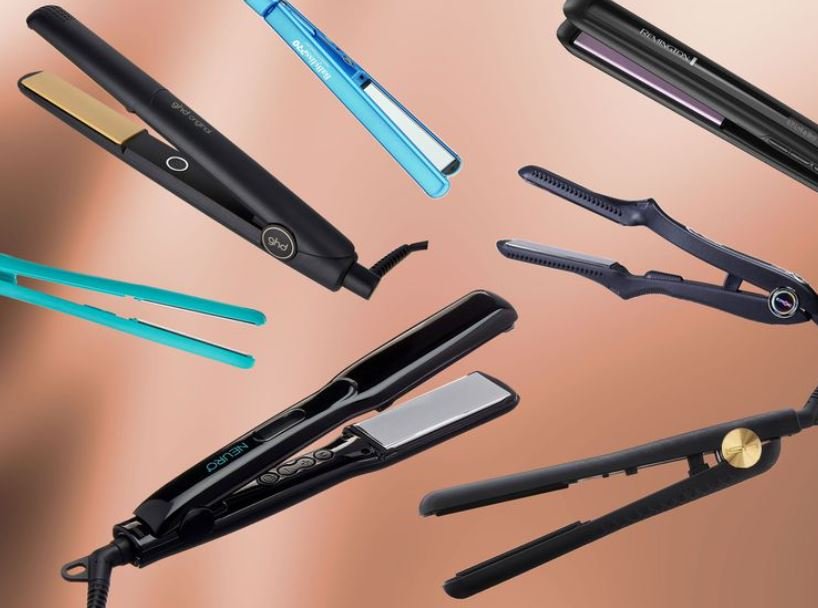
The 5 best hair straighteners for damaged hair should provide controlled heat, even temperature distribution, and smooth plates that minimise unnecessary pulling.
The GHD Platinum+ is a strong overall choice because it uses smart heat control, while the Drybar Reserve Styling Iron offers precise digital temperature adjustment.
The BondiBoost Aloe Flat Iron is designed for lower-temperature styling, making it suitable for fine and fragile strands. The L’Oréal Professionnel SteamPod 4 uses continuous steam to help straighten efficiently.
For damaged hair, choose a model that lets you control heat rather than simply selecting the hottest setting. Always use a heat protectant, straighten completely dry hair with a conventional iron, and limit repeated passes to help reduce further breakage.
Here are the five reviews in a consistent commercial + AEO format, with a short comparison table directly under each product. I’ve kept claims tied to the supplied details and verified product information where available.
5 Best Hair Straighteners for Damaged Hair Reviewed
1. GHD Platinum+ — Best Overall for Damaged Hair

| Feature | Details |
|---|---|
| Best for | Damaged and fragile hair |
| Plate design | Floating plates |
| Heat technology | Predictive heat control |
| Main benefit | Consistent styling temperature |
| Best use | Gentle everyday straightening |
The GHD Platinum+ is a strong overall choice for damaged hair because its main advantage is controlled, consistent heat rather than simply reaching a high temperature. The predictive technology is designed to recognise factors such as hair thickness and styling speed and adjust heat performance accordingly.
This matters when hair is already dry, bleached, chemically treated or prone to breakage. Instead of relying on repeated passes to achieve a smooth finish, the Platinum+ is designed to maintain consistent styling performance as you move through each section.
Its floating plates are another useful feature for fragile strands. They help the straightener maintain contact with the hair while gliding through it, which can reduce snagging and unnecessary pulling.
For damaged hair, the key benefit is not that the Platinum+ can repair existing damage—it cannot—but that its controlled styling approach can help you avoid adding unnecessary heat stress.
Best for: Anyone with damaged, fragile or colour-treated hair who wants a premium straightener with smart heat control.
Potential drawback: It is a premium-priced tool, so it may be excessive if you only straighten your hair occasionally.
2. Drybar Reserve Styling Iron — Best for Precise Heat Control

| Feature | Details |
|---|---|
| Best for | Fine, damaged and processed hair |
| Plate type | 1-inch ceramic |
| Heat settings | 5 |
| Damaged-hair range | 250–350°F / 120–180°C |
| Main benefit | Customisable temperature |
The Drybar Reserve Styling Iron is particularly interesting for damaged hair because it gives you direct control over the styling temperature. Drybar recommends its lower settings—250°F to 350°F (120°C to 180°C)—for fine, damaged and processed hair. (Drybar)
Its 1-inch ceramic plates are designed to maintain even, consistent temperature, while the floating plate design helps the iron glide through the hair. The tool also includes negative-ion technology intended to reduce frizz and improve the appearance of smoothness and shine. (Drybar)
The five heat settings make it easier to match the tool to your hair rather than automatically using the maximum temperature. This is particularly useful when your hair has been bleached, coloured or otherwise weakened.
Another advantage is that the elongated plates can cover a reasonable amount of hair without being excessively wide. That gives you a balance between efficient straightening and precision.
Best for: Fine, damaged or chemically processed hair where precise temperature selection is important.
Potential drawback: Its premium price may not be justified if you rarely use a straightener.
3. BondiBoost Aloe Flat Iron — Best for Fine, Fragile Hair

| Feature | Details |
|---|---|
| Best for | Fine and fragile hair |
| Plate technology | Aloe-infused styling plates |
| Low setting | Around 210°F |
| Main benefit | Lower-temperature styling |
| Ideal user | Heat-sensitive hair |
The BondiBoost Aloe Flat Iron is designed with fragile and fine hair in mind. Its standout feature for this category is the ability to use a lower heat setting, with the supplied product information identifying a setting around 210°F.
That lower temperature can be useful when your priority is avoiding unnecessary heat exposure. Damaged hair often needs a more conservative approach, particularly when the strands are fine or already weakened from bleaching, colouring or frequent heat styling.
The aloe-focused plate design also differentiates this model from a basic flat iron. However, the most important factor for damaged hair remains temperature control and proper technique rather than relying on an ingredient or coating alone.
Use the lowest setting that can effectively style your hair, and avoid making multiple passes over the same section.
Best for: Fine, fragile strands that need a lower-temperature styling option.
Potential drawback: A low maximum or preferred temperature may make it less suitable for very thick or coarse hair.
4. L’Oréal Professionnel SteamPod 4 — Best Steam Straightener

| Feature | Details |
|---|---|
| Best for | Damaged, thick and textured hair |
| Technology | Continuous dry steam |
| Plate material | Ceramic |
| Steam flow | 0.8 g/min |
| Main benefit | Efficient steam-assisted styling |
The L’Oréal Professionnel SteamPod 4 takes a different approach to protecting damaged-looking or fragile hair. Instead of relying solely on conventional hot-plate styling, it combines ceramic plates with a continuous flow of patented dry steam.
L’Oréal states that the SteamPod 4 delivers a continuous steam flow of 0.8 g/min and claims up to 95% less damage under its specific instrumental testing conditions. The manufacturer also reports faster and smoother results compared with the SteamPod 4 used without steam and its comb.
The wider ceramic plates can make straightening easier, while the included steam-optimising combs are designed to help distribute steam across the hair. The tool can also create waves and curls, so it is not limited to straight styles.
For damaged hair, its biggest practical advantage is efficient styling. If you can achieve your desired result with fewer passes, you may reduce unnecessary repeated heat exposure.
It is particularly relevant for people with thick, coarse or textured hair that can be difficult to straighten with a conventional flat iron.
Best for: Damaged, thick, coarse, curly or textured hair.
Potential drawback: It is more complex and expensive than a standard ceramic straightener and requires water for its steam function.
5. Remington Keratin Protect — Best Affordable Option

| Feature | Details |
|---|---|
| Best for | Budget-conscious damaged hair |
| Plate type | Ceramic |
| Heat settings | 5 |
| Heat range | Approximately 160–230°C |
| Main benefit | Affordable temperature control |
The Remington Keratin Protect is a practical option if you want temperature control without moving into the premium price category. The model uses ceramic plates and offers multiple temperature settings, allowing you to choose a lower setting when your hair is fragile.
This is important because a straightener for damaged hair does not necessarily need advanced sensors or steam technology. A simple ceramic tool can be a reasonable choice when it distributes heat evenly and allows you to avoid unnecessarily high temperatures.
The supplied UK comparison data lists the Keratin Protect with ceramic plates infused with keratin and almond oil, five heat settings from approximately 160°C to 230°C, and an intelligent heat sensor. It is positioned for dry, coarse or frizzy hair as well as damage-conscious users.
For someone who straightens occasionally, this type of tool can provide the essential features without the cost of a premium professional styler.
Best for: Shoppers who want adjustable heat and ceramic plates at a more accessible price.
Potential drawback: It lacks the more advanced styling technologies found in premium models such as the GHD Platinum+ and SteamPod
What Are the 5 Best Hair Straighteners for Damaged Hair?
The best straightener for damaged hair is one that helps you minimise additional heat stress while still delivering effective styling. Adjustable temperature, smart heat control, smooth ceramic plates, and efficient styling are more important than maximum heat.
GHD Platinum+ — Best Overall
The GHD Platinum+ is a strong choice for damaged or fragile hair because its smart heat technology is designed to maintain a consistent styling temperature. Its floating plates also help the tool glide smoothly through the hair, reducing unnecessary snagging.
Drybar Reserve Styling Iron — Best Digital Heat Control
The Drybar Reserve Styling Iron is suited to users who want precise control over styling temperature. Digital temperature adjustment allows you to select a setting appropriate for your hair instead of relying on excessive heat.
BondiBoost Aloe Flat Iron — Best for Fine, Fragile Hair
The BondiBoost Aloe Flat Iron is designed with lower-temperature styling in mind. Its low heat setting makes it particularly relevant for fine, fragile strands that may not tolerate high-temperature styling well.
L’Oréal Professionnel SteamPod 4 — Best Steam Straightener
The SteamPod 4 uses continuous steam technology to assist with straightening. It is especially relevant for people with damaged, thick, coarse, or textured hair who want efficient styling without repeatedly passing a traditional iron over the same section.
Best Affordable Ceramic Low-Heat Straightener
A ceramic straightener with adjustable low-temperature settings can be a practical choice if you have damaged hair but do not want to invest in a premium model. Look for even heat distribution, smooth plates, temperature control, and a design that allows you to straighten hair efficiently with fewer passes.
Absolutely. Continuing from the five product reviews, here are all the remaining headings explained in the same AEO/GEO-focused style.
What Temperature Is Safest for Damaged Hair?
Damaged hair generally needs less heat than healthy, coarse hair. A good approach is to start with the lowest temperature that can effectively straighten your hair and increase it only when necessary. Many heat-styling experts recommend keeping fragile hair in a lower temperature range, particularly when it is fine, bleached, or chemically processed.
Temperature for Fine or Fragile Hair
Fine or fragile hair should be styled with lower heat whenever possible. A setting around 250°F to 300°F (120°C to 150°C) can be a reasonable starting range, depending on the hair’s condition and the straightener being used.
If the hair straightens effectively at a lower temperature, there is no advantage to increasing the heat. Lower heat combined with fewer passes can help reduce additional stress.
Temperature for Medium-Density Damaged Hair
Medium-density damaged hair may require slightly more heat to achieve a smooth result. Start around 300°F to 340°F (150°C to 170°C) and adjust according to how the hair responds.
Avoid choosing a high setting simply because the hair is difficult to straighten. Proper sectioning can often improve results without requiring excessive heat.
Why Lower Heat Can Reduce Further Damage
High temperatures can weaken the hair’s protein structure and contribute to dryness and breakage, particularly when hair has already been compromised.
Using lower effective heat reduces the amount of thermal stress placed on the strands. A straightener with precise temperature control therefore gives you more flexibility than a model that operates at one very high temperature.
Which Plate Material Is Best for Damaged Hair?
For damaged hair, the plate material should provide smooth movement and consistent heat. Ceramic plates are often a practical choice because they distribute heat evenly, while floating plates can help reduce pulling and snagging.
Ceramic Plates for Even Heat
Ceramic plates are useful for damaged hair because they are designed to distribute heat across the styling surface rather than creating concentrated hot spots.
Even heat can help reduce the temptation to repeatedly pass over sections that did not straighten properly. The Remington and Drybar models in this guide are examples of ceramic-based options.
Floating Plates for Less Pulling
Floating plates can move slightly as you glide the straightener through the hair. This helps maintain contact with the hair without requiring excessive pressure.
For fragile strands, smooth movement is important because mechanical pulling can contribute to breakage in addition to heat exposure.
Steam Technology for Efficient Styling
Steam technology offers another approach to styling damaged hair. The SteamPod 4 combines steam with heated plates, helping the hair become easier to manage during the straightening process.
The advantage is efficient styling rather than a claim that steam can repair existing damage. You should still use appropriate heat settings and follow the manufacturer’s instructions.
Is GHD Platinum+ Good for Damaged Hair?
Yes, the GHD Platinum+ is a strong option for damaged hair when used correctly. Its main advantages are consistent heat control and floating plates, which can help you achieve a smooth result without relying on excessive temperature or repeated passes.
Smart Heat Monitoring
The Platinum+ is designed to monitor heat conditions and maintain its styling performance. This type of controlled heat is particularly useful when working with fragile or chemically treated hair.
The objective is to provide enough heat for effective styling without unnecessarily increasing the temperature.
Floating Plate Design
Its floating plates are designed to glide through the hair smoothly. This can help reduce snagging and pulling, which is important when the strands are already weak.
Always avoid squeezing the plates too tightly against the hair.
Why Consistent Heat Matters
Uneven heat can encourage repeated passes because some sections may not straighten effectively. Consistent heat makes it easier to achieve the desired finish with controlled movement.
For damaged hair, fewer effective passes are generally preferable to repeatedly exposing the same section to high heat.
Is SteamPod 4 Good for Damaged Hair?
The L’Oréal Professionnel SteamPod 4 can be a useful option for damaged, thick, coarse or textured hair because it combines continuous steam with ceramic styling plates.
How Continuous Steam Works
SteamPod 4 uses a continuous flow of dry steam during styling. The steam works alongside the heated plates to help shape and straighten the hair.
L’Oréal reports that its steam technology is designed to provide faster and smoother results while reducing damage under its stated testing conditions. These are manufacturer claims rather than a guarantee for every user’s hair.
Steam vs Traditional Hot Plates
Traditional straighteners rely primarily on heated plates. Steam-assisted models add moisture in the form of steam during the styling process.
This can make steam technology particularly appealing to people whose thick or coarse hair requires several passes with a conventional straightener.
Who Should Consider SteamPod 4?
SteamPod 4 is most relevant for people with thick, coarse, curly or textured hair who regularly straighten their hair.
For very fine or minimally damaged hair, a simpler low-temperature ceramic straightener may be more practical.
How Do You Straighten Damaged Hair Without Causing More Damage?
The safest approach is to combine the right tool with careful preparation and controlled technique. A heat protectant, completely dry hair, appropriate temperature and minimal passes are all important.
Start With Completely Dry Hair
If you are using a conventional flat iron, make sure the hair is completely dry before straightening.
Do not use a standard hot-plate straightener on damp hair. If you want to straighten wet hair, use a product specifically designed for wet-to-dry styling and follow its instructions.
Apply a Heat Protectant
Apply a suitable heat-protection product before using a hot styling tool. Distribute it evenly from the lengths toward the ends.
Heat protectant does not make hair immune to heat damage, so it should be combined with sensible temperature and styling practices.
Divide Hair Into Small Sections
Sectioning allows the straightener to work more efficiently. Smaller sections help the plates make better contact with the hair.
This can reduce the need for multiple passes over the same area.
Use One Slow, Controlled Pass
Move the straightener steadily from the roots toward the ends without stopping in one place.
A slow, controlled pass at an appropriate temperature is generally better than repeatedly moving the tool over the same section.
Avoid Straightening Already-Damaged Ends Repeatedly
The ends are often the oldest and most fragile part of the hair. Avoid repeatedly applying high heat to already dry, split or brittle ends.
Focus on smoothing the hair efficiently rather than trying to make severely damaged ends look perfectly straight.
What Features Should a Straightener for Damaged Hair Have?
A suitable straightener for damaged hair should prioritise temperature control, smooth plates and efficient styling rather than maximum heat.
Adjustable Temperature
Adjustable temperature allows you to reduce heat when working with fine, bleached or fragile hair.
This is one of the most important features because different hair types do not require the same temperature.
Smart Heat Sensors
Smart sensors can monitor heat and help maintain a controlled styling temperature. The GHD Platinum+ is an example of a straightener built around this type of heat-management technology.
Ceramic or Smooth Plates
Ceramic and other smooth plate surfaces can help the straightener glide through the hair with less resistance.
A smooth glide is especially useful when hair is prone to tangling or breakage.
Automatic Shut-Off
Automatic shut-off is primarily a safety feature rather than a hair-health feature. It can turn the appliance off after a period of inactivity, reducing the risk of accidentally leaving a hot tool switched on.
Fast and Consistent Heat Recovery
A straightener that maintains consistent heat during styling can make each pass more effective.
This matters because inconsistent performance may encourage users to repeat the same pass several times.
How Often Should You Straighten Damaged Hair?
There is no universal number of times per week that is safe for every person. Damaged hair generally benefits from reducing heat exposure and allowing time between styling sessions.
Why Frequent Heat Styling Can Be a Problem
Repeated heat exposure can contribute to dryness, roughness and breakage. The risk becomes greater when high temperatures are combined with multiple passes.
If your hair is already damaged, reducing the frequency of heat styling is usually a sensible approach.
Give Hair Recovery Time
Try to include heat-free days between styling sessions. During these periods, focus on gentle handling and conditioning rather than additional heat.
Protective hairstyles can also help reduce the need to straighten your hair repeatedly.
Signs You Should Reduce Heat Styling
Consider reducing heat styling if you notice increased breakage, split ends, excessive dryness, rough texture or reduced elasticity.
These signs indicate that your current routine may be placing too much stress on the hair.
Can Hair Straighteners Repair Damaged Hair?
No. A hair straightener cannot repair structurally damaged hair. It can temporarily make the hair look smoother, but the effect is cosmetic rather than a permanent repair of the hair fibre.
Straighteners Cannot Repair Structural Damage
Once the hair shaft has been significantly damaged, heat styling cannot restore it to its original condition.
Products may temporarily improve softness, smoothness and appearance, but damaged sections ultimately need gentle care and, when necessary, trimming.
How They Can Reduce Additional Heat Stress
A better straightener can help you manage heat exposure through adjustable temperature, smart sensors and efficient plate technology.
The goal is to achieve the desired style using the least amount of heat and the fewest passes possible.
Hair Care Before and After Heat Styling
Use a heat protectant before styling and focus on conditioning and gentle detangling as part of your regular routine.
Avoid combining frequent high-heat straightening with other aggressive chemical or heat treatments whenever possible.
Frequently Asked Questions About Straighteners for Damaged Hair
What is the best hair straightener for damaged hair?
The GHD Platinum+ is a strong overall choice because of its controlled heat technology and smooth floating plates. The Drybar Reserve is another good option when precise temperature adjustment is the priority.
What temperature should I use on damaged hair?
Start with the lowest effective temperature. Fine or fragile hair may work well around 250°F to 300°F (120°C to 150°C), while medium-density damaged hair may need around 300°F to 340°F (150°C to 170°C).
Is ceramic better than titanium for damaged hair?
Ceramic is generally a practical starting point for damaged or fine hair because it provides even heat distribution. Titanium transfers heat very efficiently and can be more suitable for thick or coarse hair when used carefully.
Is GHD Platinum+ good for damaged hair?
Yes. Its controlled heat technology and floating plates make it a suitable premium option for damaged or fragile hair. It should still be used with heat protectant and an appropriate temperature.
Is SteamPod 4 safe for damaged hair?
SteamPod 4 is designed to reduce the need for repeated styling passes and uses steam-assisted technology. However, no heat-styling tool is completely risk-free for damaged hair, so correct temperature and technique remain important.
Can I straighten bleached hair?
You can straighten bleached hair, but extra caution is necessary because bleaching can make hair more fragile. Use a low effective temperature, heat protectant and as few passes as possible.
How often can I straighten damaged hair?
The less frequently you apply high heat, the better. If your hair shows signs of increased dryness or breakage, reduce heat styling and allow more time between straightening sessions.
Should I use heat protectant before straightening?
Yes. Apply a suitable heat protectant before using a conventional straightener. Remember that heat protectant reduces heat exposure but does not eliminate the possibility of heat damage.

- 7 Best Detangling Brushes for Curly Hair: Thick, Fine, Long & Natural Hair - September 25, 2026
- 5 Best Moisturizing Curl Defining Creams for Soft, Defined Curls - September 24, 2026
- Best Curl Creams for Straight Hair: 5 Top Picks for Women - September 24, 2026