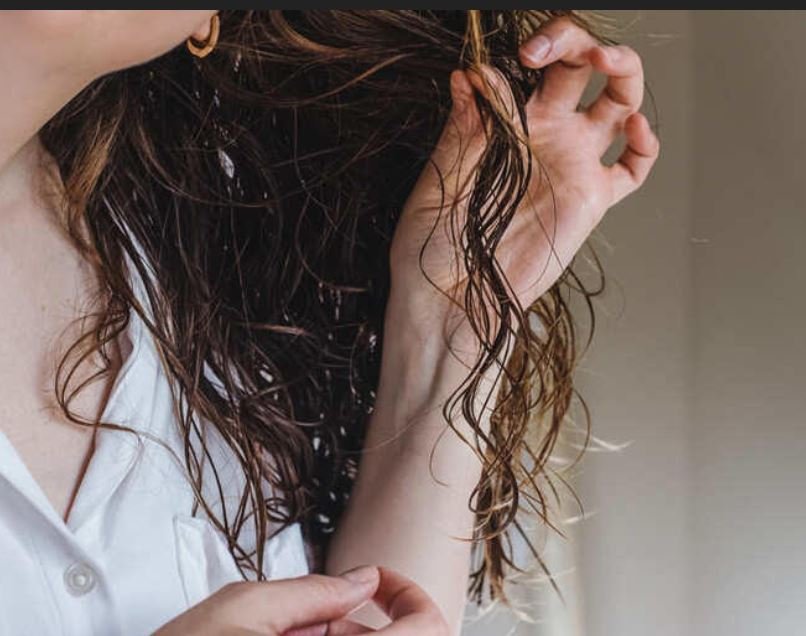
6 Hair Washing Mistakes That May Be Damaging Your Hair (And How to Fix Them)
Hair washing seems simple, but many people unknowingly make mistakes that can lead to dryness, frizz, breakage, scalp irritation, and dull-looking hair. A healthy hair care routine starts with proper cleansing techniques that protect your scalp while maintaining your hair’s natural moisture balance.
Whether you have curly, straight, fine, thick, oily, or dry hair, avoiding common hair washing mistakes can improve hair health, reduce damage, and help your strands look stronger and shinier. Small changes in your routine often make a bigger difference than expensive hair products.
In this guide, you’ll discover the six most common hair washing mistakes, why they can harm your hair, and the simple steps you can take to fix them.
Why Your Hair Washing Routine Matters
Your scalp is the foundation of healthy hair. When your scalp is clean, balanced, and free from excessive buildup, hair can grow in a healthier environment. On the other hand, improper washing habits can strip away natural oils, weaken the hair cuticle, and contribute to unnecessary breakage.
The Connection Between Scalp Health and Hair Strength
Healthy hair starts at the scalp. Natural oils produced by the scalp help protect and moisturize hair strands. These oils create a barrier that reduces moisture loss and keeps hair flexible and resilient.
When the scalp becomes too dry or too oily due to improper washing habits, it can affect the overall appearance and condition of your hair. Maintaining a balanced scalp environment supports stronger, healthier-looking strands from root to tip.
How Improper Washing Can Lead to Damage
Many people focus on styling products while overlooking their washing routine. However, everyday habits such as using very hot water, overwashing, or scrubbing too aggressively can weaken the hair shaft over time.
Common consequences include:
- Increased hair breakage
- Dry and brittle strands
- Frizzy hair
- Split ends
- Product buildup
- Scalp irritation
- Loss of natural shine
These issues often develop gradually, making it difficult to identify the root cause.
Signs You’re Washing Your Hair the Wrong Way
Your hair may be sending signals that your routine needs adjustment. Watch for these common warning signs:
- Hair feels dry shortly after washing
- Excessive oil production between washes
- Persistent scalp itching
- Increased hair shedding during washing
- Hair appears dull and lifeless
- Difficulty managing frizz
- Noticeable product buildup
If you experience several of these symptoms, reviewing your washing habits may help improve your hair’s condition.
Benefits of a Proper Hair Washing Routine
Following proper hair washing techniques can provide several benefits:
- Better scalp health
- Improved moisture retention
- Reduced hair breakage
- Increased shine and softness
- Less frizz and tangling
- Cleaner, fresher hair between washes
- Healthier-looking hair over time
A well-balanced washing routine creates the foundation for every other part of your hair care regimen.
Mistake #1 – Washing Your Hair Too Often
One of the most common hair washing mistakes is cleansing your hair more frequently than necessary. While washing removes dirt, sweat, and excess oil, overwashing can strip away the natural oils your hair needs to stay healthy.
How Overwashing Strips Natural Oils
Your scalp naturally produces sebum, an oil that moisturizes and protects both the scalp and hair strands. Frequent shampooing can remove too much of this protective oil, leaving hair dry, rough, and more vulnerable to damage.
When natural oils are constantly removed, the scalp may attempt to compensate by producing even more oil. This can create a frustrating cycle where hair becomes greasy quickly, leading to even more washing.
Signs Your Hair Is Being Washed Too Frequently
You may be overwashing your hair if you notice:
- Persistent dryness
- Increased frizz
- Scalp tightness after washing
- Hair that tangles easily
- Dull appearance despite using quality products
- Excess oil production shortly after washing
These symptoms often indicate that your scalp’s natural balance has been disrupted.
Ideal Washing Frequency by Hair Type
There is no universal washing schedule that works for everyone.
Fine or oily hair: Every 1–2 days may be appropriate.
Normal hair: Every 2–3 days is often sufficient.
Thick, curly, or coily hair: Every 4–7 days may help preserve moisture.
Chemically treated or damaged hair: Less frequent washing can help prevent further dryness.
The best schedule depends on your scalp condition, lifestyle, activity level, and hair texture.
Mistake #2 – Using Water That Is Too Hot
The temperature of the water you use during your shower can have a significant impact on your hair health. While a hot shower may feel relaxing, exposing your hair and scalp to excessive heat can cause moisture loss and leave strands vulnerable to damage.
Many people overlook water temperature when creating a hair care routine. Switching from very hot water to lukewarm water is a simple change that can improve hair hydration, reduce frizz, and help maintain a healthier scalp.
How Hot Water Affects Hair Cuticles
Each hair strand is protected by an outer layer called the cuticle. When exposed to hot water, the cuticle can become raised, allowing moisture to escape more easily. This often leaves hair feeling rough, dry, and difficult to manage.
Repeated exposure to high temperatures may weaken the hair’s natural protective barrier over time. As a result, hair can become more prone to split ends, breakage, and excessive frizz.
Why Hot Showers Can Dry Out Your Scalp
Hot water doesn’t just affect your hair—it also impacts your scalp. Excessive heat can remove the natural oils that help keep the scalp moisturized and balanced.
When these oils are stripped away, you may experience:
- Dryness and flaking
- Scalp irritation
- Increased itchiness
- Tight or uncomfortable skin
- Overproduction of oil as compensation
Maintaining a healthy scalp starts with preserving its natural moisture barrier.
Benefits of Lukewarm Water for Hair
Lukewarm water effectively cleanses the scalp without causing excessive dryness. It helps remove dirt, sweat, and product buildup while allowing hair to retain more of its natural moisture.
Using lukewarm water can also:
- Reduce frizz
- Improve softness
- Support scalp health
- Help maintain shine
- Prevent unnecessary dryness
This small adjustment can make a noticeable difference in your overall hair condition.
The Best Water Temperature for Washing Hair
For most hair types, lukewarm water is the safest and most effective choice. It provides enough warmth to cleanse the scalp thoroughly without stripping away essential oils.
Some people also prefer finishing their rinse with slightly cooler water. While it won’t permanently “seal” the hair cuticle, it can help hair feel smoother and leave strands looking shinier after washing.
Mistake #3 – Applying Shampoo Incorrectly
Even if you’re using a high-quality shampoo, improper application can limit its effectiveness. Many people focus shampoo on the length of their hair rather than the scalp, where cleansing is actually needed most.
Learning the correct way to shampoo can improve scalp cleanliness, reduce buildup, and prevent unnecessary damage to your hair strands.
Why Shampoo Should Focus on the Scalp
The scalp is where oil, sweat, dead skin cells, and product residue accumulate. Shampoo is designed primarily to cleanse the scalp rather than the ends of your hair.
When you massage shampoo into your scalp, the lather naturally travels through the lengths as you rinse. This provides sufficient cleansing without exposing the hair shaft to excessive drying.
Common Shampoo Application Mistakes
Several common habits can reduce shampoo effectiveness and contribute to hair damage. Applying too much product, scrubbing aggressively, or washing only the hair strands can leave the scalp inadequately cleansed.
Mistakes to avoid include:
- Using excessive shampoo
- Scratching the scalp with fingernails
- Applying shampoo only to hair lengths
- Rushing through the cleansing process
- Failing to distribute product evenly
Correcting these habits can improve both scalp and hair health.
How Much Shampoo Should You Use?
More shampoo does not necessarily mean cleaner hair. Using excessive amounts can make rinsing difficult and may contribute to product buildup.
For most people:
- Short hair: A dime-sized amount
- Medium hair: A nickel-sized amount
- Long or thick hair: Slightly more as needed
The exact amount depends on hair density, oil levels, and product concentration.
Proper Shampooing Technique for Cleaner Hair
A proper shampoo routine starts by thoroughly wetting your hair. Apply shampoo directly to the scalp and gently massage using your fingertips in circular motions.
Allow the lather to cleanse the lengths naturally as you rinse. This method effectively removes buildup while minimizing stress on the hair shaft and preserving moisture.
Mistake #4 – Skipping Conditioner or Using It Wrong
Conditioner plays a critical role in maintaining moisture, reducing friction, and protecting hair from damage. Yet many people either skip this step entirely or apply conditioner incorrectly, limiting its benefits.
Proper conditioning helps improve softness, manageability, and shine while reducing breakage caused by brushing, styling, and environmental stressors.
Why Conditioner Is Essential for Hair Health
Shampoo cleanses the hair and scalp, but it can also remove some of the oils that help keep hair smooth. Conditioner helps restore moisture and provides a protective layer that reduces dryness and tangling.
Regular conditioning can help:
- Improve hydration
- Reduce breakage
- Enhance softness
- Minimize frizz
- Increase shine
- Improve manageability
This makes conditioner an essential part of a balanced hair care routine.
Common Conditioner Mistakes to Avoid
Simply applying conditioner is not enough to achieve healthy hair. Many people make application mistakes that reduce effectiveness and may even contribute to buildup or greasy-looking roots.
Some of the most common conditioner mistakes include:
- Applying conditioner directly to the scalp
- Using too much product
- Rinsing it out immediately
- Skipping conditioner altogether
- Choosing the wrong formula for your hair type
Avoiding these mistakes can help maximize moisture while keeping your hair lightweight and manageable.
Where to Apply Conditioner on Your Hair
Unlike shampoo, conditioner should primarily be applied to the mid-lengths and ends of your hair. These areas are typically older, drier, and more prone to damage than the scalp.
Start by distributing the product evenly through the lengths of your hair, paying special attention to dry or damaged sections. Leave it on for the recommended time before rinsing thoroughly for the best results.
Choosing the Right Conditioner for Your Hair Type
Different hair types have different conditioning needs. Using a formula designed for your specific concerns can significantly improve results.
For example:
- Fine hair benefits from lightweight volumizing conditioners.
- Dry hair requires deeply moisturizing formulas.
- Curly hair often needs extra hydration and frizz control.
- Color-treated hair benefits from color-safe conditioners.
- Damaged hair may require strengthening or repair-focused products.
Selecting the right conditioner ensures your hair receives the support it needs without becoming weighed down.
Mistake #5 – Scrubbing Your Hair Aggressively
Many people mistakenly believe that scrubbing harder will make their hair cleaner. In reality, aggressive washing can cause unnecessary stress on both the scalp and hair strands.
Hair is especially vulnerable when wet because the strands stretch more easily and are more likely to break. Gentle cleansing methods help protect your hair while still effectively removing dirt and oil.
How Rough Washing Causes Breakage
Vigorous scrubbing creates friction that can weaken the hair cuticle. Over time, this friction may lead to split ends, increased frizz, and hair breakage.
Harsh washing can also irritate the scalp, causing redness, discomfort, and inflammation. A gentler approach helps maintain both scalp health and hair integrity.
The Difference Between Massaging and Scratching
Many people confuse scalp massage with scratching. While massage stimulates circulation and helps distribute natural oils, scratching with fingernails can damage the scalp and create irritation.
A healthy scalp massage should:
- Use fingertips instead of nails
- Apply gentle pressure
- Move in small circular motions
- Cover the entire scalp evenly
This technique cleanses effectively without causing harm.
Gentle Scalp Massage Techniques
Proper scalp massage improves cleansing while creating a more relaxing washing experience. Begin at the hairline and work your way toward the crown using the pads of your fingers.
Spend one to two minutes gently massaging shampoo into the scalp. This helps loosen buildup, distribute product evenly, and support healthy circulation without causing unnecessary friction.
Protecting Hair During Washing
Protecting your hair starts with gentle handling. Avoid twisting, bunching, or roughly rubbing your strands while shampooing.
Instead:
- Let water flow through the hair naturally
- Use smooth, gentle motions
- Detangle before washing when possible
- Handle wet hair carefully
These simple habits can significantly reduce breakage over time.
Mistake #6 – Not Rinsing Products Thoroughly
Even the best hair products can create problems if they are not rinsed out properly. Residual shampoo, conditioner, and styling products can accumulate on the scalp and hair, leading to buildup and dullness.
Thorough rinsing is an essential yet often overlooked step in maintaining healthy hair and a balanced scalp.
How Product Buildup Affects Hair and Scalp
When product residue accumulates, it can weigh down hair and interfere with moisture absorption. Buildup may also clog hair follicles and contribute to scalp discomfort.
Common effects include:
- Dull-looking hair
- Increased oiliness
- Scalp irritation
- Itchiness
- Reduced volume
- Difficulty styling
Removing residue helps restore freshness and improve hair performance.
Signs Shampoo or Conditioner Residue Is Left Behind
Your hair may indicate that products are not being fully rinsed away. Residue often leaves hair feeling heavy, sticky, or greasy shortly after washing.
Warning signs include:
- Hair that feels coated
- Lack of bounce or volume
- Persistent scalp itchiness
- White flakes that resemble dandruff
- Hair that gets oily unusually fast
Recognizing these symptoms can help you adjust your rinsing routine.
Proper Rinsing Techniques for Healthy Hair
Take enough time to thoroughly rinse both shampoo and conditioner from your hair. Allow water to flow through all sections, including the back of the head and underneath thicker layers.
Using your fingers to separate sections while rinsing helps ensure that no product remains trapped in the hair. This simple step can improve shine, softness, and scalp comfort.
When to Use a Clarifying Shampoo
Even with proper washing habits, product buildup can occur over time. A clarifying shampoo is designed to remove stubborn residue that regular shampoos may leave behind.
You may benefit from a clarifying shampoo if you:
- Frequently use styling products
- Swim regularly
- Have hard water exposure
- Notice persistent buildup
- Experience dull or heavy-feeling hair
Most people only need to clarify occasionally rather than during every wash.
Additional Hair Washing Tips for Healthier Hair
Creating healthier hair doesn’t require an overly complicated routine. Small improvements in your daily habits can help maintain moisture, reduce damage, and keep your scalp balanced.
Combining proper washing techniques with the right products provides the foundation for stronger, shinier, and more manageable hair.
Choose Products Based on Your Hair Type
Hair products are not one-size-fits-all. Selecting formulas designed for your specific hair type can improve results and prevent common issues such as dryness, excess oil, or frizz.
Avoid Washing Hair With Hard Water
Hard water contains minerals that can leave deposits on the hair and scalp. Over time, these deposits may contribute to dryness, dullness, and product buildup.
Use a Microfiber Towel After Washing
Traditional towels can create friction that leads to frizz and breakage. A microfiber towel helps absorb excess water more gently while reducing stress on wet hair.
Protect Wet Hair From Breakage
Hair is most fragile when wet. Avoid aggressive brushing, tight hairstyles, and rough towel drying immediately after washing.
Using a wide-tooth comb and handling wet hair carefully can significantly reduce breakage.
Frequently Asked Questions
What is the biggest hair washing mistake?
Overwashing is one of the most common hair washing mistakes. Washing too frequently can strip natural oils, leading to dryness, frizz, and scalp imbalance.
How often should I wash my hair?
The ideal frequency depends on your hair type, scalp condition, and lifestyle. Most people benefit from washing every two to four days, while oily hair may require more frequent cleansing.
Is it bad to wash your hair every day?
Daily washing is not necessarily harmful, but it can be drying for many hair types. People with oily scalps may tolerate daily washing better than those with dry, curly, or damaged hair.
Should I shampoo twice?
Double shampooing can be beneficial if you use heavy styling products, dry shampoo, or have significant buildup. For many people, a single thorough wash is sufficient.
Can improper washing cause hair loss?
Improper washing typically does not directly cause permanent hair loss. However, aggressive scrubbing, excessive breakage, scalp irritation, and poor scalp health can contribute to increased shedding and hair damage.
Is cold water better than hot water for hair?
Cold water is generally less drying than hot water, but lukewarm water is usually the best option for cleansing. It effectively removes dirt and oil without excessively stripping moisture.
Conclusion
Healthy hair starts with healthy washing habits. While shampoo and conditioner are important, the techniques you use every time you wash your hair can have an even greater impact on its appearance and condition.
Avoiding these six common hair washing mistakes—overwashing, using hot water, shampooing incorrectly, misusing conditioner, scrubbing aggressively, and failing to rinse thoroughly—can help reduce breakage, improve scalp health, and enhance overall hair quality.
By making a few simple adjustments to your routine, you can maintain stronger, shinier, and healthier-looking hair for years to come.

- 10 Best Hair Oil For Newborn Baby Girl Buyer Guide 2026 - October 25, 2026
- 10 Best Hair Oil For Natural Hair Growth Buyer Guide 2026 - October 25, 2026
- 10 Best Hair Oil For New Born Baby Hair Growth Buyer Guide 2026 - October 25, 2026