
Is Hair Fall Normal in Teenagers? Understanding Common Causes
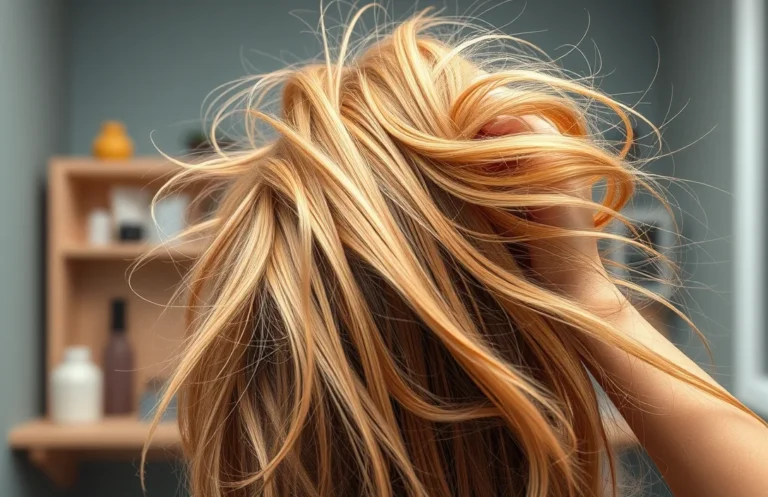
Research shows that up to 50% of teenagers experience noticeable hair fall at some point. This can be alarming, especially when you’re still figuring out your identity and appearance. Understanding if this is normal might help ease your anxiety and provide clarity about your hair health.
Hair fall can be normal during adolescence due to hormonal changes, stress, and lifestyle factors. Most cases are temporary and resolve on their own. Taking care of your hair with proper nutrition and gentle styling can help maintain its health during this time.
Is Hair Fall Common in Teens?
Hair fall is often experienced by teenagers, and it’s more common than you might think. During these years, hormonal changes can lead to increased shedding. Many adolescents see a variation in hair density, which can be concerning, but it’s typically a normal part of development. Understanding that this is a widespread experience can help alleviate some anxiety.
Statistics show that around 25% of teenagers report noticeable hair thinning or fall during these formative years. The reasons vary, including hormonal fluctuations and lifestyle factors such as stress or diet. Recognizing these influences can provide a clearer picture of what’s happening with your hair.
Support from peers, family, and professionals can make a big difference. If hair fall is worrying you, talking to someone you trust can help. Remember, many teens face similar challenges, and sharing your feelings can lead to finding solutions together.
Seeking advice from a dermatologist or trichologist can also be beneficial. They can offer insights and options tailored to your unique situation. It’s important to approach hair health proactively, ensuring you have the right information and support along the way.
Normal Hair Growth Cycle
Hair grows in cycles, with three main phases: anagen, catagen, and telogen. Each phase plays a crucial role in hair health and growth. Understanding these phases helps clarify why some hair loss is typical, especially during adolescence when bodies undergo many changes.
- Anagen phase lasts 2-6 years. This is where hair actively grows, contributing to its length. A healthy scalp supports longer anagen phases, allowing for thicker hair.
- Catagen phase is brief, lasting 2-3 weeks. Here, hair growth slows, and hair follicles shrink. This phase prepares hair for shedding, which may contribute to the perception of hair loss.
- Telogen phase occurs for 3-4 months. During this time, hair rests and eventually sheds. It’s normal to lose some hair during this phase, which might feel alarming, but it’s a natural part of the cycle.
Recognizing these phases may ease concerns about hair fall. As adolescents, hormonal changes can temporarily influence these cycles, leading to more noticeable shedding. Understanding this natural process promotes acceptance and reduces anxiety surrounding hair health.
Hormonal Changes and Hair Fall
Puberty significantly impacts hair health due to hormonal fluctuations. As your body transitions, levels of hormones like testosterone and estrogen change, which can alter the hair growth cycle. This is a normal part of growing up and often results in temporary hair thinning or increased shedding, which can be concerning.
- Hormones can affect hair growth. Androgens, such as testosterone, can make hair follicles shrink, leading to finer hair or hair loss. Understanding this helps in normalizing the experience.
- Changes in oil production may occur. Hormonal shifts can lead to increased oiliness or dryness of the scalp, affecting hair health. Maintaining a balanced hair care routine can help manage these changes.
- Emotional stress from these changes is common. As you navigate puberty, stress can also contribute to hair fall. Finding healthy coping mechanisms, like talking to friends or engaging in hobbies, can alleviate stress.
- Consulting a professional can provide clarity. If you’re worried about excessive hair loss, seeking advice from a dermatologist can help identify if it’s typical for your age or if further investigation is needed.
Nutritional Factors Impacting Hair
Diet plays a crucial role in hair health. Essential nutrients like proteins, vitamins, and minerals are vital for maintaining strong, healthy hair. If your diet lacks these components, it could contribute to hair fall. Consider focusing on a balanced intake of whole foods to support your hair’s growth and health.
Proteins are the building blocks of hair. Incorporating sources like lean meats, fish, dairy, beans, and nuts into your meals can significantly enhance your hair’s strength. Aim for adequate protein daily to help minimize hair fall and promote growth.
Vitamins also play a significant role. Vitamins A, C, D, and E, alongside B vitamins like biotin, are crucial for hair health. Including colorful fruits and vegetables, whole grains, and healthy fats in your diet can ensure you get a range of these essential nutrients.
Minerals like iron and zinc are equally important. Iron-rich foods, such as spinach, lentils, and red meat, support blood circulation to the scalp, while zinc aids in hair tissue growth and repair. Make sure to include these in your diet for optimal hair health.
Hydration is often overlooked. Drinking enough water daily helps keep your hair hydrated and prevents dryness. Aim for at least eight glasses of water each day, especially if you are active or live in a hot climate.
Stress and Emotional Impact
Stress significantly contributes to hair fall in teenagers. Emotional challenges, such as school pressure, social dynamics, or family issues, can trigger a condition called telogen effluvium, where hair prematurely shifts to the shedding phase. Recognizing these stressors is crucial for addressing the issue effectively.
- Identify personal stressors affecting you. Stress can stem from various sources, including academic pressures, friendships, or changes in family dynamics. Acknowledging these can help you understand the root of your anxiety.
- Practice relaxation techniques regularly. Engaging in activities like deep breathing, yoga, or meditation can help reduce stress levels. Even short breaks during the day can provide mental clarity and alleviate tension.
- Maintain a supportive social circle. Surrounding yourself with friends who understand and care can provide comfort during tough times. Sharing your feelings can lessen the emotional burden.
- Consider professional help if needed. Speaking with a counselor or therapist can offer valuable strategies for managing stress. They can guide you in developing coping mechanisms tailored to your situation.
- Monitor your hair health over time. Keeping track of how your hair responds to changes in stress levels can help you understand the balance between emotional well-being and hair health.
Common Medical Conditions
Hormonal changes often trigger hair fall in teenagers. During puberty, fluctuations in hormones can affect hair growth cycles, causing increased shedding. Conditions like polycystic ovary syndrome (PCOS) in females and testosterone imbalances in males can lead to noticeable hair thinning or loss. Recognizing these hormonal factors is crucial in understanding changes in hair health.
Iron deficiency anemia can also cause hair loss. A lack of iron in the diet may lead to insufficient oxygen transportation in the blood, affecting hair follicles. Incorporating iron-rich foods like spinach, beans, and lean meats can help. If you suspect anemia, consulting a healthcare professional for a blood test is advisable.
Thyroid disorders significantly influence hair health. An underactive or overactive thyroid can lead to hair thinning or loss. Symptoms may include changes in weight, energy levels, and skin health. Regular check-ups can help detect any thyroid issues early, enabling effective management and support for your hair.
Autoimmune diseases such as alopecia areata can cause sudden hair loss. This condition occurs when the immune system mistakenly attacks hair follicles, leading to bald patches. Seeking medical advice is essential for diagnosis and possible treatment options if you notice unexplained patches of hair loss.
When to Seek Professional Help
Experiencing excessive hair fall warrants a consultation with a healthcare professional. If you notice clumps of hair falling out, bald patches forming, or a sudden increase in shedding, it’s essential to seek advice. These signs can indicate underlying health issues or conditions that may need treatment.
Monitoring your hair health regularly is crucial. If changes persist despite trying over-the-counter solutions or adjustments in your routine, a professional can help identify the root cause. They might recommend tests or evaluations to check for nutritional deficiencies, hormonal imbalances, or scalp conditions.
Talking openly about your concerns can lead to effective solutions. Professionals can provide tailored advice on treatments, lifestyle changes, or dietary modifications that may improve your hair health. Remember, feeling anxious about your appearance is common, and there are ways to address and manage hair fall with support.
Seeking help early can often lead to better outcomes. Don’t hesitate to reach out if you’re feeling overwhelmed—taking action is a positive step toward healthier hair and peace of mind. You deserve to feel confident in your appearance, and help is available!
Quick Summary
- Hair fall is common in teenagers due to hormonal changes during puberty.
- Genetics can play a significant role in hair loss patterns among teens.
- Stress, diet, and lifestyle factors can contribute to increased hair fall.
- Teenagers may experience temporary hair loss due to medical conditions like alopecia areata.
- Maintaining a balanced diet rich in vitamins and minerals can help promote healthy hair.
- If hair loss is excessive or concerning, consulting a healthcare professional is advisable.
- Understanding the normal hair growth cycle can help alleviate worries about hair fall.
Frequently Asked Questions
Is hair fall normal in teenagers?
Yes, some hair fall is normal during the teenage years due to hormonal changes, stress, and growth spurts. However, if you notice excessive hair loss, it’s a good idea to consult a healthcare professional.
What causes hair fall in teenagers?
Hair fall in teenagers can be caused by various factors including hormonal changes, poor nutrition, stress, and certain medical conditions. Identifying the cause can help in managing and reducing the hair loss.
How much hair fall is considered normal?
It is normal to lose about 50 to 100 hairs a day as part of the natural hair cycle. If you notice significantly more than this, it may be worth looking into possible underlying issues.
Can diet affect hair health?
Yes, a balanced diet rich in vitamins and minerals is essential for healthy hair. Nutrient deficiencies, particularly in iron, zinc, and protein, can contribute to hair loss.
What should I do if I’m worried about my hair fall?
If you’re concerned about your hair fall, consider speaking with a healthcare provider or a dermatologist. They can help determine the cause and suggest appropriate treatments or lifestyle changes.

- 10 Best Hair Oil For Oily Skin Buyer Guide 2026 - October 26, 2026
- 10 Best Hair Oil For Overnight Buyer Guide 2026 - October 26, 2026
- 10 Best Hair Oil For Oily Scalp And Dry Ends Buyer Guide 2026 - October 26, 2026