
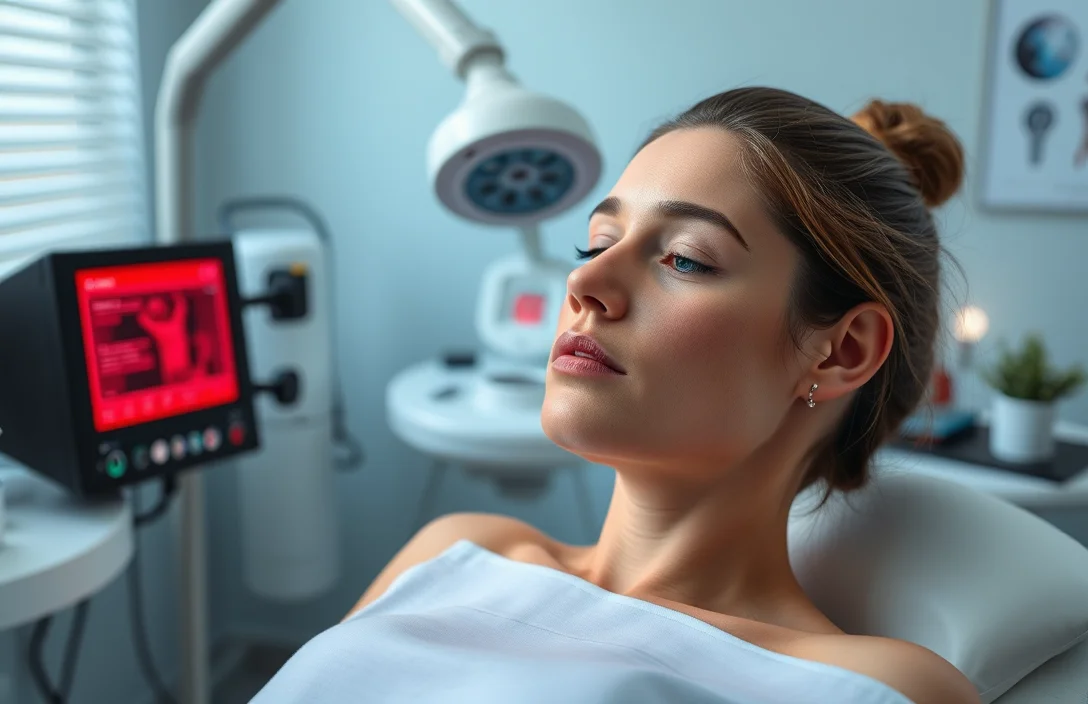
7 Essential Tips for Red Skin After Laser Hair Removal Recovery
Struggling with red skin after laser hair removal? You’re not alone. Many people experience this concern, and understanding the causes and solutions can help you feel more comfortable in your skin. It’s common to feel worried about how long the redness will linger and how to soothe it effectively.
The good news is that simple aftercare can significantly reduce redness. Look for products containing aloe vera, hyaluronic acid, and cica to calm irritation and promote healing. These ingredients are your best friends in recovery.
Best for: All skin types, especially sensitive. Use caution if: You have very reactive or acne-prone skin, as some ingredients might exacerbate sensitivity.
What Causes Redness
Understanding the physiological reasons behind redness after laser hair removal is essential for effective aftercare and managing expectations. This redness is primarily a result of the laser’s interaction with the skin and the body’s natural response to that treatment.
Laser Mechanics
Laser hair removal works by emitting concentrated light energy that targets the pigment (melanin) in the hair follicles. This process can create localized heat, leading to temporary changes in the skin. Key factors include:
- Wavelength: Different lasers target specific skin and hair types, which can affect how much heat is absorbed and the resulting skin response.
- Pulse duration: Shorter pulses may cause less redness, while longer pulses can increase the likelihood of post-treatment inflammation.
Skin Response
The skin’s natural reaction to the heat generated by the laser includes:
- Inflammation: The body triggers an inflammatory response to heal the treated area, resulting in redness and swelling.
- Vasodilation: Blood vessels expand to increase blood flow, which can contribute to the red appearance.
Expert tip: Redness typically subsides within a few hours to a couple of days, depending on skin sensitivity and the laser used.
For individuals with sensitive or reactive skin, redness may last longer. It’s crucial to follow a proper aftercare routine to minimize discomfort and promote healing.
Skin and Hair Type Identification
Understanding your skin and hair type is crucial for effective laser hair removal and managing any potential redness afterward. Different skin types react uniquely to treatments, and hair color can influence the laser’s effectiveness and the likelihood of post-treatment redness.
- Assess Your Skin Type: Determine if your skin is normal, oily, dry, or combination. Oily or combination skin may experience more redness due to increased oil production, while dry skin may feel sensitive and react more intensely. Knowing your skin type helps tailor aftercare and product choices.
- Consider Skin Sensitivity: Some individuals have more reactive skin, particularly those with conditions like rosacea or eczema. If your skin is sensitive, you may need to take extra precautions post-treatment to minimize redness and irritation. Look for soothing ingredients like aloe vera or chamomile in your aftercare routine.
- Identify Your Hair Color: Laser hair removal is most effective on dark hair against lighter skin. If you have light or fine hair, redness may persist longer, as the laser may not capture the hair follicles as effectively. Understanding this can help set realistic expectations for results and redness duration.
- Evaluate Skin Tone: Different skin tones respond to treatments uniquely. Fair skin may show redness more prominently, while deeper skin tones might experience less visible redness but could still have underlying irritation. It’s essential to discuss your skin tone with your practitioner to adjust settings accordingly.
Key Ingredients for Relief
After laser hair removal, red skin can be a common concern, requiring effective soothing ingredients to promote healing. Incorporating the right elements into your aftercare routine can significantly alleviate redness and discomfort, ensuring your skin recovers optimally.
| Item | Amount/Specification | Notes |
|---|---|---|
| Aloe Vera | Pure gel or cream | Provides cooling relief and hydration. Ideal for all skin types. |
| Niacinamide | 2-5% concentration | Reduces inflammation and enhances skin barrier function. Suitable for oily to combination skin. |
| Chamomile Extract | Extract or oil | Known for its anti-inflammatory properties, calming redness effectively. Works well on sensitive skin. |
- Always perform a patch test when introducing new active ingredients.
- Apply aloe vera gel immediately after the procedure for instant relief.
- Incorporate niacinamide into your routine 2-3 days after treatment to minimize irritation.
- Chamomile can be added as a soothing toner, especially for sensitive skin types.
- Use products with these ingredients consistently for 4-6 weeks to see optimal results.
Aftercare Routine Steps
After laser hair removal, managing redness is crucial for comfort and recovery. Following a structured aftercare routine can help minimize irritation and restore your skin’s balance effectively.
- Daytime Care: Start your morning routine by gently cleansing the treated area with a mild, hydrating cleanser free of sulfates. Look for ingredients like aloe vera or chamomile to soothe inflammation. After cleansing, apply a calming serum containing niacinamide (Vitamin B3) to help reduce redness and improve skin barrier function. Finish with a generous layer of a lightweight, non-comedogenic moisturizer to hydrate your skin.
- Apply SPF: Always follow up your daytime routine with a broad-spectrum SPF 30+ sunscreen, even if you’re indoors. This protects your sensitive skin from UV damage and prevents further irritation. Choose a mineral-based sunscreen with zinc oxide, which is less likely to aggravate redness.
- Evening Care: At night, cleanse the skin again with your gentle cleanser to remove any sunscreen or impurities. Follow with a hydrating toner that contains hyaluronic acid to boost moisture levels. Avoid active ingredients like retinol or acids immediately after treatment, as these can exacerbate irritation. Instead, apply a calming overnight mask or an oil-free moisturizer that contains ceramides to help repair the skin barrier.
- Hydrate: Throughout the day, keep your skin hydrated by drinking plenty of water. This is essential for skin recovery and can help minimize redness.
Common Mistakes to Avoid
After undergoing laser hair removal, it’s essential to avoid certain pitfalls that can exacerbate redness and irritation. These common mistakes can not only prolong the discomfort but also hinder your skin’s recovery. Here’s what to watch out for:
Neglecting Sun Protection
One of the biggest mistakes is ignoring sun protection. Laser treatments can make your skin more sensitive to UV rays, increasing the risk of pigmentation and prolonged redness.
- Always apply a broad-spectrum SPF 30+ sunscreen daily, even on cloudy days.
- Reapply every two hours if you’re outdoors to ensure consistent protection.
- Consider wearing protective clothing or hats to shield treated areas from direct sunlight.
Using Harsh Products
Another common error is using harsh skincare products immediately after treatment. Your skin is particularly sensitive, and certain ingredients can cause irritation.
| Product Type | What to Avoid | Gentler Alternatives |
|---|---|---|
| Exfoliants | Avoid physical scrubs and strong chemical exfoliants | Opt for gentle chemical exfoliants like lactic acid at low concentrations (5-10%) after a few days |
| Active Ingredients | Strong actives like retinol or vitamin C | Use soothing ingredients like aloe vera or niacinamide (2-5%) for calming |
By avoiding these mistakes, you can promote a quicker recovery and minimize post-treatment redness. Always listen to your skin and give it the care it needs during this sensitive period.
Affordable Alternatives and DIYs
Redness following laser hair removal can be uncomfortable, but there are budget-friendly options and DIY remedies that can help soothe your skin. These alternatives not only provide relief but are also gentle on your wallet, making them accessible for everyone.
Drugstore Products
Look for products that contain calming ingredients to reduce redness and inflammation. Here are some effective options:
- CeraVe Hydrating Cream – $16: Contains ceramides and hyaluronic acid for moisture and barrier repair.
- Neutrogena Hydro Boost Gel-Cream – $18: Features hyaluronic acid, ideal for oily to combination skin.
- La Roche-Posay Cicaplast Baume B5 – $15: A soothing balm with panthenol and madecassoside, great for sensitive skin types.
Homemade Masks
For a natural approach, consider these simple DIY masks to calm your skin:
Mix 1 tablespoon of honey with 1 tablespoon of aloe vera gel for a comforting mask. Apply for 15-20 minutes, then rinse off.
Another effective mask includes:
- Oatmeal and Yogurt Mask: Blend 2 tablespoons of oatmeal with 1 tablespoon of plain yogurt. Leave on for 20 minutes before rinsing. Oatmeal is known for its anti-inflammatory properties.
| Product | Price | Key Ingredient | Best For |
|---|---|---|---|
| CeraVe Hydrating Cream | $16 | Ceramides | All skin types |
| Neutrogena Hydro Boost Gel-Cream | $18 | Hyaluronic Acid | Oily to combination skin |
| La Roche-Posay Cicaplast Baume B5 | $15 | Panthenol | Sensitive skin |
Always remember to patch test any new product or DIY remedy on a small area of skin before full application to avoid adverse reactions.
Expert Tips for Quick Recovery
After undergoing laser hair removal, it’s common to experience redness and sensitivity in the treated area. To promote faster healing and reduce discomfort, implementing effective aftercare strategies is essential. Here are some practical tips to help your skin recover quickly.
Cold Compress Methods
Applying a cold compress can significantly alleviate redness and soothe the skin. Here are some effective methods:
- Wrap ice packs in a clean cloth and apply gently to the affected area for 10-15 minutes.
- Use a chilled gel mask specifically designed for post-laser treatments.
- For a DIY option, soak a soft cloth in cold water, wring it out, and place it on the skin.
Hydration Tips
Keeping your skin hydrated is crucial for recovery. Here are some key points to consider:
- Drink plenty of water to stay hydrated from the inside out.
- Use a gentle, hydrating moisturizer with ingredients like hyaluronic acid or aloe vera to soothe and replenish the skin.
- Avoid products with strong active ingredients (like retinol or acids) for at least a week post-treatment to prevent irritation.
“Always patch test any new product on a small area before applying it to the entire treated area to avoid adverse reactions.”
By incorporating these tips into your post-treatment routine, you can support your skin’s recovery process and enjoy the lasting benefits of laser hair removal. Expect to notice improvements within a few days, with significant redness subsiding within a week.
Quick Summary
- Redness is normal: Skin may appear red after laser hair removal due to heat and inflammation.
- Cooling is essential: Apply a cold compress to soothe the skin immediately post-treatment.
- Hydration matters: Use a gentle, hydrating moisturizer to support healing.
- Avoid sun exposure: Protect your skin from UV rays to prevent further irritation.
- Consult your technician: If redness persists beyond a few days, seek professional advice.
| Routine | Steps |
|---|---|
| Morning | 1. Cleanse (30 sec) 2. Apply serum (30 sec) 3. Moisturize (30 sec) 4. Sunscreen (30 sec) |
| Evening | 1. Cleanse 2. Apply soothing serum 3. Moisturize |
- Top ingredients: Look for aloe vera, hyaluronic acid, and niacinamide.
- STOP using: Harsh exfoliants or retinoids immediately after treatment.
- Results timeline: Expect improvement in redness within 3-7 days.
Frequently Asked Questions
How long until I see results from laser hair removal?
You can typically see results in about 2-3 weeks after your session, as hair falls out naturally during this period. Full results may take several sessions, depending on your hair type and skin tone.
Can I use products if I have sensitive/acne-prone skin?
Yes, but you should opt for gentle, non-comedogenic products that are specifically formulated for sensitive skin. It’s best to avoid active ingredients like retinoids and acids for a few days post-treatment.
What’s the difference between redness and irritation after treatment?
Redness is a normal response post-laser, indicating inflammation, while irritation may include swelling, itching, or burning sensations. If irritation persists or worsens, consult your practitioner.
Do I really need to moisturize after laser hair removal?
Yes, moisturizing is essential as it helps to soothe the skin and prevent dryness and flakiness following the treatment. Look for fragrance-free and hydrating moisturizers for the best results.
Is the expensive version of aftercare products worth it compared to drugstore options?
While some high-end products may have more advanced formulations, many drugstore options are effective and budget-friendly. Just ensure they are suitable for post-laser care, focusing on hydrating and calming ingredients.

- 10 Best Hair Oil For Pregnant Women Buyer Guide 2026 - October 27, 2026
- 10 Best Hair Oil For Permed Hair Buyer Guide 2026 - October 27, 2026
- 10 Best Hair Oil For Psoriasis Buyer Guide 2026 - October 27, 2026