Color No More: 5 Effective Techniques to Remove Hair Dye Safely
How To Remove Colored Hair is a topic that matters to anyone looking for practical, reliable information. This article breaks down the key points you need to know, with specific details and actionable advice.
Below you’ll find expert-backed insights, step-by-step guidance, and answers to the most common questions about how to remove colored hair.
Understanding Different Hair Dye Types
Hair dye comes in various formulations, each affecting how easily the color can be removed. Permanent dyes penetrate the hair shaft, making them difficult to eliminate without chemical processes. Semi-permanent options coat the hair, allowing for easier removal after several washes. Temporary dyes sit on the hair surface, washing out with shampoo, making them the simplest to remove.
Chemical composition plays a crucial role in dye removal. Permanent colors typically contain ammonia and peroxide, which open the hair cuticle. This allows the dye to bond deeply, requiring stronger solutions for removal. In contrast, semi-permanent dyes often lack ammonia, making them less aggressive and more manageable to take out.
Knowing your dye type helps determine the best removal method. Testing a small section of hair can reveal how your specific color reacts to various treatments. Always prioritize your hair’s health by selecting gentler approaches first, especially if you’re dealing with permanent colors.
Identifying the underlying shade is also important. Warm tones might fade differently compared to cool ones. Observing the color’s behavior during washing can guide your removal strategy, ensuring a tailored approach that minimizes damage to your hair.
Home Remedies for Gentle Color Removal
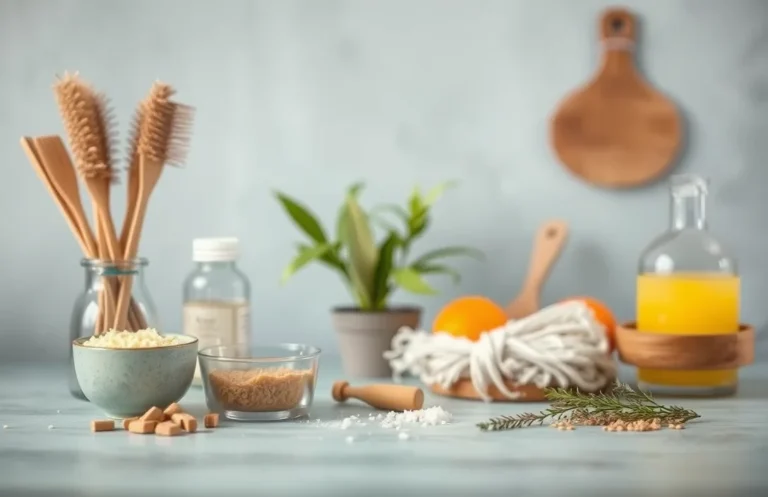
Baking soda effectively removes dye. Combine equal parts baking soda and water to form a paste. Apply this mixture to damp hair, focusing on dyed areas. Massage it into the hair and leave for about 10-20 minutes. Rinse thoroughly with warm water and follow up with a deep conditioner to replenish moisture.
Vitamin C tablets can lighten color. Crush 10-15 tablets and mix them with a clarifying shampoo to create a thick paste. Apply to damp hair, ensuring even coverage. Allow it to sit for 30-60 minutes before rinsing. This method is gentle and works best on semi-permanent dyes.
Honey and olive oil work wonders. Mix equal parts honey and olive oil, then apply to your hair. Cover with a shower cap and leave on for at least an hour or overnight for a more potent effect. Rinse thoroughly to reveal softer, lighter hair while minimizing damage.
Apple cider vinegar helps restore balance. Combine one part apple cider vinegar with two parts water. After shampooing, use this mixture as a final rinse. Allow it to sit for a few minutes before rinsing again with water. This not only helps to fade color but also enhances shine.
Conditioner alone can aid removal. Use a generous amount of a moisturizing conditioner on damp hair. Comb through to ensure even distribution and leave it on for an hour. Rinse out, and repeat several times if necessary. This method is very gentle and keeps hair healthy.
Overview of Professional Salon Treatments
Salon treatments offer effective solutions for dye removal, ensuring minimal damage to your hair. Professionals use specialized techniques and products that are formulated to safely dissolve color without compromising hair health. Opting for salon services can provide rapid results, often transforming your look in just one visit.
Color-stripping services commonly include:
- Color Remover Treatments: These are designed to break down dye molecules, effectively lifting color while maintaining the integrity of your hair.
- Bleach Bath: A diluted bleach solution safely lightens colored hair, allowing for a gradual transition back to your natural shade.
- Balayage or Highlights: Adding lighter pieces can blend away unwanted color while creating a fresh, multi-dimensional look.
- Deep Conditioning Treatments: Post-removal, these treatments restore moisture and repair any potential damage from the color removal process.
Visiting a stylist ensures personalized advice tailored to your hair type and condition. Professionals can assess the best approach, balancing your desired outcome with hair health.
Effective Color Remover Products
Color remover products are specifically designed to break down artificial pigments in your hair. Popular options include brands like Color Oops, L’Oreal Effasol, and Joico Color Intensity Eraser. These products can effectively remove unwanted dye while being gentle on your strands, making them ideal for beginners.
Color Oops is a well-known solution that effectively reverses hair dye. This product works by shrinking dye molecules, enabling them to wash out easily. Follow the instructions closely, and expect some odor during application, but it’s generally safe for most hair types.
L’Oreal Effasol provides a gentle approach, suitable for users who may be concerned about damage. This product is particularly effective for semi-permanent colors. Mix the powder with water as directed, apply to damp hair, and rinse thoroughly for the best results.
Joico Color Intensity Eraser offers another excellent option, especially for vibrant shades. Designed to remove direct dyes, it helps restore your hair’s natural color. Apply according to the instructions, and you’ll see quick results without excessive damage.
Always perform a patch test before using any product. This precaution ensures you’re not allergic to the ingredients and helps you assess how your hair reacts. Following these guidelines will help you effectively remove colored hair while maintaining its health.
Post-Removal Hair Care Essentials
Prioritize hydration immediately after dye removal. Newly exposed hair can become dry and brittle, so replenishing moisture is crucial. Use a rich, sulfate-free conditioner designed for damaged hair. Apply generously after washing to restore essential oils and avoid further damage.
- Deep conditioners can help significantly. Look for products containing ingredients like argan oil or shea butter.
- Hair masks are beneficial. Use them at least once a week to provide intensive moisture.
- Leave-in conditioners offer continuous protection. Apply to damp hair to keep strands hydrated throughout the day.
Limit heat styling to preserve hair integrity. Excessive heat can exacerbate damage, making it vital to reduce the use of blow dryers, straighteners, and curling irons. If you must style, always apply a heat protectant spray beforehand.
Embrace gentle washing practices. Opt for lukewarm water instead of hot, as hot water can strip hair of moisture. Use a wide-tooth comb to detangle while hair is wet, preventing breakage.
Invest in quality hair care products. Avoid those with harsh chemicals and opt for natural ingredients whenever possible. This ensures your hair remains healthy and vibrant as you transition away from color.
Risks of Potential Hair Damage
Removing hair dye carries risks that can affect your hair’s health. Chemical processes may weaken strands, leading to breakage or dryness. To mitigate damage, follow these steps diligently to ensure your hair remains as healthy as possible during the removal process.
- Limit frequency of dye removal. Frequent attempts can lead to cumulative damage. Space out dye-removal sessions to give your hair time to recover.
- Opt for gentler methods first. Start with natural remedies like vitamin C or baking soda, which are less harsh than commercial products. These can effectively lighten color without heavy chemicals.
- Monitor moisture levels closely. Use deep conditioning treatments before and after dye removal to nourish and hydrate your hair. Incorporating hydrating masks helps restore vital moisture.
- Consult a professional if uncertain. If you feel overwhelmed or unsure about the process, a hairstylist can provide expert guidance and perform the removal safely.
- Perform patch tests prior to using any chemicals. Always test a small section of hair to check for adverse reactions. This precaution helps prevent unexpected damage or allergic responses.
Prioritizing hair health during the removal process ensures you can achieve your desired look without compromising the integrity of your strands.
Preventing Color Build-Up and Stains
Regular maintenance is crucial for avoiding color build-up and stains on your hair. Following a few simple steps can help keep your hair looking fresh and vibrant. Focus on using high-quality products and techniques that support the health of your hair while minimizing any unwanted color residue.
- Use sulfate-free shampoos regularly. Sulfate-free options are gentler and help preserve hair color while preventing fade and build-up.
- Limit heat styling tools. Excessive heat can damage hair and lead to color loss, so opt for air-drying whenever possible.
- Invest in color-protecting treatments. Products specifically designed for color-treated hair can help maintain vibrancy and prevent staining.
- Schedule regular trims. Keeping your ends healthy reduces the risk of color build-up and promotes overall hair health.
- Wash with cool water. Rinsing your hair with cool water helps seal the cuticle and lock in color, minimizing fade.
- Avoid over-washing your hair. Washing too frequently strips natural oils and color, so aim for 2-3 times a week.
- Consider professional help. Regular visits to a stylist can provide tailored care that prevents color build-up and maintains the integrity of your hair.
Quick Summary
- Assess your current hair color and choose the appropriate removal method.
- Consider using a color remover product for semi-permanent or permanent dyes.
- For natural methods, try a mixture of vitamin C tablets and shampoo.
- Bleaching can be an option, but it may cause hair damage; proceed with caution.
- Consult a professional stylist for safe and effective removal, especially for drastic color changes.
- Follow up with deep conditioning treatments to restore moisture and health to your hair.
- Always perform a patch test to avoid allergic reactions before using any hair removal product.
Frequently Asked Questions
How can I safely remove hair dye at home?
You can use a color remover specifically designed for hair dye, which can help lift the color without damaging your hair significantly. Additionally, natural remedies like vitamin C treatments or baking soda mixed with shampoo can lighten the color, but results may vary.
Will removing hair dye damage my hair?
Any color removal process can potentially cause some damage, especially if your hair is already fragile. It’s essential to follow the instructions carefully and consider deep conditioning treatments afterward to restore moisture and health to your hair.
How long does it take to remove hair dye?
The time it takes to remove hair dye can vary based on the method you choose and your hair type. Color removers typically require about 20-40 minutes, while natural methods may take longer and require multiple applications to achieve the desired result.
Are there any products I should avoid when removing hair color?
Avoid harsh chemicals like bleach or strong acetone products, as they can severely damage your hair and scalp. Stick to gentle color removers or natural alternatives to minimize risks and protect your hair.
Can I dye my hair again immediately after removing the color?
It’s best to wait at least a week after removing hair dye before applying a new color. This gives your hair time to recover and helps prevent excessive damage, ensuring better results with your next dye job.

- 10 Best Hair Oil For Natural Hair Buyer Guide 2026 - October 25, 2026
- 10 Best Hair Oil For New Hair Growth Buyer Guide 2026 - October 25, 2026
- 10 Best Hair Oil For New Born Baby Buyer Guide 2026 - October 25, 2026