7 Essential Tips for Safely Removing Dead Hair After Laser Treatment
Struggling with pulling out dead hair after laser treatment? You’re not alone. Many people find themselves confused about whether it’s normal to do this and how to handle it safely. Understanding this process is crucial to ensure you’re not causing irritation or slowing down hair regrowth.
After laser hair removal, it’s typical for hair to shed naturally, and you can gently pull out dead hair if it’s ready. Key products like aloe vera gel for soothing, and gentle exfoliants can help keep your skin calm. Expect shedding to happen within 2-3 weeks post-treatment.
Best for: all skin types, especially those looking for effective hair removal solutions. Use caution if: you have sensitive or reactive skin.
What is Dead Hair After Laser
Understanding dead hair after laser hair removal is essential for managing the shedding process and ensuring optimal results. This section defines what dead hair is in this context and explains why it matters for those undergoing laser treatments.
- Definition of Dead Hair: Dead hair refers to the hair follicles that have been effectively targeted by the laser treatment. The laser emits energy that damages these follicles, preventing future hair growth. After treatment, the hair may appear to stay in place for a while before naturally shedding.
- Why It Matters: Recognizing dead hair is crucial for several reasons:
- Indicates Treatment Effectiveness: The presence of dead hair suggests that the laser treatment has worked as intended, targeting and damaging the hair follicles.
- Shedding Process: As dead hair becomes loose, it can be gently pulled out. This is a normal part of the laser hair removal process and signifies that the hair is no longer attached to the follicle.
- Timing for Regrowth: Knowing how and when to manage dead hair helps set realistic expectations for hair regrowth. Typically, regrowth will be slower and finer after a series of treatments.
Identifying Your Hair Type
Understanding your hair type is crucial for managing the shedding process after laser hair removal. Different hair textures and growth cycles can affect how you experience hair shedding, including the timing and manner in which dead hair falls out.
- Assess Your Hair Texture: Hair texture can be categorized as fine, medium, or coarse. Fine hair tends to shed more easily, which can be noticeable after laser treatments. Coarse hair, on the other hand, may take longer to shed due to its density.
- Consider Your Growth Cycle: Hair grows in cycles: anagen (growth), catagen (transitional), and telogen (resting). After laser treatment, the hair in the anagen phase may fall out more rapidly. Knowing where your hair falls in this cycle helps set expectations for shedding.
- Recognize Shedding Patterns: After laser hair removal, it’s normal to see hair shedding within a few weeks. If you notice hair pulling away easily in clumps, this indicates that the hair follicles are responding to the treatment and entering the shedding phase.
- Monitor Your Hair and Skin Type: Oily and combination skin types might experience different shedding patterns compared to dry skin types. For example, oily skin can lead to clogged follicles, potentially affecting hair growth cycles post-treatment.
- Be Mindful of Hair Condition: Damaged or unhealthy hair may shed differently than healthy hair. Ensuring your hair is in good condition before treatment can improve your overall experience and results.
Key Ingredients for Post-Laser Care
Post-laser treatments can leave the skin sensitive, making proper care essential for recovery and optimal results. Incorporating soothing and hydrating ingredients can help mitigate discomfort and promote healthy skin during the shedding process of dead hair.
Soothing Ingredients
| Item | Amount/Specification | Notes |
|---|---|---|
| Aloe Vera | Pure gel or 95% concentration | Great for all skin types; calms irritation and reduces redness. |
| Chamomile Extract | 1-2% in formulations | Best for sensitive skin; offers anti-inflammatory properties. |
Hydration Boosters
| Item | Amount/Specification | Notes |
|---|---|---|
| Hyaluronic Acid | 0.5-2% concentration | Suitable for all skin types; deeply hydrates and plumps skin. |
| Glycerin | 3-5% concentration | Works well for oily to combination skin; draws moisture to the skin. |
- Patch test all active ingredients before full application to avoid irritation.
- Apply soothing ingredients immediately after laser treatment to calm the skin.
- Follow up with hydration boosters, especially in the evening, for optimal recovery.
- Never mix soothing agents with strong exfoliants during recovery.
Safe Techniques to Pull Dead Hair
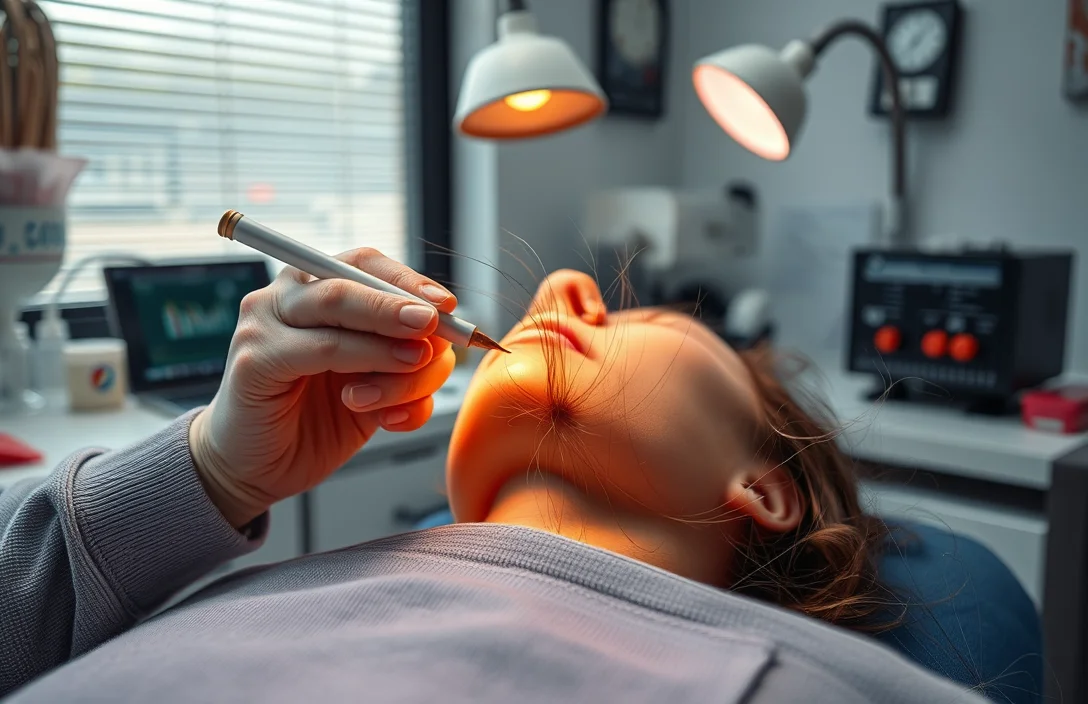
After laser hair removal, it’s common to experience shedding of hair from the treated area. While some may feel the urge to assist this process by pulling out the dead hair, doing so must be approached with care to avoid skin irritation or damage. Below are safe techniques to help you do this properly.
- Prep Your Skin: Begin by gently cleansing the treated area with a mild, fragrance-free cleanser to remove any dirt or product buildup. Pat the skin dry with a clean towel, ensuring it’s completely dry before proceeding. This works best for all skin types, especially sensitive skin, as it minimizes irritation.
- Moisturize: Apply a soothing moisturizer or an aloe vera gel to the area. This helps to hydrate the skin and can reduce discomfort. Look for ingredients like hyaluronic acid or ceramides that are suitable for all skin types, as they promote skin barrier repair.
- Identify Dead Hair: Once your skin is prepped, carefully inspect the area for hair that appears loose or is easily movable. Dead hair usually has a different texture and may look thinner compared to healthy hair. Wait for about 1-2 weeks post-treatment for optimal shedding.
- Use Gentle Pressure: With clean hands or sanitized tweezers, gently grasp the hair near the base and slowly pull it out. Avoid yanking or pulling too hard, as this can lead to irritation or scarring. If the hair resists, do not force it; allow it to shed naturally.
- Post-Care: After pulling out the hair, apply a calming lotion with niacinamide to further soothe the skin and prevent inflammation. This step is crucial for all skin tones to support healing.
Mistakes to Avoid Post-Laser
Understanding the common mistakes to avoid after laser hair removal is crucial for achieving optimal results and minimizing skin irritation. By addressing these missteps, you can ensure a smoother healing process and promote healthier skin.
Over-Pulling
One of the biggest mistakes is over-pulling dead hairs. While it may seem tempting to yank out any hair that feels loose, this can lead to irritation or even ingrown hairs. Instead, allow the shedding process to occur naturally. Here are some key points to remember:
- Only gently tug at hairs that are visibly falling out without force.
- Avoid using tweezers or wax, as these can irritate the skin.
- Patience is essential; the shedding process can take 1-3 weeks post-treatment.
Ignoring Skin Needs
After laser treatment, your skin requires special care. Ignoring its needs can lead to complications. Consider the following:
- Use a gentle, fragrance-free cleanser to avoid further irritation.
- Hydrate your skin with soothing ingredients like aloe vera or hyaluronic acid.
- Always apply a broad-spectrum SPF 30+ to protect sensitive areas from UV damage.
“After laser treatment, your skin is in a fragile state. Prioritize hydration and sun protection to support healing.” — Licensed Dermatologist
By avoiding these common mistakes, you’ll help your skin heal properly and enhance the effectiveness of your laser hair removal results.
Budget-Friendly Hair Removal Tips
After laser hair removal, it’s common to experience shedding of hair as part of the process. While some may feel tempted to pull out the dead hair, it’s crucial to approach this carefully. Here are some budget-friendly alternatives and easy home remedies to help manage this stage effectively.
Drugstore Products
There are several affordable products available that can assist in making the post-laser experience more comfortable and effective:
- Exfoliating Scrubs: Look for gentle scrubs with ingredients like salicylic acid to help slough off dead skin and hair. Brands such as St. Ives or Neutrogena offer options under $10.
- Moisturizers: Keep the skin hydrated with products containing hyaluronic acid or aloe vera. CeraVe’s moisturizing cream is a great budget-friendly choice at around $16.
Easy Home Remedies
For those who prefer DIY methods, consider these simple remedies:
- Warm Compress: Applying a warm compress for 10-15 minutes can help loosen dead hair follicles before gently pulling them out.
- Oatmeal Scrub: Mix oatmeal with honey to create a natural exfoliating scrub that soothes the skin while helping to remove dead hair.
“Always remember to patch test any new product or remedy on a small area of skin to avoid irritation.”
Expect to see hair shedding within 1-3 weeks post-treatment. Be gentle and patient during this time to promote healthy skin recovery.
Expert Tips for Quick Recovery
After undergoing laser hair removal, proper follow-up care and skin protection are crucial for optimal recovery and results. Understanding how to safely manage dead hair shedding can ensure a smoother process and reduce any irritation or discomfort.
Follow-Up Care
It’s normal to experience hair shedding a few days to weeks post-treatment. Here are some tips for addressing dead hair safely:
- Gently exfoliate the area 3-5 days after treatment to help the shedding process. Use a mild exfoliant suitable for your skin type.
- Only pull out dead hair when it’s ready to come out easily. Forcing it can cause irritation or ingrown hairs.
- Moisturize the treated area with a soothing lotion that contains aloe vera or hyaluronic acid to keep the skin hydrated.
Skin Protection
Post-laser, your skin may be sensitive. Protecting it is vital:
- Apply SPF 30+ daily to prevent sun damage and discoloration. Reapply every two hours if outdoors.
- Avoid harsh products, including retinoids and exfoliants, for at least one week post-treatment to minimize irritation.
- Wear loose clothing over the treated area to prevent friction and irritation.
Expert tip: Always listen to your skin — if you notice excessive redness or irritation, consult your practitioner.
With these recovery tips, you can ensure your skin heals well and that you achieve lasting results from your laser treatment.
Quick Summary
- Understand hair cycles: Dead hair after laser treatment may take time to shed naturally.
- Gentle extraction: If pulling out hair, ensure it’s dead and soft to avoid skin irritation.
- Moisturize: Keep treated areas hydrated to support skin recovery and reduce irritation.
- Avoid aggressive methods: Refrain from tweezing or waxing during the healing process.
- Consult professionals: Always discuss with your technician before attempting to remove hair.
| Step | Morning Routine | Evening Routine |
|---|---|---|
| 1 | Cleanse | Cleanse |
| 2 | Moisturize | Moisturize |
| 3 | SPF | Optional treatment |
- Top ingredients: Hyaluronic acid, aloe vera, and niacinamide.
- Stop: Avoid picking at the skin or hair.
- Timeline: Expect to see results in 4-6 weeks post-treatment.
Frequently Asked Questions
How long until I see results after pulling out dead hair?
You can expect to see results in about 1-2 weeks after your laser treatment, as the hair follicles gradually shed. Full results may take up to 8 weeks as hair continues to fall out.
Can I pull out dead hair if I have sensitive or acne-prone skin?
Yes, you can pull out dead hair, but be cautious and ensure your skin is not irritated; using a gentle technique is key. If you’re unsure, consult with your dermatologist to avoid exacerbating any skin issues.
What’s the difference between tweezing and using a depilatory after laser treatment?
Tweezing pulls hair from the root, which can be effective for individual hairs, while depilatories dissolve hair at the skin’s surface. After laser, it’s often recommended to avoid tweezing to prevent irritation.
Do I really need to exfoliate before pulling out dead hair?
Yes, exfoliating helps to remove dead skin cells and can enhance the effectiveness of pulling out dead hair by preventing ingrown hairs. Aim to exfoliate 1-2 days before your hair removal session.
Is the expensive laser hair removal version worth it vs the drugstore version?
The expensive laser treatments typically offer more effective and longer-lasting results compared to drugstore alternatives. Investing in professional treatments often results in fewer sessions needed, saving you time and money in the long run.

- What To Avoid After Prp Hair Treatment? - August 28, 2026
- What Is The Malibu Treatment For Hair? - August 27, 2026
- What Is Malibu Hair Treatment? - August 27, 2026