Mullet Hairstyle Revival: Modern Cuts and Styling Tips
Surprisingly, the mullet hairstyle has made a significant comeback, with a 2021 survey revealing that 1 in 5 Americans have either worn a mullet or know someone who has. This iconic style blends business in the front and party in the back, showcasing its unique allure.
Fashion enthusiasts appreciate the versatility of the mullet, which suits various hair types. Styling options range from sleek to messy, making it easy to adapt for different occasions. Maintenance requires regular trims to keep the shape, ensuring it looks fresh and intentional.
History and Evolution of the Mullet
Originating in the 1970s, the mullet hairstyle gained popularity through its unique short-front and long-back design. Musicians like David Bowie and later Billy Ray Cyrus contributed to its iconic status, making it a symbol of rebellion and individuality during that era. This distinctive style appealed to a diverse range of individuals, from rock stars to everyday people.
Resurgence in the 2020s highlights its renewed popularity among younger generations. Social media platforms have played a significant role in showcasing modern interpretations of the mullet. Influencers and celebrities have embraced the hairstyle, transforming it into a fashionable choice that defies traditional trends.
Permanent cultural significance surrounds the mullet hairstyle, often associated with various subcultures. From punk rock to country music, this cut represents a sense of identity and self-expression. As fashion cycles through different eras, the mullet continues to adapt, ensuring its relevance in contemporary style discussions.
Diverse Types of Mullet Hairstyles
Classic mullet styles remain popular, featuring short hair in the front and long hair at the back. This traditional cut emphasizes a stark contrast, appealing to those who appreciate retro aesthetics. Maintaining this style requires regular trims to keep the front looking sharp while allowing the back to grow long and flowing.
Textured mullets introduce layers for added volume and movement. This modern twist softens the harsh lines of traditional mullets, making it suitable for various hair types. Incorporating texture allows for a more relaxed and playful look, perfect for those wanting a stylish yet low-maintenance hairstyle.
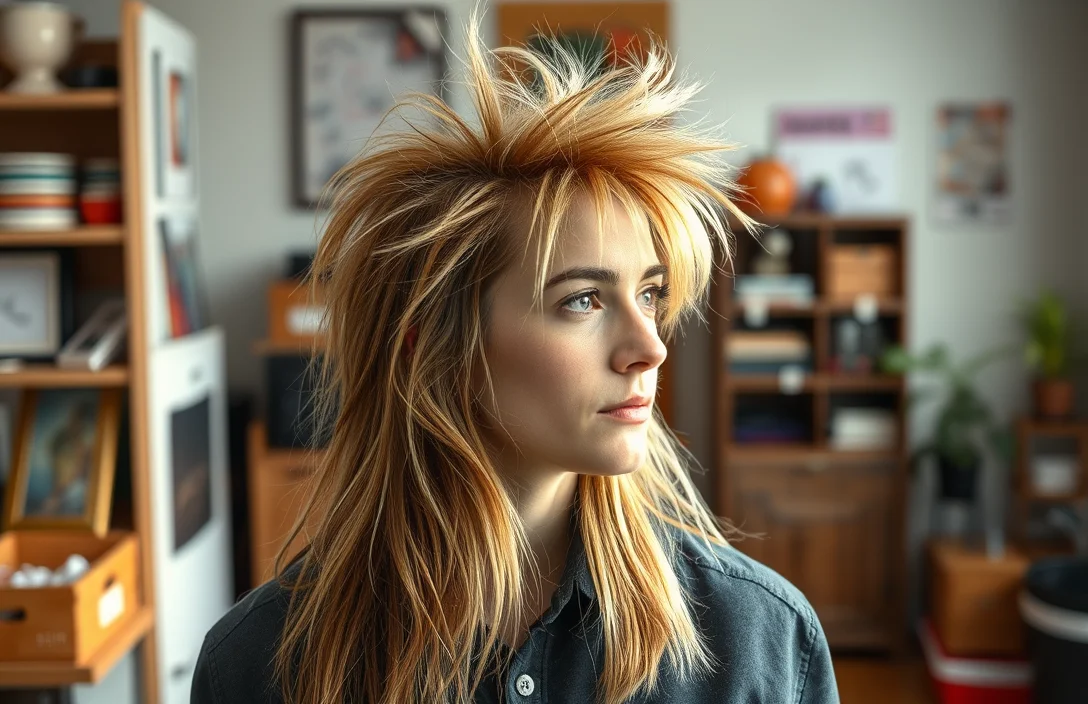
Shaggy mullets combine the characteristics of a shag haircut with the classic mullet. Emphasizing choppy layers throughout, this variation creates a more laid-back, edgy vibe. A shaggy mullet works well with natural waves, enhancing body and texture while offering a trendy appearance.
Long mullets extend beyond the shoulders, providing a unique and bold statement. This style is ideal for individuals wanting to showcase their length while maintaining the mullet’s iconic shape. Styling options include braids or ponytails, allowing for versatility in looks while keeping the mullet essence intact.
Modern mullets often blend with other styles, like pixie cuts or bobs. These hybrid approaches attract younger generations seeking a fresh take on the classic. Combining elements from various styles offers an opportunity to customize the look, catering to individual preferences and hair types.
Essential Mullet Styling Techniques
Crafting a stylish mullet look requires precision. Start by sectioning your hair into two distinct parts: the front and the back. This separation allows you to focus on each area individually, ensuring an even cut and style. Use clips to keep sections secure while you work on the desired length and texture.
- Begin with damp hair for easier styling. Wet hair allows for better control during the cutting or layering process, resulting in a more polished finish.
- Use sharp scissors to create clean edges. Dull blades can lead to uneven cuts. Snip the front section to your preferred length, maintaining a gradual transition to the longer back section.
- Texturize the hair for added dimension. Employ thinning shears or a razor to remove bulk, especially at the crown. This technique gives the mullet a more contemporary, tousled appearance.
- Blow-dry with a round brush to enhance volume. Lift the roots while directing airflow towards the ends. This method creates movement and body, crucial for achieving that iconic silhouette.
- Finish with a styling product. Pomade or wax works well to define and separate the layers, adding texture. Apply a small amount to your fingers, then work it through the hair, focusing on the ends for a defined look.
Maintenance Practices for Mullets
Regular trims maintain shape and prevent split ends. Aim for a haircut every 6 to 8 weeks to keep the mullet looking fresh. This frequency ensures the layers remain defined while promoting healthy hair growth. Consult with your stylist for specific recommendations based on your hair type and style preference.
Washing contributes to hair health, but frequency is key. Use a sulfate-free shampoo to avoid stripping natural oils, washing two to three times per week. Incorporate a moisturizing conditioner to keep your hair hydrated and soft. Ensure thorough rinsing to avoid product buildup that can weigh down the style.
Heat protection is essential for maintaining shine and preventing damage. Before using styling tools, apply a heat protectant spray. This barrier helps shield the hair from high temperatures while allowing for versatile styling options. Limit the use of heat tools to preserve hair integrity.
Styling products enhance volume and texture. Opt for lightweight mousses or sea salt sprays to create body without heaviness. Avoid heavy waxes or gels that can lead to a greasy appearance. Experiment with different products to find the right balance for your unique mullet.
Celebrities Popularizing the Mullet
Many celebrities have embraced the mullet, showcasing its versatility and appeal. Notable figures like Miley Cyrus and Billy Ray Cyrus have brought the hairstyle back to the forefront of pop culture. Their unique interpretations inspire fans to experiment with their own looks, proving that the mullet can be both edgy and chic.
Actors such as Chris Hemsworth have also sported variations of the mullet, often combining it with modern cuts. This trend demonstrates that the hairstyle can adapt to contemporary tastes while maintaining its classic roots. By seeing these stars flaunt their mullets, fans gain confidence to try the style themselves.
Musicians frequently adopt the mullet too, adding flair to their on-stage personas. Stars like David Bowie and Joan Jett have made the hairstyle iconic in the music industry. Their bold choices encourage fans to explore the artistic side of the mullet, making it a statement of individuality.
Influencers on social media platforms often share their mullet transformations, providing tutorials and styling tips. Their creativity showcases various ways to wear the hairstyle, from sleek and polished to wild and textured. Following these trends allows individuals to customize their look, making the mullet accessible to a broader audience.
Mullet Haircut Techniques Explained
Precise sectioning ensures an even cut. Start by dividing the hair into distinct zones: the top, sides, and back. Use clips to secure sections, allowing easier access to each area. This organization is crucial for achieving the desired contrast between the lengths, which is a hallmark of this style.
Efficient cutting involves using specialized tools. Razor scissors or thinning shears work best for creating texture. Employ the point-cutting technique on the top and the sides to add layers while maintaining length in the back. This method gives the hairstyle its characteristic flair and volume.
Consistent tension during cutting delivers a polished look. Hold each section taut while cutting to ensure clean lines and even layers. Uneven tension can lead to choppy lengths, so maintain a steady grip throughout the process. This attention to detail is essential for a professional finish.
Layering techniques matter significantly for this style. Start with the top section, cutting layers progressively shorter as you move down toward the back. This gradient effect enhances the mullet’s signature shape, creating a seamless transition that is visually appealing. A skilled stylist can make this look effortless.
Cleansing and finishing products finish the look. Use a lightweight pomade or mousse to define the layers and add texture. Apply these products sparingly to avoid weighing the hair down. A well-styled mullet should look vibrant and full of movement, showcasing the unique elements of the cut.
Mullet Variations for Men and Women
Exploring different mullet styles can enhance personal expression. Various cuts cater to both genders, allowing for individuality while embracing classic elements. Here’s a breakdown of specific variations suitable for men and women, highlighting how they can be tailored to suit different tastes and lifestyles.
- Textured mullet offers a modern twist. This style features choppy layers, creating volume and movement. Suitable for both genders, it works well with medium to long hair lengths and can be styled with a texturizing spray.
- Shaggy mullet blends retro and contemporary styles. With more pronounced layers, it provides a carefree look. Opt for soft bangs and a longer back to achieve this versatile style, perfect for casual or formal occasions.
- Classic mullet remains timeless and bold. Shorter on the front and sides, longer in the back, it showcases confidence. This style can be adapted with highlights or color to add flair, appealing to various personal styles.
- Curly mullet brings a fun, playful vibe. Ideal for those with natural curls, it enhances texture and defines shape. Embrace the bounce by using curl-enhancing products for a lively appearance.
- Undercut mullet combines edginess with a traditional look. Shaved sides and longer back create a striking contrast. This style can be tailored with designs or patterns for added uniqueness, making a bold statement.
Quick Summary
- The mullet hairstyle is characterized by short hair in the front and sides, with longer hair in the back.
- It originated in the 1970s and gained popularity in the 1980s, often associated with rock music and pop culture.
- The mullet has seen various adaptations and revivals over the decades, making it a versatile hairstyle.
- It can be styled in numerous ways, including textured, layered, or sleek finishes.
- Famous figures, including musicians and actors, have popularized the mullet, contributing to its cultural significance.
- Today, the mullet is often embraced as a statement of individuality and a nod to retro fashion trends.
- Care and maintenance can vary depending on the length and styling preferences of the individual.
Frequently Asked Questions
What is a mullet hairstyle?
A mullet hairstyle is characterized by short hair on the front and sides, while the back is left long. It gained popularity in the 1980s and is often associated with a bold, edgy look.
How do I style a mullet?
Styling a mullet typically involves keeping the sides and top short while allowing the back to grow long. You can use hair products like pomade or gel to add texture and definition to the shorter sections.
Is a mullet suitable for all hair types?
A mullet can work with various hair types, including straight, wavy, and curly hair. However, the styling may differ based on the texture, so it’s beneficial to consult with a hairstylist for tailored advice.
How do I maintain a mullet hairstyle?
Maintaining a mullet requires regular trims to keep the sides and top looking neat while allowing the back to grow. Regular washing and conditioning can also help keep the hair healthy and manageable.
Can a mullet be styled for formal occasions?
Yes, a mullet can be styled for formal occasions by opting for a sleeker look. Using styling products to smooth the hair and incorporating accessories can elevate the hairstyle for a more polished appearance.

- 7 Best Detangling Brushes for Curly Hair: Thick, Fine, Long & Natural Hair - September 25, 2026
- 5 Best Moisturizing Curl Defining Creams for Soft, Defined Curls - September 24, 2026
- Best Curl Creams for Straight Hair: 5 Top Picks for Women - September 24, 2026