
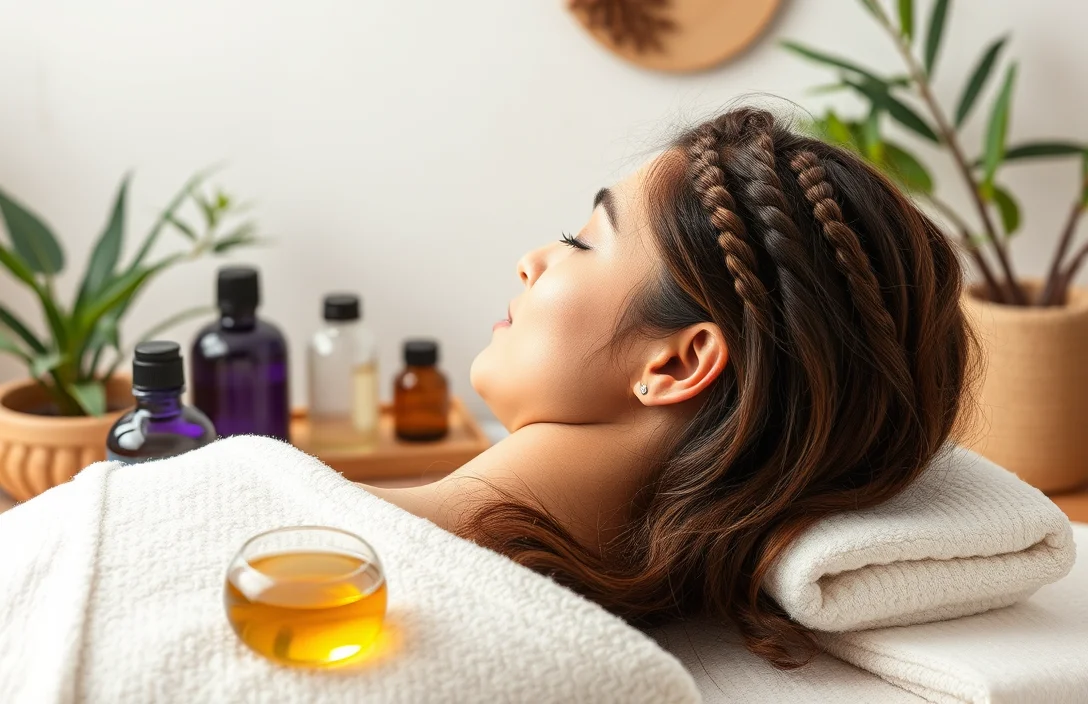
Top Oils for Scalp Massage to Boost Hair Health and Relaxation
Studies show that regular scalp massages can increase hair thickness by up to 20%. Using the right oils can enhance this effect, promoting relaxation while nourishing the scalp. Choosing the best oils is essential for maximizing these benefits and achieving healthier hair.
Key points: Jojoba oil mimics natural scalp oils; coconut oil penetrates hair shafts deeply; argan oil offers rich nutrients; peppermint oil stimulates circulation. Selecting the right oil boosts the massage experience and improves hair health.
Coconut Oil Benefits
- Coconut oil nourishes the scalp effectively. Rich in fatty acids, this oil penetrates deeply, moisturizing both the scalp and hair. Regular application can prevent dryness, flakiness, and irritation, leading to a healthier scalp environment. Use it as a pre-shampoo treatment to enhance overall hair health.
- Moisturizing properties of coconut oil are exceptional. Lauric acid, a key component, helps bind protein in hair, reinforcing its structure. Applying warm coconut oil during scalp massage not only hydrates but also strengthens hair strands, reducing breakage and promoting growth.
- Antimicrobial effects combat scalp issues. Coconut oil can inhibit the growth of fungi and bacteria, reducing dandruff and infections. Regular massages with this oil can keep the scalp clean and balanced, creating an optimal environment for hair growth.
- Massaging with coconut oil boosts blood circulation. Improved blood flow to the scalp enhances nutrient delivery to hair follicles. This encourages healthier hair growth and can lead to thicker, fuller hair over time.
- Versatility allows for easy blending. Coconut oil can be mixed with essential oils for added benefits. Combining it with oils like lavender or tea tree enhances relaxation and scalp health, making your massage even more beneficial.
Jojoba Oil Advantages
Moisturizing properties of jojoba oil significantly benefit scalp health. This oil closely resembles human sebum, making it effective for hydrating the scalp without leaving a greasy residue. Unlike many other oils, it penetrates hair follicles easily, ensuring that hydration reaches the roots, promoting overall hair health.
Rich in vitamins E and B, jojoba oil nourishes the scalp and strengthens hair strands. Regular scalp massages with this oil can help reduce dryness and flakiness, which are common issues that lead to irritation. Moreover, its anti-inflammatory properties can soothe an irritated scalp, providing relief from itchiness.
Application is straightforward; simply warm a small amount in your hands before massaging it into your scalp. Aim for gentle circular motions to stimulate blood flow while distributing the oil evenly. Doing this once or twice a week can yield noticeable improvements in scalp condition and hair vitality.
Incorporating jojoba oil into your scalp care routine can enhance not only moisture levels but also overall hair resilience. Most people will find that this oil improves their hair’s texture and shine, making it an excellent addition to any regimen focused on hair health.
Olive Oil for Scalp
Olive oil provides significant benefits for scalp health and relaxation. Rich in antioxidants and healthy fats, it strengthens hair, promotes shine, and reduces dryness. Regular scalp massages with olive oil can enhance blood circulation, leading to healthier hair follicles and improved hair growth. This oil serves as an excellent natural remedy to combat dandruff and other scalp issues.
- Moisturizes dry scalp efficiently.
- Improves hair elasticity and reduces breakage.
- Contains anti-inflammatory properties, soothing irritation.
- Acts as a natural conditioner, enhancing shine.
- Encourages healthy hair growth through better circulation.
Massaging olive oil into the scalp can be a relaxing experience. Warm the oil slightly before application for added comfort and effectiveness. Focus on areas that feel tense or dry, using gentle circular motions to stimulate the scalp. Aim for at least 10-15 minutes during each session, allowing the oil to penetrate deeply into the hair follicles.
Incorporating olive oil into your hair care routine can yield impressive results. Regular use not only improves the overall condition of your scalp but also enhances the strength and appearance of your hair. With consistent application, expect softer, shinier, and more resilient locks.
Rosemary Oil’s Effects
Stimulating hair growth requires effective circulation. Rosemary oil enhances blood flow to the scalp, delivering essential nutrients directly to hair follicles. This increased circulation can lead to improved hair density and promote healthier hair growth over time. Regular scalp massages with rosemary oil can maximize these benefits, making it an excellent choice for anyone looking to improve hair health.
- Apply rosemary oil directly on the scalp. Mix a few drops with a carrier oil, such as coconut or jojoba oil, to prevent irritation.
- Massage your scalp gently for 5-10 minutes. Focus on areas where thinning occurs to stimulate those specific follicles.
- Leave the mixture on for at least 30 minutes. For best results, consider leaving it overnight before washing it out.
- Repeat this process 2-3 times weekly. Consistency is key to seeing noticeable improvements in hair growth and scalp health.
Research indicates that rosemary oil may be as effective as minoxidil, a popular hair growth treatment. Incorporating this oil into your routine can lead to significant benefits for your hair and scalp.
Tea Tree Oil Uses
Fungal infections on the scalp can lead to significant hair and scalp issues. Tea tree oil possesses potent antifungal properties, making it an excellent choice for treating such conditions. Regular application can help combat dandruff, scalp irritation, and other fungal-related problems while promoting overall scalp health.
Research indicates that tea tree oil is effective against various fungi, including Malassezia, a common contributor to dandruff. Diluting this oil with a carrier, like coconut or jojoba oil, is crucial for safe application. This combination not only enhances its antifungal effects but also prevents irritation on the skin.
Application methods vary, but a simple approach involves adding a few drops of tea tree oil to your regular shampoo. This method allows for easy incorporation into your hair care routine. Alternatively, create a scalp treatment by mixing tea tree oil with a carrier oil and massaging it directly onto the scalp.
Results typically manifest within a few weeks of consistent use. Regular scalp massages with tea tree oil can also improve circulation, promoting healthier hair growth. Always perform a patch test before broad application to avoid allergic reactions and ensure compatibility with your skin type.
Peppermint Oil Properties
Peppermint oil invigorates the scalp effectively, promoting enhanced blood circulation. This stimulation helps deliver essential nutrients to hair follicles, potentially improving hair growth and health. The cooling sensation associated with peppermint provides a refreshing experience, making it perfect for scalp massages.
- Apply peppermint oil diluted. Mix a few drops of peppermint oil with a carrier oil, such as coconut or jojoba oil, to prevent irritation. Applying it directly can cause discomfort.
- Massage gently into the scalp. Use your fingertips to massage the oil into your scalp in circular motions. This action not only spreads the oil but also enhances blood flow.
- Leave the mixture on. Allow the oil to sit for at least 20 minutes before washing it out. This waiting period maximizes absorption, enhancing its benefits.
- Incorporate into your routine. Use peppermint oil once or twice a week as part of your scalp health regimen. Consistency is key to achieving noticeable results.
- Monitor your scalp’s response. Pay attention to any changes in scalp condition or hair growth. Adjust the frequency or dilution based on your findings for optimal results.
Quick Summary
- Essential oils like lavender and tea tree oil promote relaxation and scalp health.
- Coconut oil is highly moisturizing and helps reduce dandruff.
- Jojoba oil closely resembles natural scalp oils and can balance oil production.
- Argan oil is rich in antioxidants and can nourish and protect hair follicles.
- Olive oil provides deep conditioning and enhances hair shine.
- Castor oil is known for promoting hair growth and preventing hair loss.
- Using warm oils can enhance absorption and improve the massage experience.
Frequently Asked Questions
What are the best oils for scalp massage?
Some of the best oils for scalp massage include coconut oil, jojoba oil, olive oil, argan oil, and almond oil. These oils are known for their nourishing properties and ability to promote healthy hair growth while providing hydration to the scalp.
How often should I do a scalp massage with oil?
For optimal results, it’s recommended to perform a scalp massage with oil 1-2 times a week. This frequency allows the scalp to absorb the nutrients without becoming overly greasy or clogged.
Can I use essential oils for scalp massage?
Yes, essential oils can be beneficial for scalp massages, but they should always be diluted with a carrier oil like coconut or jojoba oil. Popular essential oils for this purpose include lavender, tea tree, and rosemary, which may help with relaxation and promote hair health.
What are the benefits of scalp massage with oil?
Scalp massage with oil can improve blood circulation, reduce stress, and promote relaxation. Additionally, it nourishes the hair follicles, potentially leading to healthier hair growth and a reduction in dryness or flakiness of the scalp.
Is there a specific technique for scalp massage with oil?
Yes, a good technique involves using your fingertips to apply gentle pressure in circular motions across the scalp. Start from the front and work your way to the back, spending extra time on any areas that feel tense, which can enhance the overall benefits of the massage.

- 10 Best Hair Oil For Oily Hair Buyer Guide 2026 - October 26, 2026
- 10 Best Hair Oil For Oily Scalp Buyer Guide 2026 - October 26, 2026
- 10 Best Hair Oil For Newborn Baby Girl Buyer Guide 2026 - October 25, 2026