
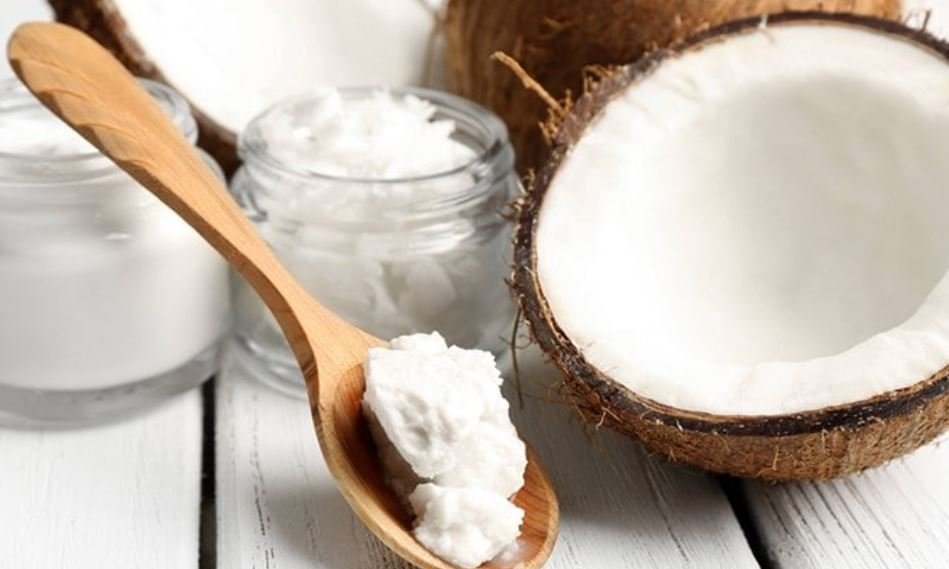
Coconut Oil for Hair Fall: A Complete Guide to Stronger, Healthier Hair
Hair fall is a common concern caused by factors such as poor nutrition, stress, heat styling, hormonal changes, and hair damage. Coconut oil is one of the most popular natural remedies because it helps reduce protein loss, moisturizes the hair shaft, and protects strands from breakage. While it cannot cure every type of hair loss, it can improve overall hair health and minimize damage-related shedding.
What Is Coconut Oil and Why Is It Used for Hair Fall?
Coconut oil is one of the most widely used natural oils for improving hair health and reducing hair fall caused by breakage. It is rich in lauric acid, medium-chain fatty acids, and antioxidants that help strengthen the hair shaft and reduce protein loss. Unlike many other oils, coconut oil can penetrate deep into the hair fiber instead of simply coating the surface.
Many people use coconut oil as part of their weekly hair care routine because it moisturizes dry hair, protects against heat and environmental damage, and supports a healthier scalp. While coconut oil cannot cure medical hair loss caused by genetics or hormonal conditions, it can help minimize damage-related hair fall and improve the overall appearance of hair.
What Makes Coconut Oil Different from Other Hair Oils?
Coconut oil has a unique molecular structure that allows it to penetrate the hair shaft more effectively than many popular oils. Its high concentration of lauric acid has a strong affinity for hair proteins, helping reduce protein loss during washing and styling.
Unlike heavier oils that mainly sit on the hair’s surface, coconut oil nourishes the hair from within, making it especially beneficial for dry, damaged, and chemically treated hair.
Key Nutrients and Fatty Acids in Coconut Oil
Coconut oil contains several nutrients that contribute to healthier hair and scalp.
- Lauric Acid: Penetrates the hair shaft and reduces protein loss.
- Caprylic and Capric Acids: Help moisturize and soften hair.
- Vitamin E: Supports scalp health by protecting against oxidative stress.
- Antioxidants: Help reduce damage caused by environmental factors.
- Healthy Fats: Improve hair smoothness and reduce frizz.
Together, these nutrients help strengthen hair fibers while improving shine and manageability.
How Coconut Oil Supports Hair Health
Regular use of coconut oil helps protect the hair cuticle, reducing moisture loss and minimizing breakage. Healthy hair retains more moisture, making it softer, shinier, and less likely to split.
Coconut oil also helps reduce friction between hair strands during brushing and styling. This lowers the risk of mechanical damage that often contributes to excessive hair fall.
Who Can Benefit Most from Coconut Oil?
Coconut oil is suitable for many hair types, but it provides the greatest benefits for people with dry or damaged hair.
It may be especially helpful for:
- Dry or dehydrated hair
- Curly and coily hair that needs extra moisture
- Heat-damaged or chemically treated hair
- Hair prone to breakage and split ends
- People looking for a natural pre-shampoo treatment
Those with very fine or oily hair may need to use smaller amounts to avoid product buildup.
Coconut Oil Benefits at a Glance
| Benefit | How It Helps Hair |
|---|---|
| Strengthens Hair | Penetrates the hair shaft to reduce protein loss, minimize breakage, and improve overall hair strength. |
| Improves Scalp and Hair Health | Moisturizes the scalp, reduces dryness, enhances shine, and helps protect hair from heat and environmental damage. |
Does Coconut Oil Help Reduce Hair Fall?
Yes, coconut oil can help reduce hair fall caused by hair breakage, but it is not a cure for every type of hair loss. Research shows that coconut oil penetrates the hair shaft better than many other oils, helping reduce protein loss and strengthen hair fibers. As a result, hair becomes less likely to break during washing, brushing, and heat styling.
However, if hair fall is caused by genetics, hormonal imbalances, medical conditions, or nutritional deficiencies, coconut oil alone is unlikely to stop it. In these cases, treating the underlying cause is essential for long-term hair growth and reduced shedding.
What Research Says About Coconut Oil and Hair Loss
Scientific studies have found that coconut oil reduces protein loss in both damaged and undamaged hair because of its high lauric acid content. This helps preserve the hair’s structure and improves its resistance to daily wear and tear.
Although coconut oil supports healthier hair, current research does not show that it can regrow hair or reverse conditions such as androgenetic alopecia. Instead, its primary benefit is protecting existing hair from damage and breakage.
Can Coconut Oil Prevent Hair Breakage?
Coconut oil forms a protective layer around the hair shaft while also penetrating deep into the hair fiber. This combination helps reduce friction, improves flexibility, and prevents split ends.
When hair is less prone to breakage, it appears thicker and healthier, and fewer strands are lost during daily grooming.
Hair Fall vs. Hair Shedding: What’s the Difference?
Hair shedding and hair fall are often used interchangeably, but they are not the same. Hair shedding is a normal part of the hair growth cycle, with most people losing 50 to 100 hairs per day. These hairs naturally fall out during the telogen (resting) phase and are replaced by new growth.
Hair fall, on the other hand, refers to excessive hair loss caused by factors such as poor nutrition, stress, hormonal changes, medical conditions, or hair damage. Coconut oil is most effective for reducing breakage-related hair fall, but it cannot treat underlying medical causes of hair loss.
When Coconut Oil May Not Work
Although coconut oil offers many benefits, it is not a cure for every type of hair loss. If hair fall results from genetics, hormonal disorders, autoimmune diseases, or nutrient deficiencies, using coconut oil alone is unlikely to solve the problem.
Persistent or sudden hair loss should be evaluated by a healthcare professional or dermatologist to identify and treat the underlying cause.
Hair Shedding vs. Hair Fall
| Hair Shedding | Hair Fall |
|---|---|
| A natural part of the hair growth cycle that usually involves losing 50–100 hairs daily. | Excessive hair loss caused by breakage, stress, illness, hormonal changes, or other underlying conditions. |
| Hair grows back naturally as new strands replace old ones. | May require lifestyle changes, medical treatment, or targeted hair care depending on the cause. |
Benefits of Coconut Oil for Hair Fall
Coconut oil supports healthier hair by strengthening the hair shaft, reducing moisture loss, and protecting strands from everyday damage. While it cannot reverse all forms of hair loss, regular use can reduce breakage and improve the overall condition of your hair.
Reduces Protein Loss
Hair is made primarily of keratin, a structural protein that keeps strands strong and resilient. Daily washing, heat styling, and chemical treatments can strip away this protein, leaving hair weak and prone to breakage.
Coconut oil is rich in lauric acid, which penetrates the hair shaft and helps reduce protein loss. This keeps hair stronger and less likely to snap during brushing or styling.
Strengthens Hair Strands
Weak hair is more susceptible to split ends and breakage. Coconut oil coats and penetrates the hair fiber, improving its flexibility and reducing mechanical damage caused by combing, towel drying, and styling.
With consistent use, hair becomes smoother, stronger, and more resistant to everyday wear.
Moisturizes the Hair Shaft
Dry hair is one of the leading causes of breakage. Coconut oil helps lock moisture inside the hair shaft, preventing dryness and improving softness.
Well-moisturized hair is easier to detangle, less frizzy, and more manageable throughout the day.
Protects Hair from Heat and Environmental Damage
Frequent heat styling, UV exposure, pollution, and harsh weather can weaken the hair cuticle. Coconut oil creates a protective barrier around each strand, helping reduce damage from these external factors.
Using coconut oil before washing or styling can also reduce friction and minimize hair breakage.
Improves Scalp Health
A healthy scalp creates the ideal environment for strong hair growth. Coconut oil has moisturizing properties that help relieve scalp dryness and reduce flaking.
Regular scalp massage with coconut oil may also improve blood circulation, helping deliver oxygen and nutrients to hair follicles that support healthy hair growth.
Benefits of Coconut Oil at a Glance
| Benefit | How It Helps |
|---|---|
| Stronger Hair | Reduces protein loss, strengthens hair fibers, minimizes breakage, and improves elasticity. |
| Healthier Scalp | Moisturizes the scalp, protects against dryness, and creates a healthier environment for hair growth. |
How Does Coconut Oil Work on Hair and Scalp?
Coconut oil works differently from many other hair oils because it penetrates the hair shaft instead of remaining only on the surface. Its high concentration of lauric acid allows it to bond with hair proteins, helping preserve the hair’s internal structure.
By reducing moisture loss, protecting the cuticle, and improving scalp hydration, coconut oil helps keep hair stronger, smoother, and less prone to damage over time.
Penetrating the Hair Shaft
Unlike mineral oil and some vegetable oils, coconut oil penetrates deep into the hair shaft. This helps strengthen hair from within rather than simply adding a temporary coating.
Deep penetration reduces protein loss and improves hair resilience, making strands less likely to break during everyday grooming.
Reducing Moisture Loss
Healthy hair needs the right balance of moisture to remain soft, flexible, and resistant to breakage. Coconut oil helps seal moisture inside the hair shaft, reducing water loss during washing and daily exposure to heat and dry air.
When hair stays hydrated, it becomes easier to manage, develops fewer split ends, and is less likely to become brittle. This is especially beneficial for curly, coily, and chemically treated hair, which tends to lose moisture more quickly.
Supporting the Hair Cuticle
The cuticle is the hair’s outer protective layer. Heat styling, chemical treatments, and environmental damage can lift or weaken the cuticle, making hair rough and more prone to breakage.
Coconut oil smooths the cuticle by filling tiny gaps and reducing friction between hair strands. A smoother cuticle helps improve shine, softness, and overall hair strength while minimizing tangles and frizz.
Maintaining a Healthy Scalp Barrier
A healthy scalp is essential for healthy hair growth. Coconut oil moisturizes the scalp, helping relieve dryness and reduce flaking caused by a weakened skin barrier.
Massaging coconut oil into the scalp may also improve blood circulation, allowing nutrients and oxygen to reach the hair follicles more efficiently. While coconut oil cannot cure scalp conditions, it can help maintain a healthier environment for growing stronger hair.
How Coconut Oil Supports Hair
| Action | Benefit |
|---|---|
| Penetrates the Hair Shaft | Reduces protein loss, strengthens hair fibers, and minimizes breakage. |
| Protects Hair and Scalp | Locks in moisture, smooths the cuticle, and supports a healthier scalp barrier. |
How to Use Coconut Oil for Hair Fall
Using coconut oil correctly is just as important as choosing a high-quality product. Applying too much oil or using it incorrectly can leave hair greasy and difficult to wash. A consistent routine using the right amount can help reduce breakage and improve hair health over time.
Pre-Shampoo Coconut Oil Treatment
Applying coconut oil before shampooing helps protect the hair from moisture and protein loss during washing.
Warm a small amount of coconut oil between your hands and apply it from the mid-lengths to the ends of your hair. Leave it on for 30 minutes to 2 hours before washing with a gentle shampoo.
Overnight Coconut Oil Mask
An overnight treatment provides extra hydration for dry or damaged hair.
Massage a small amount of coconut oil into your scalp and distribute the remaining oil through the hair lengths. Cover your hair with a satin bonnet or towel and shampoo it thoroughly the next morning.
People with fine or oily hair may prefer shorter treatments to avoid product buildup.
Warm Oil Scalp Massage
Slightly warming coconut oil before application improves spreadability and creates a relaxing scalp massage.
Use your fingertips to gently massage the oil into your scalp for 5 to 10 minutes using circular motions. This helps distribute the oil evenly and may temporarily improve scalp circulation.
Leave-In Application Tips
Coconut oil can also be used as a leave-in treatment, but only in very small amounts.
Rub one or two drops between your palms and smooth them over dry ends to reduce frizz and add shine. Avoid applying large amounts near the scalp if your hair becomes oily easily.
How Often Should You Apply Coconut Oil?
The ideal frequency depends on your hair type and condition.
- Dry or damaged hair: 2–3 times per week
- Curly or coily hair: 2–3 times per week
- Normal hair: Once a week
- Fine or oily hair: Every 1–2 weeks using a small amount
Consistency is more important than frequent application. Regular treatments over several weeks usually provide the best results.
Step-by-Step Coconut Oil Hair Treatment Routine
Following a simple routine helps maximize the benefits of coconut oil while preventing excessive buildup.
Choose the Right Coconut Oil
Select 100% virgin, organic, cold-pressed coconut oil whenever possible. Cold-pressed oil retains more of its natural nutrients and is free from unnecessary additives.
Warm the Oil Properly
Place a small amount of coconut oil in a bowl and warm it slightly until it melts. The oil should feel comfortably warm, not hot, before applying it to your hair or scalp.
Massage the Scalp
Use your fingertips to massage the warm oil into your scalp for several minutes. Focus on gentle circular motions instead of scratching with your nails.
Apply Along the Hair Length
Spread the remaining oil evenly from the mid-lengths to the ends of your hair, paying extra attention to dry or damaged areas.
Wash and Condition Correctly
Leave the oil on for at least 30 minutes, then wash it out using a mild shampoo. Follow with a conditioner to help seal moisture into the hair.
Coconut Oil Treatment Routine
| Step | What to Do |
|---|---|
| Preparation | Choose virgin cold-pressed coconut oil, warm it slightly, and massage it gently into the scalp. |
| Application | Apply through the hair lengths, leave for 30 minutes to overnight, then shampoo and condition thoroughly. |
Choosing the Best Coconut Oil for Hair Fall
Not all coconut oils offer the same quality. The processing method can affect the oil’s nutrient content and overall performance.
Virgin vs. Refined Coconut Oil
Virgin coconut oil is extracted from fresh coconut without harsh chemicals or excessive heat. It retains more antioxidants and beneficial compounds.
Refined coconut oil undergoes additional processing that removes impurities but may also reduce some naturally occurring nutrients.
Organic vs. Regular Coconut Oil
Organic coconut oil is produced without synthetic pesticides or fertilizers, making it a preferred option for people seeking a more natural hair care product.
Although regular coconut oil can still be effective, organic products often contain fewer contaminants.
Cold-Pressed Coconut Oil Benefits
Cold-pressed coconut oil is extracted mechanically without high heat, helping preserve its fatty acids and antioxidants.
This makes it one of the best choices for maintaining healthy hair and scalp.
Ingredients to Avoid
Avoid products that contain:
- Mineral oil
- Artificial fragrances
- Harsh preservatives
- Excessive silicones
- Artificial colors
Pure coconut oil provides the greatest benefits without unnecessary additives.
Coconut Oil for Different Hair Types
Coconut oil works differently depending on hair texture, porosity, and oil production.
Straight Hair
Use a small amount once a week to avoid weighing hair down while adding softness and shine.
Wavy Hair
Apply primarily to the mid-lengths and ends to reduce frizz and improve wave definition without making roots greasy.
Curly Hair
Curly hair benefits from regular coconut oil treatments that help lock in moisture and reduce breakage.
Coily Hair
Coily hair tends to be naturally drier, making coconut oil an effective pre-shampoo treatment for improving softness and moisture retention.
Color-Treated Hair
Coconut oil helps reduce protein loss caused by bleaching and coloring while improving hair smoothness and manageability.
Common Mistakes When Using Coconut Oil
Applying Too Much Oil
Using excessive coconut oil can lead to greasy hair, buildup, and difficult washing. A small amount is usually enough.
Leaving Oil on Too Long
While overnight treatments work well for some people, leaving heavy amounts of oil on the scalp for extended periods may cause buildup in certain hair types.
Using Low-Quality Coconut Oil
Choose pure, cold-pressed coconut oil instead of products diluted with mineral oil or artificial ingredients.
Expecting Immediate Results
Healthy hair develops gradually. Most people notice improvements in softness, shine, and reduced breakage after several weeks of consistent use.
Tips to Maximize Coconut Oil Results
- Eat a protein-rich, balanced diet.
- Stay hydrated throughout the day.
- Avoid excessive heat styling.
- Trim split ends regularly.
- Sleep on a satin or silk pillowcase.
- Use sulfate-free shampoos when possible.
- Massage your scalp consistently.
- Protect hair from excessive sun exposure.
Possible Side Effects and Precautions
Although coconut oil is generally safe, it may not suit everyone.
Some people may experience product buildup or greasy hair if they apply too much. Those with coconut allergies should avoid using it completely.
If you notice scalp irritation, itching, redness, or worsening hair problems, discontinue use and consult a healthcare professional.
Frequently Asked Questions
| Question | Answer |
|---|---|
| Does coconut oil stop hair fall permanently? | No. Coconut oil helps reduce breakage-related hair fall but cannot permanently stop hair loss caused by genetics, hormones, or medical conditions. |
| How often should I use coconut oil for hair fall? | Most people benefit from using coconut oil 1–3 times per week, depending on their hair type and condition. |
| Should I apply coconut oil to wet or dry hair? | Coconut oil works best on dry or slightly damp hair before shampooing, allowing it to penetrate the hair shaft effectively. |
| Can I leave coconut oil overnight? | Yes. An overnight treatment can deeply moisturize dry or damaged hair, but people with fine or oily hair may prefer shorter treatments. |
| Which coconut oil is best for hair fall? | Virgin, organic, cold-pressed coconut oil is the best choice because it retains more beneficial nutrients and contains fewer additives. |
| Can coconut oil help with thinning hair? | Coconut oil may improve hair strength and reduce breakage, making hair appear fuller, but it does not regrow hair lost due to medical or genetic causes. |
| Is coconut oil safe for oily scalps? | Yes, but it should be used sparingly to avoid excessive buildup. Applying it mainly to the hair lengths often works best. |
| How long does it take to see results? | Most people notice softer, shinier, and stronger hair within 4 to 8 weeks of regular use, although results vary by hair type and routine. |
Conclusion
Coconut oil is one of the most effective natural oils for improving hair health and reducing breakage-related hair fall. Its unique ability to penetrate the hair shaft helps reduce protein loss, strengthen hair fibers, and maintain moisture, resulting in smoother, healthier-looking hair.
Although coconut oil cannot cure genetic or medical hair loss, it can become an important part of a healthy hair care routine when used consistently. Pairing it with a balanced diet, gentle hair care practices, and proper scalp care offers the best chance of maintaining stronger, healthier hair over the long term.

- 10 Best Hair Oil For Oily Skin Buyer Guide 2026 - October 26, 2026
- 10 Best Hair Oil For Overnight Buyer Guide 2026 - October 26, 2026
- 10 Best Hair Oil For Oily Scalp And Dry Ends Buyer Guide 2026 - October 26, 2026
3 Comments