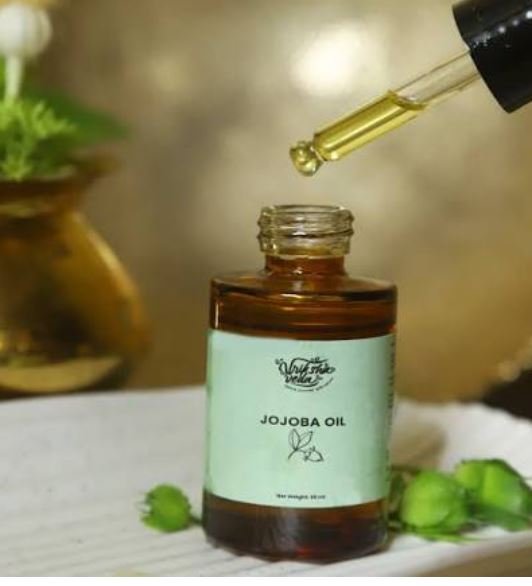
Jojoba Hair Oil: Benefits, Uses, and Complete Hair Care Guide
Jojoba hair oil is one of the most versatile natural oils for maintaining healthy hair and a balanced scalp.
Unlike many plant oils, jojoba oil is technically a liquid wax ester that closely resembles the natural sebum produced by your scalp. This unique composition allows it to moisturize hair without leaving a heavy, greasy residue while helping protect the hair shaft from dryness and breakage.
Whether you have straight, wavy, curly, or coily hair, jojoba oil can help improve softness, reduce frizz, support scalp health, and enhance shine. Although it is not a cure for hair loss, regular use may strengthen hair, reduce breakage, and create a healthier environment for hair growth.
In this guide, you’ll learn what jojoba hair oil is, its benefits, how it works, the best ways to use it, how to choose the right product, and expert tips for healthier hair.
What Is Jojoba Hair Oil?
Jojoba hair oil is extracted from the seeds of the jojoba plant (Simmondsia chinensis), a shrub native to the deserts of North America. Unlike traditional vegetable oils, jojoba oil closely mimics the scalp’s natural sebum, making it one of the most compatible oils for both hair and skin.
Because it absorbs easily without clogging the scalp, jojoba oil helps moisturize dry hair, reduce frizz, and support a healthy scalp barrier. It is suitable for nearly every hair type, from fine straight hair to thick coily hair.
What Is Jojoba Oil Made From?
Jojoba oil comes from the seeds of the jojoba shrub. Instead of triglycerides like coconut or olive oil, it contains liquid wax esters, which are remarkably similar to the natural oils produced by human skin.
It also contains beneficial nutrients, including vitamin E, B-complex vitamins, antioxidants, copper, zinc, and essential fatty acids, all of which contribute to healthier-looking hair and scalp.
Why Is Jojoba Oil Different from Other Hair Oils?
One of jojoba oil’s biggest advantages is its similarity to natural scalp sebum. Rather than coating the hair heavily, it absorbs quickly and helps regulate moisture without making hair feel greasy.
Unlike heavier oils, jojoba oil works well for both dry and oily scalps. It hydrates dry hair while helping balance excess oil production, making it suitable for frequent use.
Key Nutrients in Jojoba Oil
Jojoba oil contains several nutrients that support healthy hair and scalp.
- Vitamin E helps protect hair from oxidative damage.
- Vitamin B Complex supports healthy hair and scalp function.
- Essential Fatty Acids improve softness and moisture retention.
- Antioxidants help defend hair against environmental stress.
- Copper and Zinc support normal scalp health.
Together, these nutrients nourish the hair shaft while helping maintain a healthier scalp environment.
Who Should Use Jojoba Hair Oil?
Jojoba oil is suitable for most hair types and is especially beneficial for people who experience dryness, frizz, or scalp irritation.
It may be ideal for:
- Dry or dehydrated hair
- Frizzy and damaged hair
- Curly and coily hair
- Fine hair that becomes greasy easily
- Dry or flaky scalps
- Color-treated or chemically processed hair
Because it is lightweight and non-greasy, jojoba oil is often a good choice for people who find heavier oils too rich.
Jojoba Hair Oil Benefits at a Glance
| Benefit | How It Helps Hair |
|---|---|
| Hydrates Hair & Scalp | Mimics natural sebum to lock in moisture, reduce dryness, and improve softness without leaving heavy buildup. |
| Strengthens & Protects Hair | Helps reduce breakage, smooths the hair cuticle, controls frizz, and adds natural shine. |
Is Jojoba Oil Good for Hair?
Yes. Jojoba oil is an excellent natural moisturizer that supports healthier hair by reducing dryness, improving shine, minimizing frizz, and protecting the hair cuticle. Because it closely resembles the scalp’s natural oil, it helps maintain moisture balance without weighing hair down.
While jojoba oil does not directly stimulate new hair growth, it can improve the condition of existing hair and create a healthier scalp environment that supports normal hair growth.
What Science Says About Jojoba Oil
Research suggests that jojoba oil functions as an effective emollient, helping soften the hair shaft and reduce moisture loss. Its wax esters form a lightweight protective layer around the hair, making it smoother and less prone to breakage.
Its antioxidant compounds may also help protect the scalp and hair from environmental stress, while its moisturizing properties can reduce dryness and improve overall hair manageability.
Benefits of Jojoba Hair Oil
Jojoba oil is a lightweight, nutrient-rich oil that nourishes both the hair and scalp. Its moisturizing and protective properties help reduce dryness, minimize breakage, improve shine, and keep hair healthier without leaving heavy buildup.
Moisturizes Dry Hair
Jojoba oil locks moisture into the hair shaft, helping prevent dryness and brittleness. Hydrated hair feels softer, looks shinier, and is easier to manage.
Because it absorbs quickly, it provides moisture without making hair greasy.
Reduces Hair Breakage
Dry and damaged hair is more likely to snap during brushing and styling. Jojoba oil forms a protective layer around each strand, reducing friction and strengthening the hair cuticle.
Over time, healthier strands become less prone to split ends and breakage.
Adds Shine and Softness
A smooth cuticle reflects more light, giving hair a naturally glossy appearance. Jojoba oil smooths rough hair fibers, improving softness while making hair easier to detangle.
Regular use can leave hair feeling silky and looking healthier.
Balances Scalp Oil Production
Jojoba oil closely resembles the scalp’s natural sebum, helping maintain a healthy moisture balance. It hydrates dry scalps without clogging pores and may help regulate excess oil production on oily scalps.
This makes it suitable for a wide range of hair and scalp types.
Helps Reduce Frizz
Frizz often develops when dry hair absorbs moisture from the surrounding air. Jojoba oil seals the hair cuticle, reducing moisture fluctuations that cause flyaways and frizz.
The result is smoother, more defined, and easier-to-style hair.
Supports a Healthy Scalp
A healthy scalp provides the ideal foundation for healthy hair. Jojoba oil moisturizes the scalp, relieves dryness, and helps maintain the skin’s natural protective barrier.
Regular use may improve scalp comfort and create better conditions for healthy hair growth.
Benefits of Jojoba Hair Oil
| Benefit | How It Helps |
|---|---|
| Healthier Hair | Moisturizes hair, reduces breakage, controls frizz, improves softness, and enhances natural shine. |
| Healthier Scalp | Balances natural oils, relieves dryness, supports the scalp barrier, and promotes healthier-looking hair. |
How Does Jojoba Oil Work on Hair and Scalp?
Jojoba oil works by mimicking the scalp’s natural sebum, allowing it to moisturize the hair and scalp without leaving a heavy residue. It forms a lightweight protective barrier that locks in moisture, smooths the cuticle, and helps reduce damage caused by heat styling and environmental stress.
Mimics Natural Scalp Sebum
Jojoba oil is unique because its wax ester structure is remarkably similar to the natural oil produced by the scalp. This allows it to absorb easily, helping maintain moisture balance without making hair feel overly oily.
As a result, jojoba oil works well for nearly every hair type, including straight, wavy, curly, and coily hair.
How Does Jojoba Oil Work on Hair and Scalp?
Jojoba oil works by forming a lightweight protective barrier around the hair while also moisturizing the scalp. Because its composition is similar to natural sebum, it spreads easily without clogging pores or leaving excessive residue. This helps maintain healthy moisture levels, strengthens the hair cuticle, and protects hair from everyday damage.
Mimics Natural Scalp Sebum
One of jojoba oil’s biggest advantages is that it closely resembles the scalp’s natural oil, known as sebum. This allows it to blend naturally with the scalp, helping maintain the right balance of moisture.
Whether your scalp is dry or oily, jojoba oil helps condition the skin without making it feel greasy, making it suitable for most hair types.
Seals Moisture into Hair
Dry hair loses moisture quickly, becoming rough and brittle. Jojoba oil coats the hair shaft with a lightweight layer that helps lock in hydration and reduce water loss.
Well-moisturized hair is softer, easier to detangle, and less likely to develop split ends or break during styling.
Protects the Hair Cuticle
The hair cuticle is the outermost layer that shields the inner hair fibers from damage. Heat styling, chemical treatments, and environmental exposure can weaken this protective layer.
Jojoba oil smooths the cuticle, reducing friction between strands and improving shine. A smoother cuticle also helps minimize frizz and makes hair easier to manage.
Soothes Dry and Irritated Scalps
Jojoba oil has moisturizing and soothing properties that help relieve scalp dryness and flaking. It supports the scalp’s natural protective barrier, reducing moisture loss and improving overall scalp comfort.
A healthier scalp creates better conditions for stronger, healthier-looking hair.
How Jojoba Oil Works
| Action | Benefit |
|---|---|
| Moisturizes Hair | Locks in moisture, smooths the cuticle, reduces frizz, and improves softness. |
| Supports Scalp Health | Mimics natural sebum, relieves dryness, and helps maintain a balanced, healthy scalp. |
How to Use Jojoba Hair Oil
Jojoba oil is easy to incorporate into almost any hair care routine. It can be used as a scalp treatment, pre-shampoo oil, leave-in conditioner, or overnight mask. Choosing the right method depends on your hair type and specific concerns.
As a Scalp Massage Oil
Massage a few drops of jojoba oil directly onto your scalp using your fingertips. Gently massage in circular motions for 5 to 10 minutes to distribute the oil evenly.
This helps moisturize the scalp, loosen dry flakes, and improve overall scalp comfort.
Pre-Shampoo Treatment
Applying jojoba oil before shampooing helps protect the hair from dryness caused by washing.
Work a small amount through the mid-lengths and ends of your hair and leave it on for 20 to 30 minutes before shampooing as usual.
Leave-In Hair Oil
Jojoba oil also works well as a lightweight leave-in treatment.
Rub 1–2 drops between your palms and apply it to damp or dry hair, focusing on the ends to reduce frizz and add shine. Avoid applying too much near the roots if your hair is naturally oily.
Overnight Hair Mask
For deep hydration, apply jojoba oil to your scalp and hair before bed.
Cover your hair with a satin bonnet or pillowcase and wash it the following morning. This treatment is especially beneficial for dry, curly, coily, or damaged hair.
Mixed with Conditioner
You can mix a few drops of jojoba oil into your favorite conditioner or deep conditioning mask.
This boosts moisture, improves softness, and helps reduce tangles, leaving hair smoother and easier to style.
Best Ways to Use Jojoba Oil
| Method | Best For |
|---|---|
| Scalp Massage & Pre-Shampoo Treatment | Moisturizing the scalp, reducing dryness, and protecting hair before washing. |
| Leave-In & Overnight Treatment | Adding shine, controlling frizz, improving softness, and deeply hydrating dry or damaged hair. |
Step-by-Step Jojoba Oil Hair Treatment Routine
Using jojoba oil consistently can improve both hair and scalp health. Follow these simple steps for the best results.
Choose Pure Jojoba Oil
Select 100% pure, cold-pressed, organic jojoba oil whenever possible. High-quality oil retains more nutrients and contains no unnecessary additives or synthetic fragrances.
Warm the Oil Slightly
Pour a small amount of jojoba oil into a bowl and warm it gently until it reaches a comfortable temperature. Slightly warm oil spreads more easily through the hair and scalp.
Massage into the Scalp
Apply the oil directly to your scalp and massage gently with your fingertips for 5 to 10 minutes. This helps distribute the oil evenly while promoting a relaxing scalp massage.
Apply Through Hair Lengths
Work the remaining oil through the mid-lengths and ends of your hair, paying special attention to dry or damaged sections.
Wash and Style Properly
Leave the oil on for 20–30 minutes, or overnight if desired, before washing with a gentle shampoo. Finish with conditioner and style your hair as usual.
Jojoba Oil Hair Treatment Routine
| Step | What to Do |
|---|---|
| Preparation | Choose pure cold-pressed jojoba oil, warm it slightly, and massage it gently into the scalp. |
| Application | Apply through the hair lengths, leave for 20–30 minutes or overnight, then shampoo and condition thoroughly. |
Jojoba Oil for Different Hair Types
Jojoba oil is suitable for almost every hair type because it is lightweight and closely resembles the scalp’s natural sebum. It hydrates without leaving heavy buildup, making it an excellent choice for both dry and oily hair.
Straight Hair
Straight hair can become oily more quickly, so only a few drops of jojoba oil are needed. Applying it to the mid-lengths and ends helps reduce dryness, add shine, and protect against split ends without weighing the hair down.
Wavy Hair
Wavy hair often struggles with frizz and uneven moisture. Jojoba oil smooths the hair cuticle, enhances natural wave definition, and keeps hair soft and manageable.
Curly Hair
Curly hair naturally loses moisture faster than straight hair. Jojoba oil helps lock in hydration, reduce frizz, and improve curl softness without making curls feel stiff or greasy.
Coily Hair
Coily hair benefits from regular moisturizing because its tightly coiled strands make it difficult for natural oils to travel from the scalp to the ends. Jojoba oil provides lightweight moisture while reducing dryness and breakage.
Fine Hair
People with fine hair should use only a small amount of jojoba oil. Its lightweight texture adds softness and shine without making fine strands appear flat or oily.
Thick Hair
Thick hair usually requires more moisture to stay manageable. Jojoba oil helps soften coarse strands, reduce tangles, and improve overall manageability.
Color-Treated Hair
Chemical treatments can weaken the hair cuticle and increase dryness. Jojoba oil helps restore moisture, smooth damaged cuticles, and protect color-treated hair from further damage.
Jojoba Oil for Hair Types
| Hair Type | Main Benefit |
|---|---|
| Straight, Wavy & Fine Hair | Lightweight hydration, reduced frizz, added shine, and protection without heaviness. |
| Curly, Coily, Thick & Color-Treated Hair | Deep moisture, less breakage, improved softness, and better curl definition. |
Jojoba Oil for Common Hair Problems
Jojoba oil helps address several common hair concerns by moisturizing the hair shaft, protecting the scalp, and reducing damage caused by dryness and environmental stress.
Dry Hair
Dry hair lacks moisture and often feels rough or brittle. Jojoba oil helps restore hydration by sealing moisture into the hair shaft, leaving hair softer and more flexible.
Hair Breakage
Weak hair breaks easily during brushing and styling. Regular use of jojoba oil strengthens the hair cuticle and reduces friction, helping minimize breakage.
Split Ends
Although split ends cannot be permanently repaired, jojoba oil helps smooth rough ends and reduces further splitting by improving hair flexibility.
Dandruff and Dry Scalp
Jojoba oil moisturizes dry scalp skin and supports the scalp’s natural protective barrier. This can help reduce dryness and flaking associated with mild dandruff.
Oily Scalp
Because jojoba oil closely resembles natural sebum, it may help balance the scalp’s oil production without clogging pores or leaving a greasy residue.
Frizzy Hair
Jojoba oil smooths the cuticle and locks in moisture, reducing frizz caused by humidity and dry hair.
Common Hair Problems
| Hair Problem | How Jojoba Oil Helps |
|---|---|
| Dryness, Frizz & Split Ends | Locks in moisture, smooths the cuticle, and improves softness. |
| Breakage, Dandruff & Oily Scalp | Strengthens hair, moisturizes the scalp, and helps maintain a healthy oil balance. |
Jojoba Oil vs. Other Hair Oils
Jojoba oil is often compared with other popular natural oils because each offers different benefits depending on your hair type and concerns.
Jojoba Oil vs. Coconut Oil
Jojoba oil is lightweight and closely mimics natural sebum, making it suitable for nearly all hair types. Coconut oil penetrates the hair shaft more deeply and is especially beneficial for reducing protein loss in dry or damaged hair.
Jojoba Oil vs. Argan Oil
Argan oil is rich in vitamin E and is excellent for adding shine and reducing frizz. Jojoba oil provides similar smoothing benefits while offering superior scalp moisturization.
Jojoba Oil vs. Castor Oil
Castor oil has a thick consistency and is commonly used to improve hair thickness. Jojoba oil is much lighter, absorbs more easily, and is less likely to cause buildup.
Jojoba Oil vs. Rosemary Oil
Rosemary oil is an essential oil that must be diluted before use and is often associated with supporting healthy hair growth. Jojoba oil serves as an excellent carrier oil while also moisturizing the scalp and hair.
Jojoba Oil vs. Olive Oil
Olive oil provides deep conditioning but may feel heavy on fine hair. Jojoba oil delivers lightweight hydration and is easier to rinse out after treatment.
Hair Oil Comparison
| Hair Oil | Best For |
|---|---|
| Jojoba Oil | Lightweight moisture, scalp care, frizz control, and everyday use for all hair types. |
| Coconut, Argan, Castor, Rosemary & Olive Oils | Protein protection, deep conditioning, shine, hair thickness, or targeted scalp treatments depending on the oil. |
Common Mistakes When Using Jojoba Oil
Using jojoba oil correctly helps maximize its benefits while preventing unnecessary buildup.
Applying Too Much Oil
Using excessive amounts can make hair look greasy. Start with a few drops and add more only if needed.
Using It on Dirty Hair Only
Applying jojoba oil occasionally to clean, damp hair helps lock in moisture and improve softness between washes.
Skipping the Scalp
While jojoba oil is often applied to the hair lengths, gently massaging it into the scalp can help relieve dryness and support overall scalp health.
Expecting Instant Results
Healthy hair develops over time. Consistent use for several weeks usually produces better results than occasional treatments.
Tips to Maximize Jojoba Oil Results
- Use 100% pure, cold-pressed jojoba oil.
- Apply consistently once or twice each week.
- Massage the scalp gently to distribute the oil evenly.
- Avoid excessive heat styling whenever possible.
- Use sulfate-free shampoos to reduce moisture loss.
- Trim split ends regularly.
- Eat a balanced diet rich in protein, vitamins, and healthy fats.
- Protect hair while sleeping with a satin bonnet or pillowcase.
Possible Side Effects and Precautions
Jojoba oil is generally considered safe for most people and rarely causes irritation. However, some individuals may experience mild allergic reactions or scalp sensitivity.
Before using jojoba oil for the first time, perform a small patch test on your skin. If redness, itching, or irritation develops, discontinue use and consult a healthcare professional.
Using too much oil may also lead to temporary product buildup, especially on fine or oily hair. Applying only a small amount helps prevent this issue.
Frequently Asked Questions
| Question | Answer |
|---|---|
| Is jojoba oil good for all hair types? | Yes. Jojoba oil is suitable for straight, wavy, curly, coily, fine, thick, and color-treated hair because it is lightweight and non-greasy. |
| How often should I use jojoba oil? | Most people can use jojoba oil 1–3 times per week, depending on their hair type and moisture needs. |
| Can I leave jojoba oil in my hair overnight? | Yes. Overnight treatments provide deep hydration, especially for dry or damaged hair. Shampoo thoroughly the next morning if needed. |
| Does jojoba oil help with dandruff? | Jojoba oil may help relieve dryness and flaking associated with a dry scalp, but it does not treat severe dandruff caused by medical conditions. |
| Can jojoba oil reduce hair fall? | It may reduce hair fall caused by breakage by strengthening hair and improving scalp health, but it cannot treat genetic or hormonal hair loss. |
| Is jojoba oil safe for color-treated hair? | Yes. Jojoba oil helps moisturize color-treated hair, smooth the cuticle, and reduce dryness caused by chemical processing. |
| Should I apply jojoba oil to wet or dry hair? | It can be used on both, but applying it to slightly damp hair helps seal in moisture more effectively. |
| Can I mix jojoba oil with other oils? | Yes. Jojoba oil blends well with coconut, argan, castor, and rosemary oil to create customized hair treatments. |
Conclusion
Jojoba hair oil is one of the best natural oils for maintaining healthy, hydrated, and manageable hair. Its unique wax ester composition closely resembles the scalp’s natural sebum, allowing it to moisturize without leaving heavy buildup. Regular use can reduce dryness, control frizz, strengthen hair strands, improve shine, and support a healthier scalp.
Although jojoba oil is not a cure for hair loss or baldness, it can play an important role in a consistent hair care routine by protecting hair from breakage and maintaining optimal scalp health. Choosing 100% pure, cold-pressed jojoba oil and using it regularly can help you achieve softer, stronger, and healthier-looking hair over time.

- 10 Best Hair Oil For Oily Skin Buyer Guide 2026 - October 26, 2026
- 10 Best Hair Oil For Overnight Buyer Guide 2026 - October 26, 2026
- 10 Best Hair Oil For Oily Scalp And Dry Ends Buyer Guide 2026 - October 26, 2026