The Lifespan of Your Hair Color: Tips for Vibrant, Lasting Results
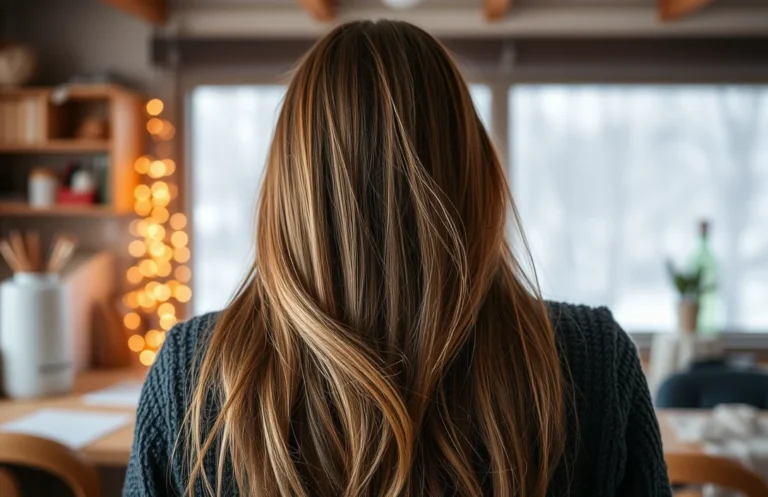
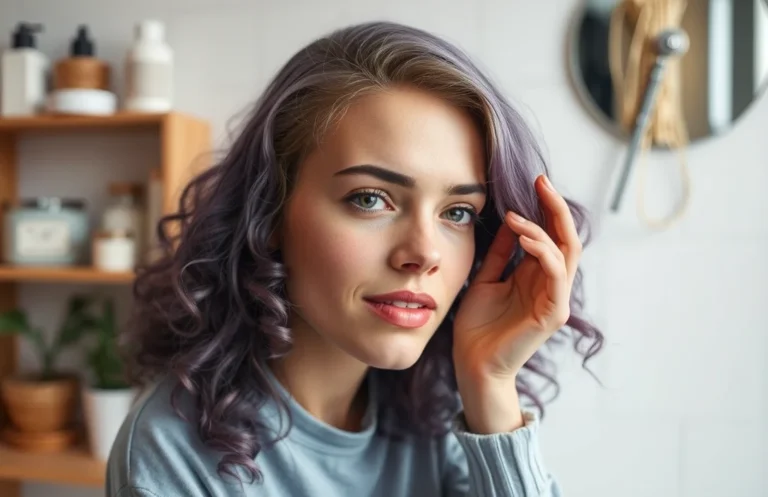
Research shows that permanent hair color can last anywhere from four to six weeks before noticeable fading occurs. This lifespan varies significantly based on factors like hair type, color choice, and maintenance practices. Understanding these elements can help you keep your color vibrant longer.
Key factors influencing hair color longevity include product type, hair porosity, and maintenance routine. For instance, semi-permanent dyes typically fade faster than permanent options, while proper care techniques can extend the vibrancy of your color.
Types of Hair Color Products and Their Longevity
Permanent hair dye provides long-lasting results, often remaining vibrant for up to 6-8 weeks or even longer with proper care. This type of color penetrates the hair shaft, ensuring durability, but regrowth will reveal natural hair color over time.
- Semipermanent color lasts around 4-6 weeks, fading gradually with each wash. This option deposits color without altering the hair’s natural pigment, making it less damaging but also less long-lasting.
- Temporary hair color washes out within a few shampoos, usually lasting about 1-2 weeks. Ideal for experimenting with fun shades, this type doesn’t penetrate the hair shaft, ensuring easy removal.
- Highlights and balayage can stay vibrant for 8-12 weeks, depending on maintenance. These techniques lighten sections of hair, providing depth and dimension, but may require touch-ups as hair grows.
- Root touch-up kits offer a quick solution for maintaining color between salon visits. These products typically last until the next wash, providing a temporary fix for visible regrowth.
Color deposit shampoos and conditioners help maintain vibrancy by adding pigment with each use. Results vary but can extend the life of color-treated hair by a few weeks.
Factors That Affect Hair Color Duration
Environmental conditions significantly impact hair color longevity. Exposure to sunlight, humidity, and pollution can cause color to fade faster. UVA and UVB rays break down color molecules, while humidity may lead to frizz and discoloration. To maintain vibrant results, consider protecting hair from harsh environmental elements, especially during outdoor activities.
- Water quality affects hair color. Hard water contains minerals that can dull color and make it fade quicker. Using a water filter or clarifying shampoos can help mitigate this effect.
- Heat styling tools contribute to fading. Excessive heat from blow dryers, curling irons, or flat irons can damage hair and strip color. Limiting their use or applying heat protectant products can preserve color integrity.
- Hair care products play a crucial role. Sulfate-free shampoos and conditioners are gentler on colored hair. Opting for products specifically designed for color-treated hair can help maintain vibrancy and extend its lifespan.
- Frequency of washing influences duration. Washing hair too often can strip away natural oils and color. Reducing wash frequency and using dry shampoo in between can help retain color for longer periods.
- Diet impacts overall hair health. Nutrient-rich foods promote stronger hair, which holds color better. Incorporating vitamins and minerals such as biotin, zinc, and omega-3 fatty acids can enhance hair vitality.
Effective Maintenance Tips for Color
Regularly using color-safe products extends vibrancy. Opt for shampoos and conditioners specifically formulated for colored hair. These products help maintain moisture and prevent fading. Avoid harsh sulfates, as they strip color and moisture from your hair. Always check labels when purchasing hair care items to ensure they cater to color-treated hair.
- Shampoo twice a week maximum.
- Condition every time you wash.
- Use leave-in conditioners for extra protection.
Limit heat styling to maintain color. Excessive heat can damage hair, leading to quicker fading. If styling with heat, always apply a heat protectant designed for color-treated hair. Styles that require less heat, such as air-drying, can preserve your hair’s integrity and color.
Rinse with cool water post-wash. Cool water helps seal the hair cuticle, locking in color and moisture. If a hot shower is unavoidable, finish with a brief cool rinse to protect your color. This simple step can significantly contribute to how long your hair color lasts.
Understanding Color Fading Over Time
Color fading typically begins immediately after application. Factors like sun exposure, heat styling, and product choice greatly influence how long the vibrancy lasts. Depending on the type of dye used, fading can occur within a few weeks to several months, with permanent colors generally lasting longer than semi-permanent options.
Sunlight exposure can significantly expedite this process. UV rays break down hair color molecules, causing hues to appear duller. To minimize sun damage, consider wearing hats or using UV-protective hair products when spending extended time outdoors.
Heat styling tools also contribute to fading. High temperatures can strip color from hair, especially if heat protectants aren’t applied. Limiting the use of such tools or opting for lower heat settings can help preserve color integrity.
Water quality affects how long hair color lasts. Hard water contains minerals that can react with hair dyes, leading to quicker fading. Installing a shower filter can help mitigate this issue, ensuring cleaner water for washing your hair.
Proper washing techniques play a crucial role in extending color lifespan. Use lukewarm water instead of hot, as hot water can open hair cuticles and allow color to escape. Gentle, sulfate-free shampoos also help maintain color longer, ensuring vibrant results for a more extended period.
Choosing the Right Shampoo and Conditioner
Investing in color-safe products preserves vibrancy. Look for shampoos and conditioners specifically formulated for colored hair. These products often contain ingredients that help maintain the color while providing necessary moisture and nourishment. Check the labels and avoid sulfates, as they can strip away color and moisture.
Read product reviews to find reliable options. Many brands offer color protection lines, so consider those that have been positively reviewed by users with similar hair types. Products with natural extracts, such as chamomile or aloe vera, can enhance shine and help maintain the health of your hair.
Prioritize products with UV filters. Sun exposure can fade hair color significantly, so using formulations that offer protection against UV rays is crucial. Some brands even include antioxidants to help combat damage caused by environmental factors.
Experiment with leave-in conditioners. These can provide added moisture and protection throughout the day. A good leave-in product can help minimize fading while making hair more manageable and reducing frizz.
Commit to a regular hair care routine. Consistency is key when using color-preserving products. Regularly washing and conditioning with the right products can significantly extend the lifespan of your hair color, keeping it vibrant and healthy for longer periods.
Professional vs At-Home Hair Coloring Results
Professional hair coloring typically lasts longer than at-home options. Salon treatments often use higher-quality products and techniques, leading to richer color retention. Professionals have access to advanced formulations that provide better adherence to hair strands, resulting in vibrant, long-lasting results.
At-home kits may offer convenience, but color longevity can vary significantly. Many consumers experience fading within a few weeks due to the lower-quality ingredients and improper application techniques. Home users might not achieve the same saturation levels, causing quicker color loss.
| Aspect | Professional Coloring | At-Home Coloring |
| Product Quality | High-end, salon-grade | Mass-market, lower quality |
| Application Technique | Expertly applied | Variable, often less precise |
| Color Retention | Up to 8 weeks or more | Typically 3-6 weeks |
Professional treatments often include a color lock or sealant that enhances durability. These additions can significantly extend the lifespan of hair color, offering better value for your investment. At-home users should also explore color-protecting products to maximize their results.
Impact of Hair Texture on Color Longevity
Hair texture significantly influences color longevity. Different textures absorb and retain color differently, affecting how long it lasts. Curly and coily hair types often hold color better than straight hair due to their structure, which can trap pigment more effectively. Understanding these differences will help you select the right products and techniques to maintain vibrant color.
- Curly hair retains color longer. The natural bends and curls create more surface area, making it easier for dye to cling. Regular moisture treatments can help maintain this texture and enhance color retention.
- Straight hair may fade faster. This type tends to be smoother, which can lead to quicker color loss. Using color-safe shampoos and conditioners is essential for prolonging the vibrancy of straight hair.
- Coily hair requires proper hydration. Its unique structure can lead to dryness, making it necessary to use deep conditioning treatments. Hydrated hair holds color better and appears more vibrant.
- Color selection matters for texture. Darker shades often last longer across all textures due to their higher pigment concentration. Consider this when choosing your next color.
- Heat styling impacts longevity. Regardless of texture, excessive heat can cause color to fade more quickly. Opt for heat protectants and limit styling tools to maintain your color.
Quick Summary
- Permanent hair color can last 6 to 8 weeks before fading, depending on hair type and care.
- Semi-permanent hair color typically lasts 4 to 12 washes.
- Factors like hair porosity, exposure to sun, and use of heat tools can affect color longevity.
- Regular maintenance, such as touch-ups and using color-safe products, can extend the life of hair color.
- Temporary hair color can last from a single wash to a few weeks, ideal for short-term changes.
- Professional coloring services often provide longer-lasting results compared to at-home kits.
- Proper aftercare, including avoiding harsh shampoos and excessive heat, can help preserve color vibrancy.
Frequently Asked Questions
How long does permanent hair color last?
Permanent hair color typically lasts until the hair grows out or is cut off. However, factors like hair type, care routine, and exposure to sun or chemicals can affect its longevity.
How long does semi-permanent hair color last?
Semi-permanent hair color usually lasts about 4 to 12 washes, depending on the brand and hair porosity. It gradually fades over time as you wash your hair.
What factors can affect how long hair color lasts?
Factors include hair type, the quality of the dye used, washing frequency, and the use of heat styling tools. Additionally, the pH level of your shampoo and exposure to sunlight can also influence color retention.
Can I make my hair color last longer?
Yes, you can extend the life of your hair color by using sulfate-free shampoos, washing your hair less frequently, and avoiding excessive heat styling. Regular deep conditioning treatments can also help maintain color vibrancy.
Does hair color fade differently on different hair types?
Yes, hair color can fade differently depending on the hair type. For example, coarse hair may hold color better than fine hair, which tends to absorb color more quickly and may fade sooner.

- 7 Best Detangling Brushes for Curly Hair: Thick, Fine, Long & Natural Hair - September 25, 2026
- 5 Best Moisturizing Curl Defining Creams for Soft, Defined Curls - September 24, 2026
- Best Curl Creams for Straight Hair: 5 Top Picks for Women - September 24, 2026