
Revive Your Locks: 5 Effective Techniques to Strip Hair Color Safely
Seventy-five percent of individuals experience dissatisfaction after using box dye, often leading to the need for color removal. Stripping color from hair isn’t just about achieving your desired shade; it involves understanding the chemistry behind the products and protecting your hair from damage.
Color removal can be complex, but key points to consider include strand testing to gauge hair response, scalp safety to prevent irritation, and bond builders to mitigate damage. Knowing when to D.I.Y. versus seeking a professional can save you time and hair health.
Understanding Different Hair Color Types
Natural hair colors consist mainly of melanin, which comes in two forms: eumelanin (dark) and pheomelanin (light). Mixing different ratios of these pigments creates various shades. Artificial hair colors, including box dyes, contain chemical compounds that alter the hair’s structure to deposit color. Knowing the specific type of color present helps you choose the right method for removal.
Identifying the underlying color is crucial. For example, warm tones like reds and oranges can be more challenging to remove than cooler shades. Box dyes often contain ammonia and peroxide, which can further complicate the removal process. This knowledge guides your decision on whether to use DIY methods or seek professional help.
Understanding hair porosity is essential. High porosity hair absorbs color faster, making it easier to strip but more prone to damage. Low porosity hair resists color uptake, which may require more aggressive methods for removal. Assessing your hair’s porosity allows for safer and more effective techniques.
Assessing previous treatments is vital. Hair that has been bleached or treated with keratin can react unpredictably to color-stripping agents. Always consider the health of your hair before proceeding with any removal technique to minimize risks of breakage and irritation.
Home Remedies for Natural Color Removal
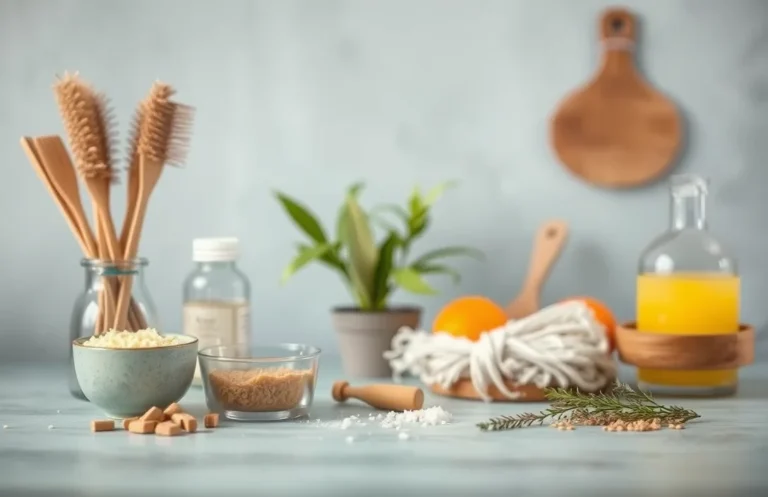
Baking soda mixed with clarifying shampoo removes semi-permanent and some box dyes when used in repeated gentle sessions. Use a 1:2 ratio (one part baking soda to two parts shampoo), lather on dry or towel-damp hair, leave 10–20 minutes, then rinse and deep-condition. Perform a strand test and stop if hair feels brittle; limit to two treatments per week and use an at-home bond builder or Olaplex-type product after rinsing.
Avoid using more than two baking-soda sessions per week; repeated alkaline treatments strip the cuticle and raise breakage risk. For anyone researching how to strip color from hair at home, perform strand and scalp patch tests, apply a bond builder after rinsing, and deep-condition immediately. See a pro if hair was bleached, relaxed, keratin-treated, or already feels fragile to avoid irreversible damage.
Professional Services for Color Stripping
Salon professionals offer specialized services that effectively remove unwanted hair color. These techniques are designed to minimize damage while achieving the desired results. A color correction specialist can assess your hair’s current condition and develop a tailored plan to strip color safely and effectively.
Color removers used in salons work by breaking down dye molecules in the hair. These products are often more potent than over-the-counter options, allowing for more effective results. During the process, a stylist will apply the remover and monitor your hair to prevent excessive damage, ensuring scalp safety.
Bond builders may also be utilized during color stripping to help mitigate damage. These treatments work by reinforcing the hair’s internal structure, making it more resilient to chemical processes. Expect stylists to recommend this approach, especially for previously bleached or chemically treated hair.
Aftercare is crucial following a professional treatment. Stylists typically provide specific recommendations for moisturizing and protecting your hair post-color removal. Regular deep conditioning treatments and the use of sulfate-free shampoos can help restore moisture and maintain your new color.
Chemical Products for Effective Stripping
Commercial color removers effectively strip unwanted hair dye. Formulated to target artificial pigments, these products can lighten or remove color with varying levels of success. Always read instructions carefully and assess your hair’s condition before use, as results can differ based on hair type and previous treatments.
Common options include color removers containing ingredients like sodium sulfite or vitamin C. While effective, they may not work on all dye types, especially stubborn formulations. Results can range from complete removal to a dull, uneven appearance. Always perform a strand test to gauge how your hair reacts.
Safety is paramount with these removers. Follow application instructions closely and avoid overlapping with previous treatments, especially bleach or keratin. Potential side effects include dryness and breakage, particularly on compromised hair. Consider using bond builders and deep conditioners in conjunction to mitigate damage.
Expectations should be realistic. Many users experience color fading rather than total removal, requiring additional treatments. If significant color remains or if your hair feels overly damaged, consulting a professional colorist is advisable for further assistance.
Essential Safety Precautions to Follow
Prioritize scalp safety during color removal. Taking the right precautions significantly reduces the risk of irritation, burns, and damage. Always conduct a strand test before applying any product, particularly if you have previously colored or treated your hair. This ensures you understand how your hair reacts to the removal process.
- Choose a well-ventilated area. Proper airflow minimizes inhalation of fumes from chemical products, reducing health risks.
- Wear gloves during application. Protecting your hands from direct contact with harsh chemicals prevents skin irritation and possible allergic reactions.
- Check for allergic reactions. Apply a small amount of the product to your inner arm and wait 48 hours to see if any irritation occurs. If you experience redness or swelling, avoid using the product on your hair.
- Limit processing time. Follow product instructions carefully and do not exceed recommended application times to reduce the risk of damage.
- Use bond builders. Incorporating a bond-building treatment during the stripping process helps to repair and protect hair from breakage.
- Hydrate your hair afterward. Post-treatment, apply a deep conditioning mask to restore moisture and strengthen your hair.
Following these steps ensures a safer color removal experience. If you have doubts or your hair is severely damaged, consult a professional for guidance.
Post-Removal Hair Care Practices
Moisturizing treatments are crucial after color removal. Hair often becomes dry and porous, especially if harsh chemicals were used. Use a deep-conditioning mask at least once a week to restore moisture. Look for products containing ingredients like shea butter, argan oil, or keratin, which can help reinforce the hair’s structure and prevent breakage.
Regular trims help maintain hair health. Cutting off split ends can significantly improve the overall appearance of your locks and reduce further damage. Aim for a trim every 6-8 weeks to keep hair looking fresh and healthy after undergoing color removal.
Protective hairstyles can minimize damage during the healing process. Styles like braids, buns, or updos keep hair secure and reduce exposure to environmental stressors. Additionally, limit the use of heat styling tools to prevent further drying out your strands.
Scalp care is essential for recovery. After stripping color, the scalp may experience sensitivity. Use gentle, sulfate-free shampoos and avoid harsh treatments. Consider scalp massages with nourishing oils, promoting blood circulation and overall health.
Monitoring hair for signs of distress ensures you catch issues early. Look for excessive dryness, brittleness, or changes in texture. If you notice significant problems, consulting a professional stylist is advisable to assess your hair’s condition and recommend appropriate treatments.
Techniques for Color Correction Post-Stripping
Neutralizing unwanted tones proves critical after stripping color from hair. Applying a color toner can effectively balance brassiness or overly warm hues. Choose a toner that aligns with your desired shade, such as a violet toner to counteract yellow tones or a blue toner for orange hues. Follow the manufacturer’s instructions for application time, and always strand test before proceeding.
Monitoring the process is essential to avoid over-toning. Check your hair every few minutes to ensure it doesn’t change too much. If you achieve the desired shade before the time is up, rinse it out immediately. Post-toning, use a sulfate-free shampoo and a deep conditioner to maintain moisture and vibrancy.
Consultation with a professional is advisable for complex corrections. If your hair appears uneven or damaged after stripping, a colorist can provide tailored solutions. They can recommend additional treatments, such as glosses or specialized conditioners, to enhance color and restore shine. Investing in expert advice may save time and prevent further damage.
Quick Summary
- Understand the types of hair color removers: professional treatments vs. at-home solutions.
- Always perform a patch test before applying any color remover to avoid allergic reactions.
- Follow the instructions carefully for the product you choose to ensure effective and safe results.
- Consider the condition of your hair; color stripping can cause damage, so deep conditioning is recommended afterward.
- Be prepared for the possibility of uneven color results, especially if your hair has multiple layers of dye.
- Consult a professional hairstylist if you are unsure or if your hair is heavily processed.
- Maintain a proper hair care routine post-stripping to restore health and vibrancy to your hair.
Frequently Asked Questions
1. What are the safest methods to strip color from my hair at home?
Using a clarifying shampoo can help remove some color, especially if it’s semi-permanent. For more intense removal, consider using a color remover specifically designed for this purpose, but always follow the instructions carefully to minimize damage.
2. How do I know if I should attempt color removal myself or see a professional?
If you’ve previously treated your hair with bleach or keratin, it’s safer to consult a professional to avoid severe damage or unexpected results. If your hair is in good condition and the color is only semi-permanent, a DIY method might work for you.
3. Will stripping color damage my hair?
Any color removal process can lead to some degree of damage, especially if you’re using harsh chemicals. To minimize breakage, opt for gentler methods, such as clarifying shampoos or color removers with conditioning ingredients, and always perform a strand test first.
4. How can I prevent scalp irritation during the color removal process?
To protect your scalp, apply a thin layer of coconut oil or a similar barrier along your hairline before applying any products. Also, avoid overlapping the product on previously colored hair and follow the instructions to limit exposure time.
5. What should I do after stripping the color to maintain healthy hair?
After color removal, deep conditioning treatments are essential to restore moisture and elasticity. Additionally, consider using a sulfate-free shampoo and avoiding heat styling for a while to help your hair recover from the process.

- How to Make Deep Conditioner for Natural Hair: 8 Easy DIY Recipes - September 29, 2026
- Natural Homemade Deep Conditioner for Natural Hair: Easy DIY Recipes - September 29, 2026
- From Kitchen to Cuticle: Natural Deep Conditioner Recipes for Every Hair Porosity - September 29, 2026