Tying the Knot: 5 Essential Tips for Your Perfect Wedding Hairstyle
Seventy percent of brides regret their wedding hairstyle choices, highlighting the importance of making an informed decision. Your hairstyle not only complements your dress but also reflects your personality and sets the tone for your big day. Choosing wisely can make all the difference in your wedding experience.
Research face shape for the most flattering styles. Consider hair type to ensure durability and manageability. Explore inspiration sources like magazines and social media. Schedule trial runs with your stylist to refine your look before the wedding day.
Understanding Face Shapes and Suitable Hairstyles
Determining your face shape is essential for selecting the right hairstyle. Face shapes typically include oval, round, square, heart, and long. Each shape has specific characteristics that influence which hairstyles will enhance your features best. Knowing your face shape helps narrow down options, making the process of choosing a wedding hairstyle more focused and effective.
- Oval faces suit various styles, including long layers and soft waves. These hairstyles highlight balanced features and can add volume or softness.
- Round faces benefit from styles that elongate the face, such as high ponytails or asymmetrical cuts. These options create the illusion of length and draw attention away from width.
- Square faces look great with soft, layered cuts that soften angular features. Waves or curls around the face can provide a flattering look.
- Heart-shaped faces are complemented by chin-length bobs or side-swept bangs. These styles balance wider foreheads and add softness to the chin area.
- Long faces thrive with volume at the sides, so consider hairstyles with curls or waves. These styles create width and balance out longer features.
Considering Hair Texture for Your Style
Hair texture significantly impacts your hairstyle choice. Different textures—straight, wavy, curly, or coily—react uniquely to styling products and techniques. For instance, fine hair may struggle with volume while thick hair can hold styles longer. Knowing your texture helps in selecting suitable styles that enhance your natural beauty.
Curls often require different care than straight strands. For instance, curly hair benefits from moisture-rich products while straight hair may need volumizing sprays. Choose styles that work with your natural texture; trying to force a style can lead to frustration and dissatisfaction on your big day.
Volume plays a crucial role in styling choices. Fine hair may benefit from layered cuts or updos that create the illusion of fullness. Conversely, thick hair can support intricate braids or structured styles that hold their shape. Evaluating volume helps determine the best approach for your chosen look.
Length also influences hairstyle options. Long hair allows for a variety of updos and flowing styles, while shorter hair may require creative solutions like hairpieces or extensions for added flair. Assessing your hair’s length ensures that you select a style that fits comfortably and looks stunning.
Texture ultimately guides the products you should use. Different hair types may respond better to specific styling gels, creams, or sprays. Experiment with products ahead of time to find what works best, ensuring that your wedding hairstyle holds up throughout the day.
Matching Hairstyles with Wedding Dress Styles
Coordinating hairstyles with wedding dress designs enhances your overall look. Each dress style has specific characteristics that can complement or contrast with your chosen hairstyle. Carefully consider the neckline, fabric, and embellishments of your dress to find the perfect match for your hair.
- Ballgown dresses suit romantic updos. Elegant updos accentuate the dramatic silhouette of a ballgown. Consider a classic bun or a braided chignon to keep the focus on the dress.
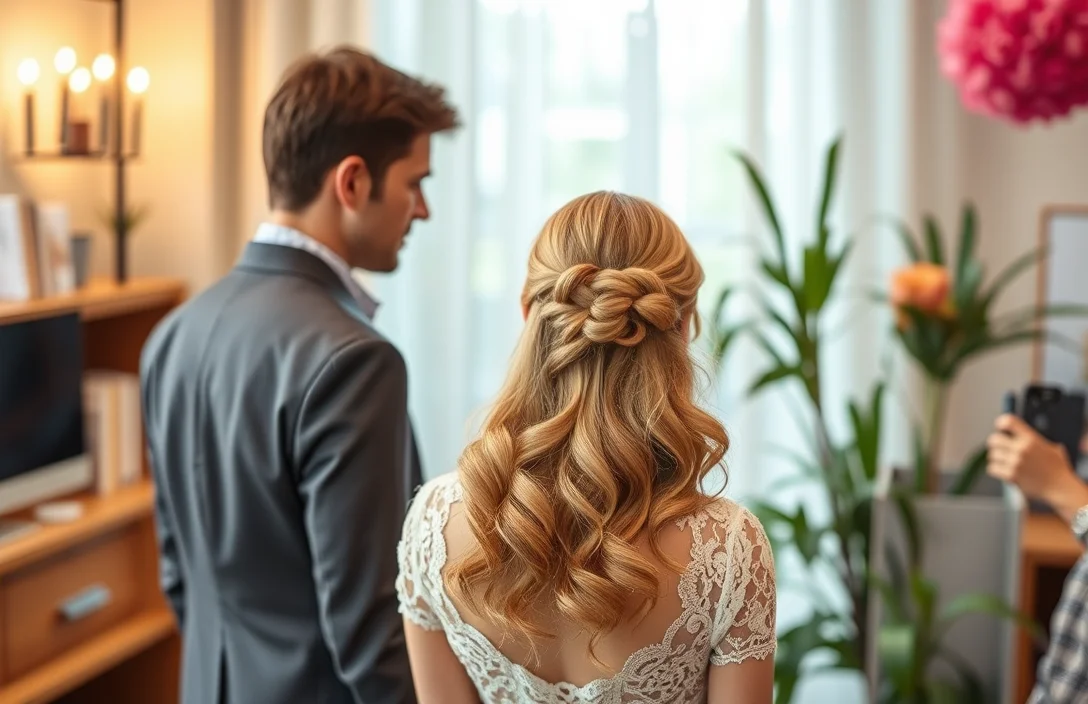
- A-line styles allow for versatility. Loose waves or half-up hairstyles work beautifully with A-line dresses. These styles add a soft, romantic touch while still being practical.
- Mermaid dresses benefit from sleek styles. A straightened look or a low ponytail complements the fitted nature of a mermaid gown. This creates a streamlined effect, enhancing the curves of the dress.
- Bohemian dresses pair well with loose hairstyles. Loose braids or tousled waves reflect the free-spirited nature of bohemian designs. Incorporating floral accessories can elevate this relaxed style.
- Vintage dresses thrive with classic styles. Retro-inspired hairstyles like finger waves or a vintage updo enhance the nostalgic feel of vintage gowns. These looks create a cohesive and timeless aesthetic.
Incorporating Seasonal Hair Trends
Current trends can significantly enhance your wedding hairstyle. Keeping an eye on seasonal styles allows you to choose a look that feels fresh and relevant. For instance, floral accents are popular in spring, while rich, warm tones dominate the fall. Adapting these elements can create a cohesive theme for your big day.
Textured hairstyles remain in vogue, especially for outdoor weddings. Loose waves or soft updos can complement a relaxed atmosphere. Incorporating braids with delicate details adds a modern twist while maintaining a romantic feel. Aim for styles that not only reflect trends but also resonate with your personal taste.
Classic pieces like hairpins and combs can elevate your hairstyle. Opting for accessories that align with seasonal motifs can tie your look together. For example, pearl accents might be perfect for winter, while vibrant floral clips are ideal for summer celebrations. Keep accessories simple yet impactful to enhance your overall appearance.
Color trends also play a role in wedding hairstyles. Soft pastels can create an ethereal feel, while bold colors can make a striking statement. Consider your skin tone and wedding palette when selecting shades. Consulting with a stylist can help you find colors that harmonize beautifully with your overall bridal look.
Choosing Between Professional and DIY Styling
Hiring a professional stylist offers expertise and experience that can ensure a flawless wedding hairstyle. Professionals understand the latest trends, techniques, and products that can enhance your look. They also provide personalized consultations to help you achieve your desired style, considering your face shape, dress design, and overall theme.
Costs often factor into the decision. Professional services can be expensive, ranging from $100 to $500 or more, depending on the stylist’s experience and location. Budget constraints may lead some to consider DIY styling, which can save money. However, the risk of not achieving the desired look can lead to added stress on your big day.
Experience levels vary significantly. If you have prior experience styling hair for special occasions, you may feel confident tackling your own wedding hairstyle. Conversely, if you lack expertise, opting for a professional may provide peace of mind, ensuring your look is polished and effortless.
Time commitment plays a crucial role. Professionals usually require appointments leading up to the wedding for trials, which can be time-consuming. DIY styling allows for flexibility, but it may require practice and experimentation to master the desired look. Balancing time and results is essential to making the right choice.
Ultimately, assessing your priorities and comfort level will guide your decision. Whether you choose a professional or decide to style your hair yourself, ensure that the final look aligns with your vision for the day.
Selecting Hair Accessories for Your Look
Accessories can enhance any hairstyle significantly. Selecting the right pieces involves considering your overall wedding theme, dress style, and personal taste. For example, if your gown has intricate detailing, opt for simpler accessories to avoid overwhelming your look. Conversely, a minimalist dress could be beautifully complemented by bold, statement pieces that draw attention.
Hairpins and combs offer elegant options. Various styles, from floral to jeweled, can be tailored to suit your hair’s texture and length. Consider the placement of these accessories carefully; they should enhance your hairstyle rather than distract from it. Placing them strategically can add elegance and charm to your overall appearance.
Veils come in different lengths and styles, each providing a unique touch. Short veils work well with vintage looks, while long veils create a dramatic effect. Ensure your veil complements your hairstyle. If you choose an updo, a flowing veil can add softness, while a veil worn with loose waves can create a romantic vibe.
Jewelry choices also play a crucial role. Earrings and necklaces should harmonize with your chosen hairstyle and accessories. For instance, if you’re wearing statement earrings, consider a simpler necklace or no necklace at all to maintain balance. Aim for a cohesive look that reflects your personal style while adhering to the wedding’s overall aesthetic.
Budgeting for Wedding Hairstyling Options
Planning hair styling costs effectively ensures your dream look doesn’t break the bank. Start by determining your overall budget for the wedding. Allocate a specific portion for hairstyling services, considering both the stylist’s fees and any necessary products or accessories. This step helps prevent overspending in other areas.
- Research local salons and stylists. Compare rates and services offered in your area. Look for packages that include trials, which can save money while allowing you to preview your look.
- Inquire about additional costs. Some stylists charge extra for travel, early morning appointments, or special requests. Clarify these details upfront to avoid surprises.
- Consider group discounts. If multiple bridesmaids or family members plan to get their hair done, ask stylists about group rates. This can significantly reduce the total cost.
- Set aside a contingency fund. Allocate extra funds for unexpected changes or last-minute styling needs. Having a buffer ensures flexibility on your big day.
- Explore DIY options. If professional services exceed your budget, consider simpler styles that can be achieved with online tutorials. Practicing ahead of time can lead to impressive results.
Quick Summary
- Consider your face shape to find a hairstyle that complements your features.
- Take into account your dress style and neckline for cohesive styling.
- Think about the wedding venue and season, as these can influence hairstyle choice.
- Choose a style that reflects your personality and comfort level.
- Consult with a professional hairstylist for expert advice and trial runs.
- Incorporate accessories like veils or flowers to enhance your look.
- Plan for longevity, ensuring the hairstyle stays intact throughout the day.
Frequently Asked Questions
What factors should I consider when choosing a wedding hairstyle?
When selecting a wedding hairstyle, consider your dress style, wedding theme, and personal comfort. Additionally, think about your hair type and length, as these will influence the styles that work best for you.
How do I know what hairstyle suits my face shape?
To determine the best hairstyle for your face shape, identify whether your face is oval, round, square, heart, or long. Research styles that complement your features, as certain cuts and updos can enhance your natural beauty.
Should I choose an updo or loose hairstyle for my wedding?
Choosing between an updo and a loose hairstyle depends on your personal style, the formality of the wedding, and the weather. Updos tend to be more elegant and can keep hair off your face, while loose hairstyles offer a romantic and relaxed vibe.
How far in advance should I book my hairstylist?
It’s best to book your hairstylist at least 6-12 months in advance, especially if you have a specific stylist in mind. This allows ample time for consultations, trials, and adjustments to ensure your hairstyle is perfect for your big day.
What is a hair trial and why is it important?
A hair trial is a pre-wedding appointment where you test different hairstyles to see what works best for you. It’s important because it allows you to make adjustments, ensuring you’re happy with your final look and reducing stress on your wedding day.

- Pre-Poo Treatments for Low Porosity Hair: 7 Essential Steps - September 20, 2026
- What To Avoid After Prp Hair Treatment? - August 28, 2026
- What Is The Malibu Treatment For Hair? - August 27, 2026