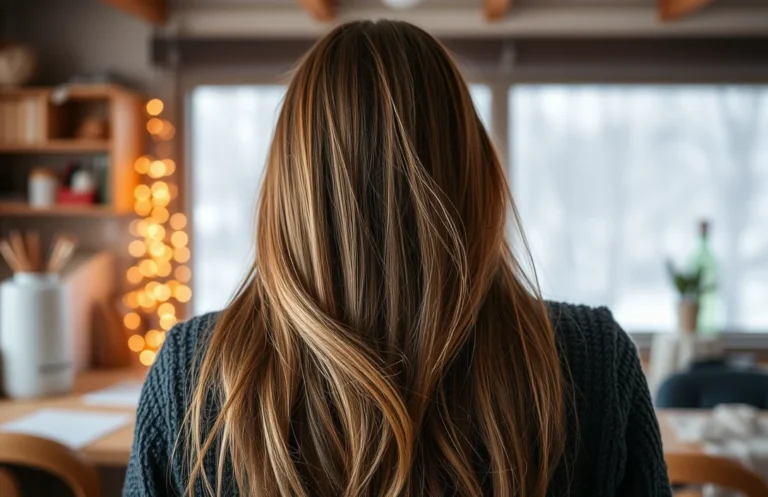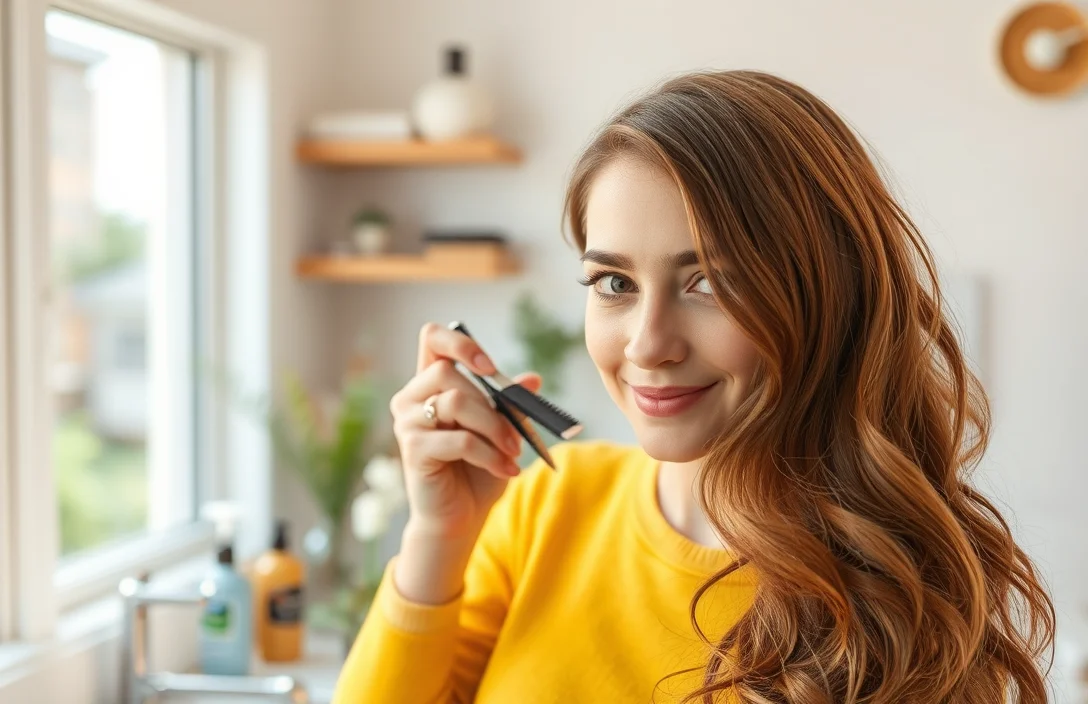
Transform Your Look: A Step-by-Step Guide to Home Hair Coloring
Seventy percent of women color their hair at home, making it a popular choice for personal grooming. With the right techniques and products, achieving salon-quality results is possible without stepping foot outside. Discover how you can transform your look in the comfort of your own space.
Essential steps include selecting the right shade, preparing your hair, and following application instructions carefully. Tools needed are gloves, a mixing bowl, and a brush. Aftercare is crucial for maintaining color, so don’t skip that step.
Selecting the Right Hair Dye
Evaluate your natural hair color first. Knowing your base shade helps in choosing the right dye. If you have dark hair, lighter colors may require pre-lightening. For those with lighter hair, darker shades are usually easier to achieve without significant changes.
Select the dye type that suits your needs. Permanent dyes offer long-lasting results but can damage hair. Semi-permanent options provide a less intense color, perfect for temporary changes. For a more natural look, try demi-permanent dyes, which fade gradually.
Consider the shade that complements your skin tone. Warm skin tones work well with golden, caramel, or auburn shades. Cool skin tones shine with ash, cool browns, or vibrant colors. Testing a small strand can help ensure the chosen shade looks good on you.
Read product reviews for insight. Many brands offer user feedback that can guide you in making the right choice. Look for information about ease of application and the final results, as this can save you time and money.
Remember to check for allergies before dyeing. Conduct a patch test at least 48 hours in advance to avoid adverse reactions. Prioritizing your safety ensures a pleasant hair coloring experience without unexpected side effects.
Preparing Your Hair for Coloring
Healthy hair absorbs color better, ensuring vibrant results. Before applying any dye, prepare your strands to achieve the best possible outcome. Start with a thorough assessment of your hair’s condition and follow these essential steps.
- Assess your hair’s health. Check for damage, dryness, or excessive oiliness. Healthy hair will hold color better, so consider a deep conditioning treatment if your strands look compromised.
- Wash your hair 24-48 hours prior. Clean hair without any buildup allows the dye to penetrate effectively. Avoid washing right before coloring, as natural oils protect your scalp.
- Detangle carefully. Use a wide-tooth comb to gently remove knots, starting from the ends and working upwards. This process prevents breakage and ensures even color application.
- Perform a strand test. Apply the dye to a small section of hair to see how well it takes. This test helps predict the final shade and identifies any allergic reactions.
- Gather all necessary supplies. Make sure everything is within reach, including gloves, a dye brush, and a mixing bowl. Preparation streamlines the coloring process and minimizes mistakes.
Essential Supplies for Home Hair Coloring
Gathering the right supplies is crucial for effective hair coloring at home. First, you’ll need a quality hair dye kit that matches your desired color. Look for kits that include developer and gloves to protect your hands. Opt for products specifically designed for home use to ensure easier application and better results.
Investing in a good brush or applicator is essential. A tint brush allows for precise application, especially at the roots. Alternatively, a bottle applicator can make the process quicker for longer hair. Choose a tool that suits your hair length and personal comfort level.
Protective gear is vital to prevent stains. A cape or old towel will shield your clothes from dye splatters. Moreover, wearing gloves while applying color is necessary to keep your hands clean. Staining skin can be avoided by applying a thin layer of petroleum jelly around your hairline.
Quality hair products can enhance the results. Look for a color-safe shampoo and conditioner to maintain vibrancy post-coloring. Deep conditioning treatments can also help restore moisture after the dyeing process. Keeping your hair healthy ensures the color lasts longer and looks better.
Lastly, gather necessary tools for cleanup. Keep a bowl for mixing dye and a brush for application handy. Having paper towels or an old rag will help you quickly wipe away any spills. Being organized makes the entire process smoother and more enjoyable.
Step-by-Step Hair Dye Application
Begin applying hair dye systematically. Focus on sectioning your hair to ensure even coverage. Start with clean, dry hair and make sure to wear gloves to protect your hands. Use clips to divide your hair into manageable sections, usually four quadrants, which makes the process easier and more organized.
- Section hair into four parts. Use clips to secure each section, ensuring they are comfortably out of the way.
- Mix the dye thoroughly. Follow the instructions provided with the hair dye kit to achieve the best results.
- Apply dye to roots first. Using an applicator brush, start at the scalp and work your way down. This ensures the roots, which take longer to process, receive the most attention.
- Spread dye through each section. After the roots are covered, work the dye through the lengths of your hair using your fingers or a comb for even distribution.
- Check for missed spots. After applying, inspect your hair in different lighting to ensure no areas are overlooked. Touch up as needed.
Finish the application by setting a timer according to the package instructions. This ensures your hair processes evenly, providing the desired color outcome.
Achieving Even Color Distribution
Even color distribution is essential for a professional-looking result. Start by sectioning your hair into manageable parts. Use clips to secure each section and prevent tangles. Apply dye systematically, ensuring that every strand receives adequate coverage. This method allows for even absorption and minimizes missed spots.
Strategically, apply color from the roots to the ends. Focus on the roots first, as they absorb color differently. After covering the roots, work your way down the lengths. Make sure to coat the ends thoroughly, as they often require more product to achieve uniformity.
- Divide hair into four sections.
- Use a tint brush for precise application.
- Ensure even saturation by using your fingers to distribute color.
- Check for missed spots by looking in a mirror.
Practicing patience during the process yields the best results. Allow the dye to process according to the instructions, and avoid rushing. Follow these guidelines to achieve a consistent and vibrant hair color at home.
Post-Coloring Hair Care Tips
Moisturizing products are essential for maintaining vibrancy. Look for shampoos and conditioners specifically designed for color-treated hair. These products help preserve color while providing hydration, keeping your hair looking fresh and healthy. Avoid regular shampoos that strip color and moisture from your hair.
Heat protection is crucial for colored hair. Always apply a heat protectant before using styling tools like blow dryers, flat irons, or curling wands. These products form a barrier that minimizes damage from heat, helping to maintain both color and texture.
Regular trims help keep your hair healthy. Schedule a trim every six to eight weeks to eliminate split ends and maintain the overall appearance of your color. Healthy ends ensure that your color looks vibrant and prevents further damage.
Sun exposure can fade color quickly. Protect your hair by wearing a hat or using UV protectant sprays when spending extended periods outdoors. This simple step helps to shield your hair from harsh environmental elements that can dull color.
Avoid washing hair too often. Washing your hair daily can strip away natural oils and color. Aim to wash it every two to three days and consider using dry shampoo in between to absorb excess oil while maintaining color integrity.
Avoiding Common Hair Coloring Mistakes
Skipping the patch test can lead to severe allergic reactions or unexpected results. Always perform a patch test at least 48 hours before applying any dye. This simple step can help ensure that the color will not only look great but also won’t harm your scalp or skin.
Overlapping color can create unwanted brassy tones, especially on previously dyed hair. Focus on the roots during the application to avoid applying dye to already colored strands. This technique preserves your current color and helps maintain a more natural appearance.
Rushing through the application often results in uneven color. Take your time and section your hair properly. Work in small parts to ensure the dye saturates every strand, leading to a more professional-looking finish.
Ignoring the instructions on the dye box can yield disappointing results. Each product may have specific timing and application techniques. Follow the guidelines carefully to achieve the desired color and longevity.
Neglecting proper hair preparation can impact the final outcome. Ensure your hair is clean and free of styling products before dyeing. Washing your hair a day before application helps maintain the natural oils that protect your scalp during the coloring process.
Quick Summary
- Choose the right hair color based on your skin tone and desired look.
- Perform a patch test 48 hours before coloring to check for allergic reactions.
- Gather all necessary supplies, including gloves, a mixing bowl, and an applicator brush.
- Follow the instructions on the hair dye package carefully for best results.
- Section your hair to ensure even application and avoid missed spots.
- Set a timer and avoid leaving the dye on longer than recommended.
- Rinse and condition your hair thoroughly after coloring to maintain its health and shine.
Frequently Asked Questions
What supplies do I need to color my hair at home?
To color your hair at home, you’ll need hair dye, gloves, a mixing bowl, a brush or applicator, a comb, and a towel. It’s also helpful to have an old shirt and a timer for precise application.
How do I choose the right hair color?
When choosing a hair color, consider your natural hair color, skin tone, and the look you want to achieve. It’s often best to select a shade that is one or two levels lighter or darker than your natural color for a more natural appearance.
How do I prepare my hair before coloring?
Before coloring, wash your hair 24-48 hours prior to allow your scalp’s natural oils to protect it during the coloring process. Avoid using conditioner right before coloring, as it can prevent the dye from adhering properly.
How long should I leave the dye in my hair?
The recommended processing time is usually indicated on the dye package, typically ranging from 20 to 45 minutes. Make sure to follow the instructions carefully to achieve the best results without damaging your hair.
What should I do after coloring my hair?
After coloring, rinse your hair with cool water until the water runs clear to remove excess dye. Follow up with a color-safe conditioner to nourish your hair and help lock in the color.

- 13 Best Natural Deep Conditioning Ingredients to Tame Frizzy Hair - September 29, 2026
- How to Make Deep Conditioner for Natural Hair: 8 Easy DIY Recipes - September 29, 2026
- Natural Homemade Deep Conditioner for Natural Hair: Easy DIY Recipes - September 29, 2026