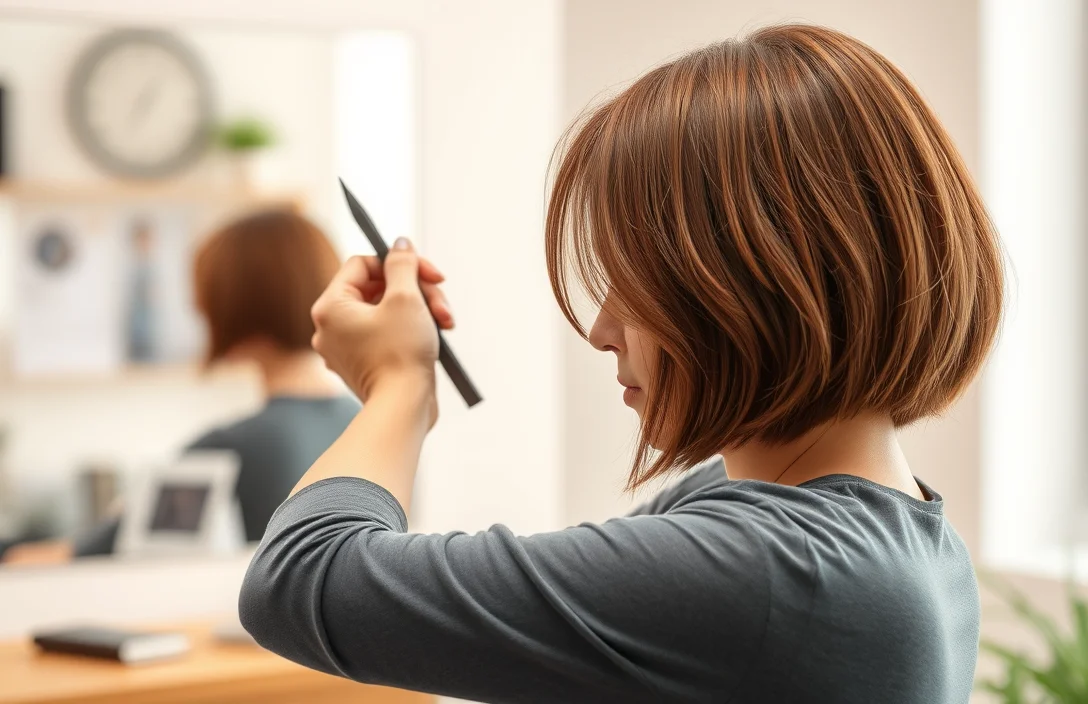
Mastering the Bob: A Step-by-Step Guide to Your New Look
Seventy percent of people believe a bob hairstyle enhances their overall appearance. This versatile cut can suit various face shapes and hair types, making it a popular choice. Learning how to cut a bob can empower you to achieve salon-quality results at home.
Mastering techniques like sectioning, angle cutting, and blending is essential for a polished bob. Familiarize yourself with tools such as scissors, a comb, and a mirror to ensure precision. Practice will lead to confidence and skill.
Essential Tools for Cutting a Bob
Sharp hair cutting shears are essential for achieving a clean bob hairstyle. Invest in a pair of professional-grade scissors that offer precision and control. Blunt or dull blades can lead to uneven cuts and split ends, compromising the overall look. Look for shears with ergonomic handles to ensure comfort during use.
Quality combs help in sectioning hair properly. A fine-tooth comb is ideal for creating precise parts, while a wide-tooth comb is useful for detangling. Having both types on hand allows for versatility in styling and cutting. Choose combs made of durable materials to withstand regular use.
Sectioning clips assist in managing hair during the cutting process. These clips help separate sections and keep hair out of the way, ensuring a more organized approach. Opt for strong, non-slip clips to hold thick sections securely, allowing you to focus on achieving an even cut.
Measuring tools provide accuracy for length adjustments. A ruler or measuring tape can be handy for checking section lengths, ensuring symmetry. Marking the desired length with a hair chalk pencil can serve as a visual guide, preventing any guesswork during the cut.
Lastly, a spray bottle filled with water keeps hair manageable. Moistening hair helps with control and allows for a more precise cut. A light mist prevents dryness and flyaways, making it easier to achieve the desired bob style without frizz.
Understanding Bob Variations
Different bob styles offer unique aesthetics and can significantly impact your overall look. Classic bobs, typically chin-length, create a timeless appearance. Long bobs, or “lobs,” extend to the shoulders, providing versatility and a softer silhouette. Asymmetrical bobs, shorter in the back and longer in the front, add an edgy flair. Each style can be tailored to suit various face shapes and personal preferences.
Textured bobs introduce layers and movement, making hair appear fuller and more dynamic. Blunt cuts create a sharp, modern look, emphasizing clean lines. Stacked bobs, featuring graduated layers in the back, enhance volume and shape. Curly bobs can showcase natural texture, offering a playful and youthful vibe. Consider your hair type and daily styling routine when selecting a bob variation.
Color choices can further personalize your bob hairstyle. Highlights or balayage techniques add dimension and interest, while solid colors maintain a polished feel. Experimenting with color can transform the same bob cut into entirely different looks, allowing for flexibility and creativity. Ultimately, selecting the right bob variation involves understanding your style goals and maintenance preferences.
Step-by-Step Bob Cutting Technique
Begin by preparing your workspace and tools. Clean, sharp scissors are essential for a clean cut. Ensure that your comb, clips, and a spray bottle filled with water are nearby. This organization will streamline the process and keep hair manageable.
- Section the hair into manageable parts. Parting the hair into quadrants will allow you to maintain consistency and precision throughout the cut. Use clips to secure each section, keeping the hair you’re not working on out of the way.
- Determine the desired length for the bob. Decide whether you want a chin-length, shoulder-length, or longer bob. This crucial decision will influence how you cut each section.
- Cut the first section at the desired length. Use the comb to lift the hair and cut straight across. Ensure you maintain a steady hand to achieve an even line. Recheck the length before moving to the next section.
- Continue cutting each section, following the guide. As you progress, use the previously cut hair as a guide for maintaining the evenness of the bob. Consistency is key to achieving the desired look.
- Finalize the cut with texturizing scissors. This step softens the edges and adds movement to the bob. Carefully point cut the ends to enhance texture and avoid bluntness.
Proper Hair Sectioning Techniques
Sectioning hair correctly is crucial for achieving a precise bob cut. Begin by dividing the hair into manageable sections, ensuring each part is even and easy to work with. Proper sectioning allows for better control over the cutting process, leading to a more uniform result.
- Part the hair down the middle from front to back. This creates two equal sections that can be further divided.
- Take one side and create a horizontal part approximately 1 to 2 inches above the nape of the neck. Secure the remaining hair with a clip.
- Divide the sectioned hair into smaller subsections, clipping them to prevent overlap. Aim for sections about 1 inch wide to ensure an even cut.
- Repeat the process on the opposite side, maintaining symmetry. Consistency in section size is key for a polished look.
- Use a comb to smooth out each section before cutting, eliminating tangles that can affect the final result.
Maintaining clear sections throughout the cutting process simplifies precision and minimizes mistakes. Remember, the more organized the sectioning, the easier it is to achieve the desired bob hairstyle.
Blending and Texturizing Techniques
Blending and texturizing create a polished bob. Start with sharp scissors or a razor for precision. Use point cutting to soften the ends, which helps avoid blunt lines. Section the hair into manageable parts, focusing on the layers you want to blend together.
Thinning shears can also help create movement. Apply them sparingly to the mid-lengths and ends, reducing bulk without sacrificing length. Always check the balance and uniformity in your sections after texturizing.
- Point cutting: Snip into the hair to create a soft edge.
- Thinning shears: Use for removing weight and enhancing volume.
- Razor cutting: Great for an edgy, textured finish.
- Slide cutting: This technique blends layers seamlessly.
Checking the bob from different angles ensures a cohesive look. Adjust as needed, focusing on any uneven areas. A well-blended bob enhances your overall hairstyle, making it look effortless and stylish.
Styling Your New Bob Look
Creating the perfect style for your bob can enhance your overall appearance for any occasion. Consider the following steps to achieve different looks that suit casual, professional, or formal events.
- Waves add texture and volume. Use a curling wand to create soft waves, starting from mid-length to the ends. Hold each section for a few seconds, then gently tousle for a relaxed finish.
- Straightening provides a sleek finish. Apply a heat protectant before using a flat iron. Work in small sections for best results, running the iron from roots to tips for a polished look.
- Accessorizing can elevate your style. Add a chic headband or decorative clips to enhance your bob. Choose accessories that complement your outfit for a cohesive appearance.
- Adding volume at the roots creates a fuller look. Use a volumizing spray on damp hair before blow-drying. Lift sections at the crown while drying for added height.
- Finishing with a shine serum gives a glossy appearance. Apply a small amount to your palms and smooth over the ends of your hair to reduce frizz and add luster.
Experiment with these techniques to find what best suits your bob and personal style. Each method offers unique advantages for various occasions.
Avoiding Common Cutting Mistakes
Focus on common errors made while cutting a bob hairstyle to achieve the best results. Mistakes can lead to uneven lengths, unwanted layers, or a style that doesn’t suit your face shape. Being aware of these pitfalls will help you avoid frustration and ensure your haircut looks polished.
- Measure lengths carefully before cutting. Use a ruler or a measuring tape to ensure both sides are even. Relying solely on visual judgment can lead to discrepancies.
- Keep scissors parallel to the hair. Cutting at an angle can create uneven layers and a choppy look. Maintain a steady hand and cut straight across.
- Check for balance frequently. After each cut, step back and assess the overall shape. Adjustments are easier to make before too much hair is removed.
- Use the right tools for precision. Sharp scissors designed for hair cutting are essential. Dull blades can cause split ends and an unclean finish.
- Consult a reference image throughout the process. Having a visual guide helps maintain focus on the desired style and prevents deviations from the intended look.
Quick Summary
- Gather necessary tools: scissors, comb, clips, and a spray bottle for dampening hair.
- Start with clean, dry hair or slightly dampen it for easier handling.
- Section the hair into manageable parts to ensure an even cut.
- Determine the desired bob length and create a guideline by cutting the first section.
- Use the guideline to cut the remaining sections, ensuring uniformity throughout.
- Check for evenness and make any necessary adjustments before finishing.
- Style the bob as desired, using products to enhance texture and movement.
Frequently Asked Questions
What tools do I need to cut a bob hairstyle?
To cut a bob hairstyle, you will need sharp hair scissors, a comb, hair clips, and a spray bottle filled with water. Optional tools include a mirror for checking your work and a ruler for measuring the length accurately.
How do I decide the right length for a bob?
The right length for a bob depends on your face shape and personal style. Generally, a bob can range from chin-length to shoulder-length; try different lengths using a temporary method, like pinning, before making the cut.
What is the best method to cut a bob?
A common method is the “one-length” cut, where you gather the hair in a ponytail and cut straight across. For a layered look, you can cut at an angle or use point cutting techniques to add texture and movement.
Should I wash my hair before cutting it?
It’s best to cut hair when it is clean and slightly damp, as this helps to see the natural fall of the hair. However, avoid cutting it when it’s too wet, as wet hair can stretch and lead to inaccurate lengths.
How can I ensure my bob is even on both sides?
To ensure evenness, use a comb to section your hair into two equal halves and cut each side at the same length. Frequently check your progress by comparing both sides and make adjustments as needed.

- 7 Best Detangling Brushes for Curly Hair: Thick, Fine, Long & Natural Hair - September 25, 2026
- 5 Best Moisturizing Curl Defining Creams for Soft, Defined Curls - September 24, 2026
- Best Curl Creams for Straight Hair: 5 Top Picks for Women - September 24, 2026