Mastering the Ombre Look: Transform Your Hair with These Easy Steps
Statistics reveal that ombre hairstyles have surged in popularity, with a 40% increase in social media posts showcasing this trendy look. Mastering this technique can elevate your style and add depth to your hair, making it a worthwhile skill to learn.
Follow these key points for an ombre hairstyle: choose your colors, section your hair, apply color from the tips upward, and blend well for a seamless transition. Finish with a good conditioner to maintain vibrancy.
Choosing the Right Ombre Hair Colors
Selecting complementary shades is crucial. Start by determining your base color. This foundation will guide your choice of lighter or darker tones for the ombre effect. For a natural look, choose colors within three shades of your base color. For a bolder appearance, consider contrasting hues. Test your options with color swatches to visualize how they blend.
- Identify your natural undertones, whether warm, cool, or neutral.
- Select ombre colors that harmonize with your undertones.
- Consider seasonal trends to inspire your color choices.
- Experiment with temporary dyes to preview final results.
- Consult a professional stylist for personalized advice.
Testing colors on small sections can help solidify your decisions. Apply shades gradually to see how they interact with your hair. Remember, ombre hairstyles can range from subtle to dramatic, so choose what resonates with your personal style.
Essential Tools and Products Needed
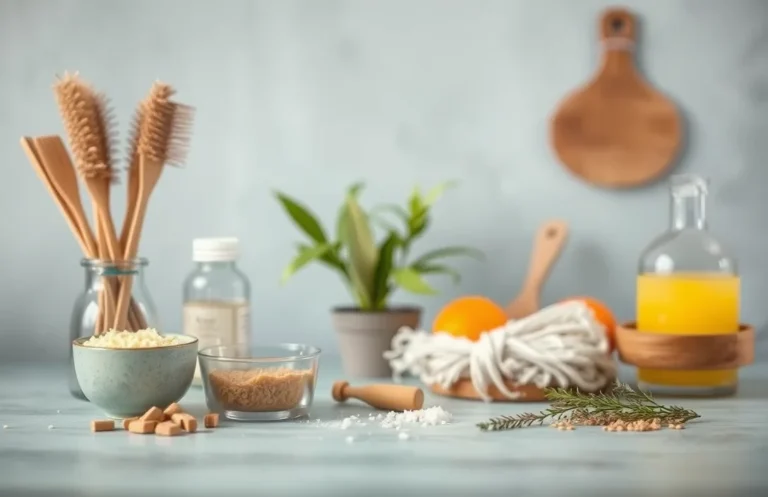
Salon-grade bleach, developer, and toner; dye brushes and mixing bowls; metal or tail comb; sectioning clips and hair clips; aluminum foil or a balayage board; heat-resistant cape and disposable gloves; deep-conditioning mask and purple shampoo for maintenance; professional scissors for trimming and a clarifying shampoo to prep hair. Carry a timer and small mirror for checking progress.
Recommended developer strengths depend on lift needed: use 10-volume for subtle fade, 20-volume for moderate lift, 30-volume only for stubborn dark hair. Prefer nylon-bristle brushes in 1-inch and 2-inch widths for smooth blending. Keep 20–30 sheets of foil and a nonporous bowl to avoid staining, plus an extra set of gloves and cotton towels for cleanup.
Step-by-Step Ombre Application Process
Apply the dye carefully to create the desired ombre effect. Start by sectioning your hair into manageable parts, typically in halves or quarters. Use hair clips to hold each section securely, preventing tangling and ensuring an even application. Working in sections allows for precision and control over the blending process.
Mix the dye according to the manufacturer’s instructions, ensuring consistency for even application. Use gloves to protect your hands from staining. Dip the brush into the dye and start applying it to the ends of your hair, working your way up to about halfway, depending on how dramatic you want the ombre effect. Always check your progress as you go.
Blend the dye upwards using a comb or your fingers, ensuring a smooth transition between the colors. For a more gradual effect, feather the dye upwards into the darker sections. Monitor the development time closely to achieve the right shade, as leaving it on too long can lead to undesired results.
Rinse the dye out thoroughly with cool water once the desired color is achieved. Use a color-safe shampoo and conditioner to maintain the integrity of the color. After rinsing, dry your hair gently using a towel, then style as desired. Regular maintenance and conditioning will keep your ombre looking vibrant.
Tips for Effective Color Blending
Selecting the right blending tools is critical for achieving a seamless ombre effect. Brushes with soft bristles or sponges work well to create a smooth transition between colors. With the right tools in hand, you can achieve that gradient look effortlessly by applying the dye in a gentle, sweeping motion.
- Using a brush, apply the lighter color at the tips of your hair. Ensure that you cover enough area to create a soft transition.
- Next, blend the lighter color upwards into the darker shade. Use a clean brush or sponge, and work in small sections for the best results.
- Repeat this process until you achieve the desired gradient. Adjust the amount of product and pressure based on your hair’s texture and thickness.
- Finally, inspect your work from different angles. Make any necessary adjustments to achieve an even blend before the dye sets.
Practicing these blending techniques will refine your skills over time. Each attempt will help you understand how to manipulate colors for the best ombre effect, enhancing your overall hair styling ability.
Maintaining Vibrant Ombre Hair
Protecting color is crucial for vibrant ombre hair. Use sulfate-free shampoos and conditioners specifically designed for color-treated hair. These products help retain moisture and prevent fading, ensuring that your color stays rich and lively. Look for formulas with UV protection to shield your hair from sun damage.
Incorporating regular deep conditioning treatments enhances shine and nourishment. Apply a deep conditioner or hair mask once a week to restore moisture and keep your hair healthy. Focus on the ends, where the color tends to fade faster, and leave the treatment on for the recommended time for optimal results.
Applying leave-in conditioners or serums can provide extra protection and maintain vibrancy. Choose products that offer heat protection, especially before using styling tools. This step prevents damage from heat exposure, which can dull your ombre highlights over time.
Scheduling professional touch-ups is essential for maintaining color integrity. Consider visiting your stylist every 6-8 weeks to refresh faded areas and ensure a seamless blend between shades. Regular maintenance keeps your hair looking polished and vibrant.
Limiting heat styling can also prolong the life of your ombre hairstyle. Embrace air-drying whenever possible and opt for heat-free styles. If you must use heat, always apply a protective spray to minimize damage and preserve your color’s brilliance.
Avoiding Common Ombre Mistakes
Skipping the consultation often leads to mismatched expectations. Discuss your desired outcome with a professional before starting. Bring reference photos to illustrate your vision clearly. This step not only saves time but also helps in selecting the right shades for your hair type.
Overlooking the importance of color blending results in harsh lines. Ensure a smooth transition by using multiple shades that complement each other. Gradual blending creates a more natural look, avoiding the distinctly separate sections that can appear unprofessional.
Neglecting hair health can ruin the final appearance. Prioritize deep conditioning treatments before and after the process to maintain moisture. Healthy hair holds color better and looks more vibrant, enhancing the overall ombre effect.
Misjudging application time causes uneven color. Leave the dye on for the recommended duration, checking frequently to avoid over-processing. Hair texture and porosity affect how quickly color develops, so monitor closely.
Skipping aftercare can fade the ombre quickly. Use color-safe shampoos and conditioners specifically designed for colored hair. Regular maintenance will keep your ombre looking fresh and vibrant for longer periods.
Adapting Ombre for Various Hair Types
Tailoring ombre techniques to hair texture enhances overall appearance. Fine hair benefits from subtle transitions, while thick hair can embrace bold contrasts. Consider your hair’s natural properties before applying color. This ensures that the ombre complements your unique style rather than overwhelming it.
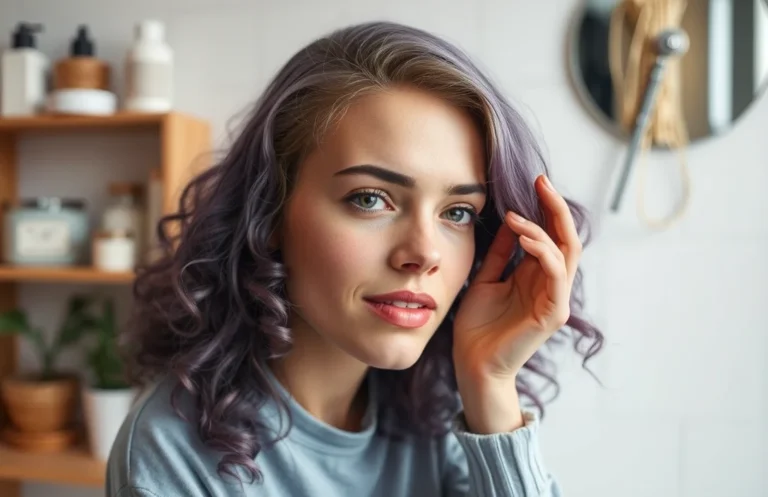
Curly hair demands special attention. Opt for soft gradients that blend seamlessly, avoiding harsh lines that can disrupt natural curls. Focus on lighter ends to add dimension without compromising curl definition. Balancing color with texture creates a harmonious look.
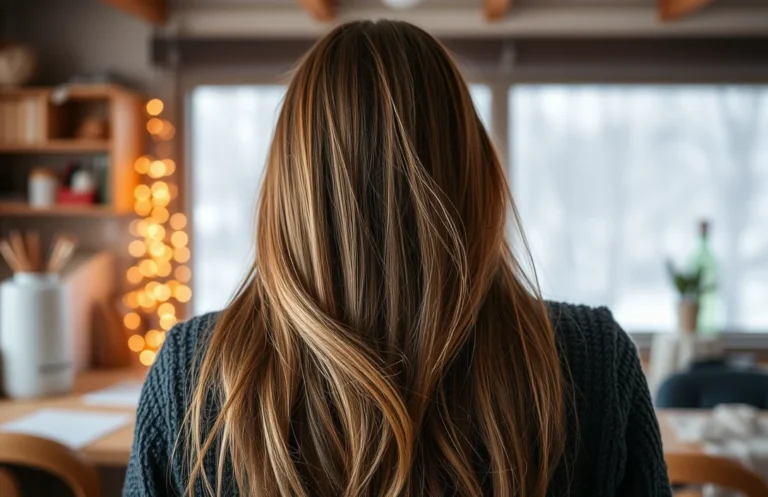
Straight hair allows for sharper, more defined ombre styles. Experiment with dramatic contrasts to showcase the color transition effectively. Use a balayage technique for a more blended effect, which can look striking on straight strands, emphasizing the color’s vibrancy.
Wavy hair offers versatility in ombre application. Play with mid-length highlights that enhance waves while keeping the look soft and beachy. Highlighting the tips and mid-lengths can create a sun-kissed effect, perfect for adding warmth and dimension.
Consider your maintenance routine after selecting an ombre style. Each hair type requires different care products to maintain color vibrancy and health. Invest in color-safe shampoos and conditioners tailored to your hair texture to prolong the life of your ombre and keep your locks looking fresh.
Quick Summary
- Understand the ombre hairstyle, which features a gradual blend from dark to light shades.
- Choose the right color that complements your skin tone for a natural look.
- Decide on the ombre technique: traditional, balayage, or reverse ombre.
- Prepare your hair by ensuring it is clean and free of product buildup.
- Use high-quality hair dye and tools for the best results and minimal damage.
- Consider consulting a professional stylist for a flawless application.
- Maintain your ombre with regular conditioning treatments and color-safe products.
Frequently Asked Questions
What exactly is an ombre hairstyle?
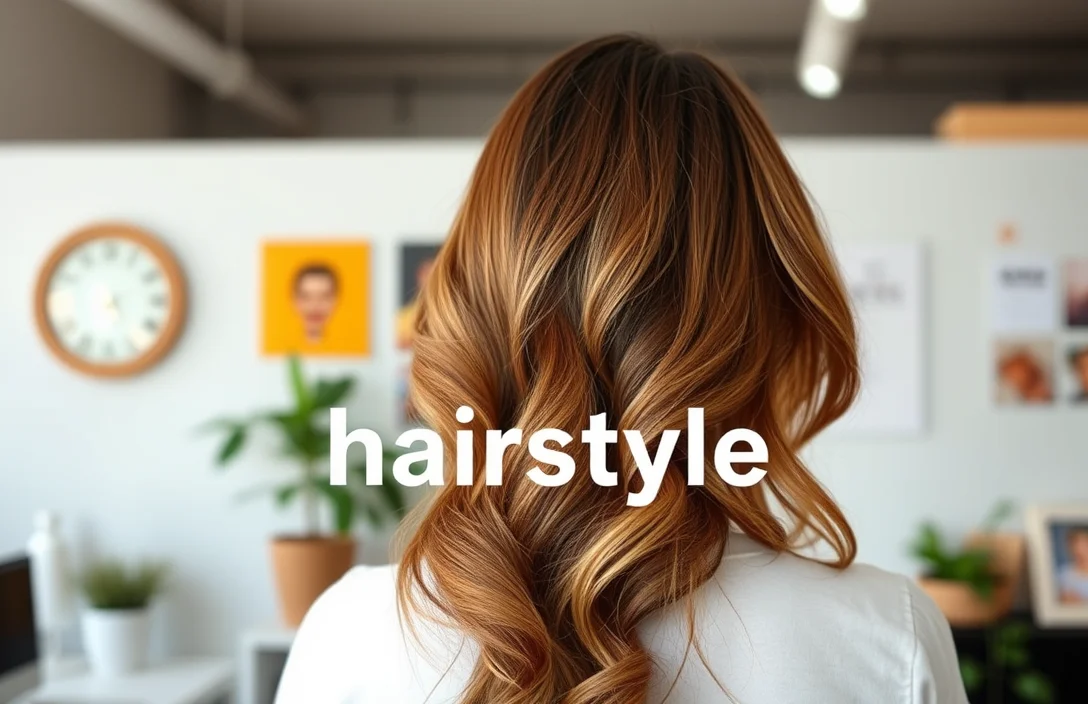
Ombre is a color technique where hair gradually transitions from a darker shade at the roots to lighter tones toward the ends, creating a soft, blended gradient. It can be subtle or dramatic depending on how much contrast you choose between root and tip colors.
How is ombre different from balayage?
Ombre creates a clear root-to-tip gradient with a more defined shift in color, while balayage uses hand-painted highlights for a more scattered, sun-kissed look. Balayage usually looks more natural and low-contrast, whereas ombre emphasizes a visible lightening toward the ends.
Can I do an ombre at home or should I go to a salon?
Simple, subtle ombres can be attempted at home with a careful kit and good instructions, but achieving even lightening and avoiding damage is easier with a professional. Visit a salon for dramatic color changes, heavy bleaching, or if you want a customized blend and longer-lasting results.
How do I care for and maintain ombre hair?
Use sulfate-free, color-safe shampoos and regular deep conditioning treatments to keep ends healthy, and minimize heat styling to prevent breakage. For blonde or brassy ends, use a purple shampoo occasionally and protect hair from sun, chlorine, and salt water to preserve tone.
How often will I need touch-ups and is ombre low-maintenance?
Ombre is generally low-maintenance because the darker roots hide regrowth, so you may only need toning or glossing every 6–12 weeks depending on fading. However, bleached ends may require more frequent conditioning and occasional toner to maintain the desired shade and prevent brassiness.

- 7 Best Detangling Brushes for Curly Hair: Thick, Fine, Long & Natural Hair - September 25, 2026
- 5 Best Moisturizing Curl Defining Creams for Soft, Defined Curls - September 24, 2026
- Best Curl Creams for Straight Hair: 5 Top Picks for Women - September 24, 2026