
Mastering Layers: Transform Your Hair with These Styling Techniques
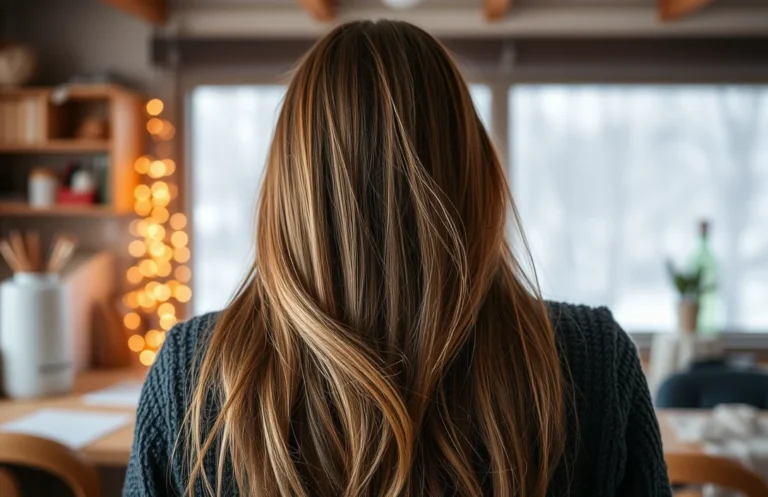
Layered hairstyles can enhance your look by adding movement and volume, making them a popular choice among hairstylists. Over 70% of women prefer layers as they frame the face beautifully and suit various hair textures, providing versatility in styling options.
Mastering layered hairstyles involves choosing the right length, determining your face shape, and using proper cutting techniques. Start with clean, dry hair and consider whether you want subtle or dramatic layers to achieve your desired effect.
Understanding Basic Layering Techniques
Creating layers begins with sectioning hair properly. Divide hair into manageable sections, typically top, middle, and bottom. Use clips to secure each section, ensuring they remain out of the way as you work. Proper sectioning allows for more precise cutting and prevents uneven layers.
Employ a sharp pair of shears for clean cuts. Dull blades can lead to split ends and uneven layers. Hold the shears at a slight angle while cutting to create texture. This technique enhances the movement of the hair, making layers appear more dynamic and voluminous.
Consider the length of each layer carefully. Start with longer layers at the bottom, gradually decreasing length as you move up. This graduated approach creates a natural flow, allowing shorter layers to blend seamlessly with longer ones. The result is a well-structured layered look.
Visualize the end result before cutting. Taking a moment to plan the style helps ensure you achieve the desired effect. Use a mirror to assess how layers will frame the face and complement your features. Adjustments can be made before any cutting begins, saving time and effort.
Essential Tools for Layering Hair
Sharp scissors are crucial for achieving clean, precise layers. Invest in professional-grade shears designed specifically for cutting hair. Dull blades can lead to split ends and uneven cuts, so always ensure your scissors are well-maintained. A pair with a comfortable grip will enhance your control during the layering process.
Sectioning clips help manage hair during cutting. Use these clips to divide hair into manageable sections, keeping the rest secured out of the way. Proper sectioning allows for careful layering and reduces the risk of cutting too much at once. This organized approach is essential for a polished look.
Fine-toothed combs are vital for smooth, even hair distribution. Use them to detangle hair before layering and to ensure accuracy when measuring sections. A comb allows you to lift and separate hair effectively, which is especially important for creating soft, blended layers.
Thinning shears can soften the look of layers. These specialized scissors help reduce bulk in thick hair, providing a more natural appearance. Use thinning shears sparingly to maintain volume while eliminating excessive weight, creating a well-balanced layered style.
Hair spray or texturizing spray assists in maintaining style. Lightly misting hair before cutting can help you see how the layers will fall. After cutting, use spray to set the style, ensuring that layers remain defined and fresh throughout the day.
Choosing Layers Based on Face Shapes
Identifying face shapes ensures flattering styles. Each unique silhouette requires specific layering techniques to enhance features. Knowing whether you have a round, oval, square, or heart-shaped face will guide your choices, resulting in a more harmonious look.
- Round faces benefit from longer layers that elongate the appearance. Aim for styles that start below the chin, adding volume around the crown to create height without width.
- Oval faces are versatile, allowing for various layering options. Soft, face-framing layers accentuate natural balance, while both shorter and longer styles can complement the overall shape.
- Square faces require layers that soften angular features. Opt for waves or curls that start below the jawline, providing movement and reducing sharpness in the facial structure.
- Heart-shaped faces should focus on layers that draw attention downward. Longer layers that start around the chin can help balance a wider forehead and narrow chin.
Implementing these strategies will enhance your overall look, making your hairstyle work with your unique features. Selecting the right layers based on face shapes is crucial for achieving a flattering appearance.
Distinguishing Long and Short Layer Styles
Long layers create movement and volume, perfect for longer hairstyles. To achieve this, sections of hair are cut at varying lengths, allowing for gentle waves and added texture. This technique works best on medium to long hair, as the layers can be blended seamlessly, enhancing the overall look while maintaining a healthy appearance.
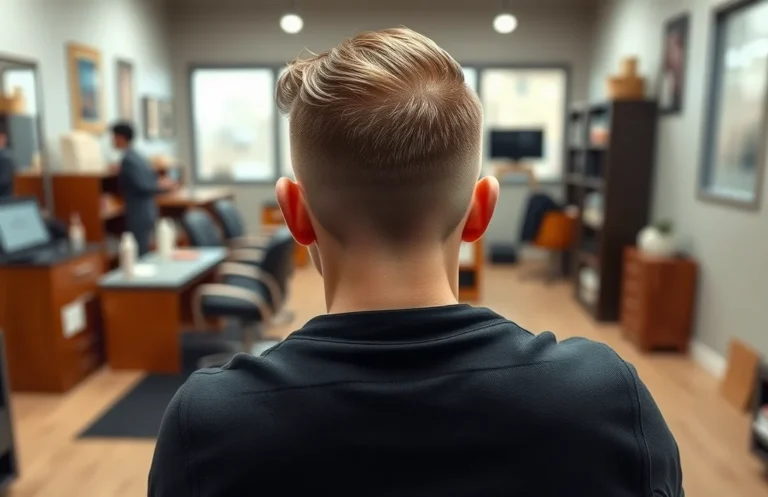
Short layers offer a completely different effect, emphasizing fullness and structure. Cutting shorter layers adds body and definition, making hair appear thicker and more dynamic. Ideal for shorter hairstyles, this method frames the face beautifully and can be tailored to create a chic, modern style.
| Feature | Long Layers | Short Layers |
|---|---|---|
| Volume | Creates subtle volume | Maximizes body and thickness |
| Movement | Enhances natural movement | Defines shape and structure |
| Best Length | Medium to long hair | Short to medium hair |
Layering techniques vary significantly between styles. Long layers focus on soft transitions, while short layers emphasize bold cuts. Each technique has its unique advantages, catering to different hair types and personal preferences.
Blending Layers for a Seamless Look
Effective blending creates a natural appearance when styling layered hair. Follow these steps to ensure your layers look seamless and cohesive:
- Start with damp hair. Wet hair is easier to manage and style, allowing for smoother transitions between layers.
- Use a round brush while blow-drying. This tool helps lift and blend the layers, adding movement and volume to your hairstyle.
- Apply a lightweight styling cream. A small amount helps to define layers without weighing them down, maintaining a natural look.
- Incorporate a texturizing spray. This product enhances the separation between layers, providing definition and a soft finish.
- Finish with a light-hold hairspray. This will secure your style while allowing for flexibility, ensuring layers stay blended throughout the day.
Following these tips will enhance your layered hairstyle, making it appear effortlessly chic and well-blended.
Creating Volume with Layered Hair
Strategic layering significantly enhances volume. To achieve this, cut shorter layers around the crown of your head. This technique allows for more lift at the roots, creating a fuller appearance. By lifting the hair from the base, you can achieve a bouncy, voluminous style that looks effortlessly dynamic.
Directing the longer layers down can also contribute to the illusion of thickness. Ensure that shorter layers blend seamlessly into the longer sections, maintaining a smooth transition. This technique not only adds volume but also prevents the hair from looking flat or weighed down.
Incorporating texturizing products can amplify the effect of layered hairstyles. Products like mousse or volumizing spray can be applied at the roots before blow-drying. This adds extra lift and texture, enhancing the layered look. Always focus on the roots while applying product for best results.
Using a round brush while blow-drying creates even more volume. Lift sections of hair and wrap them around the brush, pulling it upward as you dry. This method encourages curls and waves, contributing to a fuller, more vibrant hairstyle.
Experimenting with styling techniques will help you discover what works best for your hair type. Trying different approaches, such as curling or straightening, can yield various effects. Each method can enhance the layered style, allowing for versatility and creativity in your look.
Texturizing Techniques for Layered Styles
Texturizing adds dimension and movement to layered hairstyles. Techniques such as point cutting, slicing, and razoring can enhance the visual interest of your cut. These methods remove weight, allowing layers to blend seamlessly while creating soft edges. Applying these techniques allows for effortless styling and a modern look that feels fresh.
Point cutting involves using the tips of scissors to snip into the ends of hair strands. This technique softens the edges of your layers without altering the overall length. Aim for a subtle effect, focusing on the ends to achieve a natural, feathered look that frames your face beautifully.
Slicing utilizes the blade of the scissors to glide along the hair, creating texture without removing excess length. This method creates movement within the layers, making them appear more dynamic. It’s particularly effective for thicker hair, as it reduces bulk while maintaining the desired shape and flow.
Razoring creates a more dramatic texture by using a razor blade to cut through the hair. This technique offers an edgy finish, ideal for those wanting a more contemporary style. Be cautious; using a razor requires skill to prevent split ends and maintain hair health.
Finishing products like texturizing sprays or sea salt sprays can enhance the layered look. Apply these products to damp or dry hair for added grit and separation. Experimenting with different products can lead to discovering your perfect finish, enhancing the overall layered style.
Quick Summary
- Understand the different types of layered hairstyles suitable for your hair type and face shape.
- Start with clean, dry hair to ensure even cuts and better styling.
- Use sharp hair cutting scissors for precise layering and to avoid split ends.
- Section hair into manageable parts to create clear layers and avoid uneven cuts.
- Consider using the point-cutting technique for softer, more natural-looking layers.
- Finish with styling products to enhance texture and hold, depending on the desired look.
- Regular maintenance is key; schedule trims every 6-8 weeks to keep layers looking fresh.
Frequently Asked Questions
What are layered hairstyles?
Layered hairstyles involve cutting hair at different lengths to create volume and texture. This technique helps to add movement and can suit various hair types and lengths.
How do I choose the right layers for my face shape?
To choose the right layers, consider your face shape. For example, longer layers can elongate a round face, while soft, shorter layers can soften the angles of a square face.
Can I layer my hair at home, or should I see a professional?
While it’s possible to layer your hair at home, it’s often best to visit a professional stylist for the best results. They have the skills and tools to create a balanced look that complements your features.
What tools do I need to create layered hairstyles?
Basic tools include sharp hair scissors, a comb, and hair clips to section the hair. A spray bottle with water can also help to dampen the hair for easier cutting.
How can I maintain my layered hairstyle?
Regular trims every 6-8 weeks are important to maintain the shape and prevent split ends. You can also use styling products to enhance the layers and keep them looking fresh.

- 7 Best Detangling Brushes for Curly Hair: Thick, Fine, Long & Natural Hair - September 25, 2026
- 5 Best Moisturizing Curl Defining Creams for Soft, Defined Curls - September 24, 2026
- Best Curl Creams for Straight Hair: 5 Top Picks for Women - September 24, 2026