Mastering the Fade: Techniques to Elevate Your Hairstyle Game
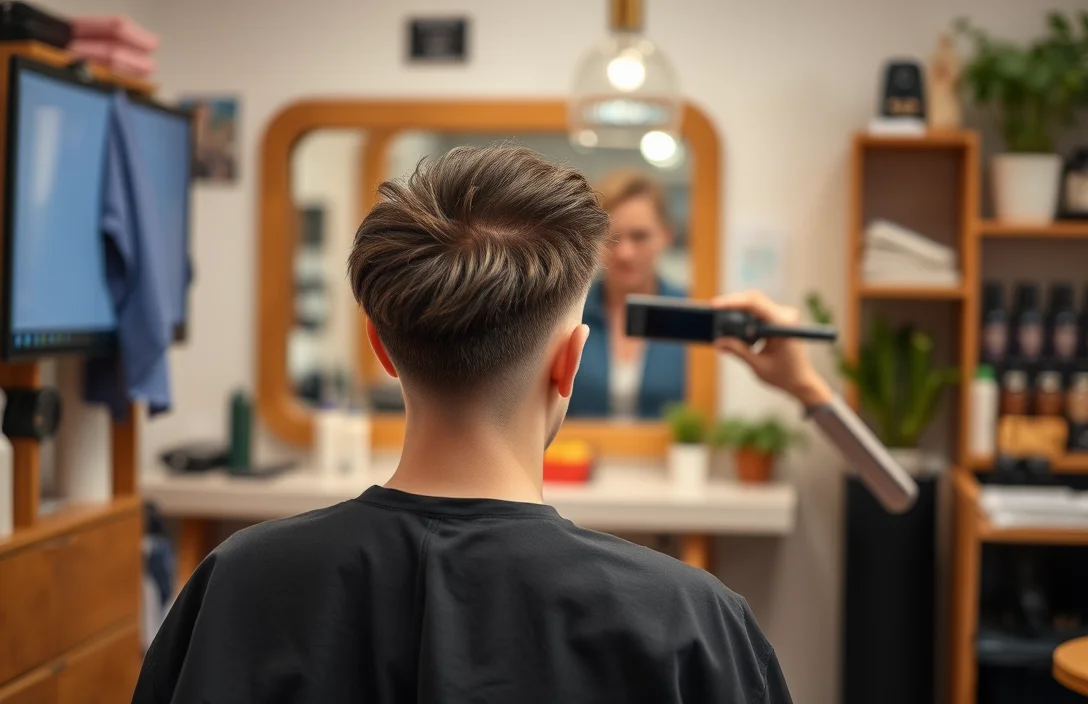
Statistics reveal that over 60% of men prefer a fade hairstyle, showcasing its popularity. Mastering this technique can elevate your look and enhance your confidence. Learning how to fade hair can be straightforward, turning an ordinary style into something sleek and professional with the right approach.
Starting with proper tools is essential. Next, choose your fade type based on hair texture. Finally, practice blending techniques for a seamless look. Following these steps ensures you achieve a well-executed fade hairstyle.
Understanding Types of Fade Haircuts
Fade haircuts come in various styles, each offering a unique look. Popular types include low, mid, and high fades. Low fades start just above the ears, providing a subtle transition. Mid fades begin at the temples, striking a balance between bold and understated. High fades offer a dramatic contrast, starting closer to the crown of the head.
Classic taper fades blend the hair gradually from longer to shorter, creating a sleek silhouette. Skin fades eliminate all hair down to the skin, offering a clean and edgy appearance. Textured fades add dimension by incorporating layers, perfect for those who want to showcase their hair texture.
Contemporary variations include drop fades, which dip down behind the ears, and burst fades, which create a circular shape around the sides of the head. Each type provides versatility, allowing for personalization according to individual style preferences. Selecting the right fade can enhance facial features and complement overall aesthetics.
Understanding these options helps in communicating desired styles with barbers effectively. Experimenting with different fade types can lead to discovering a look that suits your personality and lifestyle. Mastering the fade hairstyle requires knowledge and practice, setting the foundation for more advanced techniques in future sections.
Essential Tools for Fading Hair
Clippers are essential for creating a fade. A high-quality clipper with adjustable guards allows for precise length control, enabling smooth transitions between different lengths. Look for models with strong motors and sharp blades to handle various hair types effectively.
Combs play a vital role in achieving clean lines. A fine-tooth comb helps in sectioning the hair for accurate cutting, while a wide-tooth comb can detangle and prepare the hair before fading. Keeping your comb handy ensures you can easily manage hair during the process.
Scissors are necessary for detailing and texturizing. Quality hair scissors provide the ability to create soft edges and remove bulk in specific areas. Using scissors alongside clippers will enhance the overall look and allow for more tailored results.
Trimmers are ideal for finishing touches. A good trimmer helps define edges and clean up around the neck and ears, ensuring a polished appearance. Look for models with close-cutting blades for the best results.
Razors can create sharp lines and add texture. They allow for precise detailing, especially around the hairline. A straight razor or a safety razor can be used to achieve different effects, depending on the desired look.
Step-by-Step Fading Process
Begin by selecting the desired fade length. Decide how high you want the fade to start and how short the bottom section should be. Most common options include low, mid, and high fades, each offering a unique look. Establishing these parameters sets the foundation for the entire fading process.
- Position the clippers properly. Hold the clippers at a slight angle against the scalp to create a smooth transition. Ensure the blade is clean and sharp for the best results.
- Start with the longest guard. Use a larger guard size to begin the fade. Gradually work down to shorter guards, allowing for a more blended appearance.
- Move in sections. Divide the hair into manageable sections to ensure even fading. Working from the back to the front helps maintain control and accuracy.
- Gradually decrease guard sizes. Switch to a smaller guard size as you progress, making sure to blend each section into the next. This step is crucial for achieving a seamless look.
- Check for balance. After completing the fade, step back and visually inspect both sides. Adjust any uneven areas to ensure a consistent fade throughout.
Blending Techniques for a Seamless Fade
Blending different hair lengths effectively requires precision and the right approach. Start by using a clipper with an adjustable guard to create a baseline length. Select a guard that matches the desired length, ensuring consistency and ease as you progress through the fading process.
Employing the flicking technique aids in achieving a smooth transition. Hold the clipper at an angle while moving it in a flicking motion at the top of the fade. This technique reduces hard lines and blends the lengths seamlessly, creating a polished look.
Utilizing scissors for blending can enhance overall texture. After achieving the desired fade with clippers, use scissors to point-cut the edges of the hair. This technique softens the lines and allows for a more natural appearance, especially on longer sections of hair.
Incorporating a comb can help refine the blend. Comb through the hair while cutting to maintain control and ensure an even blend. Adjust your clipper position based on the hair’s natural growth pattern, which helps in achieving a more uniform fade.
Practicing different techniques will improve your skills over time. Experiment with various clipper settings and scissor techniques to discover what works best for each hairstyle. Consistent practice leads to more confidence and better results in blending hair lengths.
Maintaining Your Fade for Longevity
Regular upkeep is crucial for keeping your fade looking sharp and fresh. Maintaining the length and blending can be achieved through consistent trimming and the right hair products. Follow these steps to ensure your style lasts longer and stays on point.
- Schedule regular visits to your barber. Aim for a trim every 3-4 weeks to keep the fade looking clean and well-defined.
- Use high-quality hair products. Choose pomades or waxes that provide hold without making the hair greasy or stiff. This helps maintain style while enhancing texture.
- Wash hair frequently but gently. Use a sulfate-free shampoo to avoid stripping natural oils, which can lead to dryness and frizz.
- Protect hair from environmental damage. Wear a hat or use UV protection products when exposed to sun or harsh weather conditions to prevent fading and dryness.
- Communicate with your barber. Discuss any changes you want to make to your fade or style, as they can provide tailored advice for your hair type.
Consistent maintenance routines ensure your fade remains sharp and stylish. Prioritize these tips for optimal results and enjoy your hairstyle for longer.
Common Mistakes to Avoid When Fading
Rushing through the fading process often leads to uneven results. Taking time during each section ensures a smoother transition between lengths. Use slow, deliberate movements with your clippers or shears to maintain control. Patience pays off, providing a polished look rather than a hasty, choppy style.
Neglecting to check for balance can result in a lopsided appearance. Regularly stepping back from the mirror allows for a better perspective on your work. Use a handheld mirror to check the back and sides, ensuring symmetry across the entire head.
Forgetting to blend properly leaves harsh lines that detract from the overall fade. Utilize different clipper guards and blending techniques to achieve a seamless transition. Feathering the edges with scissors can also soften distinct boundaries, enhancing the final look.
Using dull blades causes snags and uneven cuts. Regularly sharpen or replace blades to maintain efficiency. Sharp tools create a cleaner cut, reducing the time spent correcting mistakes and ensuring a professional finish.
Overlooking aftercare frequently leads to quick regrowth, which can disrupt the fade. Regular maintenance with clippers helps keep the style fresh. Schedule touch-ups every few weeks to maintain the integrity of the fade and avoid extensive corrections later.
Aftercare for Fade Hairstyles
Maintaining your fade requires consistent care. Use quality hair products designed for your hair type. Look for shampoos and conditioners that promote hydration and prevent dryness. Avoid products that contain harsh chemicals to prevent irritation and damage.
Regular trims keep the fade looking sharp. Schedule visits to your stylist every 4-6 weeks to maintain the desired length and shape. Communicate clearly with your barber about what you want to keep the style fresh.
Moisturizing is crucial for healthy hair. Apply leave-in conditioners or light oils to nourish and hydrate the hair. This step prevents flakiness and promotes a polished appearance while enhancing your fade.
Protecting your hair at night helps maintain your style. Consider using a silk or satin scarf or pillowcase to reduce friction and prevent frizz. This simple adjustment can prolong the life of your fade significantly.
Monitoring your hair’s health is essential. Observe for signs of breakage or dryness and adjust your product usage accordingly. Keeping a close eye on your hair ensures that you can maintain the quality of your fade hairstyle over time.
Quick Summary
- Choose the right fade style: Consider options like low, mid, and high fades based on your face shape and personal style.
- Use sharp clippers: Invest in quality clippers for clean and precise fading.
- Start with longer guard sizes: Begin with a longer clipper guard and gradually switch to shorter sizes to achieve a smooth transition.
- Blend carefully: Use scissors or a blending technique to ensure a seamless fade between different lengths.
- Regular maintenance: Schedule regular haircuts to keep the fade looking fresh and well-defined.
- Consult a professional: If unsure, seek advice from a hairstylist for the best fade suited to your hair type and style.
- Experiment with styling: Use pomade or wax to enhance the fade and add texture to the top of your hairstyle.
Frequently Asked Questions
What is a fade hairstyle?
A fade hairstyle is a popular haircut where the hair gradually shortens from the top of the head to the sides and back. It creates a smooth transition and can be tailored to various lengths and styles, making it versatile for different looks.
How do I choose the right type of fade for my hair type?
The right fade depends on your hair texture and personal style. For thick hair, a low fade may work well, while fine hair might benefit from a mid or high fade to add volume and shape.
Can I fade my hair at home?
While it’s possible to fade your hair at home, it requires practice and the right tools, such as clippers and scissors. If you’re a beginner, consider watching tutorials or consulting a professional for your first fade to ensure a clean and polished look.
How often should I get a fade haircut?
Typically, a fade haircut should be maintained every 3 to 6 weeks, depending on how quickly your hair grows and the style you prefer. Regular touch-ups help keep the fade looking sharp and fresh.
What products should I use to style a fade hairstyle?
To style a fade, consider using pomades, waxes, or gels to add texture and hold. Additionally, a good quality shampoo and conditioner can help maintain the health of your hair, especially if you use styling products regularly.

- 7 Best Detangling Brushes for Curly Hair: Thick, Fine, Long & Natural Hair - September 25, 2026
- 5 Best Moisturizing Curl Defining Creams for Soft, Defined Curls - September 24, 2026
- Best Curl Creams for Straight Hair: 5 Top Picks for Women - September 24, 2026