Say Goodbye to Hair Dye: 6 Effective Methods for a Fresh Start
Statistics show that nearly 70% of individuals who dye their hair experience dissatisfaction with the results. If you’re among them, don’t panic; effective color removal techniques can help restore your hair to its desired state without compromising its health.
Focus on gentle color removers, clarifying shampoos, and natural remedies for safe results. Prioritize hydration and nourishment to ensure your hair remains healthy throughout the process.
Effective Home Remedies for Dye Removal
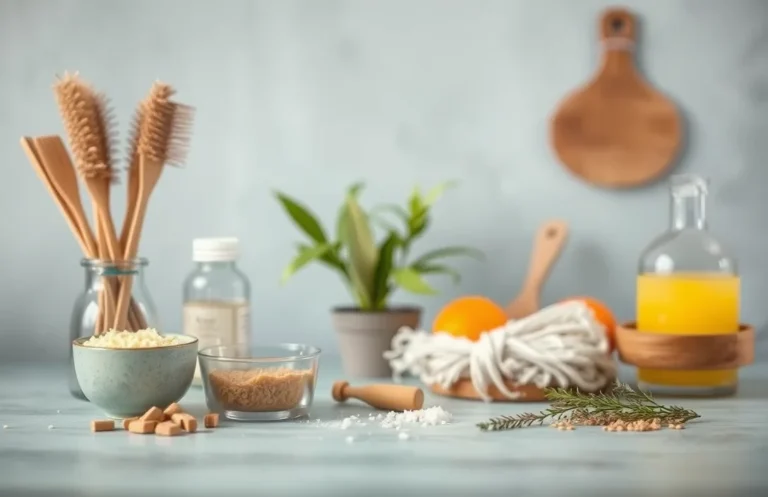
Baking soda effectively lifts hair dye. Create a paste by mixing equal parts baking soda and water. Apply this mixture to damp hair, focusing on the dyed areas. Leave it on for about 15-20 minutes before rinsing thoroughly. This method not only helps remove unwanted color but also gently exfoliates the scalp.
Vinegar acts as a natural hair dye remover. Combine one part vinegar with one part water, then apply it to your hair after shampooing. Allow it to sit for 10-15 minutes before rinsing out. The acidity in vinegar helps break down dye molecules while enhancing shine and softness.
Lemon juice brightens and lightens hair naturally. Squeeze the juice of several lemons and mix it with a tablespoon of olive oil for added moisture. Apply on the hair and sit in the sun for about an hour. Rinse well afterward. This method is great for reducing darker dye shades and adding a sun-kissed glow.
Coconut oil is beneficial for hair health. Warm some coconut oil and apply it generously to your hair. Let it sit for at least 30 minutes, then wash it out. This not only helps remove some dye but also nourishes the hair, preventing damage during the removal process.
Professional Salon Treatments for Color Correction
Expert color removal services at salons are highly effective for achieving desired results safely. Trained professionals use advanced techniques tailored to your specific hair type and the dye used. These services often include color removers that can dissolve unwanted pigment without causing significant damage to your hair.
Common options include color correction treatments, which adjust the tone and hue of your hair, and deep conditioning services that help restore moisture post-treatment. Skilled stylists assess your hair’s condition and recommend the best approach, ensuring optimal outcomes while maintaining hair health.
In-salon treatments typically involve multiple steps, such as applying a color remover, followed by a toner to achieve the right shade. Following this, a nourishing treatment helps to replenish lost nutrients. Always communicate clearly with your stylist about your goals and any previous dye experiences to achieve the best results.
Investing in professional services can save you time and potential damage from DIY attempts. Many salons also offer follow-up care products to maintain your new color and condition, ensuring your hair remains vibrant and healthy after the treatment.
Understanding the Impact of Hair Type on Dye Removal
Different hair types require tailored approaches for effective dye removal. Fine hair typically absorbs dyes more easily, making it prone to damage during the removal process. Conversely, coarse or thick hair may resist color changes, requiring more potent products or techniques. Knowing your hair type will guide you in selecting the safest and most effective methods.
- Fine hair often needs gentler products. Opt for color removers designed for sensitive textures, as they will help minimize damage while effectively lifting the dye.
- Medium hair can handle a variety of treatments. You might choose between mild color removers or clarifying shampoos to gradually fade the unwanted color without significant risk.
- Coarse hair may require stronger solutions. Consider using professional-grade color removers or bleach if other methods don’t yield results, but be sure to follow up with deep conditioning treatments to restore moisture.
- Curly hair presents unique challenges. Use sulfate-free products for gentle cleansing and avoid harsh chemicals that can disrupt your curl pattern. Look for color removers that maintain hydration.
- Color-treated hair can complicate removal. If your hair has been previously dyed or highlighted, consult a professional to assess the best approach to prevent further damage.
Risks and Precautions in Dye Removal
Removing hair dye carries potential risks that can harm your hair if not approached carefully. Prioritize hair health by following safety measures. Always conduct a patch test before using any dye removal product to check for allergic reactions. This simple step can prevent further complications.
- Use gentle products specifically designed for color removal. Harsh chemicals can strip moisture and damage hair, leading to breakage.
- Limit the frequency of dye removal sessions. Frequent applications can lead to cumulative damage; allow your hair time to recover between processes.
- Monitor hair condition throughout the removal process. Stop immediately if you notice excessive dryness, breakage, or scalp irritation.
- Consult a professional stylist if unsure about the process. Seeking expert guidance can help you avoid common pitfalls and achieve better results.
Post-Dye Care Tips for Healthy Hair
Moisturizing treatments are essential after dye removal. These treatments help restore hydration and prevent damage from the dye removal process. Look for deep conditioning masks specifically designed for color-treated hair. Apply these masks weekly to maintain softness and shine.
Hydrating hair oils can significantly improve your hair’s health. Oils such as argan, jojoba, or coconut penetrate the hair shaft to nourish and protect. Use a few drops on damp hair to lock in moisture and create a protective barrier against heat styling and environmental stressors.
Regular trims encourage healthy hair growth. Cutting off split ends prevents further damage and maintains a polished appearance. Schedule trims every 6-8 weeks to keep your hair looking fresh and vibrant.
Heat styling tools can exacerbate damage, especially after dye removal. Limit the use of blow dryers, curling wands, and flat irons. When styling is necessary, always apply a heat protectant spray to shield your hair from high temperatures.
Protective hairstyles can minimize manipulation and breakage. Braids, buns, or twists keep hair secure while allowing it to recover. These styles also reduce exposure to harsh elements, promoting healthier hair overall.
Clarifying Shampoo and Its Role in Dye Removal
Clarifying shampoos effectively lift unwanted color from hair. These specialized formulas contain stronger ingredients than regular shampoos, designed to remove residue, buildup, and dye. Using a clarifying shampoo can help you achieve a more uniform base color before applying a new dye or restoring your natural shade.
- Choose a high-quality clarifying shampoo. Look for products specifically labeled as clarifying to ensure they have the right formulation to remove color.
- Wet your hair thoroughly. Start with clean, damp hair to allow the shampoo to penetrate effectively.
- Apply a generous amount of shampoo. Use enough product to cover your hair completely, focusing on areas with the most dye buildup.
- Massage gently into your scalp and hair. Work the shampoo through your strands, creating a rich lather to help lift the color.
- Leave it on for a few minutes. Allow the clarifying shampoo to sit for 3-5 minutes to maximize its effectiveness.
- Rinse thoroughly with warm water. Ensure all the shampoo is washed out to prevent any residue from remaining.
- Follow up with a deep conditioner. Clarifying can strip natural oils, so it’s essential to replenish moisture with a hydrating conditioner.
Hydrogen Peroxide Solutions for Quick Results
Hydrogen peroxide effectively removes unwanted dye from hair. This common household item acts as a mild bleach, making it suitable for lightening and stripping color. Follow these steps to safely use hydrogen peroxide for your hair dye removal process.
- Mix a solution of 3% hydrogen peroxide with equal parts water in a spray bottle.
- Section your hair to ensure even application and prevent any missed spots.
- Spray the mixture liberally onto the dyed areas, avoiding the scalp to prevent irritation.
- Allow the solution to sit for 30 minutes, checking the color periodically to avoid over-processing.
- Rinse thoroughly with cool water and follow up with a deep conditioner to restore moisture.
Results may vary depending on hair type and dye used. Always perform a patch test first to ensure your hair can handle the treatment without damage. Prioritize hair health by conditioning well afterward.
Quick Summary
- Assess the type of dye used to determine the best removal method.
- Use clarifying shampoos to strip away semi-permanent dye effectively.
- Consider natural remedies like vitamin C or baking soda for mild color removal.
- Professional color removers can be effective for stubborn permanent dyes.
- Always perform a patch test before applying any removal treatment to avoid allergic reactions.
- Deep conditioning treatments are recommended post-removal to restore hair health.
- Consult a professional hairstylist for the safest and most effective results.
Frequently Asked Questions
How can I remove hair dye at home?
You can remove hair dye at home using a few methods, such as a clarifying shampoo or a mixture of baking soda and anti-dandruff shampoo. Apply the mixture to damp hair, let it sit for a few minutes, and rinse thoroughly. However, be cautious as these methods may strip natural oils from your hair.
Will using bleach help in removing hair dye?
Yes, bleach can effectively remove hair dye, but it can also cause significant damage to your hair. It’s crucial to consult a professional stylist before using bleach and to follow up with deep conditioning treatments to maintain hair health.
How long does it take for color to fade naturally?
Hair dye typically fades over a period of 4 to 6 weeks, depending on the type of dye used and hair care practices. To expedite the fading process, you can wash your hair more frequently with mild shampoo and avoid excessive heat styling.
Are there any natural remedies to remove hair dye?
Yes, natural remedies such as mixing vitamin C tablets with shampoo or using honey and olive oil can help lighten hair dye. These methods are gentler on the hair but may take longer to show results compared to chemical solutions.
What should I do if my hair feels damaged after dye removal?
If your hair feels damaged after attempting to remove dye, focus on deep conditioning treatments and avoid heat styling for a while. Look for products that contain nourishing ingredients like argan oil or shea butter to help restore moisture and strength to your hair.

- 7 Best Detangling Brushes for Curly Hair: Thick, Fine, Long & Natural Hair - September 25, 2026
- 5 Best Moisturizing Curl Defining Creams for Soft, Defined Curls - September 24, 2026
- Best Curl Creams for Straight Hair: 5 Top Picks for Women - September 24, 2026