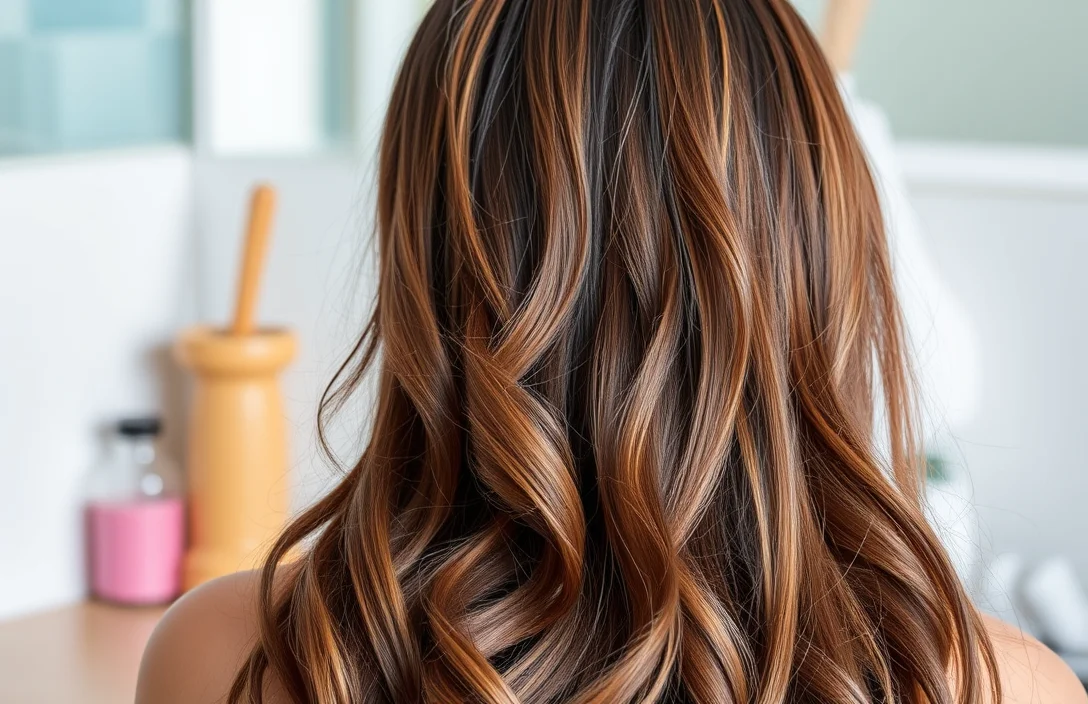
Revitalize Your Locks: Effective Ways to Banish Hair Dye Mishaps
Over 50% of people who dye their hair experience regret soon after, often due to unexpected color results. If you’re among them, you’re not alone. The good news is that there are effective ways to remove hair dye at home without causing significant damage.
Start by using a clarifying shampoo to strip excess dye. Consider vitamin C treatments for a gentler approach. Always test on a small section first to ensure hair health is maintained.
Home Remedies for Gentle Dye Removal
Vitamin C treatments effectively lighten hair dye. Crush about 10-15 vitamin C tablets into a fine powder. Mix this with a clarifying shampoo to create a paste. Apply it generously to damp hair, focusing on the dyed areas. Leave it on for 30-60 minutes, then rinse thoroughly with lukewarm water. This method is gentle and can help fade unwanted color.
Warm olive oil can also assist in removing dye. Heat a small amount of olive oil until it’s warm but not hot. Massage the warm oil into your hair, ensuring every strand is coated. Cover your hair with a shower cap for about an hour. Afterward, wash your hair with a mild shampoo. This method not only helps in color removal but also nourishes your hair.
Baking soda offers another natural solution for dye removal. Create a paste using equal parts baking soda and water. Apply this mixture to the dyed hair and leave it on for about 20-30 minutes. Rinse it off with a gentle shampoo. Baking soda acts as a natural exfoliant and can help strip away some of the dye pigments.
Effective Chemical Removal Products
Commercial dye removal products offer targeted solutions for unwanted hair color. Brands like Color Oops, Joico Color Eraser, and L’Oréal Colorista Fade Out specifically cater to reversing hair dye. These products contain ingredients designed to break down artificial pigments, making removal easier and more effective than many home remedies.
Many users appreciate the convenience of these formulations. They often come with detailed instructions, ensuring a straightforward application process. It’s essential to follow the guidelines carefully to minimize potential damage and achieve the best results.
Product choices vary in strength and formulation. Some are gentler, suitable for frequent use, while others provide a more intense approach for stubborn colors. Assess your hair type and the dye used to select the most appropriate product for your needs.
Consulting user reviews can also provide insights into effectiveness and potential side effects. Gathering feedback from other users helps gauge which products deliver on their promises and which may fall short.
Prioritize hair health during the removal process. Look for products that include conditioning agents to help restore moisture and shine after dye removal. Selecting a product with added care benefits can support your hair’s recovery while achieving your desired look.
Choosing the Right Shampoo and Conditioner
Selecting the right hair care products is essential for removing unwanted dye. Look for shampoos specifically designed for color removal or clarifying shampoos, as they can help strip color without overly damaging your hair. Avoid products with sulfates if your hair is particularly dry or damaged, as these can exacerbate issues.
- Opt for a clarifying shampoo. This type of shampoo is formulated to cleanse the hair more thoroughly, helping to lift dye particles from the strands.
- Look for conditioning agents. Choose conditioners that offer moisture and nourishment to counteract any drying effects from the shampoo.
- Check labels for color-safe ingredients. Ingredients like aloe vera or coconut oil can help maintain hair health while aiding in dye removal.
- Consider pH-balanced products. These are gentler on your hair and scalp, which is crucial when dealing with dye removal to prevent excessive dryness.
- Test a small amount first. Apply the selected shampoo and conditioner to a small section of hair to gauge their effectiveness and check for any unwanted reactions.
Following these guidelines will ensure that your hair remains healthy while you work on achieving your desired color.
Strategies for Preventing Hair Damage
Maintain moisture levels during dye removal. Keeping your hair hydrated is crucial for preventing damage. Use a deep conditioning treatment before and after the process to help restore moisture and protect your hair’s integrity.
- Apply a hydrating mask once a week.
- Consider leave-in conditioners for added protection.
- Use oils like argan or coconut for extra nourishment.
Limit heat styling while removing color. Excessive heat can exacerbate damage, so avoid using hot tools like straighteners and curling irons during this time. Instead, embrace air drying or low-heat options.
Opt for gentle techniques to avoid breakage. Be cautious when washing and combing your hair after dye removal. Use a wide-tooth comb and pat your hair dry with a soft towel instead of rubbing it vigorously.
Timing Considerations for Dye Removal
Optimal timing significantly impacts dye removal success. Waiting at least 48 hours after dyeing your hair is crucial. This allows the cuticle to close, reducing damage and enhancing the effectiveness of any dye removal method. Patience during this waiting period can lead to better results, ensuring your hair remains healthy while you work towards your desired look.
Immediate attempts to remove dye can cause more harm than good. Chemicals in hair dye bond tightly to the hair. Trying to remove it too soon might lead to unnecessary breakage or dryness. Waiting gives your hair a chance to stabilize and recover, making the removal process safer and more effective.
Observing your hair’s condition is essential. If your hair feels dry or damaged, consider delaying removal until it regains moisture and strength. Use deep conditioning treatments in the meantime to nourish your locks. Healthy hair will respond better to any removal techniques you apply.
Scheduling your dye removal session wisely is also important. Plan to do it on a day when you can dedicate time to the process without interruptions. Allowing enough time for thorough application and rinsing ensures that you achieve the best possible outcome while prioritizing your hair’s health.
Color Correction Techniques Explained
Applying a color remover is often the most effective method for addressing unwanted dye. These products are designed to strip artificial color from the hair while minimizing damage. Choose a reputable brand and follow the instructions closely for the best results. Ensure you do a patch test to check for any adverse reactions before full application.
Using a clarifying shampoo can help in fading the color as well. Wash your hair with this shampoo several times in a row, allowing the product to sit for a few minutes each time. This technique works best on semi-permanent dyes. Remember to follow up with a deep conditioner to maintain moisture and prevent dryness.
Consider mixing baking soda and shampoo for a gentle DIY approach. Combine equal parts of each and apply to damp hair. Leave it on for about 20 minutes before rinsing thoroughly. This method can help lighten the dye without causing excessive harm to the hair strands.
Seeking out vitamin C treatments is another effective option. Crush vitamin C tablets and mix them with your regular shampoo. Apply to wet hair and let it sit for about an hour. Rinse thoroughly afterward. This method is particularly useful for lifting darker colors and can significantly lighten your hair.
Exploring Professional Salon Options
Seeking professional help may be necessary if at-home methods fail or if you’re unsure about the process. Stylists have specialized tools and products that can effectively remove unwanted dye while minimizing damage. Their expertise ensures that the removal process is safe, tailored to your hair type, and achieves your desired results.
Consulting a stylist is beneficial, especially if your hair has experienced significant color changes or damage. Professionals can assess your hair’s condition and recommend the best course of action. This includes custom treatments that target specific issues, such as stubborn pigmentation or uneven tones.
Scheduling a consultation allows you to discuss your options openly. Many salons offer color correction services specifically designed to address dye mishaps. These services can often restore your hair to a more desirable shade without causing additional harm.
Trusting a professional can alleviate anxiety, especially if you’re feeling overwhelmed. Hair experts can provide insights into maintaining hair health post-removal. They can also suggest aftercare strategies to support your hair’s recovery and prevent future mishaps.
Essential Aftercare for Treated Hair
Maintaining hair health post-dye removal is crucial. Focus on hydration and protection to keep your locks vibrant and strong. Incorporate nourishing products into your routine to support recovery and prevent damage from future styling or environmental factors.
- Moisturizing shampoos enhance hydration.
- Conditioners with natural oils restore shine.
- Leave-in treatments provide extra protection.
- Heat protectants guard against styling tools.
- Regular trims help eliminate damaged ends.
Investing time in your hair care routine will yield significant benefits. Look for products specifically designed for color-treated hair, as they can help maintain vibrancy while being gentle. Avoid harsh chemicals that may cause further damage.
Prioritize weekly deep conditioning treatments. These will replenish moisture and improve overall hair texture. Try DIY masks using ingredients like coconut oil or avocado for added nourishment.
Remember, patience is vital during the recovery phase. Allow your hair to regain its strength and health before attempting any new dyes or treatments. Enjoy the process of nurturing your hair back to its best condition!
Quick Summary
- Act quickly to remove hair dye for the best results.
- Use a clarifying shampoo to help strip the color from your hair.
- Consider natural remedies like baking soda or vinegar for gentle removal.
- Deep conditioning treatments can help restore moisture after dye removal.
- Avoid harsh chemicals that can damage hair further.
- If at-home methods fail, consult a professional stylist for assistance.
- Always perform a patch test to avoid allergic reactions to any products used.
Frequently Asked Questions
1. How can I remove hair dye at home without causing damage?
Start by using a clarifying shampoo, as it can help strip away some of the dye. Follow up with a deep conditioning treatment to maintain moisture and prevent damage to your hair.
2. Are there any natural methods to remove hair dye?
Yes, some effective natural methods include using baking soda mixed with shampoo or applying a mixture of vitamin C and water. These methods can lighten the color gradually while being gentler on your hair.
3. Will vinegar help in removing hair dye?
Apple cider vinegar can help fade hair dye due to its acidity. Mix it with water and apply it to your hair, leaving it on for 15-30 minutes before rinsing thoroughly.
4. How long does it take to see results from dye removal methods?
The time it takes to see results varies depending on the method used and the type of dye. Generally, you may need to repeat the process a few times over several days to achieve the desired effect.
5. Should I consider using a color remover product?
Color remover products can be effective for more stubborn dyes, but they may contain harsh chemicals. It’s essential to follow the instructions carefully and do a patch test to minimize potential damage to your hair.

- 7 Best Detangling Brushes for Curly Hair: Thick, Fine, Long & Natural Hair - September 25, 2026
- 5 Best Moisturizing Curl Defining Creams for Soft, Defined Curls - September 24, 2026
- Best Curl Creams for Straight Hair: 5 Top Picks for Women - September 24, 2026