Is Hair Spa Effective for Alleviating Dry Scalp Issues?
Studies indicate that over 50% of adults experience dry scalp at some point, often leading to discomfort and irritation. Hair spa treatments, designed to nourish and hydrate, may significantly alleviate these symptoms, offering a potential solution for those struggling with scalp issues.
Hair spa treatments can be beneficial for dry scalp by providing intense hydration, soothing irritation, and promoting scalp health. Regular sessions might lead to improved moisture retention and overall hair vitality, making it a worthy consideration for effective hair care.
What is a Hair Spa?
Hair spa treatments focus on nourishing and rejuvenating the scalp and hair. Typically, these sessions involve a combination of massage, deep conditioning, and specialized products aimed at restoring moisture and balance. The process is designed to address various scalp issues, including dryness, promoting overall health.
During a hair spa treatment, professionals often use oils, masks, and steam to enhance the benefits. Massaging the scalp stimulates blood circulation, which can aid in nutrient absorption. Additionally, the right products are selected based on individual hair and scalp conditions, ensuring a tailored approach to care.
Many salons offer diverse treatments, including hydrating masks and essential oil applications. Each session typically lasts between 30 minutes to an hour, allowing ample time for relaxation and effective treatment. Regular visits can help maintain scalp health and address ongoing issues like dryness.
Results from hair spa treatments may vary, but many individuals report improved scalp conditions and enhanced hair quality. As a targeted approach for dry scalp, it can be an effective part of a comprehensive hair care routine, ensuring lasting benefits for your scalp and hair.
Benefits for Dry Scalp
Hair spas provide targeted relief for dry scalp issues through several key methods. These specialized treatments focus on hydrating and nourishing both the scalp and hair, promoting a healthier environment for hair growth. Regular visits can yield significant improvements in moisture levels and overall scalp health.
- Moisture replenishment occurs during treatments. Hair spas often use hydrating masks and oils that penetrate deeply, restoring lost moisture and alleviating dryness.
- Exfoliation is another crucial step. Treatments include gentle scalp massages that remove dead skin cells, promoting better circulation and allowing for more effective absorption of nourishing ingredients.
- Stress reduction benefits should not be overlooked. The relaxing atmosphere of a hair spa can alleviate tension, which often contributes to scalp issues. Relaxation promotes overall well-being, including scalp health.
- Expert guidance enhances treatment effectiveness. Professional stylists assess individual scalp conditions, tailoring treatments to specific needs, which increases the likelihood of successful outcomes.
- Consistency in treatment yields long-term benefits. Regular spa visits ensure sustained moisture and scalp health, preventing the recurrence of dryness and irritation.
Ingredients Used in Hair Spas
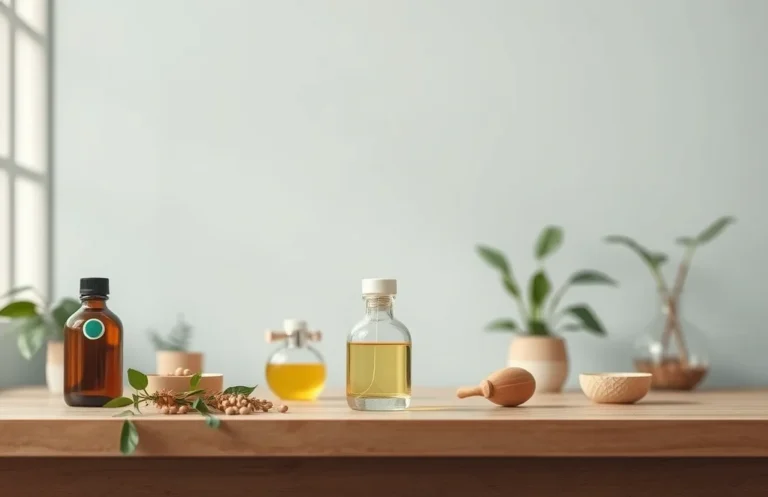
Moisturizing ingredients are fundamental in hair spas for addressing dry scalp issues. Common components like aloe vera, coconut oil, and shea butter provide hydration and soothe irritation. These natural elements work together to restore moisture levels and promote scalp health.
Oils such as argan and jojoba effectively nourish the scalp. They penetrate hair follicles, delivering essential fatty acids and vitamins. By incorporating these oils, spas can significantly enhance the scalp’s ability to retain moisture, creating a healthier environment for hair growth.
Humectants like glycerin attract moisture from the environment, preventing dryness. This ingredient helps maintain hydration levels throughout the day. When included in spa treatments, humectants can provide lasting relief from dryness and flakiness, making them ideal for those seeking effective solutions.
Proteins, such as keratin, play a crucial role in strengthening hair and improving elasticity. Treatments that include protein-rich ingredients can help repair the hair shaft, minimizing breakage and promoting overall hair health. This is particularly beneficial for individuals experiencing dryness and brittleness.
Natural extracts such as chamomile and green tea offer anti-inflammatory properties. These ingredients can calm irritated scalps, reducing redness and discomfort. Incorporating these extracts into hair spa treatments addresses both dryness and scalp sensitivity effectively.
Treatment Frequency Recommendations
Scheduling regular hair spa treatments is essential for maintaining scalp health. For individuals experiencing dry scalp issues, professionals recommend undergoing these treatments every 2 to 4 weeks. This frequency allows for optimal hydration and nourishment while addressing specific scalp concerns effectively.
- Begin with initial treatments every 2 weeks to kickstart hydration. This helps to combat dryness and restore moisture levels efficiently.
- Transition to every 3 weeks as improvements occur. Monitoring your scalp condition will guide this adjustment, ensuring the treatments remain effective.
- Consider monthly sessions once optimal hydration is achieved. Regular maintenance will help sustain scalp health and prevent future dryness.
Consulting with a hair care specialist can provide personalized recommendations. Tailoring the frequency to individual scalp conditions can enhance results and ensure long-term scalp health.
Complementary Home Care
Implementing at-home treatments can significantly enhance the benefits of a hair spa for dry scalp issues. Regularly caring for your scalp between spa visits helps maintain moisture and reduces dryness. Simple, consistent practices are key to achieving long-term results.
- Massage the scalp gently with natural oils, such as coconut or jojoba, to boost hydration and blood circulation.
- Apply a soothing aloe vera gel directly to the scalp to reduce inflammation and provide moisture.
- Choose a sulfate-free shampoo that maintains scalp balance without stripping natural oils.
- Incorporate a weekly deep conditioning treatment to nourish and hydrate your hair and scalp.
- Maintain proper hydration by drinking plenty of water, as internal moisture plays a vital role in scalp health.
Consistent care at home complements professional treatments effectively. By integrating these practices, you can enhance the positive effects of your spa visits and support your scalp’s recovery from dryness.
Choosing the Right Spa
Selecting a reputable hair spa requires careful evaluation. Focus on establishments that prioritize scalp health and utilize high-quality products. Researching their service offerings and customer reviews can help gauge their effectiveness in treating dry scalp issues.
- Consultations should be available to tailor treatments to your specific needs.
- Check for licensed professionals with experience in scalp care.
- Look for spas that offer natural and nourishing ingredients in their treatments.
- Assess the cleanliness and ambiance of the spa for a comfortable experience.
- Inquire about follow-up care and home recommendations to sustain results.
Finding the right spa can significantly enhance your scalp health. Prioritize establishments that align with your specific requirements and make informed choices based on evidence and expertise.
Potential Risks and Considerations
Potential side effects may arise from hair spa treatments. While many individuals find relief through these sessions, others might experience irritation or an allergic reaction to specific products used during the treatment. Conducting a patch test before any application is essential to avoid unexpected reactions.
Overuse of certain treatments can lead to product buildup on the scalp. Regularly applying heavy oils or creams without proper cleansing may worsen dryness and create a greasy appearance. Balancing treatments with effective cleansing is crucial to maintain scalp health.
Skipping professional guidance can lead to unsuitable choices. Not all hair spas are equipped with expertise in addressing dry scalp issues. Seeking recommendations or reviews can help identify reputable facilities that tailor treatments to individual needs.
Costs associated with hair spas can vary significantly. Sessions may be expensive, and frequent visits can strain budgets. Weighing the potential benefits against the financial commitment is vital for making informed decisions about hair care.
Consulting a professional trichologist before committing to a hair spa can offer personalized insights. This step ensures that treatments align with your unique scalp condition, leading to more effective solutions for maintaining scalp health and alleviating dryness.
Quick Summary
- A hair spa can deeply hydrate and nourish a dry scalp.
- Regular treatments may help reduce flakiness and irritation.
- Essential oils and nourishing masks used in hair spas can promote scalp health.
- Hair spas often include massages that improve blood circulation to the scalp.
- Customized treatments can address specific scalp conditions effectively.
- Results may vary based on individual hair and scalp types.
- Consulting a professional can help determine the best approach for dry scalp issues.
Frequently Asked Questions
1. What is a hair spa treatment?
A hair spa treatment is a rejuvenating procedure that involves deep conditioning, scalp massage, and the application of nourishing oils or masks. It aims to hydrate and revitalize the hair and scalp, making it a beneficial option for those dealing with dryness.
2. Is a hair spa effective for a dry scalp?
Yes, a hair spa can be very effective for a dry scalp as it helps to restore moisture and balance. The treatments typically include hydrating ingredients that soothe irritation and promote a healthier scalp environment.
3. How often should I get a hair spa treatment for dry scalp?
For optimal results, it is recommended to undergo a hair spa treatment once every 2-4 weeks, depending on the severity of your dry scalp. Regular treatments can help maintain scalp health and prevent future dryness.
4. Are there any specific ingredients I should look for in hair spa products?
Look for products containing natural oils like coconut, argan, or jojoba oil, as well as hydrating agents like aloe vera or shea butter. These ingredients are known for their ability to deeply moisturize and nourish the scalp.
5. Can I perform a hair spa treatment at home?
Yes, you can perform a DIY hair spa treatment at home using readily available ingredients. Simply apply a hydrating mask, massage your scalp, and use a warm towel or shower cap to enhance absorption, ensuring a spa-like experience without the salon visit.