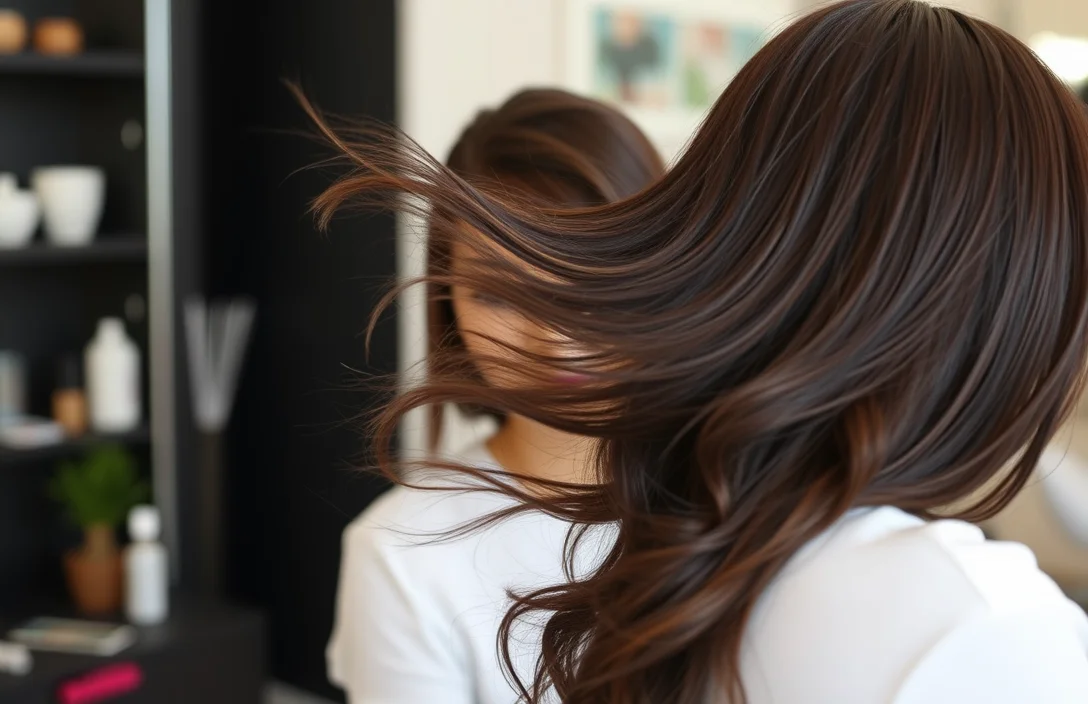
Is Hair Rebonding Safe? Understanding Its Effects on Hair Health
Research shows that nearly 80% of women who undergo hair rebonding experience some form of damage, including dryness and breakage. This statistic raises concerns about the long-term safety of the treatment and its impact on hair health. Understanding the risks is essential for informed decision-making.
Hair rebonding can cause damage due to harsh chemicals. Proper aftercare is crucial to minimize adverse effects. Consultation with a professional is recommended before proceeding. Regular maintenance can help maintain hair health post-treatment.
Chemical Ingredients in Rebonding
Rebonding treatments primarily use strong chemicals, including formaldehyde and ammonium thioglycolate. These substances break down the hair’s natural structure to achieve a straighter appearance. While effective, they pose potential health risks, including respiratory issues and skin irritation, particularly for sensitive individuals.
Formaldehyde serves as a key ingredient for its ability to alter the hair’s bonds. While it ensures long-lasting results, prolonged exposure can lead to adverse effects, raising concerns about its safety in hair treatments. Many professionals advise caution and recommend choosing formaldehyde-free options when possible.
Ammonium thioglycolate acts as a reducing agent, allowing hair to be reshaped. While this compound is less irritating than formaldehyde, it still has potential side effects, including dryness and brittleness. Proper aftercare is essential to mitigate these effects and maintain healthy hair.
Hydrolyzed proteins are often included to help restore some moisture and strength to the hair post-treatment. While these proteins can provide some benefits, they do not completely counteract the damage caused by stronger chemicals. Regular conditioning treatments are advisable to maintain hair health.
Impact on Hair Structure
Rebonding significantly alters hair’s natural structure. This chemical process breaks down the bonds in hair strands, allowing them to be reshaped. As a result, many individuals experience smoother, straighter hair. However, this alteration can lead to changes in texture, making hair less resilient over time.
- Hydrogen bonds within hair are disrupted. These bonds are crucial for maintaining the hair’s natural curl pattern. By breaking them, rebonding modifies how hair behaves and responds to styling.
- Cysteine bonds are also affected. These sulfur-based bonds provide strength and elasticity. Rebonding can weaken these bonds, potentially leading to brittleness or breakage.
- Hair cuticles are forced to lay flat. This smooths the surface, giving hair a glossy appearance. While visually appealing, this can also reduce volume and body.
- Moisture retention changes occur. The rebonding process can cause hair to become drier, as the cuticle’s protective layer is compromised. Hydration becomes essential to maintain hair health post-treatment.
- Long-term effects may vary. Regular rebonding can lead to cumulative damage, impacting overall hair health. Individuals should monitor their hair’s condition and seek professional advice if changes become noticeable.
Potential Side Effects
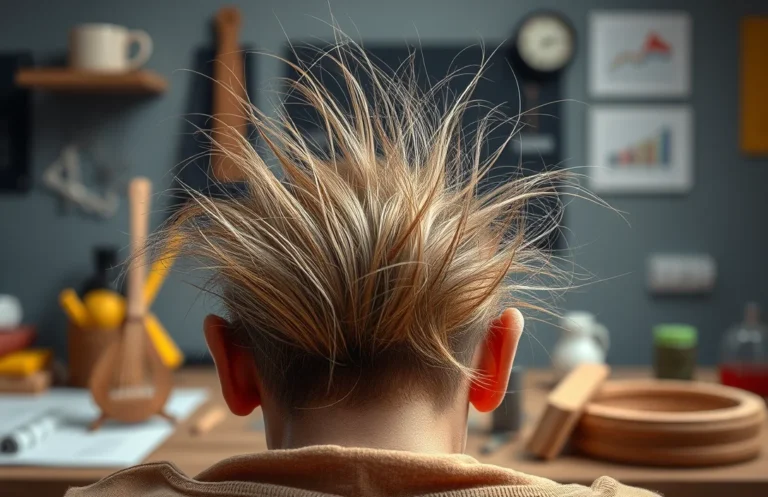
Hair rebonding can lead to several side effects that may affect your hair’s health. Common issues include dryness, brittleness, and breakage. Chemical treatments weaken hair structure, making it more susceptible to damage. Consumers should be aware of these risks before proceeding with the process.
Increased frizz often occurs post-rebonding, as the hair may react to environmental factors differently. Humidity can exacerbate this condition, leading to a less polished appearance. Regular maintenance and appropriate products can mitigate these effects.
Allergic reactions might arise from the chemicals used in the rebonding process. Symptoms can include itching, redness, or swelling on the scalp. A patch test prior to treatment can help identify potential sensitivities and minimize adverse reactions.
Hair loss is a serious concern linked to excessive or improper rebonding. Over-processing hair can weaken follicles, resulting in thinning or shedding. Consulting a professional stylist for proper techniques and products is essential for minimizing this risk.
Scalp irritation is another potential side effect. Chemical solutions can lead to burns or inflammation if not applied correctly. Ensuring that trained professionals perform the procedure helps reduce this risk significantly.
Aftercare for Healthy Hair
Maintaining rebonded hair requires specific care to ensure its health and longevity. Proper aftercare safeguards your hair from damage and keeps it looking vibrant. Follow these practical tips to nurture your rebonded locks effectively.
- Use sulfate-free shampoos regularly. Sulfates can strip natural oils, leading to dryness. Opt for gentle cleansers specifically formulated for chemically treated hair.
- Condition deeply and frequently. Deep conditioners restore moisture lost during the rebonding process. Apply a moisturizing treatment once a week for optimal results.
- Avoid heat styling tools whenever possible. Excessive use can exacerbate damage. If necessary, apply a heat protectant before styling to shield your hair.
- Limit exposure to chlorine and saltwater. Both can weaken the hair structure. If swimming, wear a swim cap or rinse your hair immediately afterward.
- Trim regularly to remove split ends. Schedule haircuts every 6 to 8 weeks to maintain your hairstyle and prevent further damage from occurring.
Committing to these aftercare steps ensures your hair remains healthy following rebonding. With consistent care, you can enjoy the beautiful results of your treatment while minimizing potential risks.
Professional vs. DIY Rebonding
Professional treatments generally ensure safety. Experts use high-quality products and have extensive training, reducing the chances of hair damage. They assess individual hair conditions before recommending specific techniques, ensuring a tailored approach. Conversely, DIY methods often lack these personalized considerations, which can lead to disastrous outcomes if not executed correctly.
Safety standards differ significantly between professionals and DIY enthusiasts. Professionals adhere to industry regulations, using approved products and equipment. DIY kits may not meet these standards, resulting in adverse effects on hair health. This discrepancy highlights the importance of choosing experienced stylists over at-home attempts.
Quality also varies widely. Professional hairstylists typically utilize premium formulations that minimize damage. In contrast, DIY products may contain harsher chemicals that can weaken hair structure. Evaluating product ingredients is crucial for anyone considering hair rebonding, as the right choice can influence overall outcomes.
| Aspect | Professional Rebonding | DIY Rebonding |
| Safety Standards | High; regulated products | Variable; unregulated kits |
| Expertise | Trained professionals | Self-taught or inexperienced |
| Product Quality | Premium formulations | Often lower quality |
Long-term effects emerge from these choices. Relying on professionals generally leads to healthier, more resilient hair, while DIY attempts may result in damage that could be costly to repair. Investing in professional services often proves beneficial for hair health.
Long-term Effects on Hair
Repeated hair rebonding can significantly weaken strands over time. Each session strips natural moisture and alters the hair’s structural integrity. As a result, ongoing treatments may lead to excessive dryness and brittleness, contributing to breakage. Understanding this risk is crucial for anyone considering regular sessions.
Long-term exposure to chemicals can result in scalp sensitivity. Frequent use of harsh solutions may irritate the scalp, leading to discomfort or allergic reactions. Individuals must proactively monitor any changes in their scalp condition following treatments to prevent complications.
Increased porosity often develops due to continual rebonding. Hair that absorbs moisture easily may seem shiny initially but can become prone to frizz and tangles. Maintaining proper hydration becomes essential to combat this issue and keep hair manageable.
Shiny appearances can mask underlying damage. While rebonding offers a sleek look, the long-term effects may include structural damage that isn’t immediately visible. Regular trimming and deep conditioning treatments can help mitigate these hidden issues.
Consulting with professionals regularly is vital. Periodic assessments can help determine if hair remains healthy enough for additional treatments. Seeking expert advice after several sessions ensures informed decisions about future hair care strategies.
Alternatives to Hair Rebonding
Seeking healthier options for straight hair? Consider using heat styling tools such as flat irons or blow dryers with a round brush. These methods allow you to achieve sleekness without subjecting your hair to harsh chemicals. Always use a heat protectant spray to minimize damage from high temperatures.
Natural treatments can also serve as effective alternatives. Keratin masks or smoothing serums provide temporary straightening effects while nourishing the hair. Ingredients like argan oil and coconut oil help to hydrate and add shine, making hair appear smoother and more manageable.
Embracing your natural texture is another option. Many people find that enhancing curls with curl creams or leave-in conditioners leads to healthier hair overall. Reducing reliance on chemical treatments can improve hair strength and vitality over time.
Regular trims contribute significantly to the health of your hair. Cutting split ends prevents further damage and keeps hair looking fresh and vibrant. Pairing trims with moisturizing treatments can enhance the natural look without the need for rebonding.
Ultimately, exploring these alternatives allows you to maintain beautiful hair while avoiding the potential hazards associated with chemical straightening. Prioritizing hair health leads to long-lasting beauty and confidence.
Quick Summary
- Hair rebonding uses chemical treatments to straighten hair, which can lead to damage if not done correctly.
- It is essential to choose a reputable salon and experienced stylist to minimize risks.
- Post-treatment care, including the use of sulfate-free shampoos and deep conditioning, is crucial for maintaining hair health.
- Individuals with pre-existing hair damage or certain scalp conditions should avoid this treatment.
- Regular touch-ups may be required to maintain results, which can further expose hair to chemicals.
- Consultation with a hair care professional can help assess if rebonding is suitable for your hair type.
- Consider alternative treatments, such as keratin treatments, which may be less damaging to hair.
Frequently Asked Questions
Is hair rebonding safe for hair?
Hair rebonding can be safe if done properly and by a professional. However, it involves the use of chemical treatments that can potentially damage hair if misapplied or if the hair is already compromised.
How often can I safely get my hair rebonded?
It is generally recommended to wait at least 6 to 12 months between rebonding treatments. This allows your hair to recover and minimizes the risk of excessive damage from repeated chemical exposure.
What should I do to prepare my hair for rebonding?
Before rebonding, ensure your hair is healthy and well-moisturized. Consider getting a trim to remove split ends and consult with your stylist about any pre-treatment care to optimize results.
Are there any side effects of hair rebonding?
Possible side effects of hair rebonding include dryness, breakage, and scalp irritation. It’s essential to follow aftercare instructions and use suitable products to maintain hair health post-treatment.
Can I color my hair after rebonding?
It is advisable to wait at least two weeks after rebonding before coloring your hair. This gives the hair time to recover from the chemical process and helps prevent further damage.