Unraveling the Elegance: Discovering Names of Traditional Chinese H…
Over 2,000 years, traditional Chinese hairstyles have evolved, showcasing cultural significance and social status. Each style reflects historical periods, regional variations, and personal identity, making them a fascinating subject for anyone interested in the rich tapestry of Chinese history.
Styles include Qipao, Guo Feng, and Shu Shou, each symbolizing different eras and traditions. Understanding these hairstyles provides insight into cultural practices and social hierarchies within Chinese society.
History of Chinese Hairstyles
Chinese hairstyles date back thousands of years, reflecting cultural evolution and societal norms. These hairdos not only serve aesthetic purposes but also signify social status, profession, and age. Traditional Chinese hairstyles encompass a variety of styles, each with specific names and meanings, rooted in historical significance and customs.
Influence from dynasties shaped many traditional hairstyles. For instance, during the Han dynasty, men often wore topknots, while women adorned their hair with elaborate ornaments. These styles were indicative of the era’s values and aesthetics, often changing with each ruling dynasty. The Qing dynasty introduced the iconic queue hairstyle, which symbolized loyalty to the state.
Regional variations also play a crucial role in the diversity of traditional hairstyles. Different provinces showcased unique styles influenced by local customs and available resources. For example, some areas favored intricate braids, while others preferred simple, elegant updos. This regional diversity highlights the rich cultural tapestry of China.
Preservation of these hairstyles continues in modern times through festivals and performances. Many traditional hairdos are still practiced during cultural events, allowing younger generations to connect with their heritage. Understanding the historical context behind these styles enriches the appreciation of their significance in Chinese culture.
Types of Traditional Hairdos
Traditional Chinese hairstyles showcase elegance and cultural significance. Various styles reflect historical periods, social status, and personal identity. Recognizing these names allows for a deeper appreciation of their artistry and history. Familiarizing oneself with the most common traditional hairdos is crucial for understanding their place in Chinese culture.
Popular styles include the “Guan” or topknot, often worn by men, symbolizing authority and wisdom. Women frequently opt for the “Ji” hairstyle, characterized by intricate twists and braids. These styles often incorporate decorative elements like flowers or ribbons, enhancing their beauty and cultural meaning.
Another notable style is the “Waves” hairstyle, which features flowing curls and is associated with elegance and femininity. This look is popular among women during special occasions, highlighting grace and charm. Variations exist, depending on the region and the specific era of Chinese history.
Special occasions often call for elaborate hairstyles like the “Xiang” style, which involves intricate arrangements and accessories. These hairstyles demonstrate craftsmanship and artistry, making them a significant aspect of traditional celebrations. Understanding these names and styles enriches the appreciation of Chinese cultural heritage.
Materials Used in Hairstyles
Traditional Chinese hairstyles often incorporate various materials that enhance their beauty and functionality. Commonly used elements include silk, gold, silver, and jade. These materials not only add elegance but also reflect the cultural significance behind each hairstyle. For instance, silk ribbons are frequently intertwined with hair to create intricate designs while showcasing the luxurious nature of Chinese fashion.
Natural products like flowers and herbs frequently play a role in hairstyles. Fresh flowers such as peonies or chrysanthemums are often used as adornments, symbolizing beauty and purity. Additionally, fragrant herbs may be woven into the hair, enhancing both aesthetics and aroma. These organic materials connect the hairstyle to nature, emphasizing harmony and grace.
Hairpins and decorative combs also hold significant importance. Crafted from materials like wood, metal, or bone, they often feature intricate carvings or inlays. These accessories serve both practical and decorative purposes, securing hairstyles while adding a touch of artistry. When selecting these adornments, consider their cultural symbolism and aesthetic appeal to complement the overall hairstyle.
Finally, modern interpretations sometimes incorporate additional elements like beads, ribbons, and synthetic materials. While traditional styles emphasize historical significance, contemporary adaptations may blend old and new techniques. This evolution allows for personal expression while maintaining roots in cultural heritage.
Symbolism of Hairstyles
Hairstyles in Chinese culture serve deep symbolic meanings, often reflecting social status, gender, and cultural identity. For instance, certain styles are associated with nobility while others represent commoners. These distinctions play a crucial role in understanding social hierarchies throughout Chinese history.
Traditionally, elaborate hairstyles often indicated a woman’s marital status. Unmarried women typically wore their hair in a simpler fashion, while married women donned more intricate designs. Accessories like hairpins or flowers further signified their relationship status and personal style.
Color choices also carry symbolism. Natural shades were common, but vibrant colors could denote specific messages, such as joy or celebration. In many cases, hairstyles change with the seasons or during festivals, reflecting the cyclical nature of life and cultural traditions.
Age plays a significant role as well. Elderly individuals often sported more conservative styles, symbolizing wisdom and respect. In contrast, younger generations might adopt modern interpretations of traditional hairstyles, blending heritage with contemporary fashion.
Ultimately, understanding these symbols enhances appreciation for traditional Chinese hairstyles, revealing their intricate connection to cultural identity and societal roles. Recognizing these elements enriches one’s exploration of this fascinating subject.
Regional Variations in Styles
Regional differences significantly influence traditional Chinese hairstyles. Distinct areas reflect unique cultural practices, materials, and aesthetic preferences. For instance, northern styles often incorporate elaborate braiding techniques, while southern regions may prefer simpler, yet elegant arrangements. Understanding these variations provides insight into local customs and historical influences.
Hairpins, combs, and accessories vary across regions, showcasing local artistry. In some areas, ornate gold hairpins signify status, whereas simpler wooden designs may reflect a more modest lifestyle. These accessories not only enhance the hairstyle but also convey messages about the wearer’s background and societal role.
Regional festivals often dictate variations in hairstyles as well. Celebratory events might encourage intricate designs adorned with flowers, ribbons, or other decorative elements. Seasonal changes also lead to adaptations, with lighter hairstyles favored in warmer months and more layered, protective styles in colder weather.
Local legends and folklore can shape hairstyle choices. Certain hairstyles may represent mythical figures or historical events, creating a deeper connection to culture and heritage. Exploring these narratives enriches the appreciation of traditional hairstyles beyond mere aesthetics.
Influence of Dynasties on Hair
Dynastic changes significantly shaped traditional hairstyles in China. Each ruling dynasty introduced distinct aesthetics influenced by cultural practices, social hierarchies, and political climates. For instance, the Han Dynasty favored elegant, intricate styles, while the Tang Dynasty embraced flamboyant and diverse designs that showcased wealth and status.
Regional distinctions emerged as hairstyles adopted local characteristics. During the Ming Dynasty, styles became more standardized, reflecting strict social orders. By contrast, the Qing Dynasty saw a resurgence in the use of the queue, a hairstyle symbolizing loyalty to the ruling power. Such variations underscore how hairstyles served as cultural markers throughout different periods.
Symbolism plays a crucial role in these hairstyles. Certain styles represented marital status, age, and social standing. For instance, young unmarried women often wore their hair in two loops, while married women typically opted for more conservative styles. Understanding these nuances reveals deeper insights into societal norms and values over time.
Cultural exchanges, especially during trade and diplomacy, influenced hairstyling practices. Interaction with neighboring cultures introduced new techniques and aesthetics, enriching the traditional styles. The evolution of hairstyles in China thus mirrors broader historical narratives, reflecting shifts in identity and social structure through the ages.
Modern Adaptations of Styles
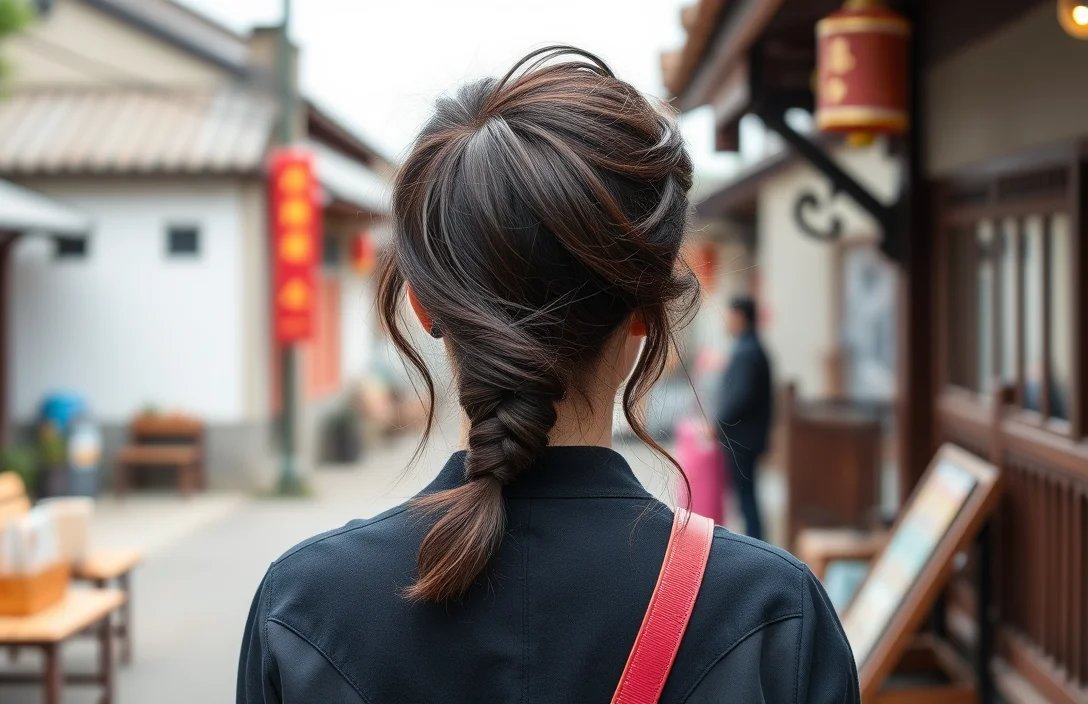
Modern interpretations of traditional hairstyles often blend classic elements with contemporary aesthetics. Styles like the “Double Bun” and “Braided Ponytail” showcase how ancient techniques can be reimagined for today’s fashion. Utilizing colorful hair accessories and innovative hair products, these adaptations maintain cultural significance while appealing to a broader audience.
Artists and hairstylists continuously experiment with traditional Chinese hairstyles, integrating modern materials and styling techniques. Incorporating hair extensions, vibrant dyes, and intricate hairpins can create unique variations that resonate with younger generations. These innovations help keep traditional styles relevant in modern culture.
Fashion shows and cultural events frequently highlight these modern adaptations, showcasing how they can be worn in various settings. Creating looks that celebrate heritage while incorporating modern flair allows individuals to connect with their roots. This blend of old and new highlights the versatility and enduring appeal of traditional hairstyles.
Social media platforms also play a crucial role in popularizing these hairstyles. Influencers and content creators often share tutorials and styling tips, making traditional techniques accessible to a global audience. As these styles gain popularity, they inspire further exploration and innovation within the realm of hairstyling.
Quick Summary
- Traditional Chinese hairstyles are known for their intricate designs and cultural significance.
- Common styles include the “ji” (髻), which is a topknot, and the “shuang shen” (双扇), resembling a pair of wings.
- Hairstyles often indicate social status, age, and marital status.
- Materials used in traditional hairstyles can include flowers, hairpins, and silk ribbons.
- Different dynasties influenced the evolution of hairstyles, leading to a rich diversity.
- Hair ornaments play a crucial role in enhancing the overall look and are often symbolic.
- Today, traditional hairstyles are still celebrated during festivals and cultural events.
Frequently Asked Questions
What are some common traditional Chinese hairstyles?
Traditional Chinese hairstyles include styles such as the “Ji” (a topknot), “Chignon,” and “Bun” which are often adorned with decorative hairpins and flowers. Each style can signify different social status, age, or occasion.
What materials are traditionally used for hair accessories in Chinese hairstyles?
Traditional hair accessories often include materials like gold, silver, jade, and silk. These materials not only enhance the beauty of the hairstyle but also reflect cultural significance and status.
How do traditional hairstyles differ between regions in China?
Different regions in China have unique styles that often reflect local customs and traditions. For instance, hairstyles in the Han region may differ significantly from those in ethnic minority areas, highlighting the diversity of Chinese culture.
Are traditional Chinese hairstyles still popular today?
While modern hairstyles are more common today, traditional Chinese hairstyles are still popular during cultural events, festivals, and weddings. Many people also enjoy practicing these styles for their historical and aesthetic value.
How can I learn to style traditional Chinese hairstyles?
Learning traditional Chinese hairstyles can be done through tutorials available online, workshops, or by following professional hairstylists who specialize in these styles. Practicing with friends or at cultural events can also provide hands-on experience.

- 10 Best Hair Oil For Psoriasis Scalp Buyer Guide 2026 - October 27, 2026
- 10 Best Hair Oil For Postpartum Hair Loss Buyer Guide 2026 - October 26, 2026
- 10 Best Hair Oil For Premature Greying Buyer Guide 2026 - October 26, 2026