
Unlocking the Secrets of Hairstyles: Discover Your Perfect Look
Research shows that over 70% of individuals express dissatisfaction with their current hairstyle, indicating a widespread desire for change. Understanding the nuances of different hairstyles can empower you to discover what suits your face shape and personal style, leading to greater confidence and satisfaction.
Identifying popular hairstyles involves recognizing face shapes, assessing hair texture, and considering maintenance levels. Key styles range from long layers to bobs, and each can enhance your unique features when chosen wisely.
Popular Types of Hairstyles
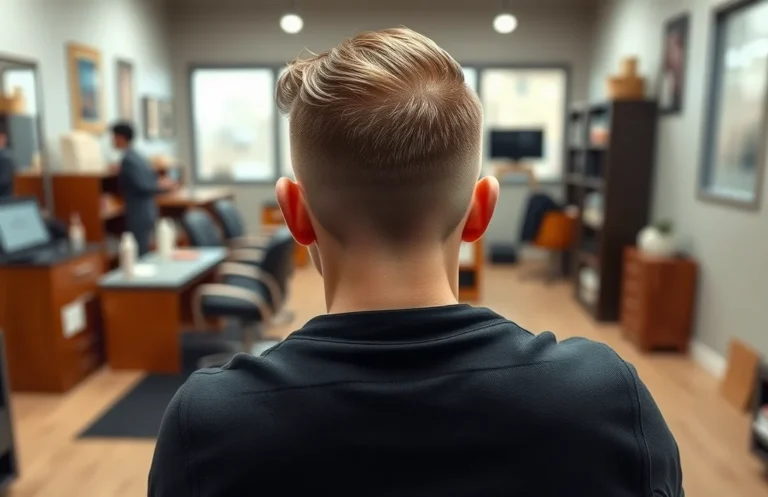
Short styles include pixie cuts and bobs, which are timeless and versatile. These haircuts can suit various face shapes and hair textures, making them popular choices for many. Maintenance is generally straightforward, allowing for easy styling in daily routines.
Medium lengths often feature layered hairstyles and lobs. These options provide more styling versatility; they can be worn straight, wavy, or curly. Medium-length hairstyles also offer a balance between ease of maintenance and styling possibilities.
Long hairstyles typically encompass straight, wavy, and curly looks. Long hair allows for intricate styles such as braids, buns, or ponytails, catering to different occasions. Choosing the right length can enhance facial features and complement personal style.
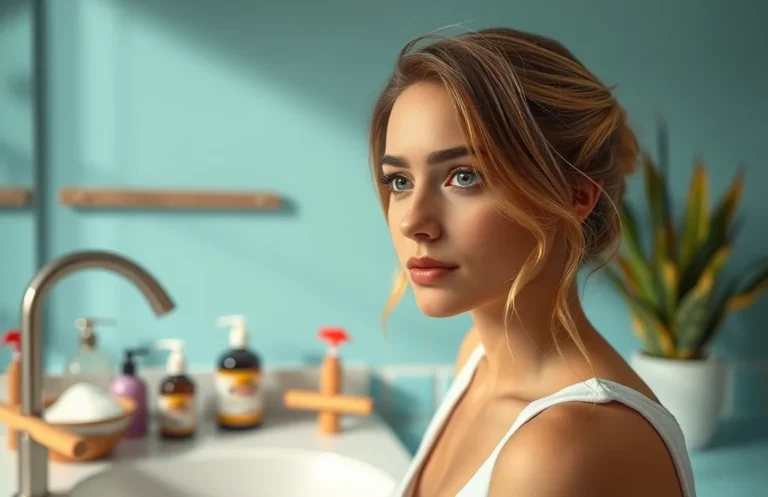
Updos are elegant and perfect for formal events. Styles range from sleek chignons to messy buns, enabling creativity and sophistication. Updos can be customized with accessories or braids, elevating the overall look for any special occasion.
Texture plays a significant role in hairstyle selection. Curly, straight, or wavy textures offer unique styling opportunities. Using the right products can enhance and define these textures, leading to a polished appearance that showcases individual personality.
Identifying Hairstyles Through Images
Analyzing hair texture provides critical insight. Different hairstyles suit various textures, such as straight, wavy, curly, or coily. Observe how the hair falls and behaves in the image. For instance, straight hair often looks sleek, while wavy hair has more volume and movement. Identifying these traits can help narrow down the hairstyle category.
A visual comparison can be valuable. Look for images of similar hairstyles on social media or hairstyle databases. By comparing features like length, layers, and bangs, you’ll notice subtle differences. This process can help you determine what hairstyle is present in the image you’re examining.
Utilizing hairstyle apps simplifies identification. Many applications allow users to upload images and suggest similar hairstyles based on uploaded photos. Using these digital tools can save time and enhance accuracy when figuring out a specific look. Explore various apps to find one that meets your needs.
Consulting with professionals brings expert insights. Hairdressers can recognize styles based on their training and experience. If you’re unsure about a hairstyle, consider asking a stylist for advice. Their knowledge can clarify any uncertainties and provide personalized recommendations.
Celebrity Influences on Hairstyles
Celebrity hairstyles often dictate popular trends, shaping what many individuals desire for their own looks. Observing how stars change their styles can provide inspiration and guidance. Influencers, actors, and musicians frequently showcase unique cuts and colors, making them pivotal in hairstyle evolution.
- Icons like Jennifer Aniston popularized the “Rachel” cut, leading many to seek similar layered styles.
- Social media platforms amplify celebrity influence, with stars sharing their latest hairstyles, motivating fans to replicate those looks.
- Seasonal events, such as awards shows, become hotbeds for hairstyle trends as celebrities debut stunning new looks.
- Trending styles often reflect the personalities of celebrities, encouraging fans to adopt similar vibes through their hair.
- Collaborations with hair product brands create signature styles, impacting consumer choices and setting new trends.
Observing celebrities can simplify your hairstyle search, helping you identify what works for you. Keeping an eye on red carpet events and social media can provide valuable ideas for achieving your desired look.
Essential Hairstyle Terminology
Defining key hairstyle terminology aids in identifying various styles. Terms like “bob,” “pixie,” or “undercut” describe specific cuts, while “layers” and “bangs” refer to the detailing that enhances texture and shape. Understanding these terms equips you with the vocabulary to discuss or inquire about a particular hairstyle effectively.
Recognizing styles relies on specific characteristics. For instance, a “shag” haircut features uneven layers for a textured appearance, while “asymmetrical cuts” have one side longer than the other. Identifying these features helps in pinpointing what hairstyle is this and what suits your preferences.
Visual cues play a critical role in hairstyle identification. Observing the length, volume, and shape provides valuable insights. Short styles may appear sleek while longer ones might exhibit waves or curls. Noting these attributes assists in understanding what makes each hairstyle unique.
Describing styles involves considering the face shape and hair type. Certain hairstyles complement round faces better than square ones. Similarly, thick hair can carry weighty styles, while fine hair benefits from layered cuts. Tailoring your choice based on these factors ensures a flattering look.
Tools for Recognizing Hairstyles
Accessing effective resources can significantly enhance your ability to identify various hairstyles. Several apps and websites specialize in hairstyle recognition, making it easier for you to find the specific look you want. These tools often feature extensive galleries, tutorials, and interactive features that facilitate discovering styles suited to different hair types and face shapes.
Smartphone applications like Hair Color Changer or YouCam Makeup allow you to upload photos and visualize different hairstyles in real-time. These tools often include filters and adjustments, giving you flexibility in choosing the right look. Many users find these apps invaluable for experimenting with styles before making any commitments.
Online platforms like Pinterest and Instagram serve as excellent sources for hairstyle inspiration. Users can search for hashtags related to hairstyles, leading to a wide array of images and styles. Following hairstylists or beauty influencers on these platforms can also provide ongoing inspiration and fresh ideas.
Websites dedicated to hair trends offer tutorials and expert advice on achieving specific hairstyles. These resources often break down techniques step-by-step, making them accessible for anyone looking to replicate a look. Engaging with these sites can deepen your understanding of various hairstyles and how to achieve them.
DIY Guides for Popular Hairstyles
Recreating popular hairstyles at home requires clear steps. Follow these instructions carefully to achieve the desired look. Each step builds upon the previous one, ensuring a polished result. Pay attention to details, as they can make a significant difference in your final hairstyle.
- Gather necessary tools and products. Essential items include a comb, hair ties, styling gel, and hairspray. Ensure everything is within reach for a smooth process.
- Start by preparing your hair. Wash and dry thoroughly before styling. Use a heat protectant if applying heat, ensuring hair remains healthy.
- Section hair appropriately. Divide it into manageable parts using clips or ties. This tactic helps maintain organization during styling.
- Begin styling with your chosen technique. Whether curling, straightening, or braiding, follow your preferred method. Maintain consistent tension for uniform results.
- Secure the style in place. Use hair ties, clips, or bobby pins as needed to hold the shape. Adjust as necessary to maintain balance and symmetry.
- Finish with a setting spray. Lightly mist your hairstyle to keep it intact throughout the day. This final touch ensures longevity and polish.
Seasonal Trends in Hairstyling
Seasonal changes significantly influence hairstyle preferences. For instance, during spring, soft waves and pastels dominate, reflecting the blooming environment. Summer brings beachy textures and light, airy styles that can handle heat and humidity. Autumn introduces richer colors and layered cuts, while winter often sees sleeker styles and updos to complement colder weather and festive occasions.
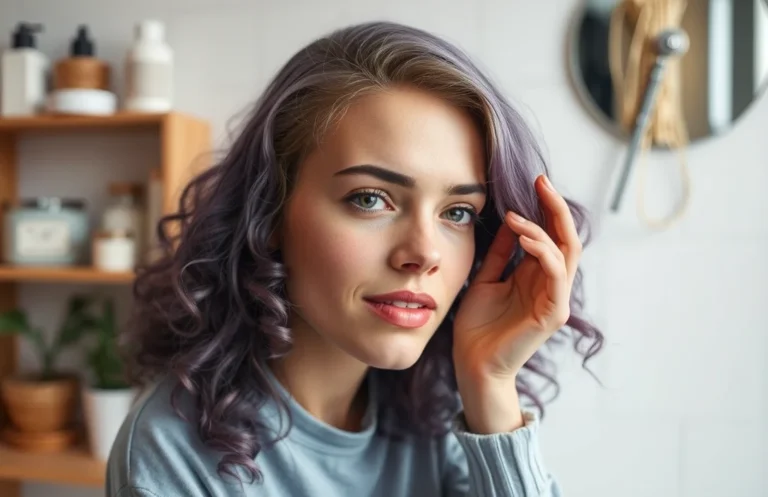
Springtime hairstyles often embrace natural textures. Loose curls or beachy waves, paired with floral accessories, create a fresh look. Bold colors, such as lavender or soft pink, can add a vibrant touch that complements the season’s lightness and rejuvenation.
Summer hairstyles prioritize practicality and ease. Braids, messy buns, and ponytails keep hair off the face while remaining stylish. Bright highlights or sun-kissed tips enhance the carefree vibe, making it an ideal time for experimenting with fun, temporary colors.
Autumn tends to focus on warmth in both color and style. Rich browns, deep reds, and golden blondes reflect the changing leaves. Layered cuts allow for versatility, enabling different styling options that adapt to cooler temperatures.
Winter hairstyles often center around elegance and sophistication. Sleek ponytails, sophisticated updos, and smooth bobs are popular for holiday parties. Darker shades and deep conditioning treatments also help maintain hair health during the dry winter months.
Quick Summary
- Understanding different hairstyles is essential for personal grooming and styling.
- There are various methods to identify a hairstyle, including visual guides and hair type considerations.
- Common hairstyle categories include long, short, curly, straight, and updos.
- Hairstyles can be influenced by cultural trends and personal preferences.
- Tools and products play a significant role in achieving and maintaining a specific hairstyle.
- Consulting with a hairstylist can provide personalized recommendations based on face shape and hair texture.
- Social media platforms often showcase trending hairstyles, making them a valuable resource for inspiration.
Frequently Asked Questions
What is the name of this hairstyle?
The name of a hairstyle can vary based on its specific features and cultural influences. To identify it accurately, you can describe its characteristics or compare it to popular styles like a bob, pixie, or updo.
What tools do I need to recreate this hairstyle?
To recreate a specific hairstyle, common tools include a hairdryer, curling iron, straightener, and various hair products like hairspray or mousse. The exact tools will depend on the style you’re trying to achieve.
Is this hairstyle suitable for all hair types?
Not all hairstyles work for every hair type. Factors such as hair texture, length, and thickness can affect how a style looks and holds, so it’s important to choose a hairstyle that complements your unique hair characteristics.
How can I maintain this hairstyle throughout the day?
To maintain a hairstyle, use quality styling products like hairspray or pomade to help keep everything in place. Additionally, carrying a few bobby pins or a small comb can help you make quick adjustments as needed.
Where can I find tutorials for this hairstyle?
Tutorials for various hairstyles can be found on platforms like YouTube, Instagram, or beauty blogs. Many professional hairstylists and beauty influencers share step-by-step guides that can help you recreate the look at home.

- 10 Best Hair Oil For Postpartum Hair Loss Buyer Guide 2026 - October 26, 2026
- 10 Best Hair Oil For Premature Greying Buyer Guide 2026 - October 26, 2026
- 10 Best Hair Oil For Overall Hair Health Buyer Guide 2026 - October 26, 2026