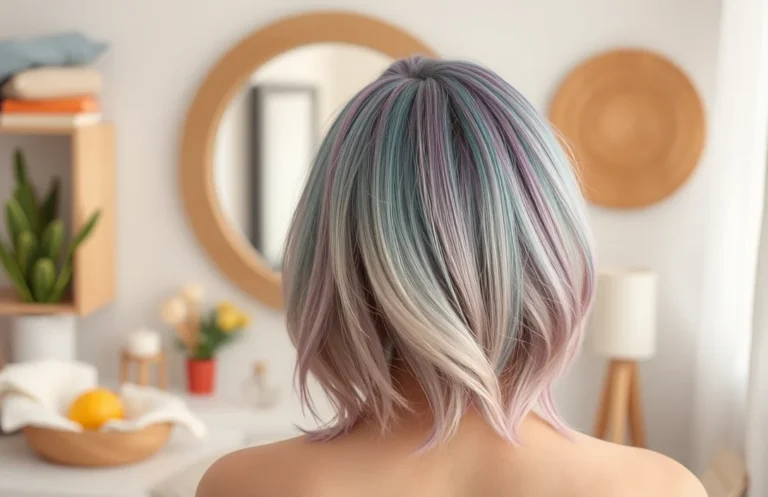

Find Your Perfect Look: Hairstyles That Flatter Every Face Shape
Seventy percent of people choose the wrong hairstyle for their face shape, leading to dissatisfaction. Finding the perfect hairstyle can enhance your features, boost confidence, and reflect your personality. The right choice can transform your look significantly, influencing how others perceive you.
Identifying your ideal hairstyle involves considering face shape, hair texture, and lifestyle. Assess these factors to discover styles that highlight your best features and suit your daily routine. Consulting with a stylist can also provide personalized recommendations tailored to your unique characteristics.
Analyzing Your Face Shape
Identifying your face shape is crucial for selecting flattering hairstyles. Different shapes, such as oval, round, square, heart, and long, each have unique characteristics that influence what styles will look best. Assessing the contours of your face allows for tailored choices, ensuring the hairstyle enhances your natural features.
- Measure the width of your forehead. This helps determine if your face is wider at the top, indicating a heart or oval shape.
- Evaluate the width of your cheekbones. Wider cheekbones often suggest a round or square face, while narrower ones indicate an oval shape.
- Assess the jawline’s width. A strong, angular jawline points to a square face, whereas a softer jawline aligns with oval or round shapes.
- Measure the length of your face. Longer faces typically require different styles compared to shorter, rounder faces.
- Analyze your overall proportions. Recognizing the balance between forehead, cheekbones, and jawline will refine your hairstyle options.
Matching your hairstyle to your face shape enhances your overall appearance. Styles that contrast your natural shape can create visual balance, making this step vital for achieving the best look.
Considering Your Hair Texture
Identifying your hair texture significantly influences hairstyle choices. Different textures—from straight and wavy to curly and coily—react differently to styling techniques and products. Tailoring hairstyles to suit your specific texture ensures a flattering look that enhances your natural beauty.
- Straight hair benefits from sleek, long styles. Consider layers to add movement and dimension. Simple cuts like blunt bobs can also emphasize shine and health.
- Wavy textures thrive with medium-length styles. Textured lobs or shoulder-length cuts accentuate natural waves while maintaining manageability. Adding soft layers enhances volume and bounce.
- Curly hair shines with defined cuts. Opt for layered styles that enhance curls without adding bulk. Long, curly looks can showcase your texture beautifully, while medium cuts offer versatility.
- Coily hair requires careful shaping. Embrace short, structured styles like tapered cuts or afros that highlight your unique curl pattern. These styles can define and celebrate coily textures effectively.
- Fine hair enjoys volume-boosting techniques. Hairstyles like pixie cuts or layered bob styles can create the illusion of fullness. Texturizing products can also help achieve a thicker appearance.
Identifying Personal Style Preferences
Identifying your unique style significantly influences hairstyle decisions. Focus on how you express yourself through fashion and accessories. Personal style encompasses various elements, including your favorite colors, clothing silhouettes, and even preferred brands. Reflecting on these aspects can guide you toward hairstyles that harmonize with your overall look.
- Assess the types of clothing you wear most often, whether casual, business, or trendy. Each style may pair better with particular hairstyles, such as sleek ponytails for professional attire or loose waves for casual outfits.
- Consider your favorite colors and patterns. Hairstyles that complement your wardrobe color palette can create a cohesive appearance, enhancing your overall style.
- Evaluate your accessories, such as earrings, hats, or headbands. These elements can dictate hairstyle choices, as certain cuts and styles work better with specific accessories.
- Analyze the vibe you want to convey. A bold, edgy look may align with a choppy bob or vibrant colors, while a more classic approach could favor soft layers or elegant updos.
- Reflect on your comfort level with styling. Some hairstyles require more maintenance than others, and selecting one that fits your lifestyle ensures you feel confident and stylish daily.
Evaluating Lifestyle and Maintenance Needs
Assessing your daily routine directly impacts hairstyle choices. Consider how much time you can dedicate to styling each day. Busy schedules often necessitate low-maintenance hairstyles, while more flexibility allows for intricate looks. Understanding these factors will help determine what works best for you.
- Evaluate your daily schedule carefully. Identify time constraints that might affect your hairstyling routine. If mornings are rushed, opt for styles that require minimal effort.
- Consider your activity level regularly. Active lifestyles may benefit from shorter cuts or styles that can withstand physical exertion, such as ponytails or braids.
- Assess your commitment to maintenance. Some hairstyles require regular salon visits or daily styling, which might not fit every lifestyle. Choose options that align with your willingness to maintain them.
- Think about your professional environment. Certain workplaces have grooming standards that might limit your hairstyle choices. Select a look that is both stylish and appropriate for your career.
- Reflect on your personal interests. If you enjoy experimenting with hair, consider versatile styles that can be adapted easily for different occasions. This flexibility can enhance your overall appearance.
Selecting Color That Suits You
Hair color significantly influences your overall appearance. Selecting the right shade can enhance your features, while the wrong one may detract from them. Consider your skin tone, natural hair color, and eye color when determining which hues will complement you best.
- Identify your skin undertone. Cool undertones typically look great with ashy blondes, cool browns, or jewel tones. Warm undertones shine with golden blondes, rich browns, and earthy shades.
- Evaluate your natural hair color. If you’re considering a drastic change, think about how it will affect your overall aesthetic. Subtle highlights or lowlights can enhance your existing shade without overwhelming your look.
- Consider eye color compatibility. For instance, blue eyes may pop with shades of blonde or light caramel, while green or hazel eyes can be highlighted by warm reds or copper tones.
- Test different colors with temporary dyes. Before committing to a permanent change, try out various shades using wash-out dyes or colored shampoos to see how they complement your features.
- Seek professional advice. Consulting with a colorist can provide personalized recommendations based on your individual characteristics, ensuring you choose a color that truly flatters your face shape.
Choosing the Right Hair Length
Hair lengths significantly influence overall appearance, particularly in relation to face shape. Selecting the right length can enhance your features and create a harmonious look. Short, medium, and long styles each serve different purposes, so understanding how they interact with your face shape is essential.
- Short styles suit round faces, as they can elongate and provide structure. Pixie cuts or bob styles can enhance cheekbones, offering a chic and modern appearance.
- Medium lengths work well for oval faces, providing balance and versatility. Layers can be added to create movement, framing the face beautifully without overwhelming it.
- Long hair complements square faces, softening angular features. Waves or curls can introduce softness and femininity, while keeping the look polished and elegant.
- Textured cuts enhance heart-shaped faces, balancing wider foreheads with volume. Side-swept bangs or chin-length layers can draw attention to the jawline, creating an elongated appearance.
- Consulting a stylist can provide personalized recommendations based on individual hair texture and face shape. Professionals can guide you toward the most flattering lengths tailored specifically for you.
Incorporating Current Hair Trends
Styling with current hair trends can enhance any face shape significantly. Popular styles like curtain bangs, textured bobs, and layered cuts provide versatility while flattering different features. Embracing these trends helps individuals showcase their unique styles while remaining modern and chic.
Textured bobs suit square and round faces remarkably well, as they soften angles and add movement. Opt for a chin-length cut with a bit of wave or curl to create dimension. Styling with a side part can also help elongate rounder faces, adding balance and sophistication.
Curtain bangs remain a favorite for many face shapes. They frame the face beautifully, drawing attention to the eyes while softening the overall appearance. These bangs work particularly well with longer hairstyles, offering a romantic touch that can adapt across various styles.
Shag cuts have made a significant comeback. This layered hairstyle adds volume and texture, making it an excellent choice for those with fine hair. Shags can flatter oval and heart-shaped faces, as their layers bring out the best features, creating a fresh, effortless look.
Ultimately, blending personal style with current trends ensures a hairstyle that feels authentic. Experimenting with these popular looks can lead to discovering what hairstyle would look good on you while keeping your appearance fresh and modern.
Quick Summary
- Face shape plays a crucial role in determining the best hairstyle.
- Consider your hair texture (straight, wavy, curly) when choosing a style.
- Hair length can influence the overall look; shorter styles may suit some face shapes better.
- Consult with a hairstylist for personalized recommendations based on your features.
- Use virtual hairstyle apps to visualize different looks before making a decision.
- Take into account your lifestyle and maintenance preferences for convenience.
- Don’t be afraid to experiment, as hair can grow back and styles can change!
Frequently Asked Questions
What factors should I consider when choosing a hairstyle?
When choosing a hairstyle, consider your face shape, hair texture, and lifestyle. Different styles complement different facial features, and your hair’s natural texture can affect how certain cuts and styles will look.
How can I determine my face shape?
You can determine your face shape by measuring the width of your forehead, cheekbones, and jawline, as well as the length of your face. Common shapes include oval, round, square, heart, and long; each shape has styles that typically enhance its features.
What hairstyles are best for thin hair?
For thin hair, hairstyles that add volume and texture are ideal. Consider layers, bobs, or curls, as these can create the illusion of fullness and movement.
Are there hairstyles that suit all face shapes?
While some hairstyles are more universally flattering, it’s best to tailor your choice to your specific face shape. Medium-length cuts with soft layers or bangs can often work well for a variety of shapes.
How can I find a hairstyle that fits my personality?
To find a hairstyle that fits your personality, consider your lifestyle and personal style. Think about whether you prefer a low-maintenance look or enjoy experimenting with bold styles, and choose a hairstyle that reflects who you are.

- Pre-Poo Treatments for Low Porosity Hair: 7 Essential Steps - September 20, 2026
- What To Avoid After Prp Hair Treatment? - August 28, 2026
- What Is The Malibu Treatment For Hair? - August 27, 2026