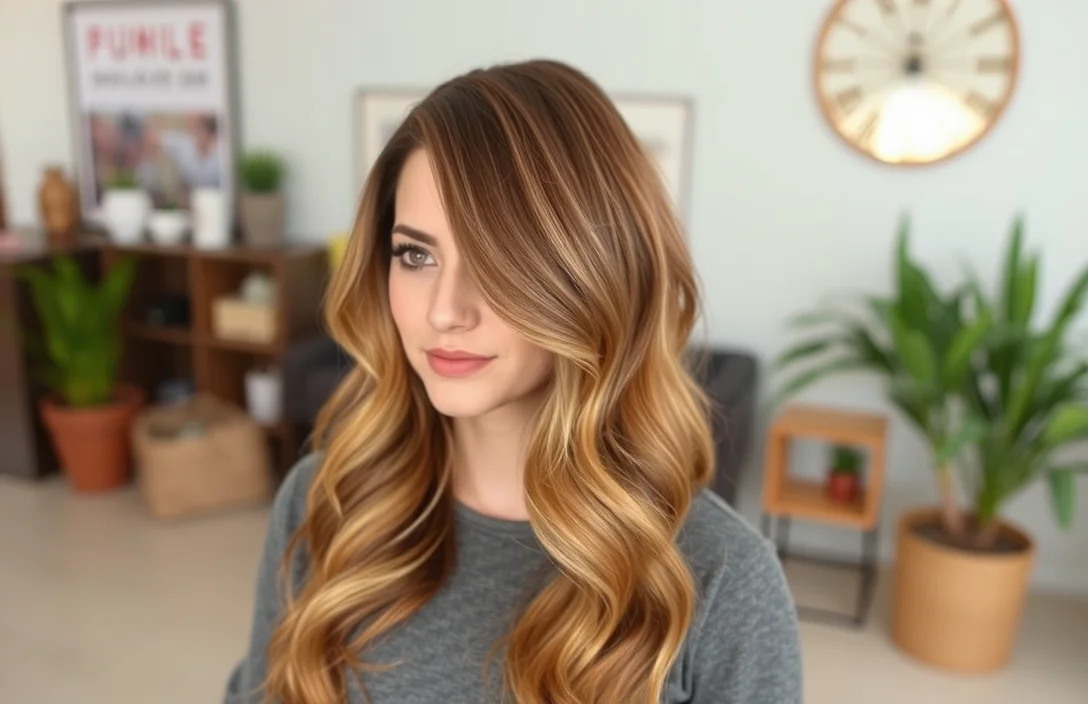
Balayage Unveiled: The Art of Effortless Hair Color Mastery
Balayage has surged in popularity, with over 60% of salon clients opting for this hair coloring technique in recent years. This freehand method creates a natural, sun-kissed look that is both low-maintenance and stylish, appealing to a wide range of hair types and colors.
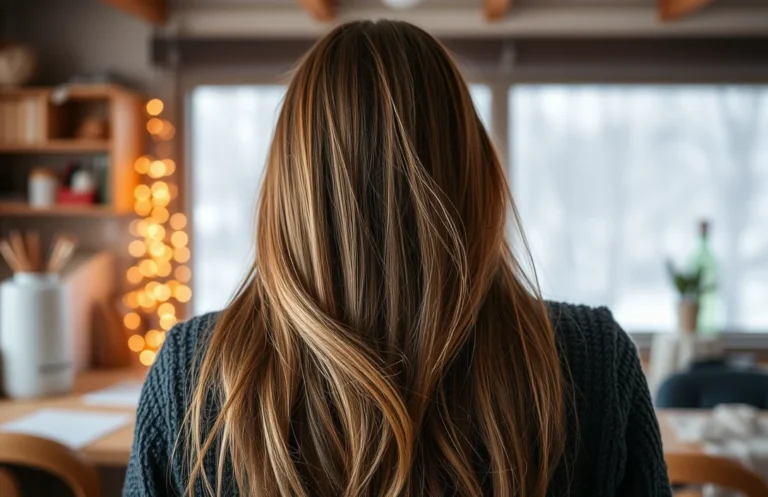
Balayage involves hand-painted highlights, resulting in soft transitions and dimension. Unlike traditional foiling, it allows for customization based on your hair’s natural flow, making it a versatile choice for anyone seeking a fresh, modern hairstyle.
Balayage Technique Overview
Balayage offers a unique hair coloring method that creates a natural, sun-kissed appearance. Artists apply color freehand, targeting mid-lengths and ends rather than roots. This technique allows for seamless blending and a softer regrowth line, making it an attractive choice for those seeking low-maintenance hair color. Clients appreciate its versatility and can customize shades to enhance their individual style.
Color placement plays a crucial role in achieving the desired look. Stylists typically focus on the face-framing pieces to create dimension and brightness. Balayage can be adapted for various hair types and lengths, ensuring a tailored result. Additionally, the gradual transition between colors adds depth and movement, enhancing the overall aesthetic.
Maintenance is relatively minimal compared to traditional highlights. Clients can enjoy longer intervals between salon visits, as the color grows out naturally. Regular conditioning treatments help maintain hair health, ensuring the vibrant color remains fresh. Overall, balayage stands out for its artistic approach, offering a personalized and effortlessly chic result.
Differences Between Balayage and Ombre
Balayage emphasizes a natural, sun-kissed look achieved through hand-painted color techniques. In contrast, ombre features a more dramatic gradient, transitioning from dark to light shades. This stark difference in application results in unique visual effects, appealing to different style preferences. Balayage allows for softer, blended highlights, while ombre creates a more defined contrast.
Color placement varies significantly between these two methods. Balayage focuses on highlighting specific strands throughout the hair, enhancing texture and dimension. On the other hand, ombre applies color primarily to the ends, creating a bold, striking appearance. The choice between these techniques ultimately depends on the desired outcome and maintenance commitment.
Maintenance requirements differ as well. Balayage generally requires less frequent touch-ups due to its blended nature, which allows for a more natural grow-out. Ombre, conversely, may necessitate more regular visits to maintain the contrast and vibrancy of the ends. Assessing maintenance needs can help inform your decision on which style suits your lifestyle best.
Ideal Hair Types for Balayage
Long hair typically showcases balayage best. The technique creates a natural, sun-kissed look that enhances length and movement. With longer strands, the stylist can blend multiple shades seamlessly, allowing for a more dynamic appearance. This style works exceptionally well with straight, wavy, or curly textures, giving you versatility in styling.
Thick hair also benefits from balayage. The color adds dimension and depth, preventing it from looking flat or one-dimensional. Balayage highlights can soften the overall look of thick hair, making it appear lighter and more manageable. This technique allows for a tailored approach that suits the natural volume of thicker locks.
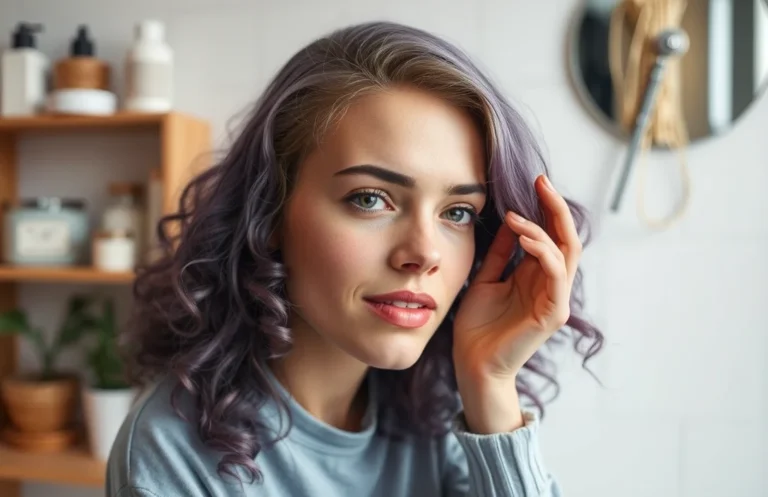
Curly hair enjoys unique advantages with balayage. The color placement enhances the curls’ shape and bounce, providing a playful and vibrant appearance. Strategically placed highlights can also create the illusion of length, making curls look more defined and lively. This method is ideal for those looking to add personality to their curly texture.
Fine hair benefits from subtle balayage highlights. Lightening certain sections can create the illusion of thickness and body. This technique can prevent fine hair from appearing too flat, adding an element of softness and movement. A skilled stylist can choose the perfect shades to complement fine hair without overwhelming it.
Maintenance Tips for Balayage
Proper care ensures your balayage looks vibrant and fresh. Follow these essential maintenance tips to keep your hair color looking its best while preserving the health of your strands. Regular upkeep can significantly enhance the longevity of your balayage, making it a worthwhile investment.
- Wash hair infrequently to retain color. Limit shampooing to 2-3 times a week. Use a sulfate-free shampoo that protects color and keeps hair nourished.
- Condition regularly to maintain moisture. Apply a deep conditioner weekly to combat dryness. Focus on the ends to keep them hydrated.
- Use heat protectants before styling. Always apply a heat protectant spray before using hot tools. This minimizes damage and helps maintain your balayage’s vibrancy.
- Schedule touch-ups every 8-12 weeks. Regular salon visits help refresh your balayage and maintain the desired look, preventing harsh regrowth lines.
- Avoid sun exposure to prevent fading. Protect your hair with a hat or UV-protective sprays when spending time outdoors. This helps maintain color integrity.
Color Options for Balayage
Balayage offers a wide array of color choices, allowing for personalized and versatile looks. Popular options include blonde, brunette, red, and pastel shades. Each color brings a unique dimension to the hairstyle, enhancing natural beauty and creating depth. By selecting the right shades, you can achieve a sun-kissed effect that looks effortlessly chic.
Blonde hues work beautifully for lighter hair, providing a radiant finish. Shades like honey, caramel, and platinum can be blended to create a multi-dimensional look. For those with medium to dark hair, chocolate or chestnut tones can add warmth and richness, highlighting the natural base color.
Bold colors like red or burgundy can also be stunning when applied through balayage techniques. These vibrant shades can create a striking contrast against darker hair, making the balayage stand out. Moreover, pastel colors, such as lavender or mint, can add a playful twist, perfect for those wanting a more eclectic style.
Customizing your balayage with a mix of colors enhances your hairstyle’s uniqueness. Consulting with a professional stylist can help determine the best color combinations suited for your skin tone and personal style. Experimenting with different colors can lead to discovering the perfect balayage that showcases your individuality.
Balayage Compared to Traditional Highlights
Balayage offers a more natural look compared to traditional highlights. The technique involves hand-painting the color onto the hair, creating a soft, sun-kissed effect. In contrast, conventional highlights typically use foils or caps, resulting in more uniform and often stark lines. This difference in application leads to varied results that cater to different preferences.
Results differ significantly in maintenance. Balayage grows out more gracefully, allowing for longer intervals between salon visits. Traditional highlights, however, require frequent touch-ups to maintain a consistent look, especially at the roots. This aspect makes balayage a popular choice for those seeking low-maintenance hair color.
Color placement varies distinctly between the two methods. Balayage emphasizes a more organic look, with color concentrated on the mid-lengths and ends. Traditional highlights tend to be evenly distributed, often across the entire head. Such differences highlight the personalized nature of balayage, making it suitable for various hair types and styles.
Technique execution also sets them apart. Balayage requires a skilled hand to achieve its signature blend, whereas traditional highlights can be performed more straightforwardly. Mastery of the balayage method allows stylists to create dimension and movement, enhancing the overall hairstyle.
Cost Considerations for Balayage Services
Pricing for balayage treatments varies significantly based on several factors. Location plays a crucial role, as salons in urban areas often charge more due to higher operating costs. Additionally, the experience level of the stylist impacts the final bill; seasoned professionals may command premium rates for their expertise.
Time invested in the procedure also affects cost. Balayage generally requires more time than traditional highlights, leading to higher labor charges. Furthermore, hair length and thickness can influence product usage, with longer or thicker hair needing more dye, thus raising the overall price.
Quality of products used should not be overlooked. Salons that prioritize high-end brands may charge more, but the results can often justify the expense. Lastly, region-specific trends and client demand can lead to price fluctuations; areas where balayage is particularly popular might see higher pricing due to demand.
Quick Summary
- Balayage is a freehand highlighting technique that creates a natural, sun-kissed look.
- Unlike traditional highlighting, balayage involves painting color onto the hair rather than using foils.
- This technique allows for a more blended and softer transition between colors.
- Balayage works well on various hair lengths and types, enhancing the hair’s natural texture.
- It requires less maintenance compared to other coloring methods, as roots grow out more seamlessly.
- Balayage can be customized with different shades for a personalized look.
- This hairstyle is versatile and can be adapted for both subtle and bold effects.
Frequently Asked Questions
What is a balayage hairstyle?
Balayage is a hair coloring technique that involves hand-painting highlights onto the hair to create a natural, sun-kissed look. Unlike traditional foiling, balayage allows for a more blended and softer transition of colors, resulting in a dimensional and effortless appearance.
How is balayage different from ombre?
While both balayage and ombre involve a graduated color effect, balayage is focused on highlighting and creating a more subtle blend of colors throughout the hair. Ombre typically features a more distinct contrast, transitioning from darker roots to lighter ends.
Is balayage suitable for all hair types?
Yes, balayage can be adapted to suit various hair types and lengths. Whether you have straight, wavy, or curly hair, a skilled stylist can customize the balayage technique to enhance your natural texture and movement.
How long does balayage last?
Balayage typically lasts longer than traditional highlights, usually around 3 to 6 months, depending on your hair growth and maintenance routine. The natural blending of colors helps reduce the noticeable regrowth line, allowing for a more low-maintenance option.
What maintenance is required for balayage?
Maintenance for balayage is relatively minimal compared to other coloring techniques. Regular trims and using color-safe shampoos and conditioners can help maintain the vibrancy and health of your hair, while occasional touch-ups may be needed to keep the color looking fresh.

- 7 Best Detangling Brushes for Curly Hair: Thick, Fine, Long & Natural Hair - September 25, 2026
- 5 Best Moisturizing Curl Defining Creams for Soft, Defined Curls - September 24, 2026
- Best Curl Creams for Straight Hair: 5 Top Picks for Women - September 24, 2026