Pixie Cut Magic: Transform Your Look with This Bold Hairstyle
Statistics reveal that over 90% of women who opt for a pixie cut express satisfaction with their decision. This short hairstyle, characterized by its cropped length and playful appearance, has become a symbol of confidence and boldness in personal style choices.
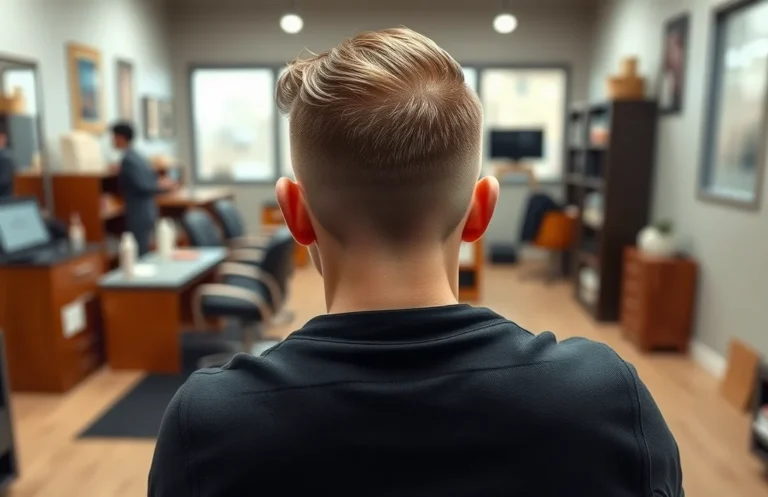
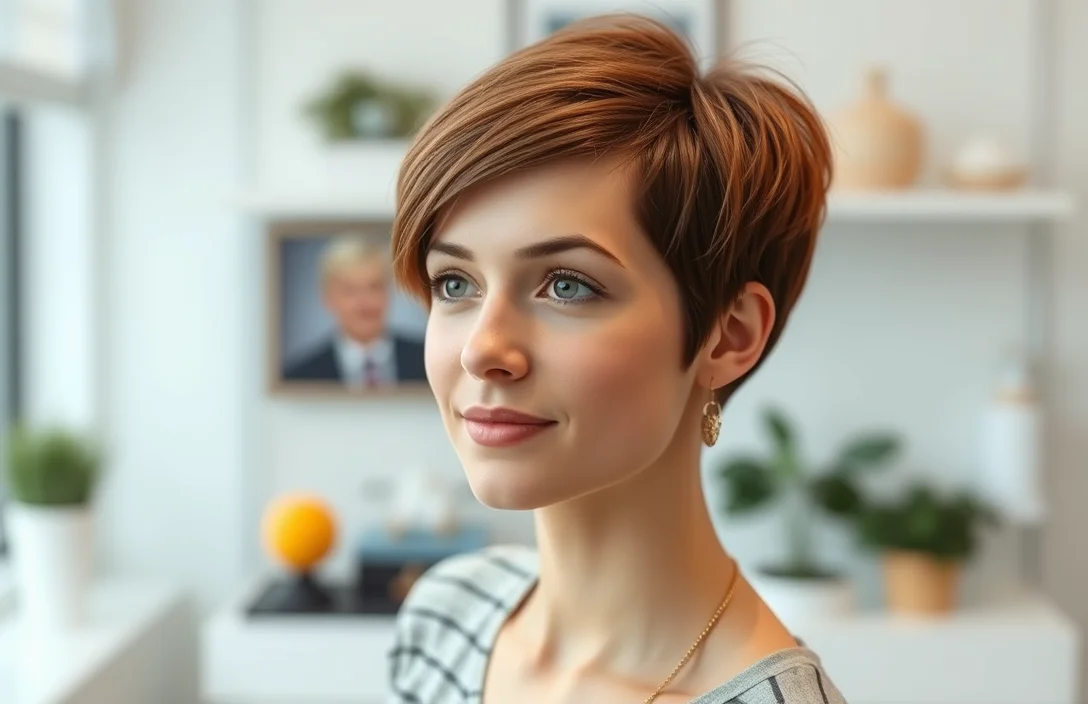
Characterized by short hair on the sides and back, with longer layers on top, a pixie cut enhances facial features. Popular among celebrities, this style offers versatility and ease of maintenance, making it a favored option for those seeking a chic look.
History of the Pixie Cut
Originating in the early 20th century, the pixie cut emerged as a bold statement of independence for women. Inspired by the flapper era, this hairstyle symbolized a departure from traditional femininity, reflecting the changing societal norms of the time. Iconic figures like actress Audrey Hepburn popularized the look in the 1950s, showcasing its versatility and chic appeal.
Transitioning into the 1960s, the pixie cut gained traction through fashion icons such as Mia Farrow. Her cropped hairstyle in the film “Rosemary’s Baby” ignited a trend that resonated with the youth culture, emphasizing simplicity and modernity. Throughout the decades, this cut evolved, adapting to various fashion movements while maintaining its signature edge.
Revived in the 21st century, the pixie cut continues to captivate new generations. Celebrities like Halle Berry and Emma Watson have embraced the style, demonstrating its timelessness and adaptability. Today, various adaptations of the pixie cut exist, catering to diverse hair textures and personal tastes, further solidifying its place in modern hairstyling.
Various Types of Pixie Cuts
Pixie cuts come in various styles, each offering a unique take on this bold hairstyle. Classic pixie cuts feature short hair on the sides and back, with slightly longer layers on top. This timeless style frames the face beautifully and is versatile for different hair textures. Many opt for this cut to achieve an effortless chic look.
Textured pixie cuts incorporate layers and choppy ends, adding movement and volume. This style is ideal for those who desire a more playful and edgy appearance. Using a texturizing product can enhance the look, making it suitable for both straight and wavy hair. Embracing texture can create a more modern vibe.
Asymmetrical pixie cuts create a striking look by featuring one side longer than the other. Such a design adds drama and interest, appealing to those who enjoy unconventional styles. This cut can be tailored to suit various face shapes, making it a popular choice among fashion-forward individuals.
Undercut pixie cuts offer a bold contrast with shaved or closely cropped sides. The hair on top remains longer, allowing for styling versatility. This daring choice highlights facial features while providing a low-maintenance option that is perfect for the adventurous. Experimenting with color can further enhance this edgy style.
Long pixie cuts maintain some length while still embodying the essence of a pixie. This variant provides the benefits of a shorter cut without sacrificing the ability to style the hair in various ways. Perfect for those transitioning from longer hair, this cut can still exude a playful and youthful appearance.
Face Shapes Suitable for Pixie Cuts
Identifying your face shape influences the pixie cut style that best flatters you. Each shape has specific characteristics that can be emphasized or softened with the right haircut. Knowing your face shape helps in choosing the most complementary pixie cut, enhancing your natural beauty and personal style.
- Oval faces suit various pixie cuts, especially those with volume on the top. This shape allows for versatility, enabling you to experiment with different lengths and textures while maintaining balance.
- Square faces benefit from pixie cuts that soften angular features. Opt for styles with wispy layers or side-swept bangs to create a more feminine and softer appearance.
- Heart-shaped faces work well with pixie cuts that add fullness around the chin. Choose styles that are longer in the front, which can create harmony between the forehead and jawline.
- Round faces look great with pixie cuts that add height. Styles that are longer on top and shorter on the sides elongate the face, providing a more balanced look.
- Long faces are complemented by pixie cuts that enhance width. Consider styles with side bangs or layered cuts that create the illusion of fullness at the sides.
Essential Styling Products for Pixie Cuts
Texturizing spray enhances volume and definition. Spritz it onto damp hair before styling to create a tousled, effortless look. This product works wonders for adding movement and separation to shorter hairstyles, making it essential for maintaining a stylish pixie cut.
Pomade provides control and shine. Use a small amount to shape and define your pixie, allowing for versatile styling options. It’s perfect for creating sleek finishes or adding separation for a more textured appearance, catering to different styling moods.
Mousse gives body and lift. Applying it to damp hair before drying helps achieve a fuller look. This lightweight product is ideal for fine hair types, ensuring your pixie cut maintains its shape and volume throughout the day.
Hairspray offers long-lasting hold. A light mist can keep your style intact without making it stiff. Opt for a flexible formula that allows movement while providing the security needed to keep your pixie looking fresh and polished.
Heat protectant is crucial for styling tools. Before using a flat iron or curling wand, apply a protectant to shield your hair from damage. This step is vital for preserving the health of your hair while achieving your desired pixie cut style.
Maintenance Tips for Pixie Cuts
Regular trims every 4-6 weeks keep your pixie cut looking fresh. Hair grows quickly, and maintaining the shape is essential for this style. Schedule appointments with your stylist to ensure uneven growth doesn’t compromise the cut. Consistent upkeep prevents split ends and maintains the sharpness of your look.
Investing in the right products enhances your style. Use a lightweight styling cream or pomade to add texture without weighing the hair down. Opt for products that offer hold yet remain flexible, allowing you to reshape your hair throughout the day. Avoid heavy gels that can make the hair appear stiff.
Washing hair too frequently can strip natural oils. Aim to wash your hair 2-3 times a week. Use a sulfate-free shampoo to avoid dryness and maintain moisture. On non-wash days, consider using dry shampoo to refresh your hair and add volume without the need for a complete wash.
Protect your hair from heat damage. When using styling tools like flat irons or curling wands, apply a thermal protectant spray beforehand. This step minimizes damage and maintains the health of your hair. Always choose lower heat settings to preserve the integrity of your pixie cut.
Experimenting with styles keeps your pixie cut versatile. Try different techniques such as tousling for an effortless look or sleek styling for a polished appearance. Using accessories like headbands or clips can also add flair and change your look in seconds, keeping your style dynamic and fun.
Comparing Pixie Cuts to Other Hairstyles
Professionals recommend deciding by three criteria: silhouette, maintenance, and styling range; assess what is a pixie cut hairstyle against these to judge fit — it emphasizes bone structure, reduces drying and styling time, and favors product/textural approaches, whereas bobs and long layers offer more framing, updo options, and quicker salon visits.
- Boldness: Pixie centers on facial planes and bone structure, creating immediate profile emphasis where longer cuts diffuse attention across length and soft contours.
- Maintenance: Short hair dries and styles faster, requires trims every 4–6 weeks to keep shape, while longer styles permit longer trim intervals but need more daily shaping.
- Versatility: Styling range shifts toward texture, product-driven looks, and accessories for short cuts; long hair provides braids, updos, and varied silhouettes for more occasion-based variety.
Quick Summary
- A pixie cut is a short hairstyle typically characterized by short sides and back with slightly longer hair on top.
- This hairstyle can vary in length and texture, offering a range of styles from edgy to soft and feminine.
- Pixie cuts are low-maintenance, making them a popular choice for those seeking a quick and easy grooming routine.
- They can be styled in various ways, including sleek, tousled, or with added volume for a more playful look.
- Pixie cuts can complement various face shapes and hair types, making them versatile for different individuals.
- Hair color can be highlighted effectively in a pixie cut, enhancing the overall look and adding dimension.
- This hairstyle often makes a bold fashion statement, symbolizing confidence and individuality.
Frequently Asked Questions
What is a pixie cut hairstyle?
A pixie cut is a short hairstyle that is typically characterized by short back and sides with longer hair on top. It is known for its playful and chic appearance, often giving a fresh and youthful vibe.
Who can wear a pixie cut?
Pixie cuts can flatter a variety of face shapes and hair types, but they particularly suit those with defined facial features. It’s a versatile style that can be adapted to suit different personal styles and preferences.
How do I maintain a pixie cut?
Maintaining a pixie cut usually involves regular trims every 4-6 weeks to keep the shape fresh. Additionally, using lightweight styling products can help achieve the desired look and manage the texture of short hair.
Can I style a pixie cut in different ways?
Absolutely! While pixie cuts are short, they can be styled in various ways, including sleek, tousled, or spiky looks. Accessories like headbands or clips can also enhance the style for different occasions.
Is a pixie cut suitable for all hair types?
Pixie cuts can work for most hair types, but the texture and thickness of your hair may affect how the cut looks. Fine hair may require more styling products for volume, while thick hair may need to be thinned out for easier maintenance.

- Pre-Poo Treatments for Low Porosity Hair: 7 Essential Steps - September 20, 2026
- What To Avoid After Prp Hair Treatment? - August 28, 2026
- What Is The Malibu Treatment For Hair? - August 27, 2026