Mastering the Pompadour: Styles, Tips, and Grooming Secrets
Seventy percent of men consider the pompadour hairstyle as a classic choice that exudes confidence and style. This iconic look has evolved over decades, making it a versatile option for modern grooming.
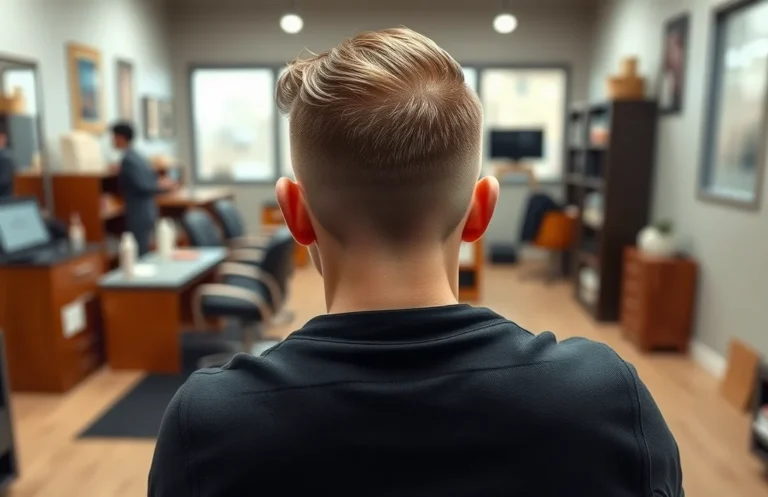
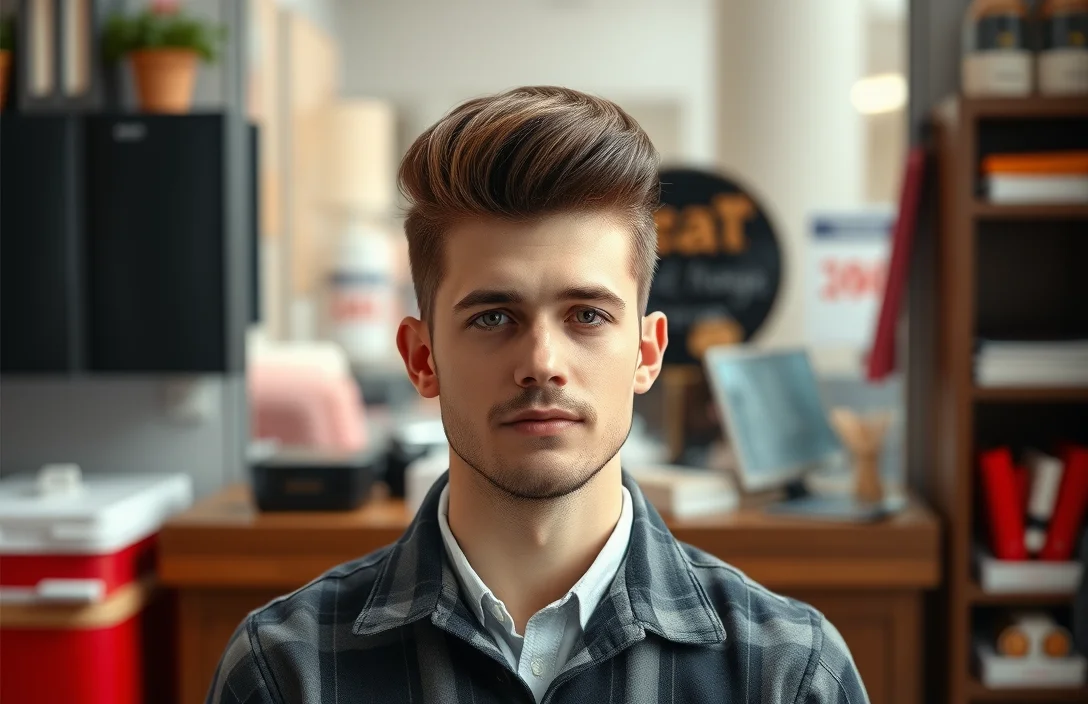
Pompadours feature voluminous hair at the front, tapering down the sides. Classic versions are slicked back, while contemporary styles embrace texture. Suitable for various face shapes, they require medium to long hair and commitment to daily styling.
History of the Pompadour Hairstyle
Originating in the 18th century, the pompadour hairstyle gained popularity through Madame de Pompadour, a mistress of King Louis XV of France. Her distinctive style featured voluminous hair swept back, setting the stage for this iconic look. Initially, it symbolized aristocracy and sophistication, inspiring both men and women to adopt similar styles.
Transitioning into the 20th century, the pompadour evolved significantly. Elvis Presley famously popularized it in the 1950s, infusing rock and roll culture into the hairstyle. Men began styling their hair with high-volume, slicked-back looks, establishing a definitive masculine edge. This adaptation altered its perception, making the pompadour a symbol of rebellion and youth.
Modern interpretations have diversified the pompadour further. Contemporary styles may incorporate textures, fades, and undercuts, appealing to a broader audience. Today, it represents not just a hairstyle but a cultural statement, adaptable to various personal aesthetics and trends. Understanding these historical roots enriches appreciation for the pompadour and its ongoing evolution.
Classic vs Contemporary Pompadour Variations
Classic pompadours feature significant height at the front, tapering down towards the back and sides. This style originated in the 18th century, emphasizing a rounded shape, often styled with pomade for a shiny finish. Barbers typically sculpt the hair using clippers along the sides and scissors on top, creating a timeless silhouette that exudes sophistication.
Contemporary versions have evolved, introducing variations like the textured pompadour and undercut. Modern styles may include shorter sides and a more relaxed top, often styled with matte products for a casual look. These adaptations cater to today’s fashion, allowing for versatility in styling and an edgier appearance that fits various lifestyles.
Face shapes play a crucial role in determining the right pompadour. Oval faces suit both classic and contemporary styles, while square faces benefit from softer, rounded edges. For heart-shaped faces, shorter pompadours can create balance. Adjusting the height and volume can also accommodate thinning hair, providing the illusion of fullness.
Time commitment varies for maintenance. Classic styles require more effort, needing regular trims every 4-6 weeks. Contemporary pompadours may be easier to maintain, with less frequent barber visits. Daily styling can take 10-20 minutes depending on hair type and desired height, with less product needed for modern variations.
Essential Tools for Styling a Pompadour
Quality tools ensure a polished pompadour look. Essential items include a comb, hair dryer, and styling products tailored to your hair type. Each tool plays a significant role in achieving the desired volume and shape, making them indispensable for any grooming routine.
Combs are crucial for styling. A wide-tooth comb helps detangle, while a fine-tooth version allows for precise shaping. Opt for a comb with a comfortable grip to make the styling process smoother and more efficient.
Hair dryers provide volume and hold. A nozzle attachment helps direct airflow, enhancing the lift at the roots. Choose a dryer with multiple heat settings to prevent heat damage while effectively styling your hair.
Styling products vary based on hair texture. Pomade offers shine and flexibility for thicker hair, while mousse adds volume for finer strands. Select a product with a suitable hold level to maintain your style throughout the day without weighing it down.
Heat protectant sprays are vital. Apply before using heat styling tools to safeguard your hair from damage. This step is especially important if you frequently blow-dry or use curling irons to achieve your look.
Step-by-Step Pompadour Styling Techniques
Begin by washing and towel-drying your hair. Use a volumizing shampoo and conditioner to enhance lift and texture. Apply a heat protectant if you plan to use blow-dryers or styling tools. This ensures your hair remains healthy while achieving the desired look.
Next, blow-dry your hair using a round brush. Lift the roots while directing the airflow upwards to create volume. Aim for a medium heat setting, as high heat can damage hair. Maintain this method until your hair is about 80% dry, then switch to a cooler setting to lock in the style.
Apply a styling product suitable for your hair type. For fine hair, use a lightweight mousse; for thicker hair, opt for a pomade or wax. Work the product evenly through your hair, focusing on the roots for maximum lift. Adjust the amount based on your hair’s texture and thickness.
Shape the pompadour with a comb. Start at the front, pulling your hair back and slightly upward to create height. Use your fingers to refine the shape, adding volume where needed. Ensure the sides are neatly blended to maintain a clean look. A barber can help with precise cutting techniques for a polished finish.
Finally, finish with a strong-hold hairspray to keep everything in place. This will help maintain the volume and structure throughout the day. Regular touch-ups may be required, especially if your hair is prone to falling flat. Schedule a barber visit every 4-6 weeks for maintenance to keep your pompadour looking sharp.
Best Face Shapes for Pompadour Styles
Square, oval, and rectangular face shapes suit pompadours best. These shapes provide balance to the hairstyle’s height and volume, enhancing facial features. A square face benefits from softer, rounder edges in the cut, while an oval shape can carry the height without overwhelming proportions. Rectangular faces can enjoy added volume without elongation, making them ideal candidates for this look.
Round faces require special adjustments. Opt for a pompadour with more height on top and slightly shorter sides. This configuration elongates the face and creates a more balanced appearance. Avoid styles that add width, as they can accentuate roundness.
Heart-shaped faces work well with a pompadour that has volume at the front but less on the sides. This style helps to balance a wider forehead and narrower chin. Consider longer hair on top, styled back to soften the angles of the face.
Thinning hair can also adapt to pompadours. Keep the sides shorter and focus on creating volume on top. Use volumizing products to lift the hair and create the illusion of thickness. Consulting a barber can provide personalized adjustments tailored to your specific face shape and hair type.
Maintenance and Care for Pompadours
Regular upkeep is essential for maintaining a fresh pompadour. A well-groomed style not only looks sharp but also enhances your overall appearance. To keep your hairstyle looking its best, follow these simple steps.
- Wash hair frequently, 2-3 times weekly, using a gentle shampoo to avoid product buildup.
- Condition hair regularly to maintain moisture. Opt for a lightweight conditioner to avoid heaviness.
- Trim hair every 4-6 weeks to keep the shape and prevent split ends.
- Apply styling products suited to your hair type, such as pomades or creams for hold and shine.
- Use a blow dryer on a low heat setting to add volume and shape during styling.
Monitoring hair health is crucial, especially if thinning occurs. Consider using products designed to thicken hair or consulting a barber for tailored advice. Avoid over-styling, which can lead to damage, and always opt for high-quality products to protect your hair.
Celebrity Inspirations for Pompadour Styles
Icons have shaped the pompadour’s appeal throughout history. Celebrities like Elvis Presley and James Dean popularized this striking style in the 1950s, showcasing its versatility across generations. Modern stars such as David Beckham and Bruno Mars continue to redefine the look, ensuring its relevance today. Drawing inspiration from these figures can help you visualize how the pompadour can suit your personal style.
- Elvis Presley defined the classic pompadour with voluminous height and slicked-back sides. His rockabilly charm showcases how this style can add flair to any casual or formal outfit.
- James Dean introduced a more relaxed version, incorporating natural waves for a less polished look. His effortless style demonstrates that the pompadour can be adapted for a laid-back vibe.
- David Beckham mixes modern trends with the pompadour, often pairing it with fades or undercuts. His interpretations prove the style can be contemporary and fashion-forward.
- Bruno Mars adopts playful elements, combining texture and volume to create a unique take. This approach highlights the versatility of the pompadour in various contexts.
Exploring these celebrity inspirations can guide your own style choices, helping you create a look that resonates with your individuality while embracing the pompadour’s timeless appeal.
Pompadour Compared to Other Hairstyles
Pompadours differ significantly from other popular men’s hairstyles, such as crew cuts or buzz cuts. While the pompadour emphasizes volume and height, crew cuts offer a low-maintenance, clean look with minimal styling. Buzz cuts require no styling at all, providing a stark contrast to the finesse involved in achieving and maintaining a pompadour.
Classic pompadours feature longer hair on top with short sides, making them versatile for various occasions. In comparison, styles like the quiff maintain some height but are typically less structured. The undercut presents a more modern alternative, separating the top from the sides, often resulting in a more edgy appearance.
Thinning hair can affect how well these styles work. A pompadour can help add the illusion of volume, while other styles like the textured crop can be more forgiving for finer hair. Face shapes also play a role; round faces often suit pompadours better, while square faces may prefer softer styles like the side part.
Maintenance varies widely. Pompadours require regular trims to keep their shape, along with daily styling using pomade or wax. Conversely, buzz cuts and crew cuts need minimal upkeep, making them better suited for those seeking simplicity. Ultimately, consider your hair type, lifestyle, and commitment level when choosing a style.
Quick Summary
- The pompadour hairstyle features short sides and longer hair on top, styled upwards and back.
- It originated in the 18th century and was popularized by figures such as Madame de Pompadour.
- This hairstyle has been embraced by various cultural movements, including rockabilly and punk.
- Styling products like pomade or wax are often used to achieve the desired volume and hold.
- The pompadour can be adapted for different hair types and lengths, making it versatile.
- It remains a fashionable choice for both men and women today.
- Regular maintenance is needed to keep the style looking fresh and polished.
Frequently Asked Questions
What is a pompadour hairstyle?
The pompadour is a hairstyle characterized by longer hair at the front that is styled upwards and backwards, creating volume and height. It can be combined with shorter sides for a more modern look, making it versatile for various hair types.
What are the differences between classic and modern pompadours?
Classic pompadours have a more structured and polished look, often with slicked-back sides and significant volume on top. Modern variations can include more relaxed styles, texture, and faded sides, allowing for personal expression and adaptability to current trends.
Will a pompadour suit my face shape and hair type?
The pompadour generally suits various face shapes, especially oval and square shapes, as it adds height and balances proportions. It works best with medium to thick hair, but can be adapted for finer hair types with the right products and techniques.
What hair length do I need for a pompadour, and how much time will it take to style?
You typically need at least 3-4 inches of hair on top to achieve a proper pompadour. Styling can take around 10-15 minutes daily, depending on your technique and product use, but with practice, it can become quicker.
Should I DIY my pompadour or visit a professional barber?
If you’re new to the style, visiting a professional barber for the initial cut is recommended to get the right shape and length. Once you understand the basics of styling, you can maintain it at home with regular trims and practice.

- 7 Best Detangling Brushes for Curly Hair: Thick, Fine, Long & Natural Hair - September 25, 2026
- 5 Best Moisturizing Curl Defining Creams for Soft, Defined Curls - September 24, 2026
- Best Curl Creams for Straight Hair: 5 Top Picks for Women - September 24, 2026