
Layer Cut Hairstyles: Elevate Your Look with Effortless Style
Layered haircuts can reduce weight by up to 40%, giving your hair movement and texture. This popular style enhances volume and can suit various hair types. Understanding its fundamentals can help you decide if it’s the right look for you.
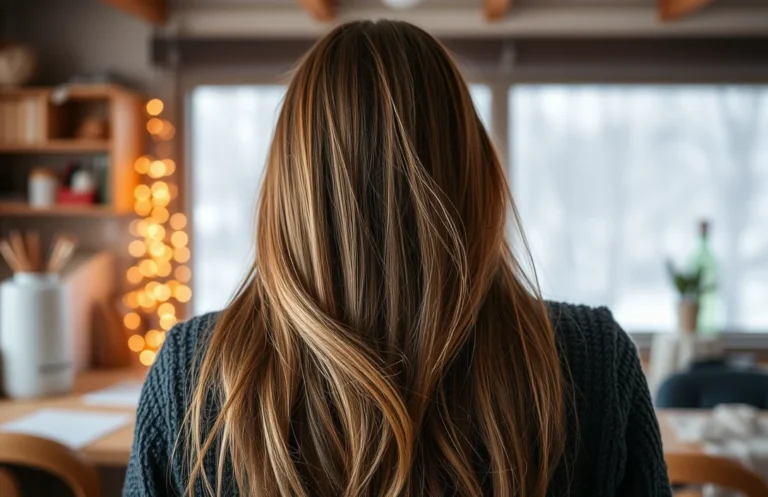
Layer cut hairstyles involve shorter layers on top and longer strands underneath, creating depth and dimension. This technique allows for versatile styling, from sleek looks to textured waves, making it a favorite among many.
Understanding Layer Cut Definition
Layer cut hairstyles feature varying lengths throughout the hair, creating depth and movement. This technique involves cutting hair at different levels, which adds volume and texture. The stylist may use scissors or razors to achieve the desired effect, shaping the hair to enhance natural beauty. Popular among various hair types, this style can suit both short and long hair.
Styles vary significantly with layers. Short layers can frame the face, while long layers soften the overall look. Adjusting the length and placement of layers allows for customization, catering to individual preferences and face shapes. By incorporating layers, hair can appear fuller, making this cut a favorite among those seeking a lively appearance.
Texture benefits greatly from layering. Hair can move more freely, providing a dynamic look that changes with styling. For those with thick hair, layers can reduce bulk, making hair more manageable. Conversely, fine hair can look thicker with the right layering technique, creating an illusion of volume and bounce.
Exploring Benefits of Layered Hair
Layered haircuts offer numerous advantages for various hair types. They create movement and dimension, making hair appear fuller and more vibrant. This style effectively manages thickness and adds texture, which can drastically change your overall look. Understanding these benefits helps in deciding if this cut is suitable for you.
Volume enhancement is a significant benefit. With layers, hair appears more bouncy and lively. This is especially helpful for those with fine or thin hair, as the cut gives an illusion of thickness and fullness.
Texture variation improves styling options. Layering allows for diverse looks, whether you prefer straight, wavy, or curly styles. This flexibility enables you to switch between different hairstyles effortlessly, keeping your look fresh and exciting.
Maintenance can be simplified. Layered cuts often require less daily styling, as the layers help manage frizz and bulk. Regular trims ensure the layers maintain their shape, making upkeep straightforward and efficient.
- Frizz control enhances manageability.
- Movement creates a dynamic appearance.
- Facial framing highlights features beautifully.
Customization is easy with layered styles. Hairdressers can adjust the thickness and length of layers, tailoring the cut to suit individual preferences and face shapes. This personalization ensures a flattering outcome for everyone.
Techniques for Layering Hair
Razor cutting introduces texture and movement, creating softer layers. This method employs a straight razor to slice through the hair, allowing for a more natural, feathered effect. Ideal for fine hair, razor cutting removes bulk while maintaining length, making it a popular choice among stylists aiming for a lived-in look.
Point cutting enhances the layered effect by removing weight from the ends. Using scissors, stylists create a jagged edge, which adds depth and dimension. This technique works well on thicker hair types, as it helps to blend layers seamlessly and reduces the appearance of blunt lines.
Slide cutting offers a smooth transition between layers. Stylists hold the scissors at an angle and glide them along the hair strands, removing small sections gradually. This technique is particularly effective for achieving subtle layers and works beautifully on both straight and wavy hair types.
Graduated cutting focuses on creating volume at the crown. By cutting the hair shorter in the back and gradually longer towards the front, this method adds height and shape. Ideal for those with flat or fine hair, graduated layers can create the illusion of fuller locks.
Choppy layers add an edgy, modern flair to hairstyles. Stylists use sharp scissors to create uneven lengths throughout the hair, resulting in a bold, textured look. This technique is perfect for those looking to make a statement with their layered hairstyle.
Best Face Shapes for Layer Cuts
Round faces suit layered cuts effectively. Soft layers can elongate the appearance of the face, providing a balanced look. Graduated layers around the jawline create structure, minimizing the roundness. Opt for longer layers that enhance the facial contours, allowing for a more angular appearance.
Heart-shaped faces benefit from layers that add volume at the chin. This style draws attention away from the forehead, creating harmony. Side-swept bangs paired with layers help soften prominent cheekbones while framing the face beautifully.
Square faces can embrace layers to soften sharp angles. Textured ends and rounded layers around the face help reduce the boxy appearance. Consider adding some face-framing layers that start at the cheekbones for a more flattering effect.
Oval faces enjoy versatility with layered hairstyles. Most layer cuts work well, offering a balanced look that highlights the natural symmetry. Experimenting with different lengths and styles can enhance features without overwhelming the face.
Maintaining Layered Hair Styles
Proper maintenance ensures layered hair remains stylish and healthy. Regular care keeps the cut looking fresh while enhancing its natural beauty. Follow these steps to maintain your layered hairstyle and achieve the best results.
- Regular trims are essential. Schedule a haircut every 6 to 8 weeks to prevent split ends and maintain the shape of your layers.
- Use quality hair products. Choose shampoos and conditioners designed for your hair type to keep it clean, moisturized, and manageable.
- Apply leave-in conditioner. This adds moisture and protects hair from damage, especially for layered styles that may become frizzy or dry.
- Style with care. Use a heat protectant spray before using heat tools to minimize damage and maintain your layers’ definition and bounce.
- Be gentle while brushing. Opt for a wide-tooth comb or a brush designed for wet hair to avoid breakage and maintain the integrity of your layers.
Layer Cuts for Short and Long Hair
Layered styles can be tailored for both short and long hair, offering versatility and appeal. Adjusting the length and angle of the layers provides different visual effects, ensuring each haircut complements the face shape and personal style. Here’s how to adapt layered cuts for various hair lengths:
- Short hair benefits from subtle layers that add texture. Focus on soft, feathered layers around the crown to create volume without overwhelming the style.
- Long hair can embrace dramatic layers for added movement. Incorporate longer layers that blend seamlessly, allowing for a natural flow while maintaining length.
- Texturizing can enhance both styles. Use thinning shears or razors to create soft edges, making the hair appear lighter and more dynamic.
- Face shape influences layer placement. For round faces, longer layers framing the face elongate the appearance, while square faces benefit from soft layers that soften angles.
- Styling techniques differ based on length. Short hair may require pomade or wax for definition, while long hair can utilize serums or mousse for volume and bounce.
Experimenting with these layering techniques will create unique looks, ensuring layers enhance the overall hairstyle effectively.
Current Layer Cut Trends 2023
Layered hairstyles are trending with soft, blended cuts that create natural movement. Feathered layers are particularly popular this year, allowing for an effortless, airy finish that works well for all hair types. Professionals suggest incorporating light bangs to enhance facial features and add dimension. This look can be achieved with various lengths and textures, making it versatile for any style.
Choppy layers are gaining popularity among those who prefer a more edgy look. These disheveled cuts create a textured appearance, perfect for adding volume to fine hair. Stylists often recommend using texturizing sprays to emphasize the layers and enhance the overall style. This approach results in a modern, playful vibe that complements casual and formal outfits alike.
Longer layers remain timeless, offering a sophisticated option for those seeking elegance. Soft, cascading layers provide movement and shape without sacrificing length. This trend is especially favored for special occasions, as it allows for various styling options, from sleek ponytails to romantic waves. Hair accessories can further elevate this look, adding a touch of glam.
Asymmetrical layers are also in vogue, with bold cuts that create a striking silhouette. These styles often feature longer sections at the front, drawing attention to the face and providing a contemporary edge. To achieve this trend, precision cutting techniques are essential, and regular maintenance ensures the shape remains sharp. Overall, this trend appeals to fashion-forward individuals looking for unique hairstyles.
Quick Summary
- A layer cut hairstyle involves cutting hair at different lengths to create texture and volume.
- This style is suitable for various hair types, including straight, wavy, and curly hair.
- Layering can help reduce bulk in thick hair and add movement to fine hair.
- It can be customized with varying lengths and shapes, from subtle layers to more dramatic cuts.
- Layered hairstyles can enhance facial features and promote a more youthful appearance.
- Maintenance may vary depending on the length and style of the layers.
- Layer cuts can be styled in numerous ways, making them versatile for different occasions.
Frequently Asked Questions
What is a layer cut hairstyle?
A layer cut hairstyle involves cutting the hair at different lengths to create layers. This technique adds volume, texture, and movement to the hair, making it look more dynamic and lively.
Who can get a layer cut hairstyle?
Layer cuts are versatile and can suit various hair types and lengths, including straight, wavy, and curly hair. It’s also a great option for anyone looking to add dimension or reduce bulk in their hairstyle.
How do I maintain a layer cut hairstyle?
Maintaining a layer cut typically involves regular trims every 6 to 8 weeks to keep the layers looking fresh. Additionally, using products like mousse or texturizing spray can help enhance the layers and maintain their shape.
Can I style my layered hair in different ways?
Yes, layered hair can be styled in numerous ways, including straight, wavy, or curly. The layers provide flexibility, allowing for various styles such as updos, braids, or simply wearing it down for a casual look.
Is a layer cut suitable for all face shapes?
Layer cuts can be tailored to complement different face shapes. A skilled stylist can adjust the length and placement of the layers to enhance your features, making it a flattering option for most individuals.

- 7 Best Detangling Brushes for Curly Hair: Thick, Fine, Long & Natural Hair - September 25, 2026
- 5 Best Moisturizing Curl Defining Creams for Soft, Defined Curls - September 24, 2026
- Best Curl Creams for Straight Hair: 5 Top Picks for Women - September 24, 2026