Understanding Hair Breakage: Why Damaged Hair Breaks Easily
Studies reveal that damaged hair can break up to 50% more easily than healthy strands, primarily due to structural weaknesses. This vulnerability stems from chemical treatments, heat exposure, and environmental stressors causing the hair’s cuticle to lift, leaving it defenseless against breakage.
Damaged hair breaks easily because of weakened protein structure, lifted cuticles, and lack of moisture. These factors diminish the hair’s strength and elasticity, making it more susceptible to snapping under tension or during styling.
Impact of Chemical Treatments
Chemical treatments like dyes and relaxers significantly weaken hair. These processes alter the hair’s protein structure, making it more prone to breakage. Hair becomes less resilient after exposure to harsh chemicals, leading to a higher likelihood of damage.
- Hair dyes penetrate the cuticle. This penetration disrupts the natural protective barrier, allowing moisture to escape. As a result, hair loses elasticity and strength.
- Relaxers change hair’s natural texture. By breaking down the bonds that define curl patterns, relaxers can make hair straighter but also more fragile. This fragility increases the risk of breakage.
- Frequent chemical treatments accumulate damage. Each treatment compounds the effects of the previous one, leading to cumulative weakening. Regularly processed hair should be treated with extra care to avoid further damage.
- Inadequate aftercare exacerbates issues. Skipping proper conditioning and moisturizing routines leaves hair vulnerable to environmental stressors. Effective aftercare can help mitigate the damage caused by chemical treatments.
- Consulting professionals helps prevent severe damage. Experienced stylists can recommend suitable products and techniques tailored to individual hair types. Professional guidance minimizes the risk of breakage during chemical processes.
Heat Damage Effects
Heat styling tools such as flat irons, curling wands, and blow dryers can severely compromise hair integrity. Excessive heat exposure strips moisture, leaving hair dry and brittle. Over time, this leads to weakened strands that are prone to breakage. Implementing lower heat settings or using heat protectants can significantly reduce damage.
Frequent use of high-temperature tools accelerates the degradation of hair proteins. Keratin, the primary protein in hair, becomes less effective at maintaining structure and elasticity. Without these vital properties, hair becomes more susceptible to breaking. Limiting styling frequency allows hair to recover and maintain its strength.
Investing in high-quality styling tools also contributes to less damage. Tools with adjustable heat settings and ceramic or tourmaline plates provide more even heat distribution. Such features help minimize hot spots that can scorch hair. Opting for these advanced tools can help maintain healthier hair over time.
Incorporating deep-conditioning treatments into your routine can restore moisture and elasticity. Regular use of moisturizing masks or oils will nourish and strengthen hair, reducing the likelihood of breakage. Consistent hydration counters the drying effects of heat, promoting overall hair health.
Environmental Stressors
Sun exposure, pollution, and humidity significantly impact hair health. Prolonged exposure to UV rays can weaken hair cuticles, making them more susceptible to damage. Pollution introduces harmful chemicals and particles that can build up on hair strands, exacerbating dryness and brittleness. High humidity levels can lead to frizz and increased breakage, especially in damaged hair.
- Sunlight can degrade keratin, the protein that makes up hair. Protect your hair with UV-blocking products or hats during peak sunlight hours.
- Pollution deposits dirt and grime that can clog hair follicles. Regularly cleanse your hair with clarifying shampoos to remove buildup.
- Humidity causes hair to swell and lose moisture, increasing breakage risk. Use anti-frizz serums or leave-in conditioners to maintain moisture balance.
- Harsh weather conditions, such as wind, can lead to tangling and mechanical damage. Secure hair in braids or buns to minimize exposure.
- Indoor heating and air conditioning can dry out hair. Use humidifiers to add moisture to the air, supporting hair hydration.
Mechanical Damage Causes
Brushing and styling can significantly contribute to hair breakage. Damaged hair possesses weakened structures, making it more susceptible to mechanical stress. Regular use of brushes, especially those with harsh bristles, can exacerbate the situation, leading to split ends and breakage. Adopting gentler techniques can minimize this risk.
- Switch to a wide-tooth comb. Wide-tooth combs reduce tension on the hair while detangling. They are less likely to snag and pull, preserving the integrity of each strand.
- Limit heat styling tools. Excessive use of blow dryers, curling irons, and straighteners can strip moisture and weaken hair. Opt for air drying when possible to maintain strength.
- Use protective hairstyles. Styles that tuck hair away from the elements and reduce friction can significantly lower the chances of breakage. Consider braids or buns to keep ends safe.
- Be mindful of hair accessories. Tight elastics and metal clips can create stress points on the hair. Choose fabric-covered bands and soft scrunchies to minimize damage.
- Practice gentle drying techniques. Avoid vigorous towel drying; instead, pat hair dry with a soft towel to reduce friction and potential breakage.
Nutritional Deficiencies
Diet directly influences hair strength and health. Consuming inadequate nutrients can lead to weakened strands and increased breakage. Essential vitamins and minerals play critical roles in maintaining hair structure and preventing damage. Without proper nutrition, hair may lack the resilience needed to withstand everyday stressors.
- Protein consumption is vital. Hair primarily consists of keratin, a protein. Including sources like chicken, fish, legumes, and nuts can enhance hair strength.
- Iron deficiency leads to weakened hair. Incorporate iron-rich foods such as spinach, lentils, and red meat to support healthy hair growth.
- Omega-3 fatty acids nourish hair follicles. Fatty fish, flaxseeds, and walnuts provide these essential fats, promoting a healthy scalp and preventing dryness.
- Vitamin D deficiency can hinder hair growth. Sun exposure and foods like fortified dairy products, egg yolks, and mushrooms can help maintain adequate levels.
- Zinc plays a crucial role in hair repair. Including shellfish, seeds, and whole grains in your diet can help prevent hair loss and breakage.
Addressing these nutritional deficiencies can significantly improve hair resilience. A balanced diet ensures your hair receives the necessary nutrients to maintain strength and reduce the likelihood of breakage.
Improper Hair Care Practices
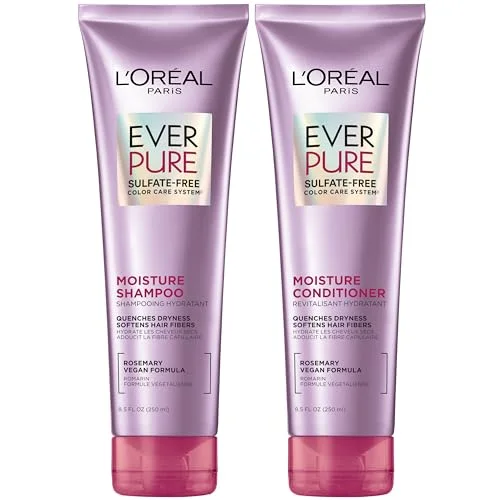
Inappropriate products contribute significantly to hair damage. Many shampoos and conditioners contain harsh sulfates, alcohols, and silicones that strip hair of its natural oils, leading to dryness and breakage. Opting for gentler, sulfate-free formulations helps maintain the hair’s integrity. Always read labels to ensure you choose products that support healthy hair.
- Heat styling tools can damage hair. Excessive use of blow dryers, curling irons, and straighteners can weaken hair strands, causing them to break. Limit the use of these tools and apply a heat protectant spray to minimize damage.
- Rough towel drying harms hair. Vigorously rubbing wet hair with a towel creates friction, leading to breakage. Instead, gently blot hair with a microfiber towel or an old t-shirt to absorb moisture without causing unnecessary wear.
- Skipping regular trims encourages split ends. Neglecting to trim hair every 6-8 weeks allows split ends to travel up the hair shaft, resulting in more damage and breakage. Prioritize regular haircuts to maintain healthy ends.
- Over-washing strips essential oils. Washing hair too frequently can remove natural oils, leaving it dry and brittle. Aim to wash hair 2-3 times a week to allow natural moisture to remain.
- Using tight hairstyles creates stress. Constantly pulling hair into tight ponytails or braids can lead to traction alopecia and breakage. Opt for looser styles and avoid rubber bands that tug at the hair.
Lack of Moisture and Hydration
Moisture directly affects hair resilience. Insufficient hydration leads to brittleness, making hair more susceptible to breakage. Regularly moisturizing hair helps maintain its flexibility and strength. Use products designed specifically to add moisture without weighing the hair down.
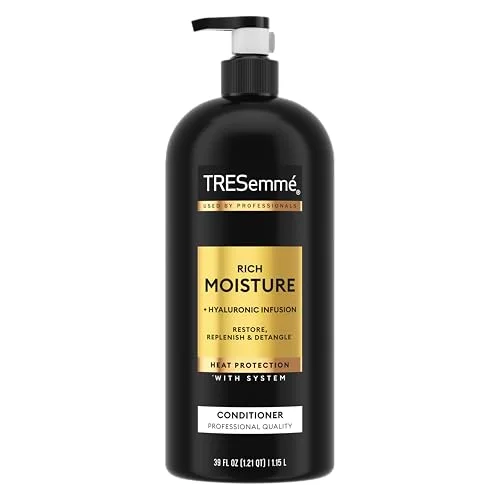
Hydrating ingredients such as glycerin, aloe vera, and hyaluronic acid are highly effective. Look for conditioners and leave-in treatments that contain these components to enhance moisture retention. Consistent use can significantly improve hair’s overall health.
Water intake plays a critical role as well. Drinking adequate water daily supports not only overall health but also promotes hydration from within. Healthy hair starts with proper hydration habits, ensuring that hair remains less prone to damage.
Heat styling tools contribute to moisture loss. Limit their use or apply a heat protectant to shield hair from damage. Additionally, try air drying whenever possible to maintain natural moisture levels in the hair.
Creating a moisturizing routine is essential. Incorporate deep conditioning treatments weekly to restore hydration levels. Regular trims can also help eliminate split ends and prevent further breakage, ensuring your hair stays strong and healthy.
Quick Summary
- Damaged hair has a compromised cuticle layer, making it more vulnerable to breakage.
- Excessive heat styling can weaken hair proteins, leading to fragile strands.
- Chemical treatments, such as coloring or perming, can strip moisture and elasticity from hair.
- Environmental factors, like UV exposure and pollution, contribute to hair damage.
- Lack of proper hydration and nourishment can result in dry, brittle hair.
- Over-washing removes natural oils, leading to increased susceptibility to breakage.
- Using harsh hair products can irritate the scalp and weaken hair structure.
Frequently Asked Questions
Why does damaged hair break easily?
Damaged hair has compromised cuticles, which protect the inner structure of the hair. When these cuticles are damaged, the hair becomes vulnerable to environmental stressors, leading to increased brittleness and breakage.
What causes hair damage?
Hair damage can result from various factors, including excessive heat styling, chemical treatments, environmental exposure, and inadequate moisture. Each of these can weaken the hair structure, making it more prone to breakage.
How can I tell if my hair is damaged?
Signs of damaged hair include split ends, frizziness, dullness, and a rough texture. If your hair tangles easily or feels dry and brittle, it may be suffering from damage.
What are some ways to repair damaged hair?
Repairing damaged hair involves regular deep conditioning treatments, minimizing heat styling, and using products specifically designed for damaged hair. Incorporating hair oils and serums can also help restore moisture and shine.
Can damaged hair be completely repaired?
While it may not be possible to fully restore damaged hair to its original state, you can significantly improve its health and appearance with proper care. Regular maintenance, protective styles, and a healthy diet can contribute to better hair condition over time.