Why Hair Breaks More in Dry Weather: Causes and Solutions
Seventy percent of individuals notice increased hair breakage during dry weather, making it a common concern. Environmental factors like humidity levels directly affect hair’s moisture retention, leading to brittleness and breakage. Understanding this relationship is key to maintaining healthy hair throughout the seasons.
Dry weather strips hair of its natural oils, resulting in brittleness, fragility, and increased breakage. Implementing a proper hair care routine can help mitigate damage. Focus on moisturizing products, regular conditioning, and protective styling to keep your hair healthy and resilient.
Low Humidity Effects
Dry air significantly affects hair health by stripping moisture. High humidity levels nourish hair, while low humidity leads to dehydration, weakening strands. Without adequate hydration, hair becomes brittle and prone to breakage. Understanding this connection is crucial for maintaining healthy locks, especially during dry seasons.
- Increase hydration intake daily. Consuming enough water keeps your body and hair hydrated from within.
- Use a humidifier indoors. Adding moisture to the air combats dryness, benefiting both skin and hair.
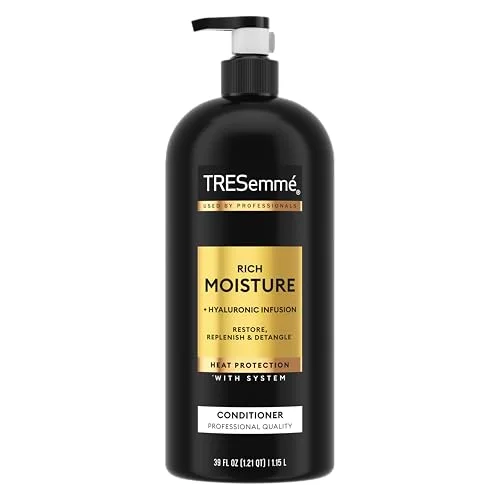
- Opt for hydrating hair products. Look for shampoos and conditioners that focus on moisture retention to combat dryness.
- Limit heat styling tools. Excessive heat can further dry out hair, leading to increased breakage.
- Incorporate leave-in conditioners. These products provide an extra layer of moisture, protecting against the drying effects of low humidity.
Loss of Natural Oils
Dry weather significantly reduces the natural oils that protect your hair. These oils, produced by your scalp, are essential for maintaining moisture levels and preventing breakage. Without them, hair becomes brittle and prone to damage. Understanding how to replenish these oils will help improve your hair’s resilience.
- Apply natural oils regularly to replenish moisture. Consider using coconut oil, argan oil, or jojoba oil. These oils can penetrate the hair shaft, providing deep hydration and protection.
- Incorporate a leave-in conditioner into your routine. This product adds moisture and creates a barrier against dryness, enhancing your hair’s ability to retain natural oils.
- Limit heat styling tools, as they strip moisture from hair. If styling is necessary, always apply a heat protectant to minimize damage.
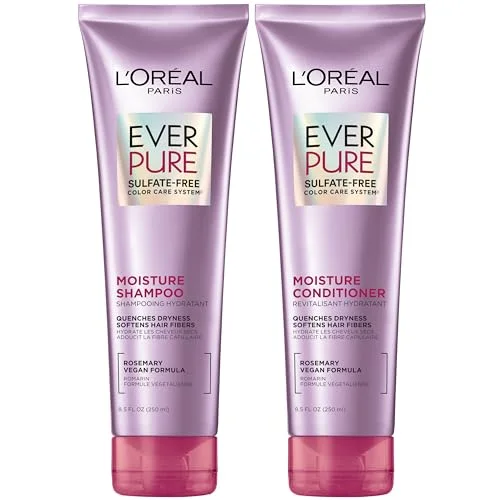
- Choose a gentle, sulfate-free shampoo. Sulfates can remove natural oils, so opting for a milder formula will help maintain your hair’s moisture balance.
- Consider using a humidifier in your home. This tool adds moisture to the air, combating dryness and helping maintain your hair’s natural hydration levels.
Static Electricity Issues
Static electricity significantly contributes to hair breakage during dry conditions. This phenomenon occurs when hair loses moisture, leading to an imbalance in electrical charges. As a result, strands repel each other, causing tangling and breakage. Addressing this issue is crucial for maintaining healthy hair.
- Invest in an ionizing hair dryer. Ion technology helps reduce static and maintains moisture in your hair while drying.
- Apply anti-static hair products. Look for serums or sprays specifically designed to combat static electricity and provide added moisture.
- Choose moisture-rich shampoos and conditioners. Products containing hydrating ingredients like glycerin can help prevent dryness and static buildup.
- Use a humidifier indoors. Increasing humidity levels can help reduce static electricity in your hair by adding moisture to the air.
- Brush with anti-static tools. Opt for brushes made from materials that minimize static, such as boar bristle or rubber, to help smooth your hair without creating frizz.
Weakened Hair Structure
Dehydration directly affects hair’s protein structure. When moisture levels drop, hair loses its elasticity and becomes brittle. This increased fragility leads to breakage, especially in dry weather. To combat this, it’s essential to incorporate hydration strategies into your hair care routine.
- Opt for a hydrating shampoo. Choose products specifically formulated to add moisture without stripping natural oils.
- Apply a deep conditioning treatment weekly. Look for ingredients like argan oil or shea butter, which help restore moisture.
- Use leave-in conditioners regularly. These provide extra hydration and protect hair from environmental stressors.
- Limit heat styling tools. High temperatures can exacerbate dryness and weaken hair further.
- Consider a humidifier. Introducing moisture into your environment can help maintain hair hydration levels.
Implementing these steps can significantly improve hair health and reduce breakage during dry conditions. Consistency is key to achieving lasting results.
Inadequate Hair Care Routines
Inadequate hair care routines often contribute to breakage during dry weather. Many individuals stick to the same regimen year-round, neglecting the unique needs of their hair in changing conditions. Adjusting your routine can help maintain moisture and reduce damage.
- Switch to moisturizing products. Look for shampoos and conditioners that specifically state they provide extra hydration. Ingredients like shea butter, glycerin, and argan oil can significantly improve moisture retention.
- Incorporate deep conditioning treatments weekly. Treat your hair with a deep conditioning mask or treatment once a week to restore essential moisture. This step is crucial for keeping your hair healthy and resilient.
- Limit heat styling tools usage. Reduce reliance on blow dryers, curling irons, and straighteners. Excessive heat can strip moisture, leading to increased breakage, especially in dry weather.
- Embrace protective hairstyles. Opt for styles that minimize manipulation and protect the ends of your hair, such as buns or braids. This can prevent further stress and damage from environmental factors.
- Stay hydrated and nourish from within. Drinking plenty of water and consuming a balanced diet rich in vitamins and minerals supports overall hair health. Healthy hair starts from the inside out.
Environmental Stressors
Wind and pollution significantly contribute to hair breakage, especially in dry conditions. These environmental factors strip moisture from your hair, making it weaker and more prone to damage. Strong winds can create friction against your hair strands, while pollutants can cause buildup, leading to further dryness and breakage.
Protective hairstyles help combat these elements. Consider braiding or pulling your hair back into a bun to minimize exposure to wind. This not only reduces friction but also keeps your hair contained and less susceptible to environmental stressors.
Regular cleansing is essential for removing pollution buildup. Use a gentle clarifying shampoo to wash away dirt and grime, but don’t overdo it—once every two weeks is usually sufficient. Follow up with a moisturizing conditioner to replenish lost hydration.
Hydrating hair products can also create a barrier against wind and pollutants. Look for leave-in conditioners or hair oils that contain ingredients like argan oil or jojoba oil. These will not only nourish your hair but also provide an extra layer of protection.
Improper Product Use
Using the wrong hair products can significantly contribute to breakage in dry conditions. Many styling and cleansing products contain harsh ingredients that strip moisture from the hair. Identifying these products and switching to more suitable options is essential for maintaining healthy hair, especially during dry weather.
- Check ingredient labels for sulfates. Sulfates can dry out hair and lead to brittleness. Opt for sulfate-free shampoos that gently cleanse without removing essential oils.
- Evaluate your styling products. Gels and sprays with alcohol can dehydrate hair, exacerbating breakage. Choose hydrating formulas that nourish while providing hold.
- Incorporate conditioning treatments regularly. Deep conditioners and hair masks can replenish moisture. Aim to use a conditioning treatment at least once a week.
- Limit the use of heat tools. Excessive heat can damage the hair cuticle, leading to increased breakage. If heat styling is necessary, always apply a heat protectant.
- Transition to natural oils. Oils like argan, jojoba, or coconut can help seal moisture in the hair shaft. Apply a small amount to the ends after washing for added hydration.
Quick Summary
- Dry weather leads to lower humidity, causing hair to lose moisture and become brittle.
- Reduced moisture levels can weaken the hair shaft, making it more prone to breakage.
- Cold air can strip natural oils from hair, exacerbating dryness and fragility.
- Static electricity is more prevalent in dry conditions, which can cause tangling and damage.
- Over-washing or using harsh shampoos during dry seasons can further dehydrate hair.
- Regular conditioning and moisturizing treatments are essential in combating dryness.
- Protective hairstyles can help reduce exposure to harsh weather elements and minimize breakage.
Frequently Asked Questions
Why does hair break more in dry weather?
Hair tends to break more in dry weather because the lack of moisture in the air leads to dryness in the hair strands. When hair is dry, it becomes brittle and more susceptible to breakage, especially if it is already damaged or over-processed.
How can I prevent hair breakage during dry weather?
To prevent hair breakage, consider using hydrating hair products like conditioners and leave-in treatments that add moisture. Additionally, limiting heat styling and using protective hairstyles can help maintain your hair’s integrity during dry conditions.
Should I change my hair care routine in the winter?
Yes, adjusting your hair care routine in winter can be beneficial. Incorporating more moisturizing products, reducing the frequency of washing, and using a humidifier at home can help combat the effects of dry air on your hair.
Are there specific ingredients I should look for in hair products?
Look for products that contain ingredients like argan oil, shea butter, or glycerin, as they provide hydration and nourishment. Avoid products with harsh sulfates and alcohols that can strip moisture from your hair.
What can I do if my hair is already breaking?
If your hair is already breaking, consider trimming the damaged ends to prevent further split ends. Additionally, focus on deep conditioning treatments and avoid any chemical treatments until your hair is healthier.