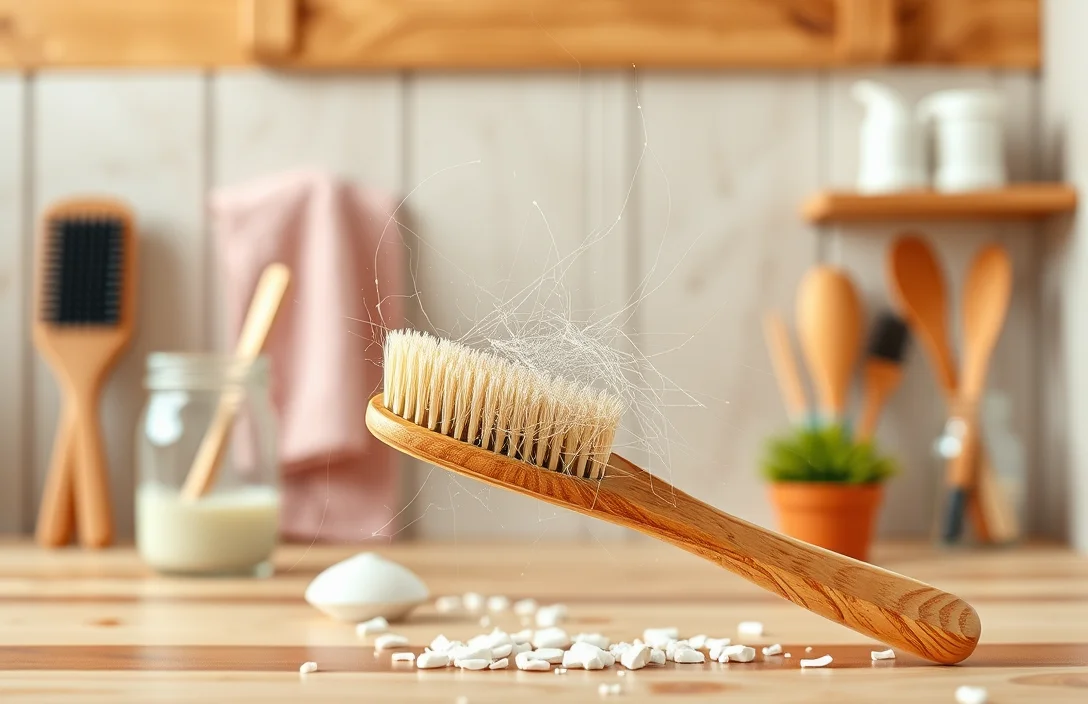
Understanding Hair Breakage: Causes and Solutions When Brushing
Seventy percent of individuals experience hair breakage when brushing due to improper techniques. Common mistakes like using the wrong tools or brushing wet hair lead to unnecessary damage, leaving you frustrated and confused about maintaining healthy locks. Understanding these factors is essential for your hair care routine.
Brushing can cause breakage due to tension on the hair shaft, using inappropriate tools, and brushing wet hair. Learning proper techniques and selecting the right products can significantly reduce breakage and improve your hair’s overall health.
Brushing Technique Matters
Improper brushing techniques lead to hair breakage. Pulling or tugging can cause strands to snap, especially when hair is wet and more fragile. Always remember to handle your hair gently to maintain its strength and integrity.
- Start from the ends. Begin brushing at the tips, gradually working your way up. This method detangles without causing stress on the hair shaft.
- Use short, gentle strokes. Brushing aggressively can cause friction and damage, leading to breakage. Opt for smooth, even motions.
- Section your hair. Divide your locks into manageable parts. Smaller sections make it easier to detangle while reducing the risk of pulling and breaking.
- Choose the right time. Avoid brushing when your hair is wet. Use a wide-tooth comb instead, as it minimizes the risk of breakage during this vulnerable state.
- Be mindful of your tools. Selecting a brush with soft bristles can prevent unnecessary damage. Hard bristles can tug and break hair more easily.
Implementing these techniques will significantly reduce hair breakage while brushing. A gentle approach makes all the difference in maintaining healthy, strong hair.
Choosing the Right Brush
Selecting the correct brush significantly impacts hair health. Each hair type, whether straight, wavy, curly, or coily, requires specific bristle types and brush shapes. For instance, wide-toothed combs work wonders for thick, curly hair, while paddle brushes are ideal for straight strands. Understanding your hair’s unique characteristics can help prevent breakage during brushing.
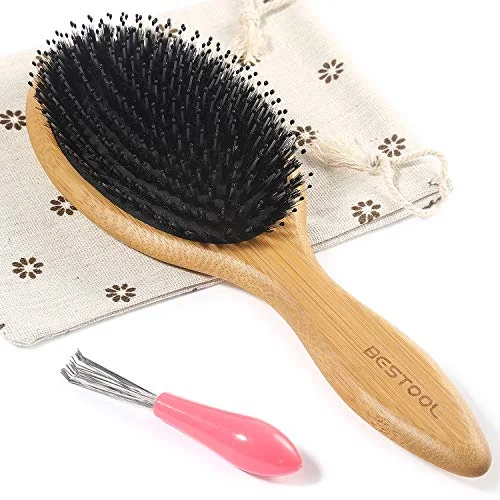
Bristles come in various materials, each influencing how your hair responds. Natural bristles, like boar hair, distribute oils from the scalp, enhancing shine and reducing frizz. On the other hand, synthetic bristles can create static, particularly in dry conditions, which can lead to breakage. Opt for brushes that complement your hair’s natural texture.
Brush shape also matters. Round brushes help add volume and curl, while flat brushes smooth and detangle. Finding the right shape will not only help in styling but also minimize damage as you brush. Choose a tool that aligns with your styling goals and hair care routine.
Regular maintenance of your brush is crucial. Cleaning it from product buildup and hair strands ensures that it glides smoothly through your hair. Neglecting this task can lead to tangles and unnecessary breakage. Keep your brush clean for a healthier brushing experience.
Wet vs. Dry Brushing
Brushing wet hair significantly increases the risk of breakage. Wet strands are more fragile, akin to a wet piece of paper that tears easily. When you brush hair that is still damp, you’re likely to pull and stretch it, leading to split ends and breakage. Allow your hair to dry partially or fully before using a brush.
Choosing the right technique is crucial. For wet hair, use a wide-tooth comb instead of a brush. This tool minimizes tension on the hair while detangling, reducing the chance of damage. Start from the ends and work your way up to gently remove knots without forcefully pulling on the hair.
Dry brushing requires different care. Hair can handle more force when it’s dry, but caution is still necessary. Use brushes with soft bristles to avoid static and frizz. Always brush gently, starting at the roots and moving toward the tips, which helps distribute natural oils and keeps hair nourished.
Maintaining healthy hair demands awareness of your brushing habits. Adjust your method based on whether your hair is wet or dry to prevent unnecessary breakage. Paying attention to these differences will set a strong foundation for better hair health moving forward.
Hair Product Impact
Certain hair products can weaken strands, leading to breakage when brushing. Ingredients like alcohol and sulfates strip moisture from hair, making it brittle. Selecting the right products is essential for maintaining hair health and preventing damage during your grooming routine.
- Avoid products with high alcohol content. These can dry out hair, making it more prone to breakage. Opt for alcohol-free options that retain moisture.
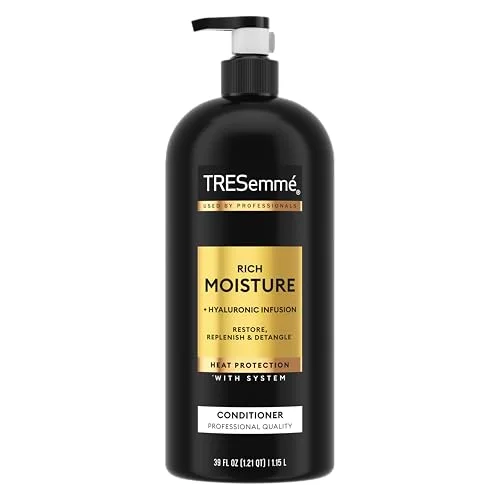
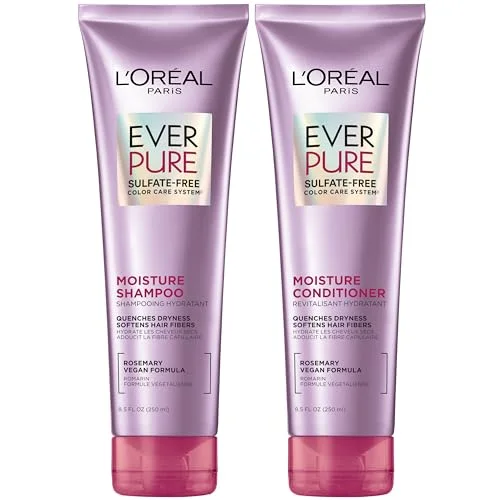
- Choose sulfate-free shampoos and conditioners. Sulfates can strip natural oils, leading to dryness and increased fragility in hair strands.
- Incorporate nourishing oils or serums. Ingredients like argan oil or coconut oil can provide hydration and strengthen the hair, reducing the likelihood of breakage.
- Consider protein-based treatments. Hair is made of keratin, so using products that reinforce this protein can help fortify strands, making them less susceptible to damage.
- Read ingredient labels carefully. Familiarize yourself with harmful additives and seek out formulations that prioritize hair health for better results.
Maintaining hair health starts with informed product choices. Awareness of ingredients helps prevent breakage and supports a healthier brushing routine.
Frequency of Brushing
Brushing hair too often can lead to breakage. Excessive brushing creates friction, causing strands to weaken and break. Finding the right balance is crucial for maintaining hair health. Aim to brush your hair a few times a day, focusing on gentle techniques to avoid damage.
- Limit brushing to 2-3 times daily. Frequent brushing can strip natural oils and stress the hair.
- Use a wide-tooth comb for detangling. This tool minimizes breakage by gliding through knots without pulling excessively.
- Prioritize brushing when hair is dry. Wet hair is more fragile; brushing it damp can increase the likelihood of breakage.
- Apply a leave-in conditioner before brushing. This adds moisture and slip, helping to prevent tangles without excessive force.
- Listen to your hair’s needs. If strands feel brittle or damaged, reduce brushing frequency and reassess your routine.
Understanding Hair Texture
Hair texture significantly affects how it responds to brushing, influencing its susceptibility to breakage. Different types of hair—straight, wavy, curly, and coily—have unique structures. Understanding these variations can help you adapt your brushing techniques to minimize damage and maintain healthy strands.
- Straight hair tends to be more resilient against breakage but can suffer from split ends. Use a wide-tooth comb to navigate tangles gently.
- Wavy hair may require more moisture to prevent frizz. Opt for a detangling spray before brushing to ease the process and reduce breakage.
- Curly hair is often drier and more fragile. Brush it while wet or damp, using a leave-in conditioner to ensure smoothness and elasticity.
- Coily hair typically experiences the most breakage due to its structure. Focus on using your fingers or a wide-tooth comb to separate curls instead of brushing.
Adapting your approach based on hair texture will empower you to protect your strands effectively. Always remember, the right technique can make a significant difference in preventing hair breakage when brushing.
Using the Right Tools
Investing in the right tools is essential for minimizing hair breakage. High-quality brushes and combs can make a significant difference in how your hair responds to brushing. Look for options like wide-tooth combs or brushes with flexible bristles that can gently glide through the hair without causing damage.
Choosing a detangling brush specifically designed for wet or dry hair can be beneficial. These brushes often feature softer bristles and a design that reduces tugging, making them ideal for sensitive or damaged hair. Always start detangling from the ends and work your way up to avoid unnecessary stress on your strands.
Quality materials also matter. Brushes made from natural fibers, such as boar bristle, can distribute oils along the hair shaft, promoting shine and reducing breakage. Avoiding plastic brushes with rigid bristles can further help minimize friction and prevent hair from snapping.
Regular maintenance of your tools is crucial. Clean your brushes and combs frequently to remove hair product buildup and dirt, which can exacerbate breakage. With the right equipment and care, you can significantly reduce hair damage during your daily routine.
Quick Summary
- Hair breakage can occur due to excessive force applied while brushing, especially on wet hair.
- Using the wrong type of brush can contribute to hair damage; fine-toothed combs can snag and break hair.
- Lack of moisture and hydration in the hair can make it brittle and more prone to breakage.
- Chemical treatments, such as coloring or perming, can weaken hair structure and increase breakage.
- Environmental factors, like sun exposure and pollution, can also lead to hair becoming dry and fragile.
- Regular trimming helps prevent split ends, which can lead to further breakage if not addressed.
- Incorporating protective hairstyles can minimize stress on hair and reduce breakage during brushing.
Frequently Asked Questions
Why does hair break when brushing?
Hair can break during brushing due to various factors, including improper technique, using the wrong tools, and the overall health of your hair. When hair is tangled or dry, it becomes more susceptible to breakage as the brush pulls on the strands.
What type of brush should I use to prevent breakage?
To minimize hair breakage, opt for a wide-tooth comb or a brush with flexible bristles designed for detangling. These tools are gentler on the hair and can help reduce tension and pulling that leads to breakage.
How can I properly brush my hair to avoid breakage?
Start by dividing your hair into sections and gently detangling from the ends upwards. This method helps to avoid pulling on the roots and reduces the risk of breakage.
Are there any products that can help prevent hair breakage?
Yes, using leave-in conditioners, hair oils, or serums can help nourish your hair and make it more manageable. Look for products that contain ingredients like argan oil or keratin, which can strengthen and protect your hair.
How often should I brush my hair to maintain its health?
Brushing your hair 1-2 times a day is generally sufficient to keep it healthy without causing damage. Frequent brushing can lead to unnecessary friction and breakage, especially if your hair is already fragile.

- What To Avoid After Prp Hair Treatment? - August 28, 2026
- What Is The Malibu Treatment For Hair? - August 27, 2026
- What Is Malibu Hair Treatment? - August 27, 2026